


The Ultimate Dog Mom’s Guide to Dog-Safe Fruits
If you’re anything like me, you’ve probably been enjoying a juicy snack when your dog gives you that “please share” look. And while some fruits are a healthy, refreshing treat for our pups, others can cause upset stomachs — or worse.
In this guide, we’ll cover exactly what fruits dogs can eat, which ones to avoid, how much is safe, and fun ways to serve them. Consider this your dog-safe fruits list for guilt-free sharing!
Why Give Dogs Fruit?
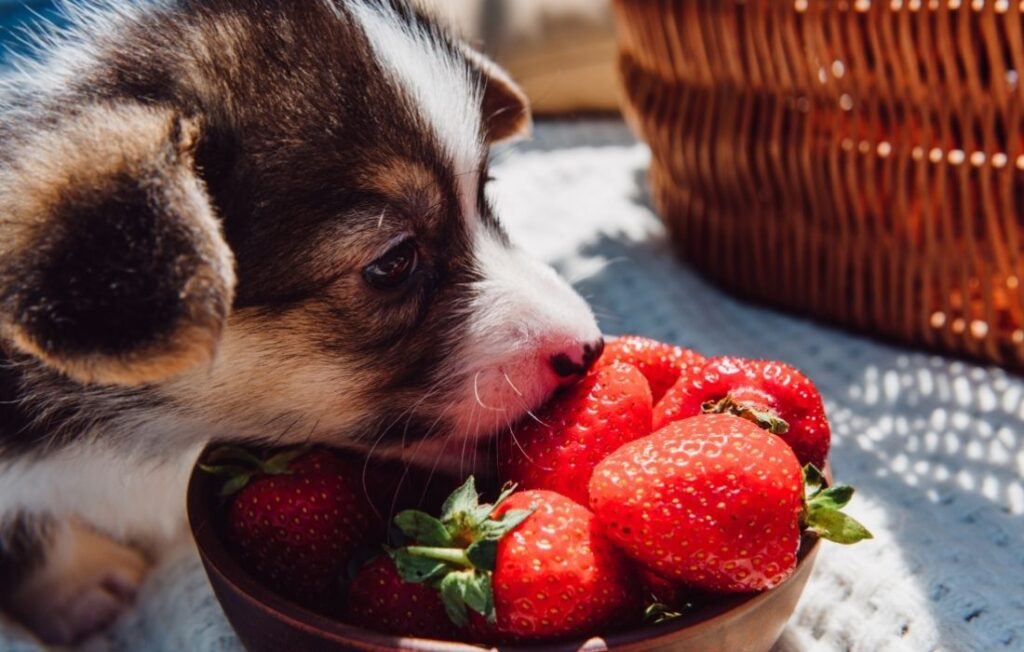
Before we jump into the list, let’s talk about why fruit can be a good thing for dogs:
- Nutrient-rich snacks — Many fruits are packed with vitamins, minerals, and antioxidants.
- Low-calorie treats — Great for weight management compared to processed treats.
- Hydration boost — High-water-content fruits help on hot days.
- Natural fiber — Supports digestion and gut health.
Important: Fruit should only be an occasional treat — no more than 10% of your dog’s daily diet. Too much sugar (even natural sugar) can cause weight gain and upset tummies.
Dog-Safe Fruits List
Here’s your go-to list of fruits dogs can eat safely, plus tips on how to serve each one.
1. Apples
- Benefits: Rich in fiber and vitamins A & C.
- Serving Tip: Remove the seeds and core — apple seeds contain cyanide, which is toxic to dogs.
- How to Serve: Slice into bite-sized pieces or freeze for a crunchy summer treat.
2. Blueberries
- Benefits: Packed with antioxidants and low in calories.
- Serving Tip: No prep needed! Serve fresh or frozen.
- How to Serve: Sprinkle a few over your dog’s kibble for a nutrient boost.
3. Bananas
- Benefits: Potassium-rich, good for muscle and heart health.
- Serving Tip: Feed in moderation — bananas are high in natural sugar.
- How to Serve: Mash into a Kong toy or freeze banana slices for an easy snack.
4. Watermelon
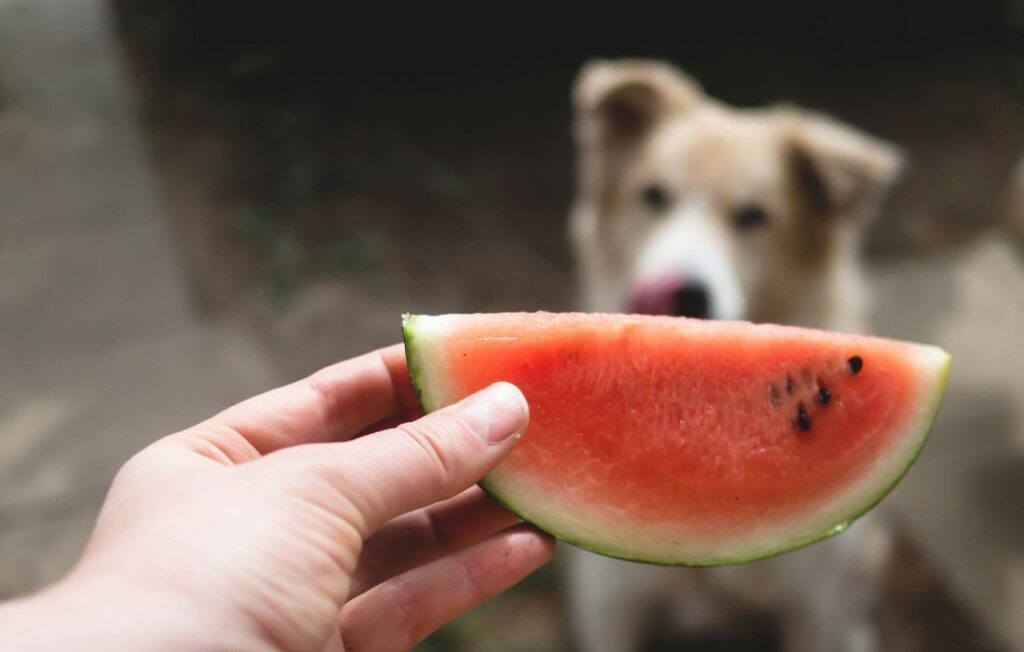
- Benefits: 92% water — great for hydration.
- Serving Tip: Remove seeds and rind.
- How to Serve: Cut into chunks or make dog-safe popsicles.
5. Strawberries
- Benefits: High in vitamin C and fiber.
- Serving Tip: Wash thoroughly and cut into small pieces.
- How to Serve: Fresh or frozen — dogs love the sweet flavor.
6. Cantaloupe
- Benefits: Rich in beta-carotene and water content.
- Serving Tip: Remove seeds and rind.
- How to Serve: Cube into bite-sized pieces.
7. Pears
- Benefits: Good source of copper, vitamin C, and fiber.
- Serving Tip: Remove core and seeds.
- How to Serve: Fresh slices or frozen chunks.
8. Mango
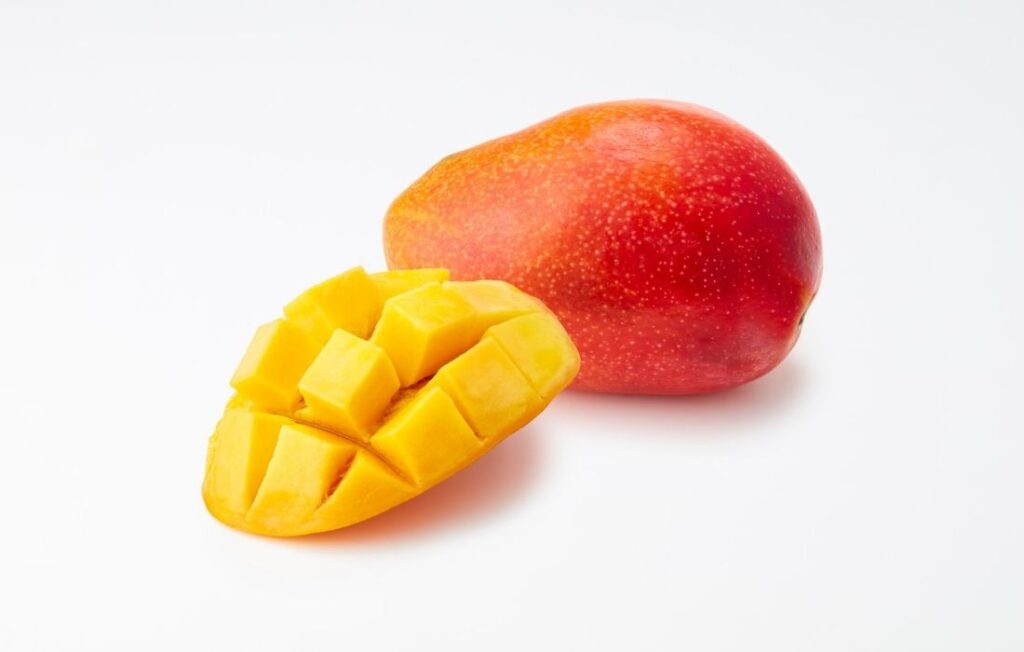
- Benefits: Full of vitamins A, B6, C, and E.
- Serving Tip: Remove skin and pit (pit contains cyanide).
- How to Serve: Dice and mix into plain yogurt for a fruity treat.
9. Pineapple
- Benefits: Loaded with vitamin C and manganese.
- Serving Tip: Remove skin and hard core.
- How to Serve: Fresh chunks only — avoid canned pineapple (too much sugar).
10. Raspberries
- Benefits: High in fiber and vitamin C, low in sugar.
- Serving Tip: Limit to a few at a time — they naturally contain small amounts of xylitol.
- How to Serve: Fresh or frozen.
11. Kiwi
- Nutrients: Vitamin C, fiber, potassium.
- Benefits: Boosts digestion and supports heart health.
- Serving Tip: Remove skin and seeds.
- How to Serve: Slice thin and serve fresh.
12. Cranberries
- Nutrients: Vitamin C, fiber, antioxidants.
- Benefits: May help prevent urinary tract infections.
- Serving Tip: Feed in moderation — too many can cause stomach upset.
- How to Serve: Fresh or unsweetened dried cranberries only.
13. Papaya
- Nutrients: Vitamins A, C, E, and folate.
- Benefits: Supports digestion thanks to natural enzymes.
- Serving Tip: Remove skin, seeds, and any hard bits.
- How to Serve: Dice into small pieces and serve fresh.
14. Blackberries
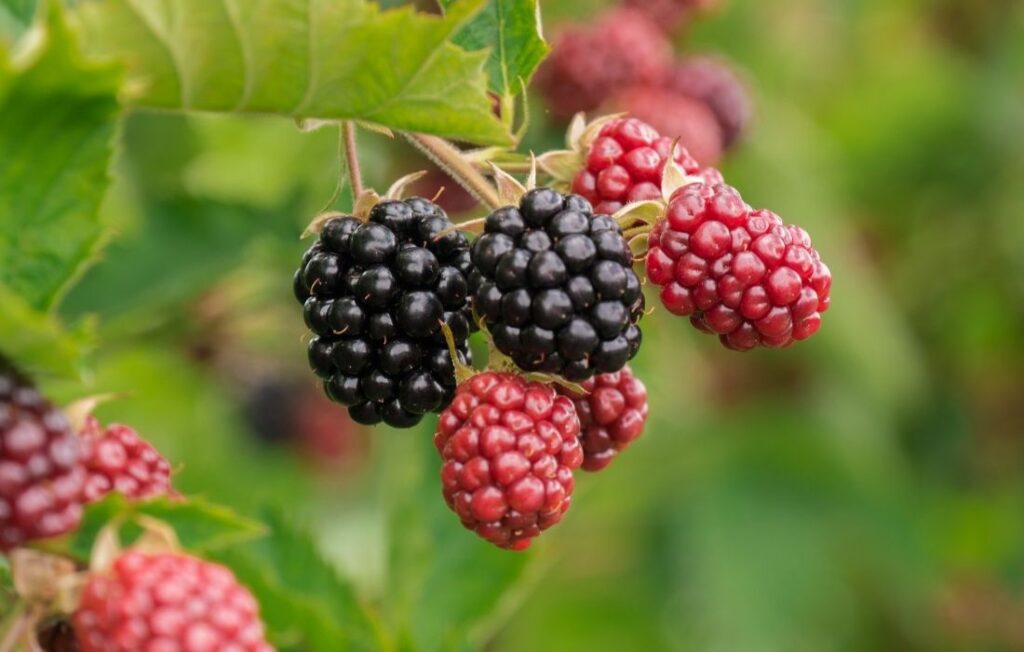
- Nutrients: Vitamin C, fiber, antioxidants.
- Benefits: Supports immune health and digestion.
- Serving Tip: Wash well and limit to a few at a time to avoid tummy upset.
- How to Serve: Fresh, frozen, or mixed into plain yogurt.
15. Peaches
- Nutrients: Vitamin A, fiber.
- Benefits: Supports skin and coat health.
- Serving Tip: Remove the pit completely — peach pits contain cyanide and are a choking hazard.
- How to Serve: Small fresh slices only, never canned.
16. Plums
- Nutrients: Antioxidants, Vitamin K.
- Benefits: Can support heart and bone health in small amounts.
- Serving Tip: Remove the pit and stem — only feed the flesh, and keep portions small.
17. Apricots
- Nutrients: Vitamin A, beta-carotene, fiber.
- Benefits: Supports eye health and immunity.
- Serving Tip: Remove pit, stem, and leaves — only the flesh is safe.
- How to Serve: Small, fresh slices for occasional treats.
18. Honeydew Melon
- Nutrients: Vitamin C, potassium, hydration boost.
- Benefits: Great summer snack for hydration.
- Serving Tip: Remove rind and seeds.
- How to Serve: Chopped into bite-sized cubes.
19. Pomegranate (flesh only)
- Nutrients: Antioxidants, Vitamin C.
- Benefits: May support immune health.
- Serving Tip: Feed small amounts of seeds only; avoid rind and large quantities to prevent tummy upset.
20. Coconut
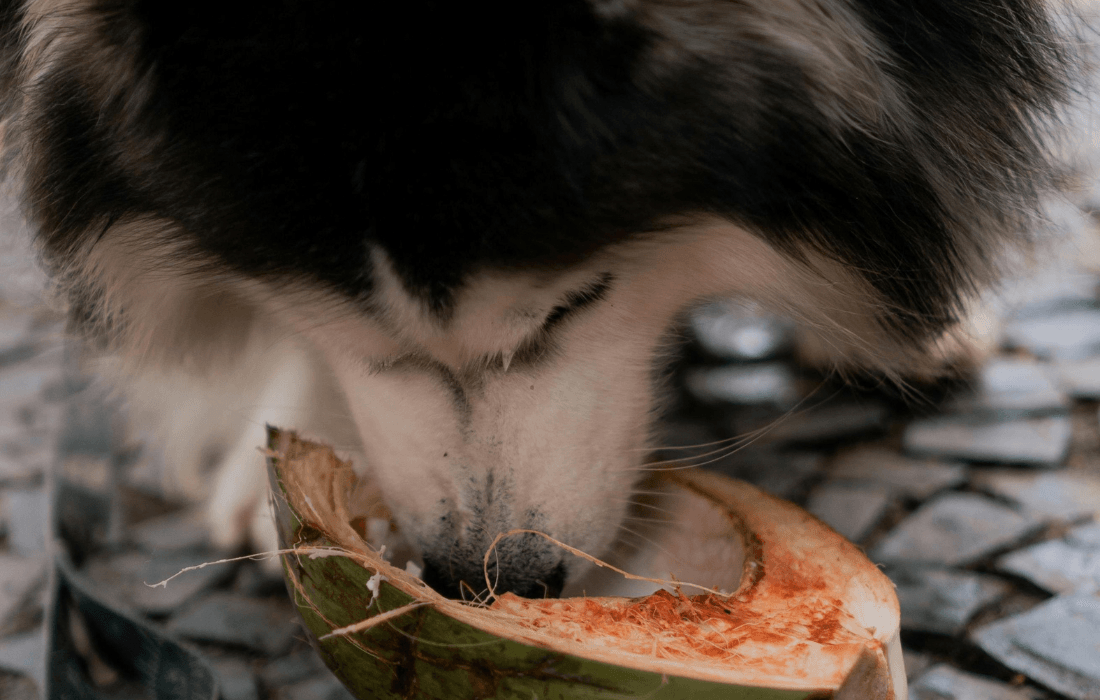
- Nutrients: Healthy fats, manganese.
- Benefits: Can promote healthy skin and coat.
- Serving Tip: Small amounts only; too much can cause diarrhea.
- How to Serve: Fresh coconut meat, finely chopped, or a small amount of unsweetened coconut flakes.
21. Dragon Fruit
- Nutrients: Antioxidants, Vitamin C, fiber.
- Benefits: Boosts immune health and digestion.
- Serving Tip: Remove skin completely.
- How to Serve: Fresh, chopped into small cubes.
22. Guava
- Nutrients: Vitamin C, fiber, folate.
- Benefits: Supports digestion and immunity.
- Serving Tip: Remove seeds.
- How to Serve: Small, fresh chunks.
23. Oranges
- Nutrients: Vitamin C, potassium, fiber.
- Benefits: Boosts immune system and hydration.
- Serving Tip: Remove peel and seeds; feed in small amounts as citrus can be acidic and upset some dogs’ stomachs.
- Note: Not all dogs tolerate citrus well, so start with a tiny piece.
Fruits Dogs Can’t Eat
Some fruits are unsafe or downright dangerous for dogs. Here’s what to avoid:
- Grapes & Raisins: Highly toxic — can cause kidney failure.
- Cherries: Pits, stems, and leaves contain cyanide; flesh is safe in tiny amounts but not worth the risk.
- Avocado: Contains persin, which can cause vomiting and diarrhea.
- Citrus Fruits (lemons, limes, grapefruit): Too acidic — can cause stomach upset.
- Unripe Tomatoes: Contain solanine, which is harmful to dogs.
How Much Fruit Can Dogs Eat?
Follow the 10% rule: Fruit should only make up no more than 10% of your dog’s daily caloric intake. For most medium-sized dogs, that’s a few small pieces — not a whole fruit.
- Small dogs: 1–2 small pieces per day.
- Medium dogs: 3–4 small pieces per day.
- Large dogs: 5–6 small pieces per day.
Fun Ways to Serve Fruit to Dogs
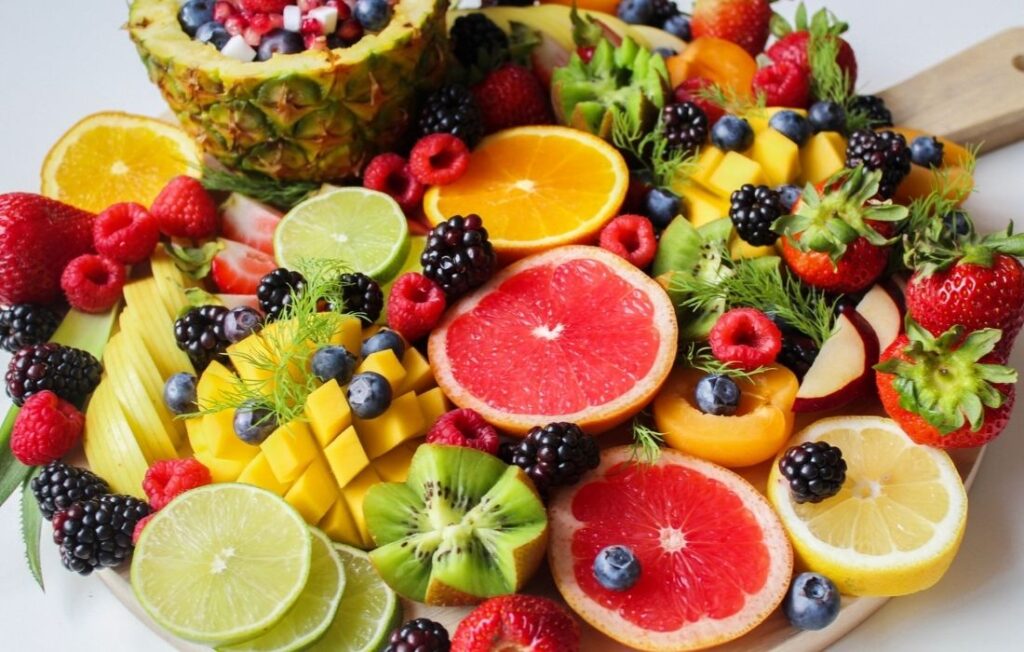
Make snack time exciting with these ideas:
- Frozen Fruit Pops: Blend dog-safe fruits with water or plain Greek yogurt, then freeze in silicone molds.
- Fruit & Veggie Mix: Combine chopped fruits with carrots or cucumbers for a crunchy treat mix.
- Kong Stuffers: Mash fruit with peanut butter and freeze inside a Kong toy.
- DIY “Pup-sicles”: Freeze watermelon cubes or banana slices for hot summer days.
Safety Tips for Feeding Fruit to Dogs
- Always wash fruit to remove pesticides.
- Remove seeds, pits, and rinds — many contain toxins.
- Introduce slowly to avoid digestive upset.
- Watch for allergies — start with small amounts.
- Avoid canned fruits — they often contain added sugars or syrups.
FAQs About Dogs and Fruit
Q: Can dogs eat fruit every day?
A: Yes, but in moderation. Daily fruit treats are fine as long as they stay within the 10% rule of your dog’s diet.
Q: Can puppies have fruit?
A: Yes, but introduce slowly and in small amounts to avoid tummy upset.
Q: Can dogs eat dried fruit?
A: Only unsweetened, plain dried fruits — avoid anything with added sugar or preservatives.
Q: Is canned fruit safe for dogs?
A: Usually no — canned fruits often contain syrups or additives that are unhealthy for dogs.
Q: Can fruit replace dog treats?
A: Occasionally, yes! Fruits are a healthy alternative to high-calorie treats, but they shouldn’t replace balanced dog food.
Treat, Don’t Replace
Fruits are a healthy, tasty snack for most dogs when given in moderation. But remember, they’re treats, not meal replacements. Your pup’s main nutrition should still come from a balanced dog food diet.
So next time your furry friend gives you those “share with me” eyes, you’ll know exactly which fruits are safe to share… and which ones to keep for yourself.




Be the first to leave a comment