


The Ultimate Guide to Mini Australian Shepherd
Are you searching for a dog that’s bursting with energy and smarts? Well, let me tell you about the Mini Aussie! These amazing pups pack all the loyalty and intelligence of a classic Australian Shepherd into a smaller, easier-to-handle package.
Now, here’s where things get a bit confusing. Some people call them Mini Australian Shepherds, while others say Miniature American Shepherds. Don’t worry though both names actually refer to the same wonderful breed! In fact, the AKC now officially recognizes them as “Miniature American Shepherds.”
In this guide, I’m going to share everything you need to know about these incredible dogs. First, I’ll explain what makes Mini Aussies so special. Then, we’ll explore how they differ from standard Aussies. Finally, I’ll give you expert tips on health, exercise, training, and much more. Whether you’re a busy pet parent or thinking about getting your first pup, you’ll find all the info you need right here!
Meet the Mini Aussie: A Little Dog with a Big Heart
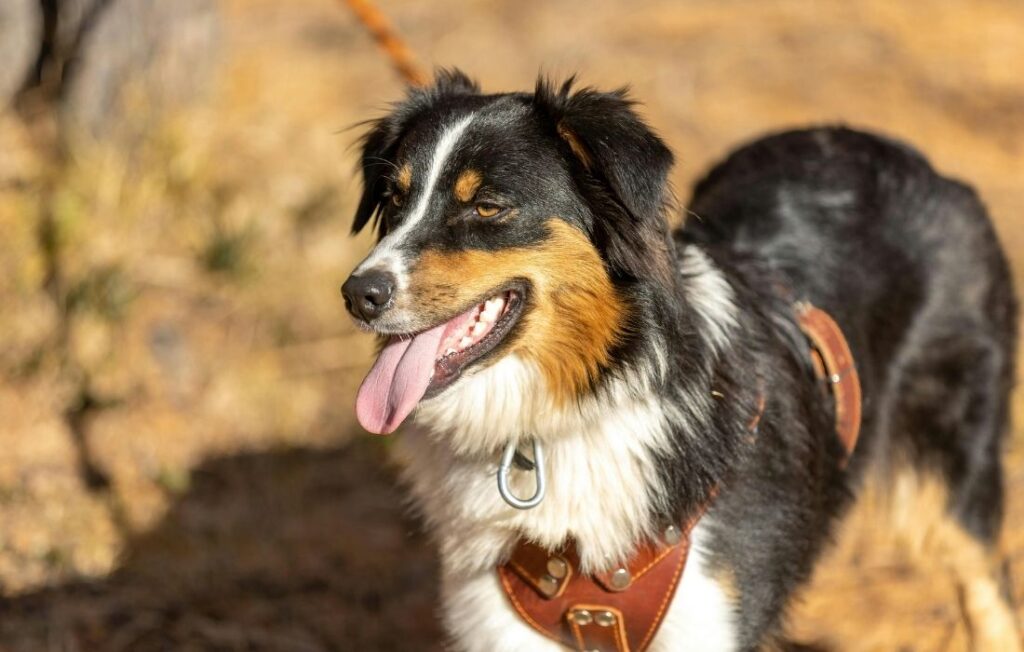
Have you ever watched a small herding dog zoom through a field with laser focus? If so, you’ve probably already fallen in love with the Mini Aussie! Their story is pretty amazing too. It combines American ranching tradition with smart breeding and tons of heart.
Where Did Mini Aussies Come From?
Here’s the cool part, Mini Aussies actually come from the same working lines as regular Australian Shepherds. Back in the day, California ranchers wanted a smaller version that was just as athletic. They needed dogs that could work in tight spaces and easily partner with horse riders.
So, what did they do? They carefully chose the smallest, healthiest Australian Shepherds and bred them together. Then, they kept doing this for many generations. This wasn’t just about making dogs smaller though. Instead, it was a smart, science-based plan to keep all the good stuff, the sharp minds, strong herding instincts, and lively energy just in a smaller package.
Now, there’s also a bit of drama with their name. At first, people called them “Miniature Australian Shepherds.” However, kennel clubs later changed the name to “Miniature American Shepherds” for official registration. But don’t worry no matter what you call them, these dogs stay true to their heritage!
What Do Mini Aussies Look Like?
When you see a Mini Aussie, you’ll definitely notice them! They usually stand 13–18 inches tall and weigh between 20–40 pounds. Even though they’re small, they look strong and athletic. Plus, both males and females have that sturdy, agile build that shows off their stamina.
But wait! Their coats are absolutely stunning! Here’s what to expect:
Texture: Their fur is medium length and either straight or slightly wavy.
Protection: They have a double coat that keeps them safe from weather.
Colors: You’ll see gorgeous shades like blue merle, red merle, black, and red. Most coats also have unique patterns with tan or white markings.
Eyes: This is where it gets really cool! Mini Aussies often have different colored eyes. They might be blue, brown, amber, or any combination.
Also, their tails might be naturally short or docked. Meanwhile, those sweet, expressive ears are always half-flopped and ready to perk up when they hear treats!
Mini Aussie vs. Standard Australian Shepherd
Many people wonder what makes Mini Aussies different from regular Australian Shepherds. Well, besides the obvious size difference, there are a few key things to know:
Size: Mini Aussies max out at around 18 inches and 40 pounds. In contrast, standard Aussies can reach 23 inches and nearly 65 pounds.
Personality: Minis can be a bit more reserved around strangers. However, they’re just as loyal and loving with their families.
Energy: Both breeds are super active and smart. But here’s the thing, the Mini’s smaller size often means they adapt better to apartment life or small yards.
Training: Both are eager learners with strong herding instincts. Therefore, owners should be ready for lots of mental and physical exercise.
So while their hearts are the same, Mini Aussies give you the full Aussie experience in a package that works better for modern families!
What’s It Like Living with a Mini Aussie?
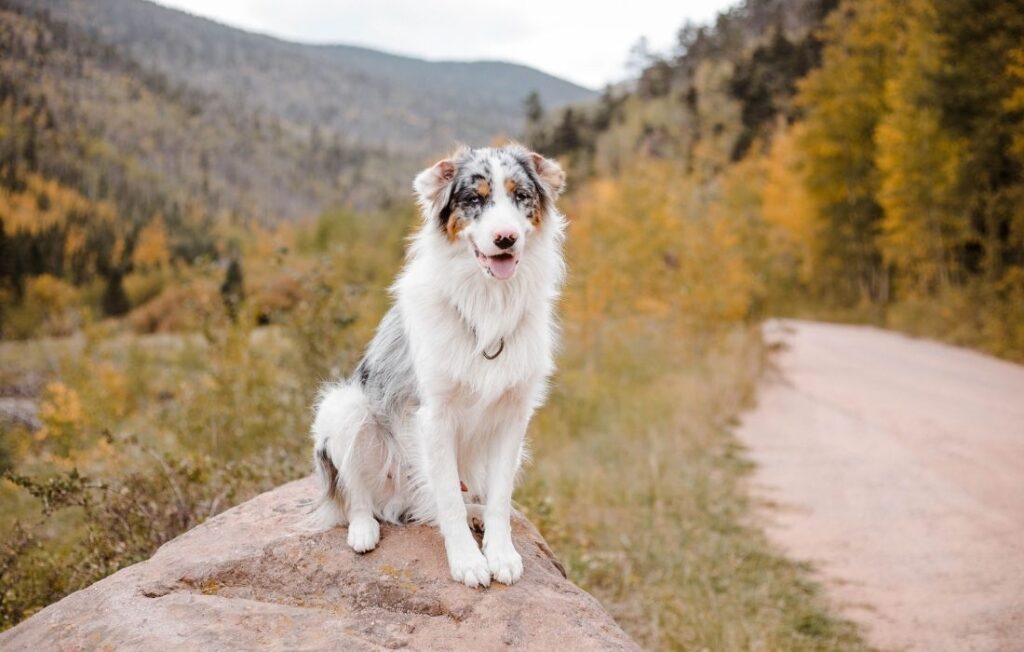
Mini Aussies are famous for three things: their brains, their endless energy, and their loyal hearts. From the moment you meet one, it’s obvious these dogs were bred for both work and companionship. So let’s talk about what makes them tick!
They’re Incredibly Smart
Few breeds can match a Mini Aussie’s combination of intelligence and eagerness to please. These dogs absolutely love having jobs to do and problems to solve.
Problem Solving: Mini Aussies look at challenges with keen observation. Whether it’s a puzzle toy, learning new commands, or figuring out how to herd you toward the treat jar, they catch on super fast.
Learning: Training feels like a fun game to them! They pick up obedience, tricks, and even complex agility routines at a speed that amazes first-time owners. Plus, consistent positive reinforcement leads to quick results.
Activities: Their intelligence really shines in structured activities. For instance, Mini Aussies excel in agility, rally, flyball, and obedience competitions. If you want a partner for advanced dog sports, you’ve found your match!
But here’s the catch, their intelligence means boredom can lead to mischief. So, a mentally stimulated Mini Aussie is a happy, much less destructive companion.
Get Ready for High Energy!
If you love adventure or need motivation to get outside, a Mini Aussie’s high-energy lifestyle will definitely keep you moving.
Daily Exercise: Plan on at least one hour of energetic activity every single day. However, they’ll gladly take even more movement and will keep pace on long hikes, jogging routes, or extended play sessions.
Fun Activities: Since boredom is a Mini Aussie’s worst enemy, you’ll want to mix things up. Try fetch, tug-of-war, hiking, swimming, and puzzle toys. Additionally, backyard agility equipment or regular training sessions help channel their drive.
Balance: Remember, a tired Mini Aussie is a happy Mini Aussie! Balanced activity reduces stress, cuts down on unwanted behaviors, and brings out their sunny, affectionate side.
Most importantly, routine is key. When you stick to a schedule, you’ll have a buddy who’s both stimulated and relaxed.
How They Are with Families
Mini Aussies shine brightest in lively households. However, they bring both joy and some unique quirks when it comes to family life.
Herding Instincts: Mini Aussies have a strong drive to “organize” everyone around them. This might look like nudging or circling children and pets, sometimes even adults! While this natural urge is charming, it may need some guidance.
Gentle Nipping: Herding often involves gentle nipping at heels, especially during fast-moving play. However, consistent training and early socialization teach your Mini Aussie what’s okay and what isn’t.
Protective Nature: They bond deeply with their people and, while not aggressive, can be watchful around strangers. Mini Aussies take their job as “protectors” seriously, which creates trust and safety at home.
When raised with children and other animals, Mini Aussies show amazing affection, patience, and good humor. Therefore, with smart boundaries and teaching moments, they prove to be both playmates and gentle guardians.
Keeping Your Mini Aussie Happy and Healthy
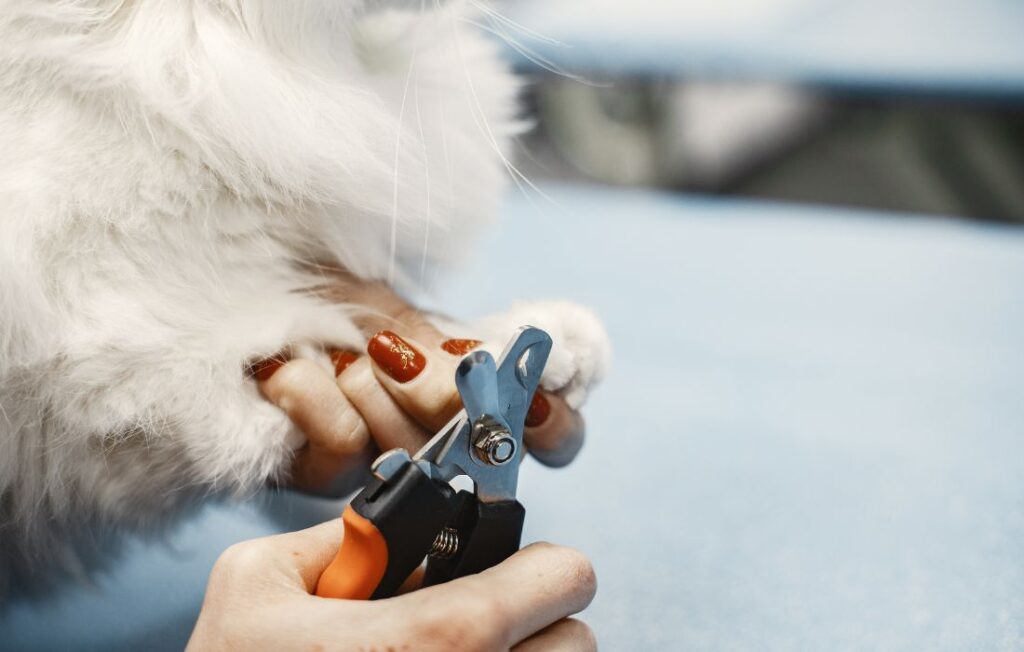
Mini Aussies need consistent care to truly thrive. Their active nature, beautiful coats, and genetics shape everything from grooming to diet. So let’s cover what every owner should know!
Grooming Your Mini Aussie
Mini Aussies have gorgeous double coats with a soft underlayer and silky top layer. Not only does their hair look amazing, but it’s also designed to protect them from weather. Therefore, regular grooming is absolutely essential.
Brushing: Brush your Mini Aussie’s coat at least twice a week. This prevents tangles and mats, especially around the neck and behind the ears. During shedding seasons (typically spring and fall), daily brushing works best.
Bathing: A gentle bath every couple of months is usually enough, unless they get extra dirty on adventures. However, too much bathing can strip natural oils and dry their skin.
Other Care: Trim nails once or twice a month. Also, clean ears with a damp cloth after playtime to prevent infections.
Seasonal Shedding: Expect heavier shedding twice a year when seasons change. Meanwhile, the rest of the year brings moderate fur loss.
Exercise and Mental Stimulation
Mini Aussies are high-energy dogs who need both physical activity and mental challenges every day. Their bodies and brains absolutely crave plenty of outlets!
Daily Exercise: Aim for at least an hour of active play or structured activity daily. This includes brisk walks, hiking, off-leash play in secure spaces, and agility courses.
Variety: Keep activities fresh by alternating between games of fetch, tug-of-war, and dog sports to prevent boredom.
Brain Games: Puzzle toys, hide-and-seek, and learning new tricks feed their minds. Remember, boredom in a Mini Aussie can lead to destructive habits, so keep them busy!
Nutrition: Feed a high-quality, balanced diet based on your dog’s age, size, and activity level. Look for ingredient lists that favor real protein sources while avoiding excess fillers. Additionally, many owners choose foods rich in omega-3s and antioxidants to support coat health and brain function.
Health Considerations
Mini Aussies are generally sturdy and active dogs. However, like all purebred dogs, some genetic health conditions are more common. Being proactive definitely leads to a longer, happier life.
Hip Dysplasia: This joint disorder can develop with age or be inherited. Signs include stiffness or difficulty standing and walking. Fortunately, proper diet, regular weight checks, and exercise are your first line of defense.
Eye Issues: Progressive Retinal Atrophy (PRA) is an inherited eye disorder that may cause gradual vision loss. Therefore, ask breeders about PRA screenings and consult your vet about vision checks.
MDR1 Sensitivity: Mini Aussies may carry the MDR1 gene, which affects their reaction to common medications. Genetic testing is available and highly recommended before any medical procedures.
Other Concerns: Both epilepsy and thyroid issues can show up unexpectedly. Watch for unusual seizures or sluggish behavior, since early detection makes a huge difference.
Most importantly, regular check-ups and preventive care really pay off. Schedule annual vet visits for vaccinations, dental cleanings, and wellness exams. With proper care, a Mini Aussie typically lives 12 to 15 years!
Your Most Common Questions Answered
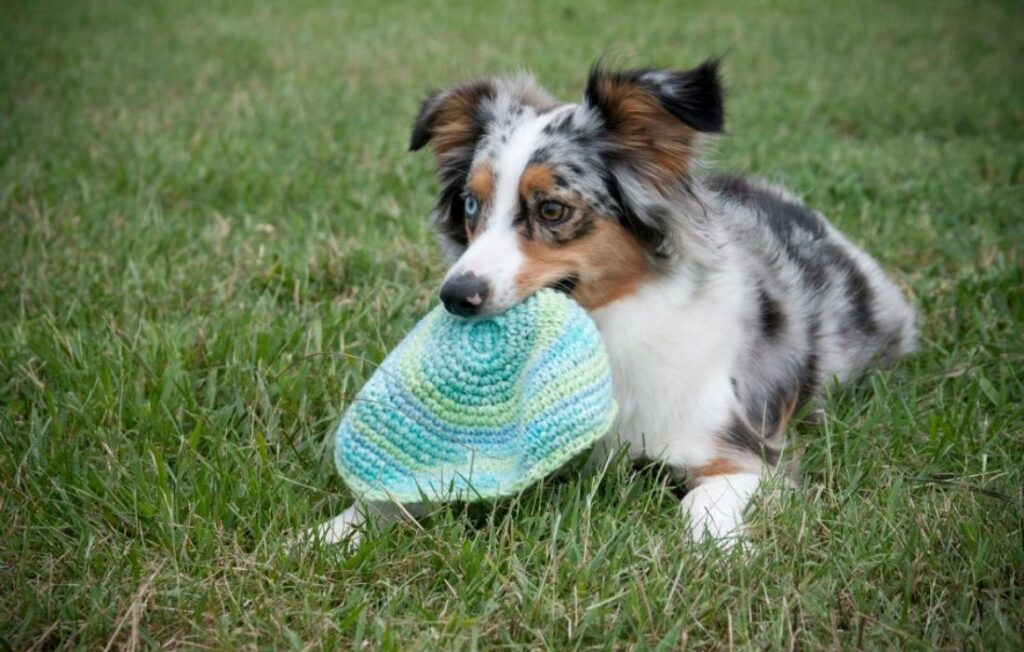
Thinking about getting a Mini Aussie? Or maybe you already have one and want to learn more? Either way, I’ve compiled answers to the questions I hear most often.
Are Mini Aussies Good House Dogs?
Absolutely! Mini Aussies make fantastic house dogs, including in apartments and city settings as long as you meet their basic needs.
Adaptability: Mini Aussies settle well into family homes or smaller apartments, provided they get daily exercise. Furthermore, their loyalty and intelligence mean quick house training and deep bonds with all household members.
Family Life: These dogs love being in the heart of the action. In fact, many owners mention how devoted Mini Aussies are to kids and family activities.
Small Spaces: Powerful bursts of play in a hallway or indoor games can actually make up for limited backyard space.
What Are the Challenges?
While Mini Aussies are amazing, they’re not the perfect fit for everyone. Their intelligence and high drive can challenge owners who underestimate their needs.
High Energy: These dogs require at least an hour of committed exercise every day. Otherwise, a bored Mini Aussie can become restless, destructive, or anxious.
Herding Instincts: Herding is hardwired into their DNA. They may nip at heels or try to “herd” kids and other pets during play. However, firm, positive training helps redirect these habits.
Health Concerns: Like many purebred dogs, Mini Aussies may face genetic challenges. These include hip dysplasia, eye conditions, and medication sensitivities.
Separation Anxiety: Their devotion can create problems if left alone for long periods. They absolutely crave interaction and purpose.
How Big Do They Get?
Mini Aussies are built for agility and compact strength. While they’re smaller than standard Australian Shepherds, don’t let their size fool you, they pack plenty of athleticism!
Typical Size: Adult Mini Aussies usually stand 13–18 inches tall at the shoulder.
Weight: Most weigh 20–40 pounds when fully grown, although genetics play a role.
Growth: Expect your Mini Aussie to finish growing between 9 and 12 months, which is much sooner than standard Aussies.
Do Mini Aussies Bark a Lot?
Mini Aussies use their voice to communicate, especially when they’re excited, bored, or see something interesting outside. While they aren’t known for excessive barking like some toy breeds, they do alert their families about anything unusual.
When They Bark:
- Natural watchdogs who let you know when strangers approach
- Boredom or pent-up energy can increase barking
- Some bark from anxiety if left alone
Training Tips:
- Provide plenty of daily enrichment through exercise, puzzle toys, and training
- Use positive reinforcement by rewarding quiet moments
- Teach the “quiet” command early and practice regularly
- Block environmental triggers by closing blinds if your Mini Aussie watches every passerby
Wrapping Up
Owning a Mini Aussie is both incredibly rewarding and wonderfully demanding. Their intelligence and drive shine brightest when matched with daily structure, ongoing training, and an active lifestyle. These amazing dogs truly thrive when given a job to do and a family willing to be hands-on.
If you’re thinking about getting one, be ready to commit. Mini Aussies need more than just love, they crave routine, firm guidance, and lots of stimulation. However, when you invest in their wellness and nurture their natural instincts, these dogs return the favor with incredible devotion and impressive versatility.
So, if you’re seeking a companion who’s equal parts energy and loyalty, a Mini Aussie will absolutely transform your home. Are you ready to welcome one into your life? First, review your lifestyle honestly. Then, connect with responsible breeders who health test their dogs. Finally, remember that your future Mini Aussie is counting on you to be the best dog parent possible!
Thanks for taking this journey with me. I’d love to hear about your Mini Aussie experiences in the comments below!




Be the first to leave a comment