


The Ultimate Guide to Dog Agility Training
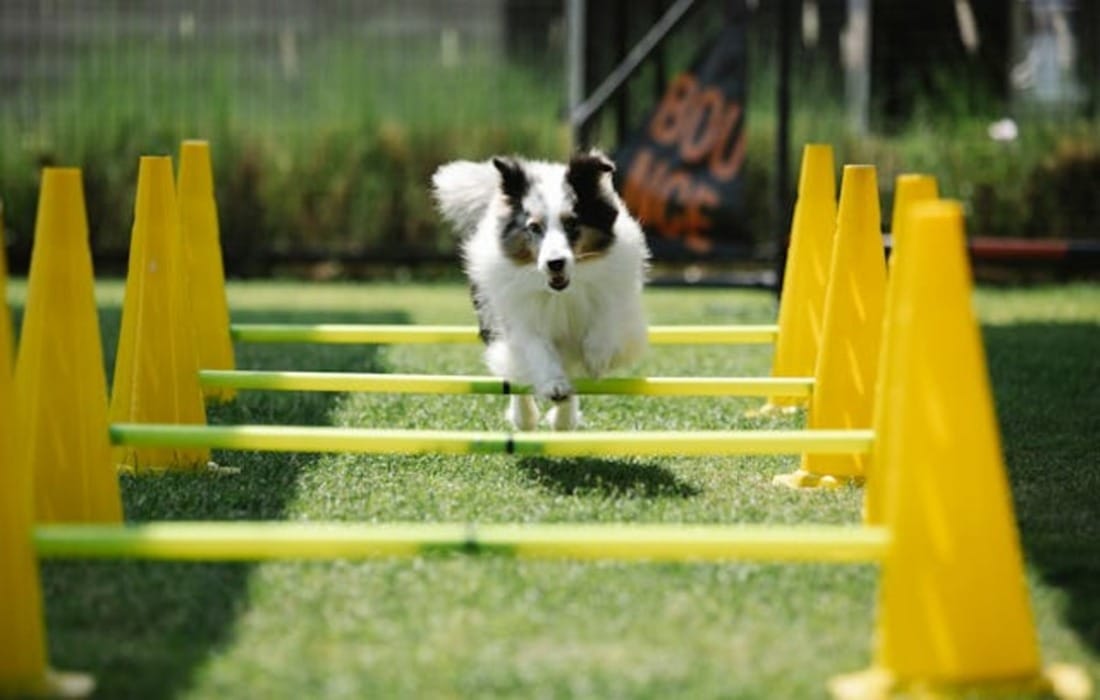
Dog agility training is an exciting, fast-paced sport that not only enhances your dog’s physical abilities but also builds a stronger bond between you and your furry friend. In this ultimate guide I’m going to talk about all the stuff you need to know to turn your dog into a total agility pro, from the simple stuff to the more difficult methods.
Whether you’re doing it just for kicks or want to join competitions, agility is an awesome way to keep your dog’s brain sharp, give them exercise, and get them meeting other dogs. If you’re patient and do things the right way, pretty much any dog can get good at running through an agility course quickly and cleanly.
So, What’s Dog Agility?
Dog agility is like an obstacle course race. You lead your dog through things like jumps, tunnels, and poles. The goal is to get through the whole thing super fast while still following all the rules.
It’s timed, and if your dog messes up—like knocking something over or missing a part—you get points taken off. But it’s not just about being speedy. You’ve got to be precise, and you and your dog need to work as a team.
Why Dog Agility Training is Great
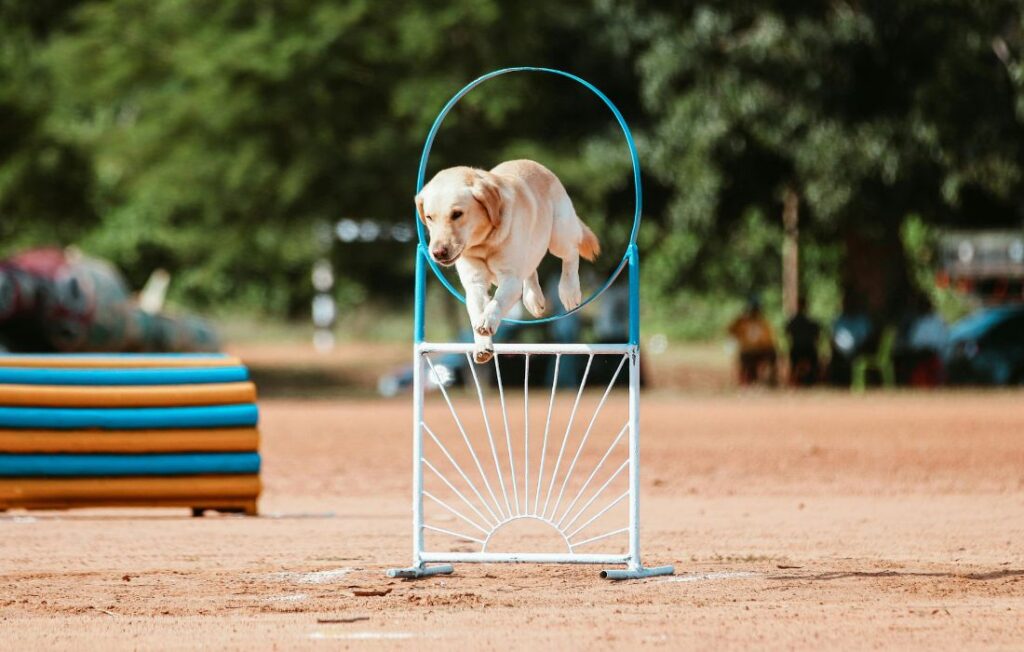
- Physical Exercise: Agility is a fantastic way for your dog to burn off energy. The varied obstacles work different muscle groups, improving your dog’s overall fitness and stamina.
- Brain Workout: It’s not just about running. Agility makes your dog think. They have to figure things out, pay attention, and stay focused, which keeps their mind sharp.
- Better Teamwork: When you train for agility, you become a team. You and your dog start to get how each other moves, what your body language means, and what signals you’re giving.
- Behavioral Benefits: Engaging in regular agility training helps to correct unwanted behaviors, like excessive barking, chewing, or digging, by redirecting your dog’s energy into a constructive activity.
- Socialization: Dogs that participate in agility classes or competitions interact with other dogs, which can improve their social skills and reduce behavioral issues stemming from fear or aggression.
- It’s Fun!: Agility is a blast for both you and your dog. It feels so good to see your dog learn new tricks and get really good at the course.
How To Get Started
Before you dive into agility training, it’s important to lay the foundation with some basic steps and preparation. Here’s how to get started:
1. Make sure Your Dog is Ready
Most dogs can get something out of agility, but not all of them are ready right away. Young dogs and older dogs might need some special attention because of their bodies. Always talk to your vet before you start, especially if your dog has any health problems.
Here are some things that make a dog good at agility:
- Physical Health: Dogs need to be in good health to handle the physical exertion required by agility training.
- Temperament: They need to be able to pay attention and listen to you. If they’re too scared or mean, it’ll be hard.
- Energy Level: Active and energetic dogs tend to excel in agility training, as the sport requires quick movements and stamina.
2. Start with Basic Obedience Training
Before you can begin agility-specific training, make sure your dog knows basic commands like sit, stay, come, and heel. These are super important for keeping them under control.
Having control over your dog’s behavior allows you to guide them through the obstacles with ease and ensures a safer training environment for both you and your dog.
3. Invest in the Right Equipment
While some agility training facilities have their own equipment, you can also set up a mini agility course in your backyard. Essential equipment includes:
- Jumps: Low to the ground to start, with adjustable heights as your dog advances.
- Tunnels: Collapsible tunnels that your dog can run through.
- Weave Poles: Poles set in a straight line that your dog must weave through.
- Contact Zones: Equipment like A-frames, seesaws, and dog walks, where your dog must touch specific zones with their paws.
You don’t need to buy professional-grade equipment to start with—simple DIY versions can suffice for beginner training. As your dog progresses, you can invest in higher-quality gear.
4. Find a Training Class or Instructor
While many dogs can start agility training at home, attending a class with a qualified instructor can be extremely beneficial. A professional trainer can provide personalized guidance, address any issues you may encounter, and ensure that you’re using the correct techniques.
Look for a class that caters to your dog’s experience level—whether you’re a complete beginner or ready to move on to advanced training. Many dog training facilities offer classes that range from introductory to competitive-level agility.
Most Important Agility Obstacles
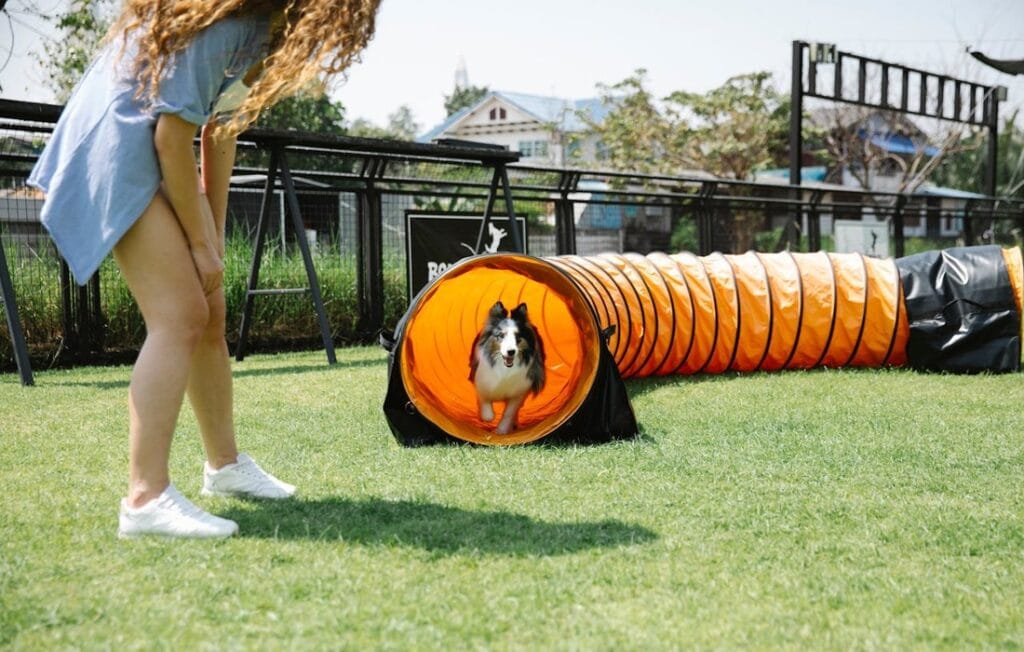
Dog agility courses are made up of several different obstacles, each requiring specific skills and techniques. Here’s a breakdown of the most common obstacles and how to train for them.
1. Jumps
Jumps are one of the simplest yet most important obstacles in agility training. They can vary in height, width, and style, but the basic concept is the same: your dog must jump over the bar without knocking it down.
Training Tip: Start with a low bar and encourage your dog to jump over it using positive reinforcement (treats and praise). As your dog becomes more comfortable, you can increase the height of the bar gradually.
2. Tunnels
The tunnel is a flexible, cylindrical obstacle that your dog must run through. It can be intimidating for some dogs at first, but with the right training, most dogs will quickly learn to enjoy it.
Training Tip: Introduce the tunnel slowly, using treats to lure your dog into the entrance. Begin with a short, straight tunnel, then gradually increase its length and add curves to simulate more complex course layouts.
3. Weave Poles
Weaving is a challenging agility skill that requires your dog to navigate through a series of vertical poles in a zigzag pattern.
Training Tip: Start with just two poles, allowing your dog to get used to weaving between them. Gradually add more poles and increase the difficulty by creating tighter weaving patterns.
4. Dog Walk
The dog walk is a long, elevated platform that requires your dog to walk across a narrow board. This obstacle tests balance, focus, and confidence.
Training Tip: Start by practicing on the ground or with a low platform, gradually raising the height as your dog becomes more comfortable. Use a leash and guide your dog along the path until they gain confidence.
5. A-Frame
The A-frame is a large, slanted structure that your dog must climb up and down. It helps build strength and coordination.
Training Tip: Begin with a gentle slope and reward your dog for touching the contact zones at the top and bottom. Over time, you can increase the height and difficulty.
6. Seesaw
The seesaw (or teeter-totter) is a pivoting board that your dog must walk across. As the dog walks to the center, the board tilts, and the dog must maintain their balance.
Training Tip: Use a low seesaw to start and guide your dog through the motion. Encourage them to stay balanced as the board tilts, and reward them for completing the obstacle.
Tips for Effective Dog Agility Training
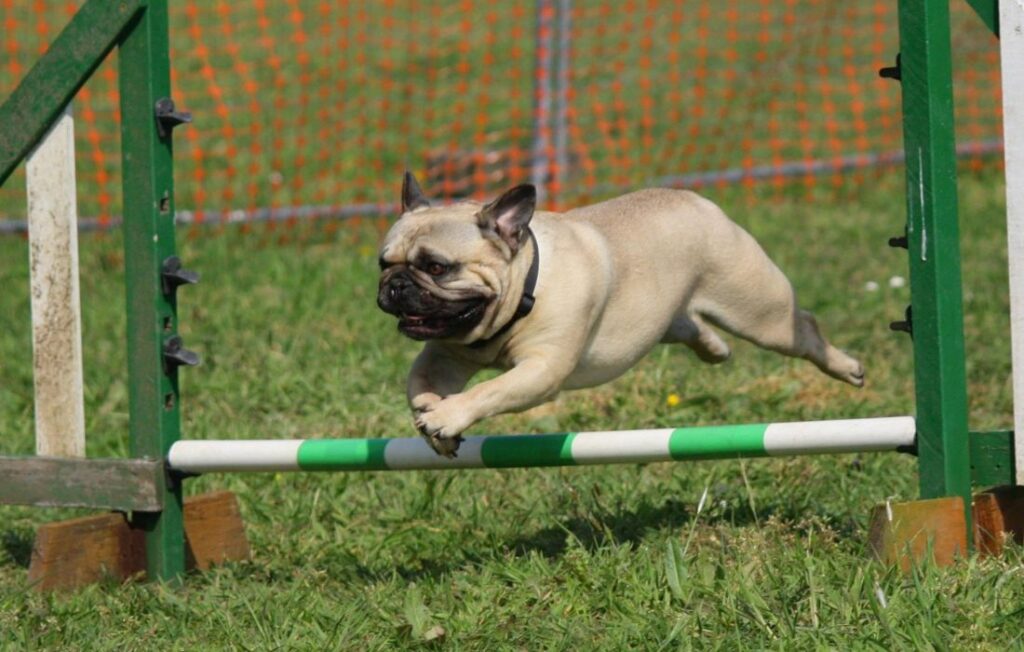
To succeed in dog agility, consistency, patience, and positive reinforcement are key. Here are some additional tips to help you and your dog excel:
- Use Positive Reinforcement: Reward your dog with treats, praise, or play when they successfully complete an obstacle. Positive reinforcement encourages good behavior and helps your dog associate agility training with fun.
- Be Patient: Agility training can be challenging for both you and your dog, especially at the beginning. Don’t rush the process—take the time your dog needs to learn each skill at their own pace.
- Keep it short: Long training sessions can make your dog tired. Keep them short, like 10 to 20 minutes.
- Use the same cues: Use the same words every time for each obstacle. This helps your dog understand what you want them to do.
- Mix Up Training: Change up the course layout to keep things interesting and challenging. This will also help your dog become adaptable to different course setups.
- Use a Leash or Harness if Necessary: Especially when you’re starting out, use a leash to keep your dog safe.
Mistakes To Avoid
- Moving Too Fast: Avoid pushing your dog to progress too quickly. Mastery takes time, and rushing through the basics can lead to confusion and frustration for both you and your dog.
- Inconsistent Training: Sporadic or inconsistent training will hinder your dog’s progress. Regular practice is essential for building skills and improving performance.
- Using Negative Reinforcement: Avoid using punishment or negative reinforcement, as it can damage the bond between you and your dog. Stick to positive methods, such as rewards and praise.
- Lack of Focus: Agility requires full attention and focus from both the handler and the dog. Avoid distractions during training and practice in a calm, quiet environment.
Final Thoughts
Dog agility training It’s good for your dog’s body and mind, and it makes your relationship better. Whether you want to compete or just have fun, remember to be consistent, patient, and positive.
If you follow this guide and keep practicing, you’ll have a skilled agility dog. So grab your leash and get started!



Be the first to leave a comment