


The Ultimate Guide to Dog Collars and Leashes

Picking the right collar and leash is really important for both new and experienced dog owners. These items are essential for keeping your dog safe and secure, and they also help with training, comfort, and even style.
In this guide to dog collars and leashes, we’ll cover what you need to know to choose the best options, from the different types available to tips on sizing, safety, and training.
Why You Need a Collar and Leash for Your Dog
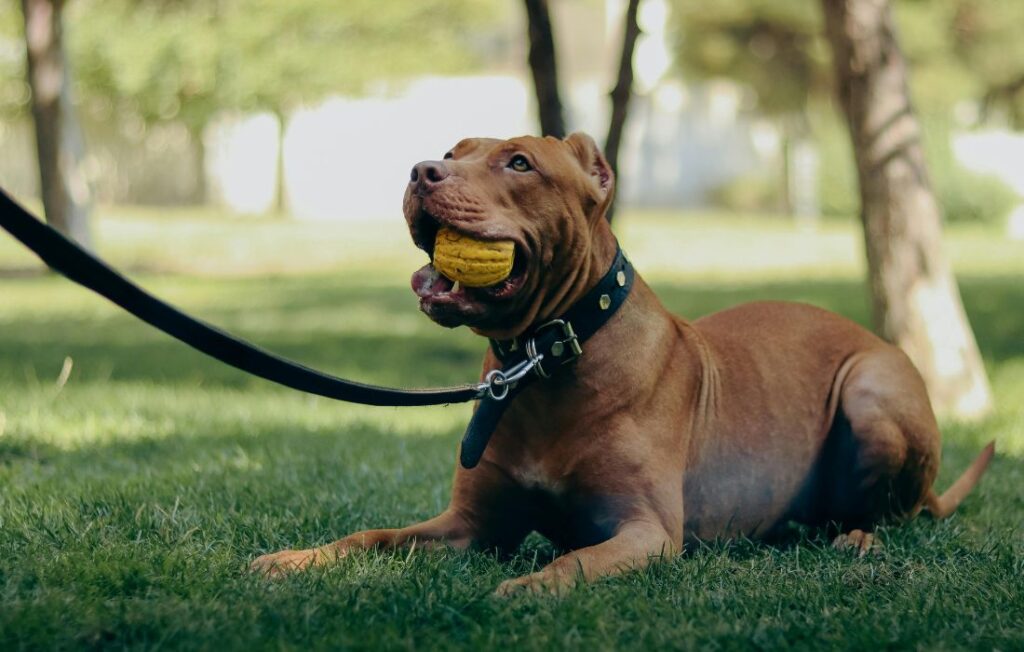
Collars and leashes are way more than just cute accessories. They’re what you use to keep your dog safe and under control. A collar is how you attach your dog’s ID tags and leash, yeah, but it’s also how you talk to your dog. It tells them, Hey, I’m in charge, and you’re safe with me, especially when you’re out for a walk.
And the leash? That’s how you keep your dog right by your side, mostly when you’re around other people or in places where there’s a lot going on. When you get the right collar and leash combo, your dog will feel better, and it will be easier to handle any behavior problems while staying safe on your walks.
Types of Dog Collars
Choosing the right collar for your dog is critical, as different types offer varying benefits depending on your dog’s size, breed, and specific needs. Let’s explore the most common types of dog collars.
Flat Collars
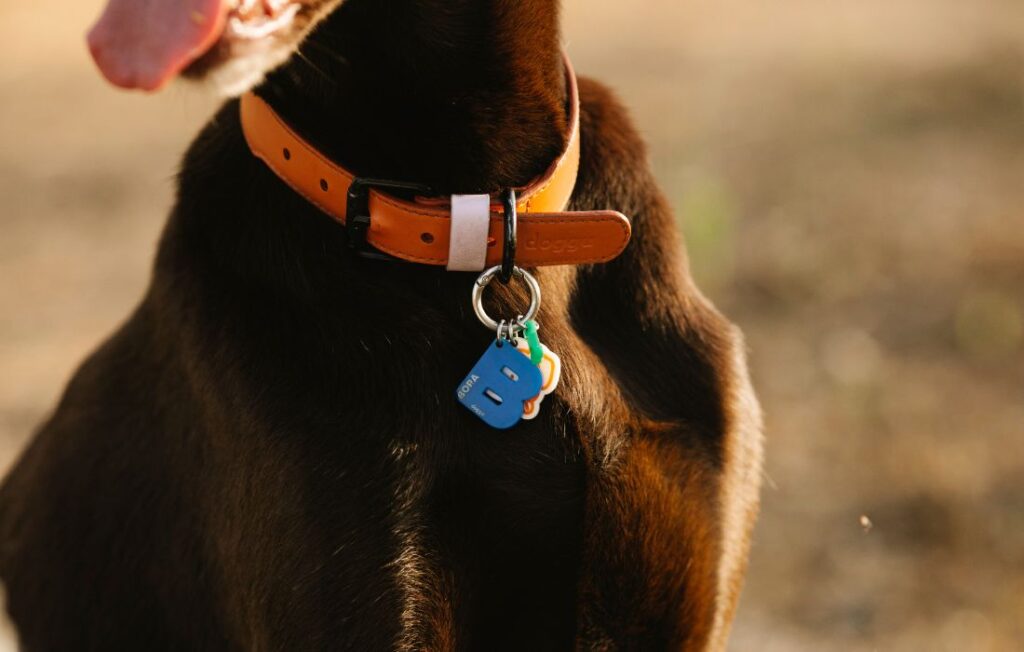
Flat collars are the most commonly used type of dog collar. They are adjustable and are typically made of nylon or leather. These collars come with a buckle or plastic clasp for easy fastening. Flat collars are ideal for everyday use and are great for dogs that are well-behaved and not prone to pulling.
Pros:
- Comfortable for daily wear
- Adjustable to fit most dogs
- Allows for easy attachment of ID tags and a leash
Cons:
- Not suitable for dogs that pull on the leash
- Can slip off if not adjusted properly
Martingale Collars
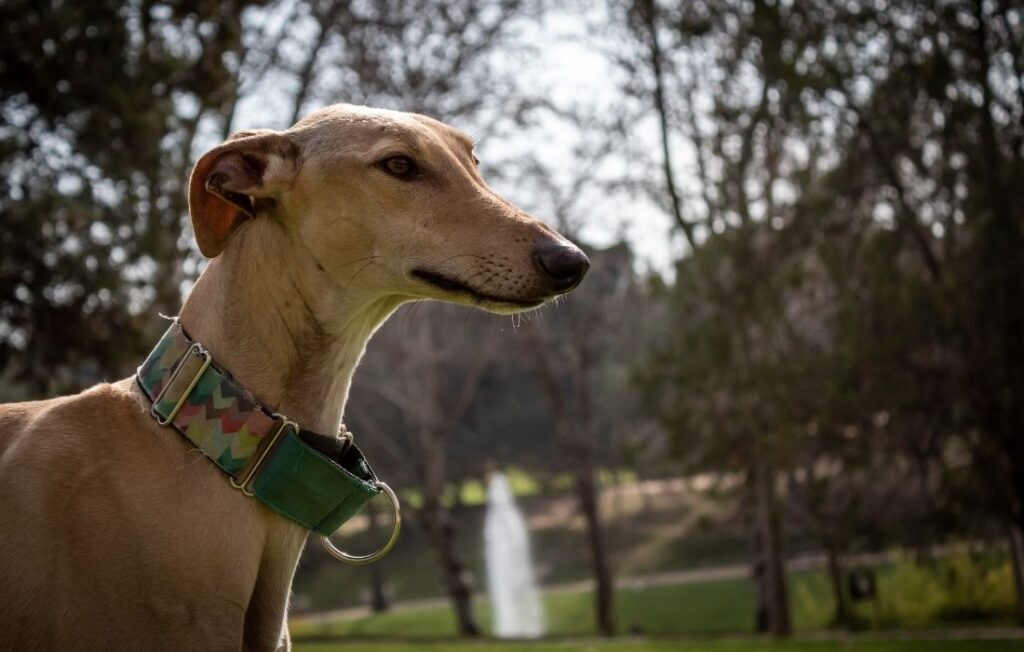
Martingale collars are designed for dogs with narrower heads, such as Greyhounds, Whippets, and other sighthounds. They have a unique design that prevents them from slipping off while providing a gentle but firm correction when the dog pulls. When the dog pulls, the collar tightens slightly, but it won’t choke the dog.
Pros:
- Ideal for dogs with narrow heads
- Provides more control without choking the dog
- Safe for dogs that tend to slip out of flat collars
Cons:
- May not be suitable for dogs that are already trained on a flat collar
- Requires proper fitting to be effective
Head Collars
Head collars (like the Gentle Leader) are designed to fit around your dog’s nose and neck, similar to a horse halter. They offer excellent control and are often recommended for dogs with aggressive behavior or those who are difficult to control on walks.
Pros:
- Provides superior control without harsh pulling
- Ideal for strong dogs or dogs with leash aggression
- Reduces pulling and lunging behavior
Cons:
- Can take some time for the dog to get used to wearing it
- Some dogs may resist wearing head collars
Harnesses
Harnesses are designed to distribute pressure evenly across a dog’s body rather than concentrating it on the neck. They are particularly beneficial for small or brachycephalic breeds (such as Bulldogs or Pugs) that may be prone to neck injuries. Harnesses are also the go-to choice for dogs with pulling issues.
Pros:
- Gentle on the dog’s neck and spine
- Ideal for dogs with respiratory issues or neck sensitivity
- Great for training purposes
Cons:
- Some dogs may find them restrictive
- Can be more difficult to put on than a traditional collar
GPS Collars
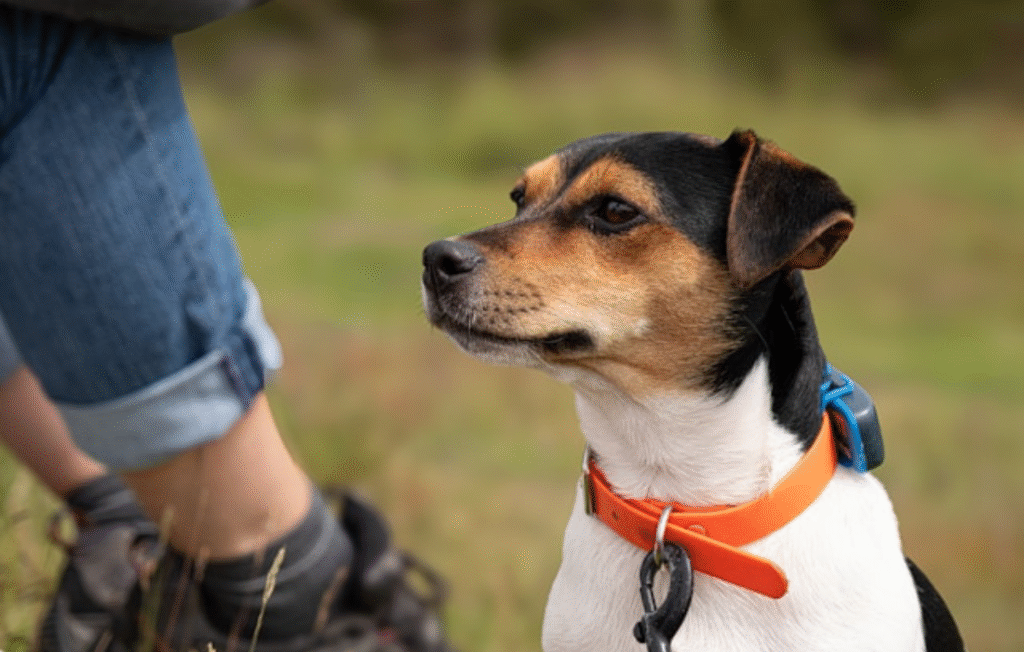
GPS collars are an innovative and highly effective option for pet owners who are concerned about losing their dog. These collars contain a GPS tracking device that allows you to monitor your dog’s location in real-time via a smartphone app.
Pros:
- Provides peace of mind by tracking your dog’s location
- Perfect for escape-prone dogs
- Great for hiking or camping trips
Cons:
- Typically more expensive than standard collars
- Requires a subscription for tracking services
Training Collars
Training collars, also known as e-collars or shock collars, are designed for more advanced training. These collars deliver a mild shock, vibration, or tone to correct undesirable behavior, such as excessive barking or jumping. They are commonly used in dog obedience training but should be used cautiously and under the guidance of a professional trainer.
Pros:
- Effective for training stubborn dogs
- Offers remote control of behavior
- Adjustable stimulation levels
Cons:
- Can cause harm if used incorrectly
- Not recommended for inexperienced dog owners
Choosing the Right Dog Collar for Your Pet
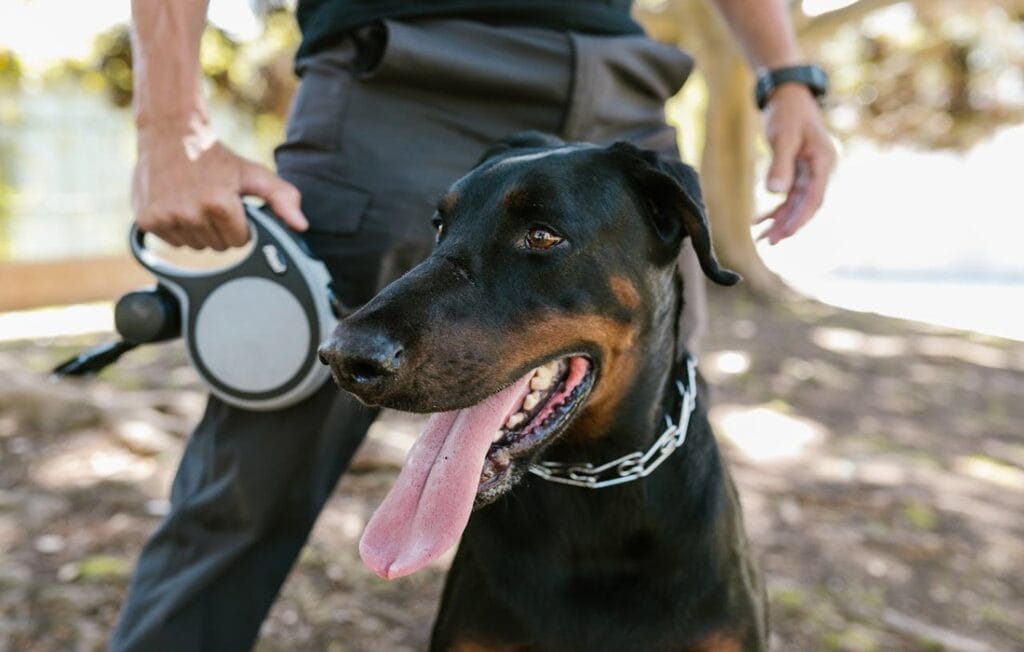
When selecting a collar for your dog, it’s important to consider several factors to ensure that it fits properly and suits your dog’s needs. Here’s a breakdown of key considerations:
Factors to Consider
- Size and Breed: The size and breed of your dog will determine the type of collar and leash you need. Small dogs may benefit from a lightweight flat collar, while larger breeds may require a more durable martingale or harness.
- Behavior and Training: If your dog tends to pull, a harness or head collar may be the best option. For training purposes, you may need a collar designed for behavior correction.
- Comfort and Fit: Make sure the collar isn’t too tight or too loose. You should be able to fit two fingers between your dog’s neck and the collar.
- Material: Collars come in various materials, including nylon, leather, and cotton. Consider durability, comfort, and aesthetics when choosing the material.
How to Measure Your Dog for a Collar
To ensure the best fit, measure your dog’s neck with a soft measuring tape. Add about 1-2 inches to the measurement to ensure there’s enough room for comfort without being too loose.
Common Mistakes to Avoid
- Using a collar that is too tight or too loose.
- Choosing a collar that doesn’t suit your dog’s behavior or training needs.
- Not considering the collar’s material, which can affect comfort and durability.
Types of Dog Leashes

Just like collars, choosing the right leash for your dog is crucial for safety, control, and comfort. Below are the most common types of dog leashes:
Standard Leashes
Standard leashes are typically made of nylon, leather, or cotton and range in length from 4 to 6 feet. They offer full control and are ideal for daily walks and basic training.
Pros:
- Simple and easy to use
- Provides good control over your dog’s movements
Cons:
- Can be restrictive for dogs who need more space to roam
Retractable Leashes
Retractable leashes allow your dog to roam more freely while still being attached to you. These leashes extend and retract depending on the dog’s movement, giving them more space to explore while allowing you to reel them in when necessary.
Pros:
- Great for allowing your dog to explore more freely
- Ideal for well-trained dogs
Cons:
- Can be dangerous if not used properly
- Not ideal for training or dogs who tend to pull
Long Leashes
Long leashes are ideal for training or letting your dog explore in an open area while still keeping them under control. These leashes are typically 10 to 30 feet long and are great for recall training.
Pros:
- Perfect for training, especially in open areas
- Allows the dog more freedom to explore
Cons:
- Can be cumbersome and harder to manage than shorter leashes
Training Leashes
Training leashes are often used in obedience training to teach dogs to walk properly on a leash or to correct pulling behavior. They are typically shorter (4-6 feet) and made from strong, durable materials.
Pros:
- Helps teach leash manners and proper walking
- Good for behavior correction
Cons:
- Limited freedom for the dog
- Not suitable for dogs who enjoy long-distance walks
Hands-Free Leashes
Hands-free leashes are worn around the waist, allowing you to walk your dog without needing to hold the leash. They are ideal for active pet owners who jog, hike, or need to keep their hands free.
Pros:
- Convenient for active pet owners
- Provides more freedom for the dog and owner
Cons:
- Less control over the dog, especially in crowded or high-traffic areas
How to Choose the Best Dog Leash
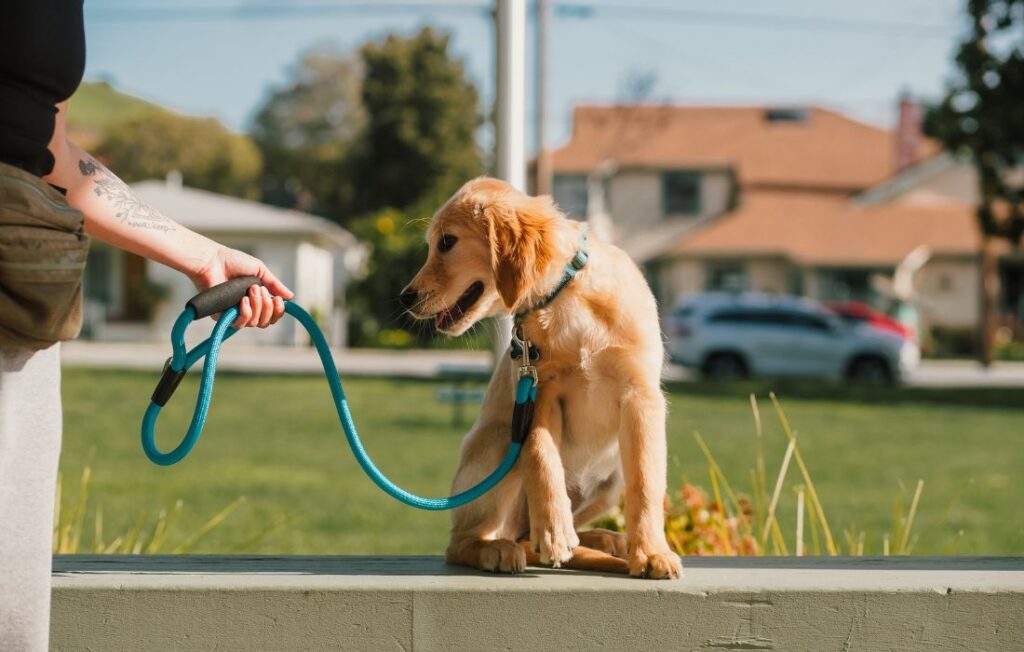
When choosing the best leash for your dog, consider these important factors:
- Leash Length: A shorter leash (4-6 feet) gives you better control over your dog, while a longer leash (10-30 feet) allows for more freedom.
- Material Options: Leashes come in nylon, leather, cotton, and even biothane. Nylon is durable and lightweight, while leather is strong and stylish. Cotton is soft but less durable.
- Safety Features: Look for leashes with reflective strips for night walks, or leashes with padded handles for comfort.
Training Your Dog with Collars and Leashes
Proper leash training is crucial to ensure safe and enjoyable walks with your dog. Start by using a collar and leash combination that suits your dog’s needs, then practice basic commands like “sit,” “stay,” and “heel.” Consistency and positive reinforcement are key to successful leash training.
Basic Leash Training
- Use a short, standard leash to keep your dog close to you.
- Reward your dog with treats and praise for walking beside you.
- Avoid yanking or pulling on the leash; instead, gently guide your dog back to your side if they pull.
Teaching Your Dog to Walk on a Leash
- Start in a quiet area without distractions.
- Use a calm, firm voice to give commands.
- Gradually increase the difficulty by walking in busier environments.
Correcting Pulling Behavior
If your dog pulls on the leash, consider using a harness or martingale collar that provides more control. Reward your dog when they walk calmly beside you to reinforce good behavior.
Maintaining and Caring for Dog Collars and Leashes
Proper care and maintenance are essential to ensure the longevity of your dog’s collar and leash. Regular cleaning and inspections can prevent wear and tear, and ensure they remain safe to use.
How to Clean and Maintain Dog Collars
- Nylon Collars: Hand wash with mild soap and warm water, and let air dry.
- Leather Collars: Clean with a damp cloth and treat with leather conditioner to keep the material supple.
- Check for Wear: Regularly inspect the collar for fraying, tears, or loose stitching.
How to Clean and Maintain Dog Leashes
- Nylon Leashes: Wash with warm water and mild detergent, then air dry.
- Leather Leashes: Wipe with a damp cloth and apply leather conditioner.
- Inspect for Damage: Look for signs of wear or fraying, especially near the clip.
Signs It’s Time to Replace Your Collar or Leash
- Fraying or Breaking: If the collar or leash shows signs of significant wear or damage, it’s time to replace it.
- Loss of Functionality: If the buckle or clasp is malfunctioning, don’t risk using it.
Best Dog Collars and Leashes for Different Breeds
Every dog is unique, and the best collar and leash combination will depend on their breed, size, and temperament:
- Collars for Small Breeds: Small dogs need lightweight, adjustable collars that are comfortable and don’t add too much weight to their neck. Nylon or soft leather collars work best.
- Collars for Large Breeds: Large dogs require strong, durable collars, like heavy-duty nylon or leather collars. A martingale collar or harness can offer more control.
- Leashes for Active Dogs: Active dogs benefit from retractable or hands-free leashes that allow for more freedom while still maintaining control.
Final Thoughts
Picking the right collar and leash is more than just a fashion statement—it’s about keeping your dog safe and comfy. A good collar and leash combo gives you better control, helps with training, and makes walks more fun, whether you’re just going around the block or hitting the trails.
Make sure the collar fits well; it should be snug but not too tight. The leash needs to let you guide your dog without restricting their movement. Look for quality gear and remember to check it regularly to keep it in good shape.
In the end, the best collar and leash match your dog’s needs and help make your walks safer and more enjoyable for both of you. With the right gear, you can make every walk a great experience and strengthen your bond. Have a great time walking!


Be the first to leave a comment