


Off-Leash Canine Training: A Complete Guide to Dog Freedom
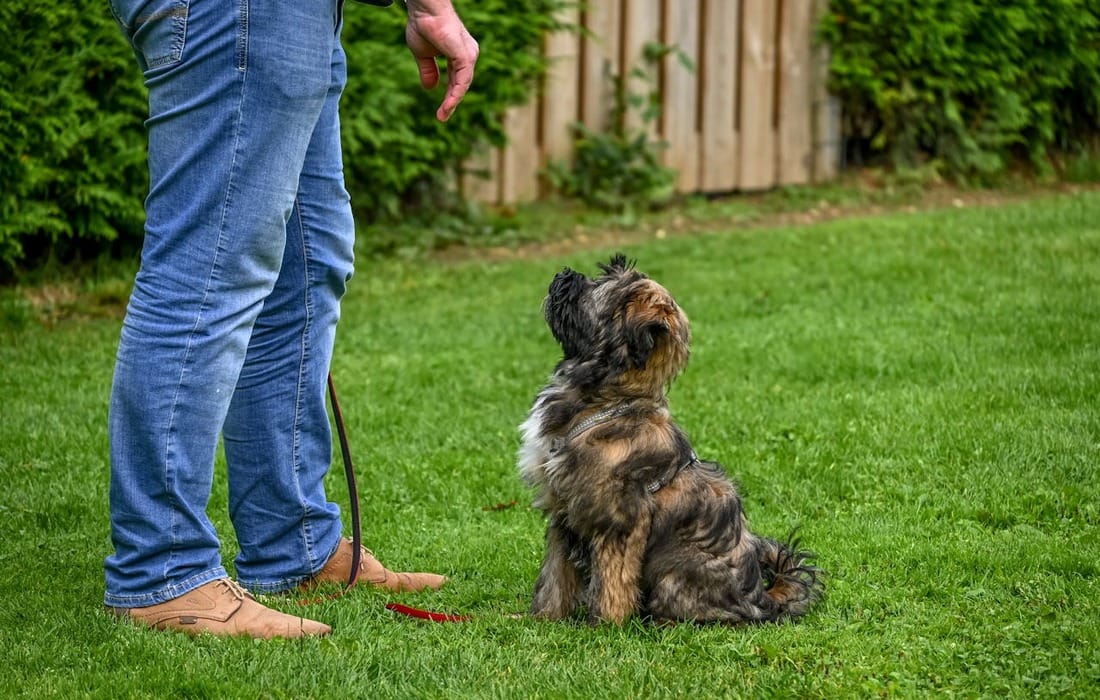
Okay, so you’re dreaming about letting your dog run free without a leash, right? It’s a nice thought – your dog having a blast in the park. Thing is, it’s not as simple as unclipping the leash. Training them to be off-leash takes time, being patient, and doing it the right way. Why bother? Well, your dog gets more freedom, you two get closer, and it can actually make them behave better and stay safer. And the cool thing is, you can totally do it if you train them right.
In this guide, I’m going to tell you how to train your dog to be off-leash, from the easy stuff to the harder ones, and make sure it’s good for both you and your pup.
What’s Off-Leash Training?
Off-leash training it’s teaching your dog to listen and do what you say even without a leash. It’s not just walking without a leash; it’s making sure they listen no matter where you are or what’s going on around you. Whether you’re at the park, hiking, or just in your yard, you want your dog to be safe and act right, even without a leash.
The trick to getting it right is trust and talking to each other. The better you and your dog get along, the better they’ll act, even off-leash.
Why Train Your Dog to Be Off-Leash?
There are plenty of reasons why off-leash training can be a game-changer for both you and your dog. Here’s why you might want to give it a try:
- Better Recall & Safety
- A strong recall (getting your dog to come back when called) is critical in emergencies, like if they run towards a busy street or encounter a wild animal. With off-leash training, you can quickly call your dog back to you, helping to keep them safe.
- Freedom and Confidence for Your Dog
- Dogs love to explore. Giving your dog the freedom to roam and sniff around can do wonders for their confidence. It reduces anxiety and helps them develop better social skills.
- Strengthened Bond
- Off-leash training requires a lot of communication and patience. As you work together, your bond with your dog will grow stronger. They’ll learn to trust you, and you’ll enjoy the rewards of having a well-behaved dog.
- Improved Behavior
- Dogs that are always on a leash can develop leash frustration or reactivity. Off-leash training lets them learn how to behave calmly and stay focused, even when distractions are present.
- More Fun Activities
- With off-leash control, your dog can join you on fun adventures like hiking, running, or playing in the park. They’ll get more out of the experience when they’re free to roam and explore.
The Essential Steps to Off-Leash Training
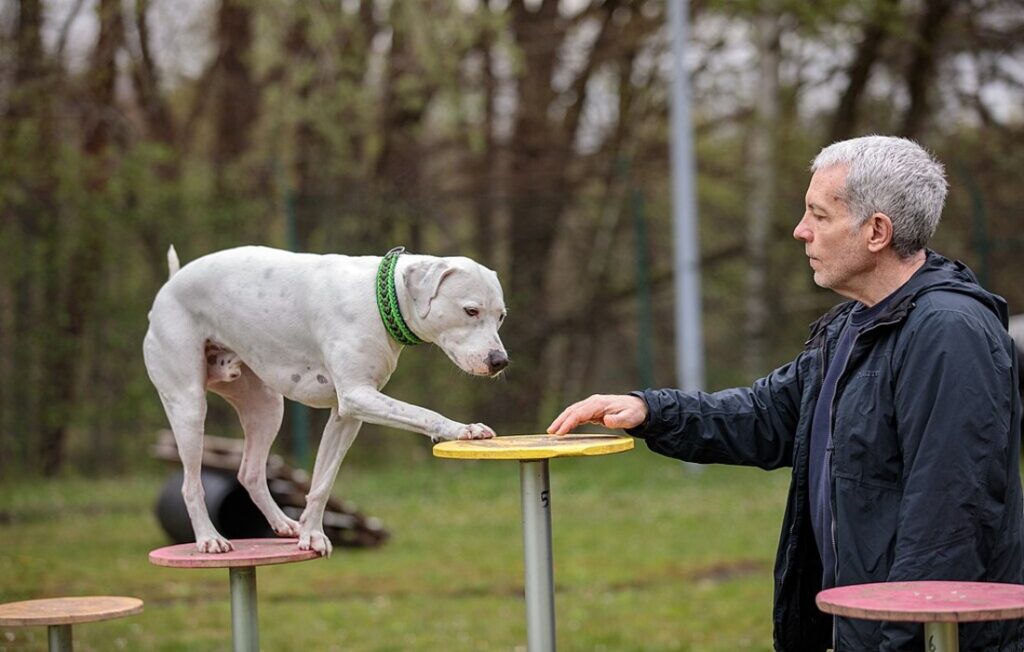
Training your dog to be off-leash isn’t something that happens overnight. It’s a gradual process that builds on trust and consistent practice. Here’s a roadmap to guide you through the journey:
Step 1: Start with Basic Obedience
Before you even think about taking the leash off, your dog needs to have a solid grasp of basic commands like:
- Sit
- Stay
- Come
- Down
- Heel
These are the foundational commands that will make off-leash training possible. If your dog doesn’t reliably follow these commands while on a leash, they won’t be ready to go off-leash just yet. Focus on mastering these first.
Step 2: Master Leash Training
Leash training is your dog’s first step toward being off-leash. They need to learn how to walk calmly by your side without pulling, as well as how to follow your cues. If they’re constantly pulling on the leash, it’ll be harder to transition to off-leash training. So, work on leash manners before moving forward.
Step 3: Introduce a Long Leash
Once your dog is doing well with basic obedience and leash walking, it’s time to introduce a long leash (or training lead). A long leash gives your dog more freedom to roam but still allows you to maintain control. Use this to practice recall and other commands, gradually increasing the distance between you and your dog.
While using the long leash, reward your dog with treats, praise, and play when they follow your commands. If they don’t respond, gently reel them in and try again.
Step 4: Focus on Recall and Stay
A reliable recall is key to successful off-leash training. Start practicing “come” and “stay” with the long leash, rewarding your dog when they return to you on command. As they get more consistent, try practicing “stay” at greater distances.
The goal is to eventually be able to call your dog back to you even from far away, even if there are distractions like other dogs or people nearby.
Step 5: Start Off-Leash in a Safe Area
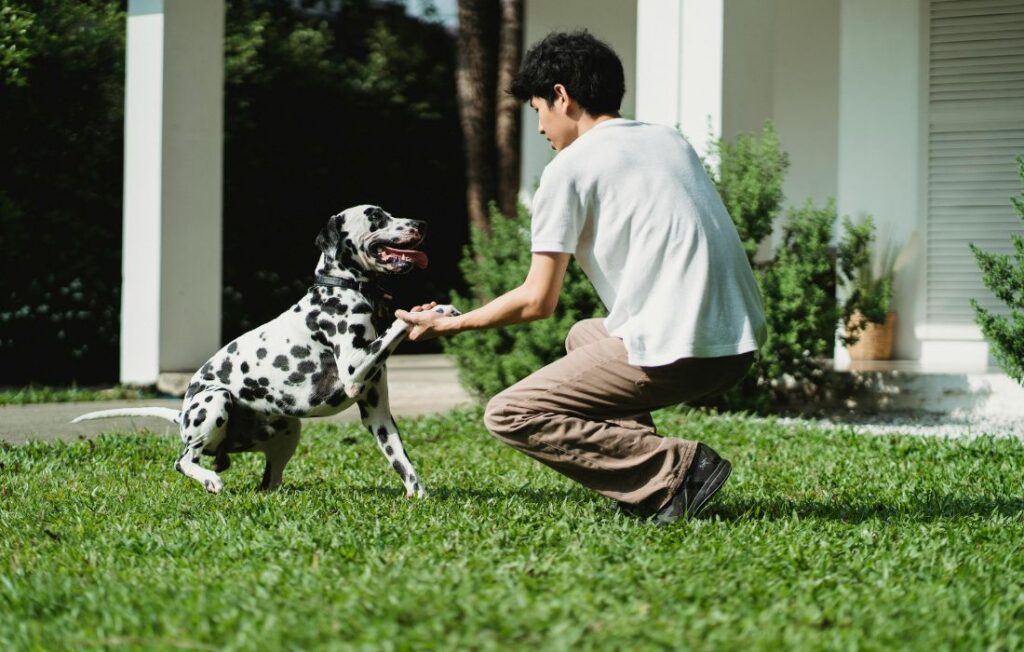
When your dog is consistently responding to commands with the long leash, it’s time to try some off-leash work. Start in a safe, enclosed area like your backyard or a dog park with few distractions. Let your dog roam freely, but continue practicing basic commands. Reward them for good behavior with treats and praise.
As your dog gets more comfortable, you can start introducing more distractions and moving to larger, open areas like parks or beaches. If you’re unsure how they’ll react, keep them on a long leash or harness for extra safety.
Step 6: Practice in the Real World
To get truly reliable off-leash behavior, your dog needs to prove they can follow commands in real-world situations. This is called proofing, and it’s all about practicing obedience in different environments with varying levels of distractions.
Practice in busy parks, near traffic, or around other dogs. Each time your dog successfully follows a command despite the distractions, reward them generously. This process takes time, so be patient.
Step 7: Gradual Off-Leash Freedom
Once your dog has consistently demonstrated reliable recall and obedience in a variety of environments, you can start giving them more freedom. Let them explore off-leash in safe areas, always keeping a close eye on them. Be ready to call them back if they wander too far or get into a potentially risky situation.
Even when your dog is off-leash, keep them in safe environments, especially while they’re still learning. Their off-leash reliability will improve with time and experience.
Troubleshooting Common Challenges
Off-leash training is rewarding, but it can come with challenges. Here’s how to tackle some common hurdles:
- Distractions
- Dogs love distractions—other animals, people, smells, you name it. If your dog is distracted, take a step back and practice in less stimulating environments. Gradually increase the level of distraction as your dog improves.
- Fear of Straying
- Some dogs are naturally more cautious and may hesitate to venture too far from you. Encourage exploration with treats or toys, and slowly build their confidence.
- Inconsistent Training
- Consistency is key. Make sure you’re practicing regularly and reinforcing commands in the same way each time. This helps your dog understand what’s expected.
- Running Away
- Some dogs, especially those with a high prey drive, might be tempted to run off. If this happens, don’t punish your dog. Instead, focus on strengthening their recall and gradually building more control.
Wrapping Up
Off-leash training takes time, but if you’re patient and give them treats when they do well, you can do it. You want to teach them to listen, let them have more freedom little by little, and make sure they always listen to you.
In the end, it’s not just about letting your dog run free. It’s about trusting each other, talking to each other, and making sure your dog is safe and happy.


Be the first to leave a comment