


Reactive Dogs Explained: Symptoms, Triggers, and How to Help
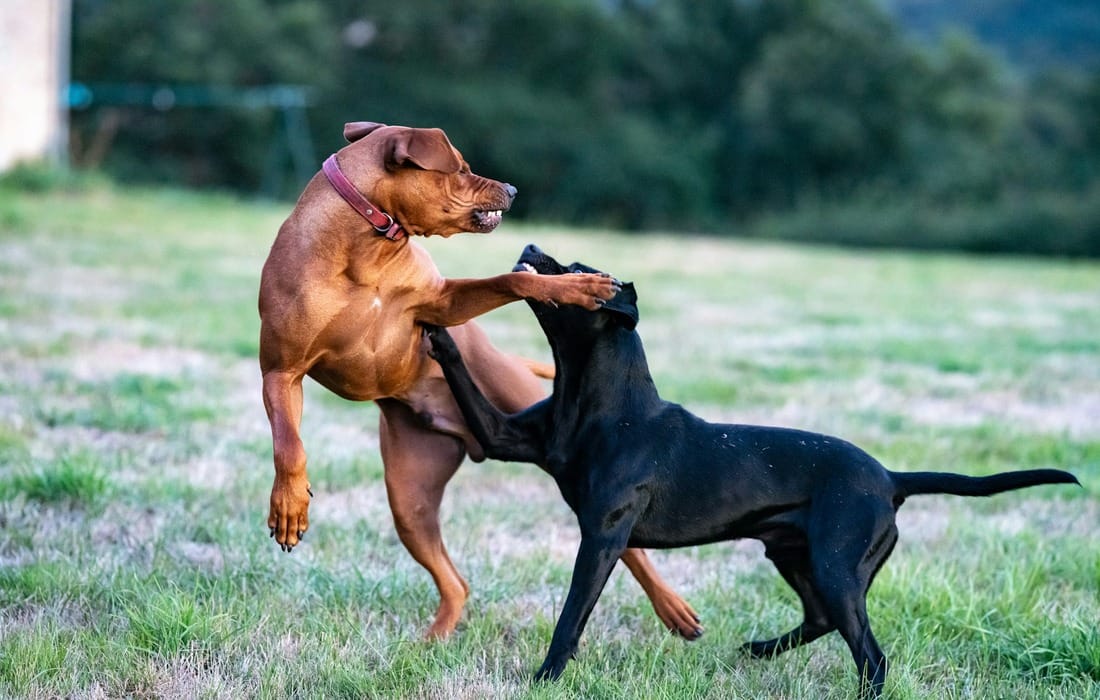
Dealing with a reactive dog can be super frustrating. Knowing what makes them tick – what sets them off and how they act – can really improve things for both you and your pup. Let’s check out what reactive dogs are all about, what the usual signs are, what usually triggers them, and, most importantly, what you can do to chill them out and help them live their best life.
What’s a Reactive Dog?
Basically, it’s a dog that overreacts to things that bug it – think fear, too much excitement, or even aggression. You might see them barking like crazy, trying to lunge, growling, or just trying to hide. But, just because a dog is reactive doesn’t automatically mean it’s aggressive. Usually, they’re just feeling scared or overwhelmed.
A reactive dog isn’t a bad dog. Often, it’s because they’re anxious, weren’t socialized well as pups, or had some rough times in the past. They might get reactive when they’re scared, annoyed, or just don’t know how to handle a situation. But don’t worry, with some time and training, things can get better.
Symptoms of Reactive Dogs
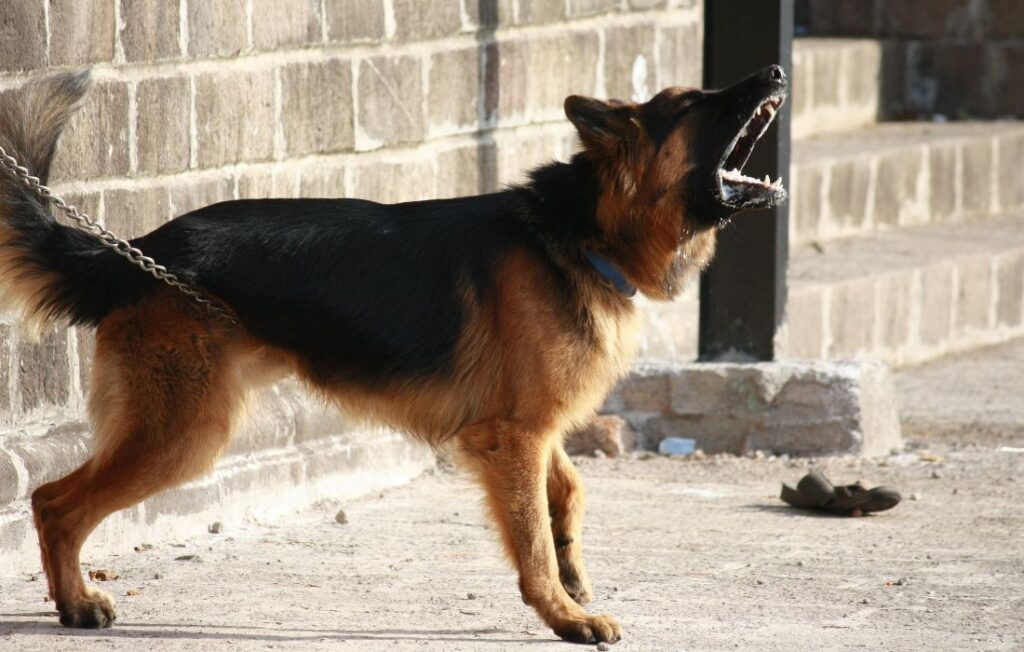
Reactive dogs act in many ways. How they act depends on the dog and what’s going on, but here are the usual things they do:
1. Barking and Lunging
A big sign of a reactive dog is lots of barking or quickly moving forward, mostly when they see something that bothers them. This might be when you’re walking, if they see another dog, or when they meet someone new. Usually, they do this because they’re annoyed, scared, or too excited, not because they want to fight.
2. Growling or Snapping
If your dog growls, it might feel scared. Dogs do this when they aren’t sure about another dog or someone. Growling means your dog wants more space or is worried
3. Tense Body Language
A reactive dog might have a tense body. It may get stiff, raise the fur on its back, or keep its tail straight. This means the dog is paying close attention and might not like what’s happening. It’s how they get ready if something bad might happen.
4. Over-excitement
Not all reactive dogs are scared. Some just get too excited, mostly when they see other dogs or people. These dogs might jump, bark really loud, or pull on the leash. It’s not as bad as when they act aggressive, but it can still be hard to handle.
5. Avoidance
Some reactive dogs try to stay away from things that make them nervous. They might move away from what bothers them or try to hide behind you. This means they’re scared, and it usually happens when a dog feels like there’s too much going on around them.
6. Breaking Things at Home
Reactive dogs might also break things at home. If a dog is alone or stressed, it might chew on furniture, dig, or pee inside. Usually, they do this because they’re nervous or annoyed.
Common Triggers for Reactivity
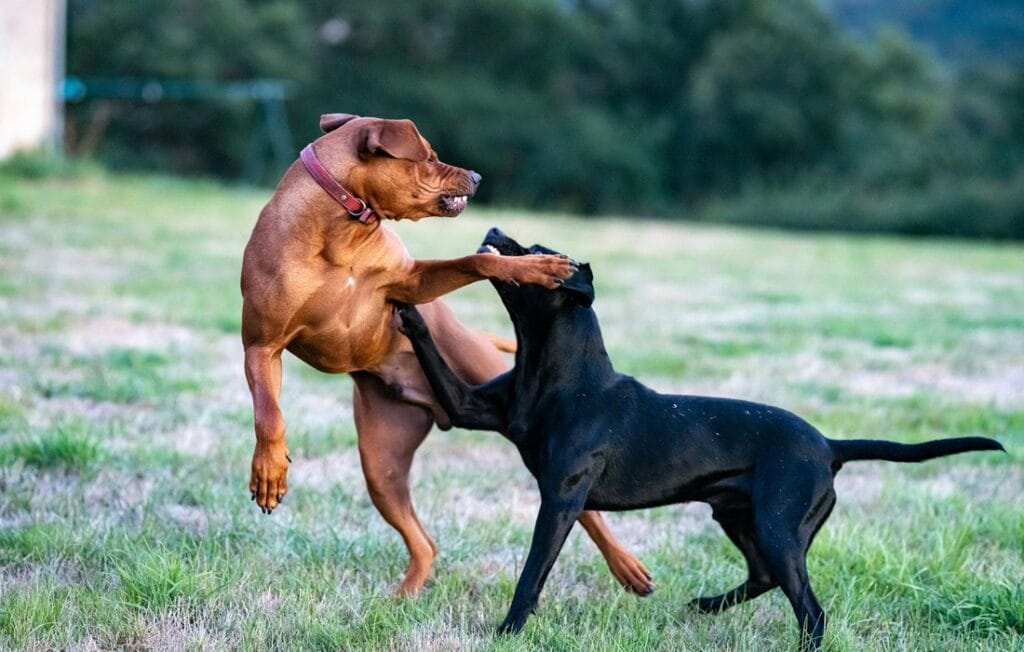
Lots of things can set off a dog and cause him to act out. These triggers often cause the behaviors above. Knowing what makes your dog react can help you handle these situations and make your dog less stressed.
1. Other Dogs
For many dogs, other animals are a big trigger. Dogs that didn’t get enough time with other dogs when they were young or have had bad times with other dogs might bark, lunge, or growl when they see another dog. This can happen when you’re walking, at the dog park, or even if there’s a fence between them.
2. Strangers and New People
Dogs who aren’t used to meeting new people might get reactive when they do. If your dog hasn’t met many new faces, they might feel scared or like they need to protect you. This may cause them to growl, bark, or hide when someone they don’t know comes near.
3. Loud Noises
Dogs may also react to loud noises, like fireworks, storms, or construction. Some dogs are scared of loud noises, which can make them bark, shake, or hide. This kind of reactivity often comes from anxiety.
4. Leash Restraint
A lot of dogs get annoyed or worried when they’re on a leash. If they can’t move around freely, they might react by barking, pulling, or lunging at other dogs or people. Leash problems are a trigger for bad reactions, especially for dogs that haven’t been taught how to act on a leash.
5. Certain Environments
Too much going on can also be a trigger. If your dog is in a busy or crowded place, they might get stressed out. This could be places with many people, cars, or noises, like parks or roads in a city. Dogs that aren’t used to these spots might react because they’re stressed.
6. Fear of the Unknown
Reactivity can also come from a dog being scared of things they don’t know. Dogs that aren’t used to new stuff may react with fear. Changes at home, like moving furniture or changing the routine, can also cause worry.
How to Help a Reactive Dog
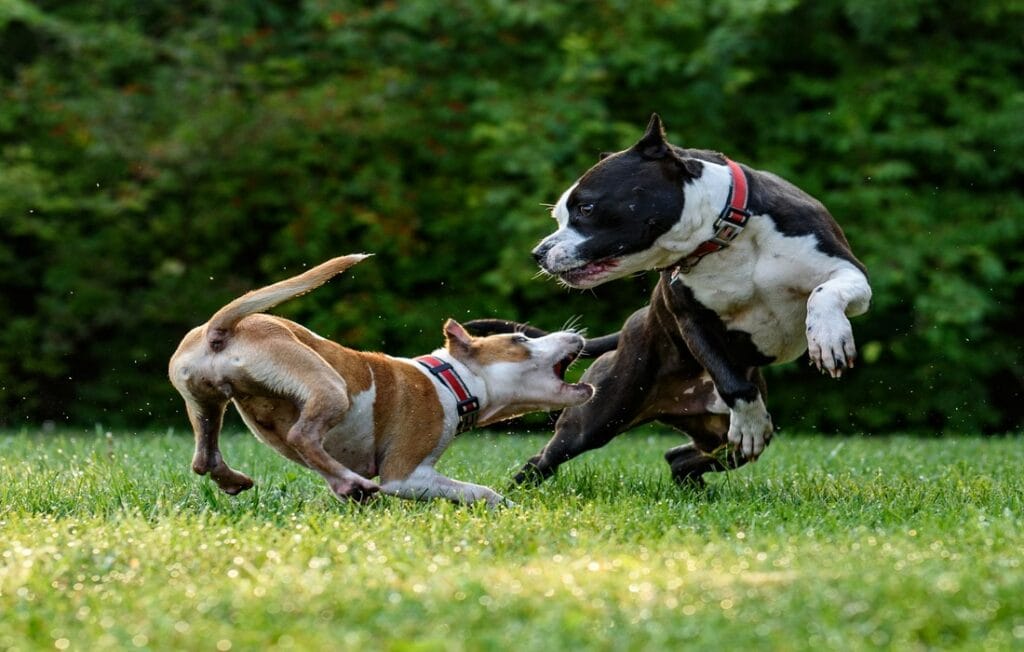
Dealing with a reactive dog can be tough, but there are things you can do to help. With some time, patience, and the right training, many dogs can learn to chill out.
1. Getting Social
Getting your dog used to different situations is super important, especially for reactive dogs. Showing them new people, dogs, and places in a safe way helps them feel better about the world around them. If you have a puppy, try to get them out at about between 8 and 16 weeks old. If you have an adult dog, slowly introduce them to the things that freak them out.
Start with easy, low-stress situations. As your dog gets braver, make it a bit harder. Always give them treats, tell them they’re good, or give them a toy when they’re calm to let them know they’re doing a good job.
2. Desensitization and Counter-Conditioning
Desensitization involves exposing your dog to a trigger at a low intensity, gradually increasing the exposure. Counter-conditioning pairs a trigger with something positive, like treats, to change your dog’s emotional response. So in simpler terms you need to help your dog get used to triggers by showing them at a low level, then slowly turn it up.
Also, pair those triggers with something good, like snacks. For example, if your dog gets wild around other dogs, start by showing them other dogs from far away and reward them when they’re calm. Slowly get closer as they feel better.
3. Positive Reinforcement Training
Training with positive reinforcement is a great way to train a reactive dog. When your dog stays calm around something that usually sets them off, give them a reward. If they’re chill around another dog, give them a treat right away. This teaches them that being calm gets them good stuff, which can help them be less reactive over time.
4. Leash Training and Management
Leash reactivity is a common issue, but you can handle it with the right training. Make sure your dog walks calmly. If they pull or jump, gently bring them back to a relaxed position. Use a harness that helps stop pulling and keep the leash loose. Practicing loose-leash walking helps avoid frustration and teaches your dog to stay calm on walks.
5. Create a Safe Space
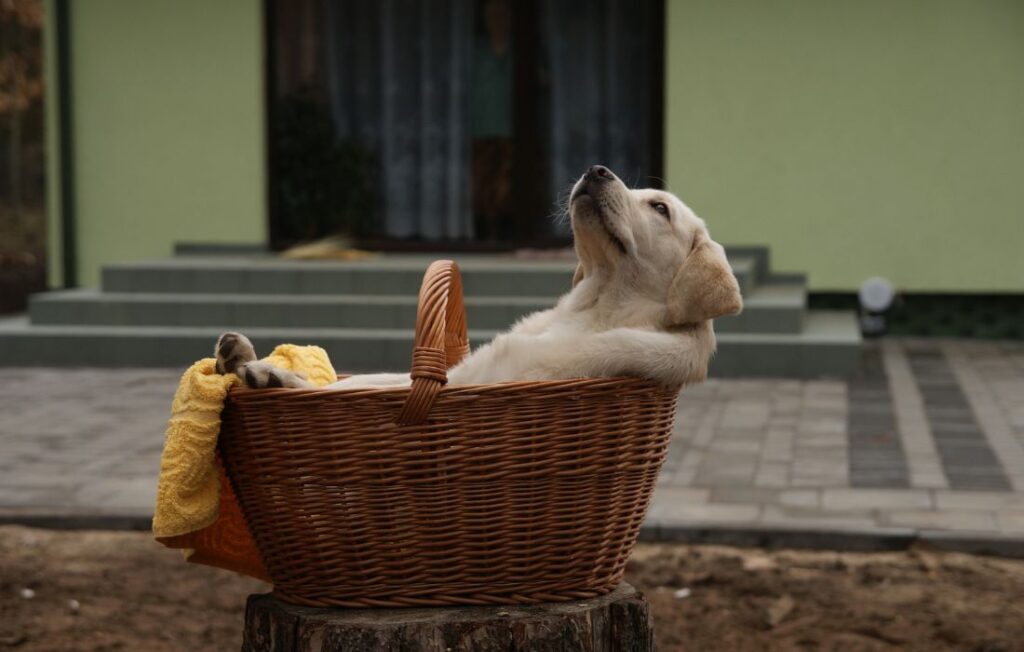
If your dog is feeling overwhelmed, give them a safe space to chill. This could be a crate, a quiet room, or just a corner where they feel safe. Having a place to retreat helps them de-stress when they’re anxious.
6. Ask a Pro
If your dog is super reactive or hard to handle by yourself, think about getting help from a dog trainer or behaviorist. They can figure out what’s going on with your dog and come up with a training plan just for them. They can guide you and give you good insight.
7. Medication for Anxiety
Sometimes, meds might be needed to help with bad anxiety. Talk to your vet about whether anti-anxiety meds or calming stuff might help your dog. Just remember, meds should always be used with training, not by themselves.
Final Thoughts
Dealing with a reactive dog can be tough, but it’s doable. If you figure out what sets your dog off and use positive training, you can boost their confidence and keep them calm. Keep in mind that it takes time, and every dog is different. Hang in there and keep at it. Your dog can chill out and behave better day to day.
Putting time into training and caring for your dog not only cuts down on their reactivity but also makes your bond even stronger. No matter if your dog is scared or just too hyped up, there are ways to help them handle things. With the right plan, you can help your dog be the calm, cool companion they’re meant to be.


Be the first to leave a comment