


DIY Dog Grooming: A Step-by-Step Guide for Dog Moms
As a proud dog mom, you know there’s nothing better than snuggling up to your freshly groomed pup. But professional grooming can be expensive, and trips to the groomer aren’t always convenient , especially if your dog gets anxious during car rides or in new places. The good news? You can safely groom your dog at home with the right tools, techniques, and a little patience.
In this guide, you’ll learn exactly how to groom your dog at home step by step from brushing and bathing to nail trimming and ear cleaning — plus tips to keep the process stress-free for both you and your fur baby.
Why DIY Dog Grooming Is Worth It
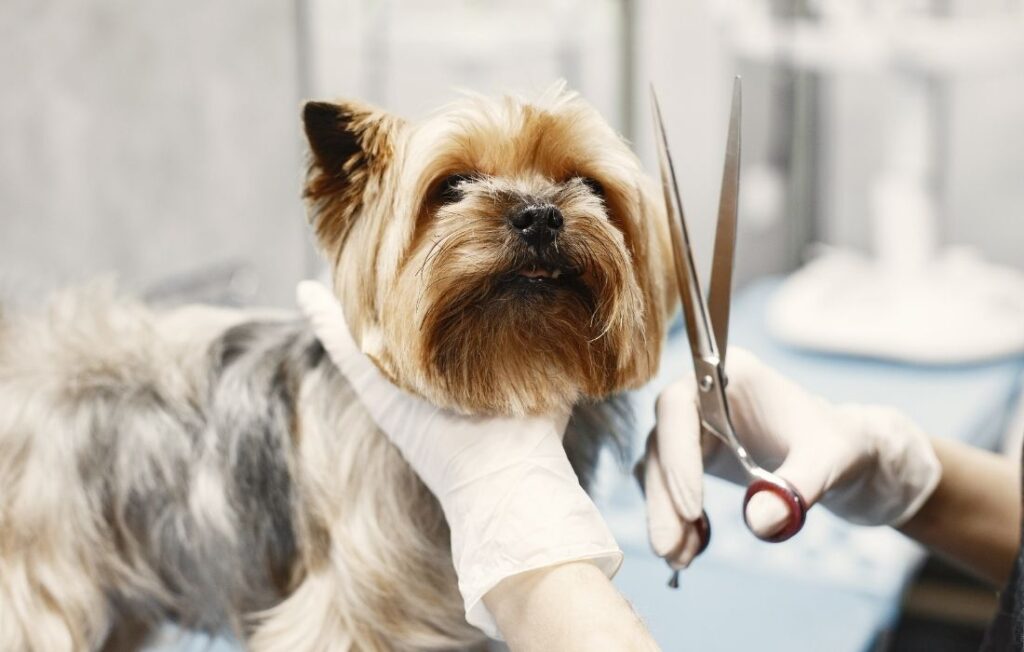
At home grooming is convenient for a variety of reasons:
- Saves money – Professional grooming can cost $50–$100+ per session. Doing it yourself means huge savings over time.
- Convenience – No appointments, no driving, no waiting.
- Stronger bond – Grooming is a great way to spend quality time with your pup.
- Personalized care – You know your dog’s needs, sensitivities, and quirks better than anyone.
- Less stress for anxious dogs – Familiar surroundings can keep your pup calm.
What You’ll Need for At-Home Grooming
Before you start, gather your supplies. Quality tools make the process easier and safer.
Essential Grooming Tools
- Brush or comb suited for your dog’s coat type (slicker brush for long hair, bristle brush for short hair)
- Dog-safe shampoo and conditioner (pH balanced for dogs — never use human shampoo)
- Towels and a non-slip mat for your grooming area
- Nail clippers or a nail grinder
- Ear cleaning solution and cotton balls/pads
- Dog toothbrush and toothpaste (never human toothpaste)
- Electric clippers (for haircuts, if needed)
- Detangling spray for long-haired breeds
Pro Tip: Lay everything out in one place so you don’t have to leave your dog mid-groom.
Step-by-Step DIY Dog Grooming
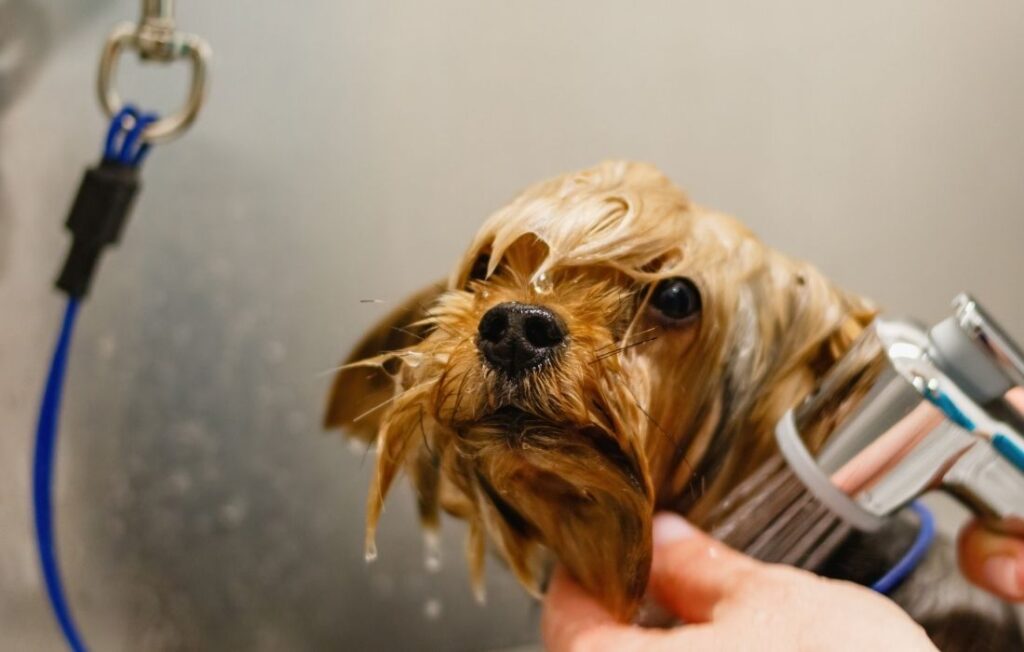
Step 1: Set Up a Calm, Safe Grooming Space
- Choose a quiet, well-lit area with enough room to move around.
- Use a non-slip mat on the floor or grooming table.
- Keep all tools within reach so you don’t have to leave your dog unattended.
Step 2: Brushing Your Dog’s Coat
Brushing removes tangles, dirt, and loose fur while distributing natural oils.
How to brush your dog:
- Start at the head and work toward the tail.
- Use gentle, long strokes for short coats, or small sections for long coats.
- Pay special attention to areas prone to mats (behind ears, under legs, tail base).
- If you hit a tangle, use a detangling spray and work it out gently.
Frequency:
- Short-haired dogs: 1–2 times a week
- Long-haired dogs: Daily or every other day
Step 3: Bathing Your Dog
Bath frequency depends on activity level and coat type (generally every 4–6 weeks).
Bathing steps:
- Brush your dog before the bath to remove tangles.
- Place your dog in the tub or a large sink with a non-slip mat.
- Wet their coat thoroughly with lukewarm water.
- Apply a small amount of dog-safe shampoo, lather, and massage into coat.
- Rinse completely to avoid skin irritation.
- Apply conditioner if needed, rinse again.
- Towel-dry or use a pet-safe blow dryer on low heat.
Pro Tip: Use a non-slip mat to keep your dog steady in the tub.
Step 4: Nail Trimming
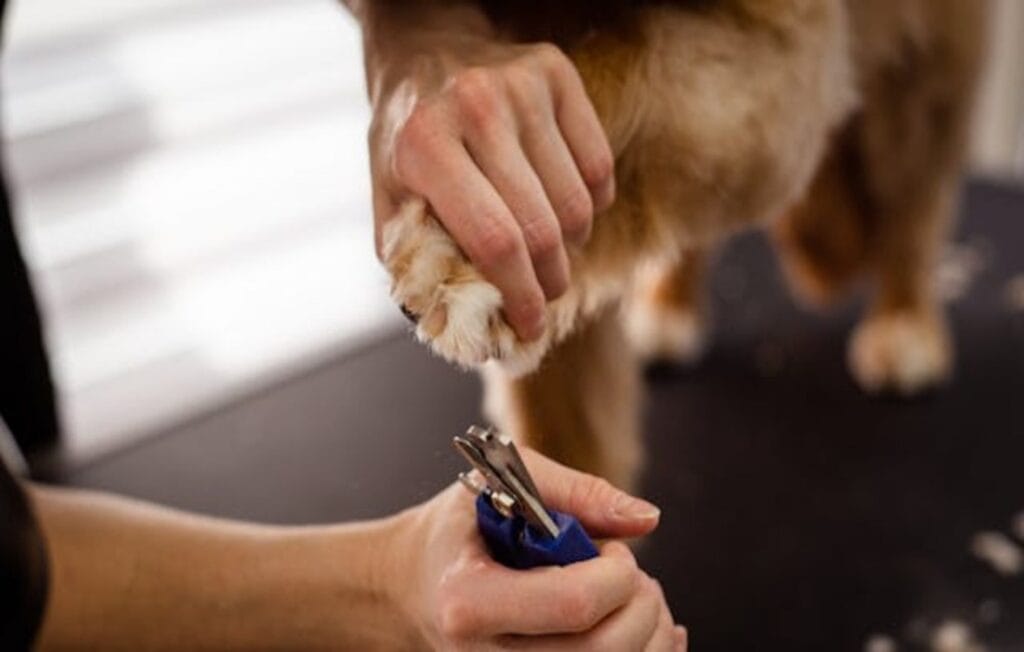
Keeping nails short helps prevent joint strain and injuries.
How to trim nails:
- Hold the paw gently but firmly.
- Clip small bits at a time, avoiding the quick (the pink area with blood vessels).
- If unsure, use a grinder for a slower, safer trim.
- Keep styptic powder handy in case of bleeding.
Frequency: Every 3–4 weeks.
Step 5: Ear Cleaning
Ear health is important to prevent infections, especially in floppy-eared breeds.
Ear cleaning steps:
- Moisten a cotton ball with dog ear cleaner.
- Gently wipe the outer ear canal.
- Never push anything deep into the ear.
- If ears smell bad or have discharge, see your vet.
Step 6: Dental Care
Dental health impacts your dog’s overall well-being.
Brushing your dog’s teeth:
- Use a dog-specific toothbrush and toothpaste.
- Start slow — let your dog taste the toothpaste first.
- Gently lift lips and brush in small circles.
- Aim for at least 2–3 times per week.
Step 7: Haircuts (If Needed)
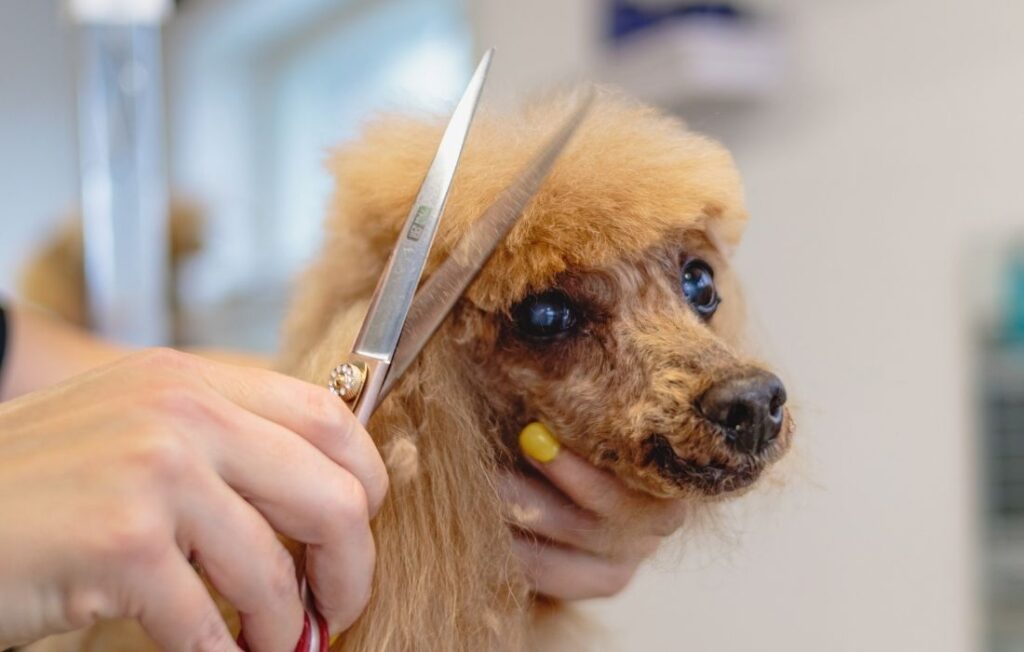
Not all breeds need haircuts, but if yours does:
- Use clippers with a guard comb.
- Always go slow, and keep blades cool.
- Focus on hygiene areas first (paws, around the eyes, sanitary areas).
- If your dog is nervous, try short sessions over several days.
Coat Care by Breed Type
Different breeds have different grooming needs.
- Short-haired breeds (Beagle, Boxer): Minimal brushing, occasional baths.
- Medium-haired breeds (Cocker Spaniel, Border Collie): Regular brushing, trimming as needed.
- Long-haired breeds (Shih Tzu, Maltese): Daily brushing, frequent trims.
- Double-coated breeds (Husky, Golden Retriever): Regular deshedding, no shaving.
Common DIY Grooming Mistakes to Avoid
- Using human shampoo – Can dry out and irritate skin.
- Clipping nails too short – Causes pain and bleeding.
- Skipping brushing before a bath – Mats tighten when wet.
- Rushing the process – Leads to stress for both of you.
- Ignoring your dog’s body language – Take breaks if they seem anxious.
How to Make Grooming a Positive Experience
- Offer treats and praise throughout the process.
- Start with short grooming sessions, gradually increasing time.
- Keep a calm, reassuring voice.
- End on a positive note — even if you didn’t finish everything.
When to See a Professional Groomer
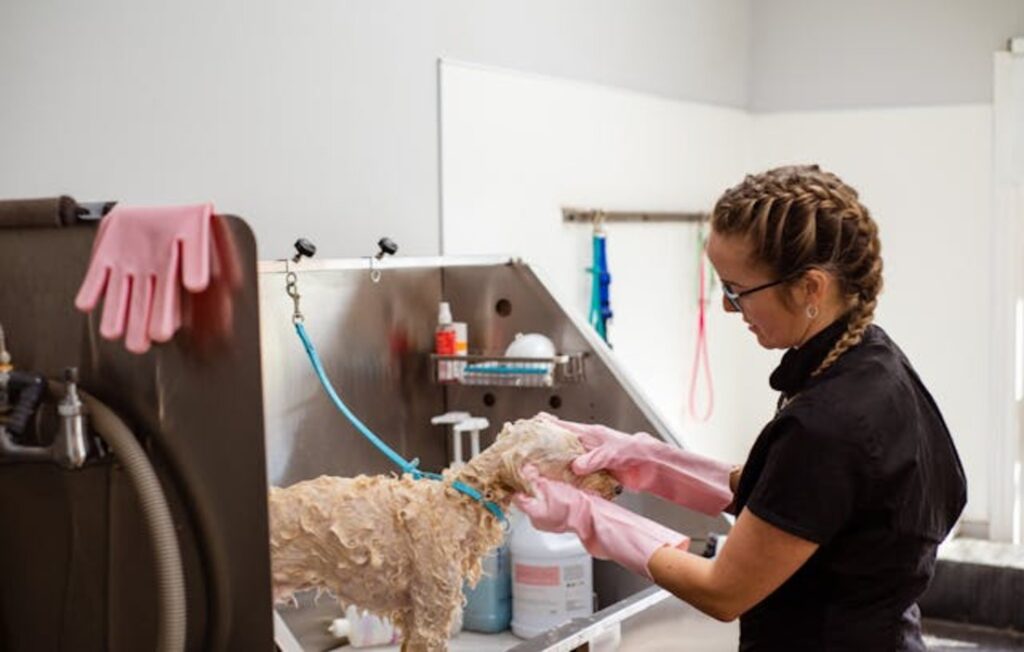
Some situations call for expert help:
- Severe matting
- Aggressive or fearful behavior during grooming
- Breed-specific cuts that require skill (e.g., Poodle show cuts)
- Medical conditions affecting skin or coat
DIY Dog Grooming Safety Tips
- Always supervise your dog during grooming.
- Use tools designed for pets — human tools can injure.
- Check blades and dryers for heat to avoid burns.
- If you’re unsure about any step, consult a vet or groomer first.
Final Thoughts
Grooming your dog at home can save money, reduce stress, and deepen your bond. With the right tools, patience, and technique, you’ll be able to keep your pup looking and feeling their best — all from the comfort of home.
So grab your brush, treats, and towel, it’s time for a spa day your dog will actually enjoy!




Be the first to leave a comment