


Can Dogs Have Cucumbers? A Dog Mom Ultimate Guide

If you’ve ever caught your dog staring longingly while you slice cucumbers for a salad, and wonder if this crisp, hydrating snack is safe for your furry friends. The answer is Yes. Dogs can eat cucumbers, but in moderation and with proper preparation. Packed with water and low in calories, cucumbers make a refreshing treat that can even support hydration and weight management.
However, it’s important to understand how to serve them safely and the potential risks, like choking or upset stomachs, if not introduced correctly. Let’s explore what makes cucumbers a healthy snack and how to include them in your dog’s diet responsibly.
Are Cucumbers Safe for Dogs?
Cucumbers are a refreshing snack for humans, and it might surprise you to learn that they can also be a great treat for dogs when given in moderation. They’re packed with nutrients and contain minimal calories, making them a great option for pet owners who want to give a healthy treat to their furry companions. However, understanding their nutritional value, hydration benefits, and how to safely include them in your dog’s diet is essential.
Nutritional Value
Cucumbers are not just empty calories; they actually provide several vitamins and minerals that can support your dog’s health. Let’s break down some key nutrients:
- Vitamin K: This vitamin helps support healthy blood clotting and bone strength in dogs. Strong bones mean your dog can run, jump, and play without as much risk of injury.
- Vitamin C: Known for boosting the immune system, Vitamin C plays a role in neutralizing free radicals and improving overall health.
- B Vitamins: These are essential for maintaining your dog’s energy levels, ensuring they stay active and alert throughout the day.
- Potassium: Potassium helps maintain proper muscle function and heart health in dogs, much like it does in humans.
- Magnesium: This mineral is necessary for energy production and helps regulate nerve and muscle function.
That said, while cucumbers have these benefits, remember that your dog’s primary source of nutrition should come from high-quality, balanced dog food. Treats like cucumbers are complementary, not a substitute.
Hydration Benefits
Cucumbers are mostly water about 96%! That’s what makes them great for keeping your dog hydrated, especially when it’s hot. Dogs can get dehydrated fast, so a cucumber slice or two can really help them get this extra boost of water.
If your dog doesn’t drink enough, cucumbers can give them some extra hydration. Just don’t swap out their water bowl for cucumbers; think of them as a little boost now and then.
Portion Control and Nutrition Balance
As much as cucumbers are a safe and healthy snack, moderation is key. Like any treat, they should not make up more than 10% of your dog’s daily caloric intake. Dogs have specific dietary needs, and their main source of nutrition should always come from their regular food.
To avoid overfeeding or an unbalanced diet, follow these guidelines:
- For small dogs, offer 1–2 thin slices of cucumber.
- For medium-sized dogs, a small handful of slices (3–4).
- For large dogs, up to half a cucumber, cut into bite-sized pieces, is sufficient.
It’s important to cut cucumbers into small portions regardless of your dog’s size. Large pieces could become a choking hazard, especially for puppies or smaller breeds. Watch for any symptoms such as diarrhea or vomiting after introducing cucumbers into their diet, and if these occur, discontinue feeding and consult your veterinarian.
How to Prepare Cucumbers for Dogs

Preparing cucumbers for your dog takes only a few minutes but ensures their safety and enjoyment. Whether you’re serving this veggie as an occasional treat or a refreshing snack, following safe preparation steps is key. Below, we’ll go through everything from cleaning cucumbers to fun serving ideas.
Step-by-Step Preparation Guide
Preparing cucumbers for your dog doesn’t require a lot, but it’s important to keep in mind potential choking hazards or digestive sensitivities. Follow this simple guide to ensure you’re doing it safely:
- Wash the cucumber: Start by rinsing the cucumber thoroughly under cool water to remove dirt, bacteria, and any lingering pesticides. Organic cucumbers can reduce the risk of chemicals, but washing is still a must.
- Peel the skin (optional): The peel is safe for most dogs, but if your dog is small or prone to tummy troubles, peeling helps reduce the chances of digestive issues.
- Remove the seeds: While cucumber seeds are generally safe, some dogs may have trouble digesting them. Scooping them out can make digestion easier, especially for puppies.
- Cut into bite-sized pieces: This step is crucial to avoid choking. Cut the cucumber into small, manageable pieces depending on your dog’s size. Thin slices or small cubes work best.
Treat cucumbers like you would any new food—introduce them in small amounts and monitor your dog for any unusual reactions.
Safe Portion Sizes by Dog Size
Cucumbers are low in calories, but portion control is still important. Overfeeding can lead to digestive discomfort, even with a healthy snack like this. Here’s a quick guide to serving sizes based on your dog’s size:
- Small dogs (under 20 lbs): 1–2 thin slices.
- Medium-sized dogs (20–50 lbs): 3–4 slices or small cubes.
- Large dogs (50+ lbs): 5–6 slices or up to half a cucumber, diced.
No matter the size of your dog, always avoid large chunks or whole pieces, as these can pose choking risks, especially for small breeds or puppies.
Serving Ideas
Want to make cucumber snacks more exciting for your pup? Here are a few creative serving suggestions to keep things interesting:
- Raw slices: Keep it simple with plain cucumber slices or cubes. Perfect for a low-effort treat that’s crunchy and refreshing.
- Frozen cubes: Freeze small cucumber pieces for a hydrating summer snack. The cool texture is especially soothing for teething puppies.
- Mix with other fruits and veggies: Combine cucumbers with dog-safe options like carrots, blueberries, or apples for a colorful and nutrient-packed snack mix.
- Training treats: Cut cucumber into tiny pieces for low-calorie training rewards. The crunch can hold your dog’s attention without adding extra sugar or fat.
Can Puppies Eat Cucumbers?
If you’ve recently welcomed a puppy into your home, you’re probably curious about what snacks and treats are safe for them. Puppies are naturally inquisitive — sniffing, licking, and exploring everything in their environment. The good thing is, cucumbers are usually fine for puppies to eat. Just be sure to give them small pieces and prep them the right way. There are a few things to keep in mind to make sure your pup stays safe and has fun eating them.
Why Moderation is Important
Unlike adult dogs, puppies have developing digestive systems that are more sensitive to new foods. While cucumbers are low in calories and packed with water, they should be introduced slowly to avoid upsetting your puppy’s tummy. Even foods as gentle as cucumbers can cause diarrhea or vomiting if given in excess.
Here’s why moderation matters:
- Developing Digestive System: Puppies are still adjusting to solid foods, so introducing anything unfamiliar, even something as mild as cucumber should be done gradually.
- Sensitive Stomachs: Overloading a puppy with any new food, including cucumbers, may lead to digestive issues like gas or loose stools.
How to Safely Prepare Cucumbers for Puppies

When offering cucumbers to your puppy, preparation is everything. Puppies are smaller and less experienced eaters, making choking hazards and portion sizes an essential consideration. Follow these steps to ensure their safety:
- Wash and Peel: Begin by scrubbing the cucumber under water to remove dirt or pesticides. If your puppy has a sensitive stomach, peeling the cucumber might make it easier for them to digest.
- Remove Seeds: While cucumber seeds are safe, they can sometimes be harder for young puppies to digest. Removing them ensures a smoother introduction to this treat.
- Cut Into Very Small Pieces: Puppies need bite-sized pieces to avoid choking. Think thin slices or small cubes no bigger than the size of your fingernail.
- Start Slow: Offer just one little piece to see how your puppy reacts. Monitor for any signs of discomfort before offering more.
How Much Cucumber is Safe for Puppies?
To avoid overfeeding, stick to these portion guidelines:
- Small Breed Puppies: A single small cube of cucumber.
- Medium to Large Breed Puppies: Start with 1–2 small pieces, gradually increasing to a few slices as they grow.
It’s better to keep portions on the smaller side, especially if this is their first time trying cucumber.
Watch for Signs of Intolerance
Introducing a new food to your puppy means keeping an eye out for signs that their body isn’t tolerating it well. If your puppy shows any of these symptoms, discontinue feeding cucumbers and consult your vet:
- Vomiting
- Diarrhea
- Lethargy
- Excessive Drooling or Discomfort
Avoid Pickles and Processed Cucumbers
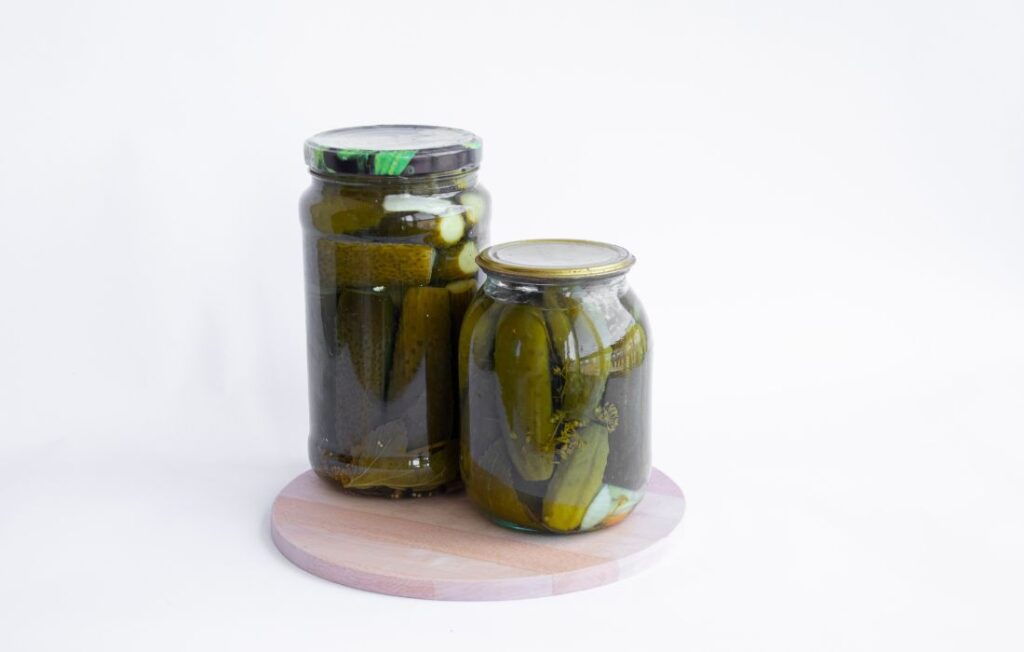
It’s worth noting that while fresh cucumbers are safe, pickled cucumbers are an entirely different story. Pickles are cucumbers soaked in a brine of salt, vinegar, and sometimes garlic or onion, which can be harmful to dogs and especially risky for puppies. The high sodium content alone poses a dangerous risk of dehydration and kidney strain. Ingredients like garlic, commonly found in pickle recipes, are outright toxic to dogs.
If you’re unsure whether your puppy has ingested a pickle or processed cucumber, watch for symptoms like excessive thirst, vomiting, or fatigue, and contact your vet immediately.
Why Pickled Cucumbers Are Unsafe
When it comes to cucumbers, the crisp crunch of a fresh slice is a refreshing and safe treat for dogs in moderation. However, once cucumbers are transformed into pickles, they become a hazard rather than a healthy treat. Pickled cucumbers may seem ok for your dog, but the ingredients and preparation process can put their health at serious risk. Let’s dig into what makes them unsafe.
High Sodium Levels
Pickles are brined in salt as part of the preservation process, often resulting in sodium levels that are drastically higher than what a dog’s diet can safely handle. Excess sodium can cause a range of health problems for your pup, from mild dehydration to severe complications like sodium poisoning. Over time, consistent exposure to high-sodium foods can also tax their kidneys.
Symptoms of high sodium intake in dogs include:
- Excessive thirst
- Frequent urination
- Vomiting
- Lethargy
If your dog accidentally ingests a pickle and shows any of these symptoms, it’s important to consult your vet immediately.
Toxic Ingredients in Pickling Recipes
Beyond the salt, many pickling recipes include ingredients that are outright toxic to dogs. Garlic, for example, is a common addition to pickle brines, and it contains compounds that can damage a dog’s red blood cells, potentially leading to anemia. Even small amounts of garlic can be harmful over time.
Other harmful additives found in pickled cucumbers might include:
- Onion: Like garlic, onions are toxic to dogs and can cause anemia.
- Vinegar: While not directly toxic, the acidic nature of vinegar can upset your dog’s stomach and lead to digestive issues.
- Spices: Chili peppers, mustard seeds, or other spices used in pickling can irritate your dog’s mouth and stomach.
Commercial pickles often contain preservatives, artificial colors, and flavorings that may not sit well with your dog’s system. These additives could trigger allergic reactions, cause gastrointestinal distress, or lead to long-term health problems.
Health Benefits of Cucumbers for dogs
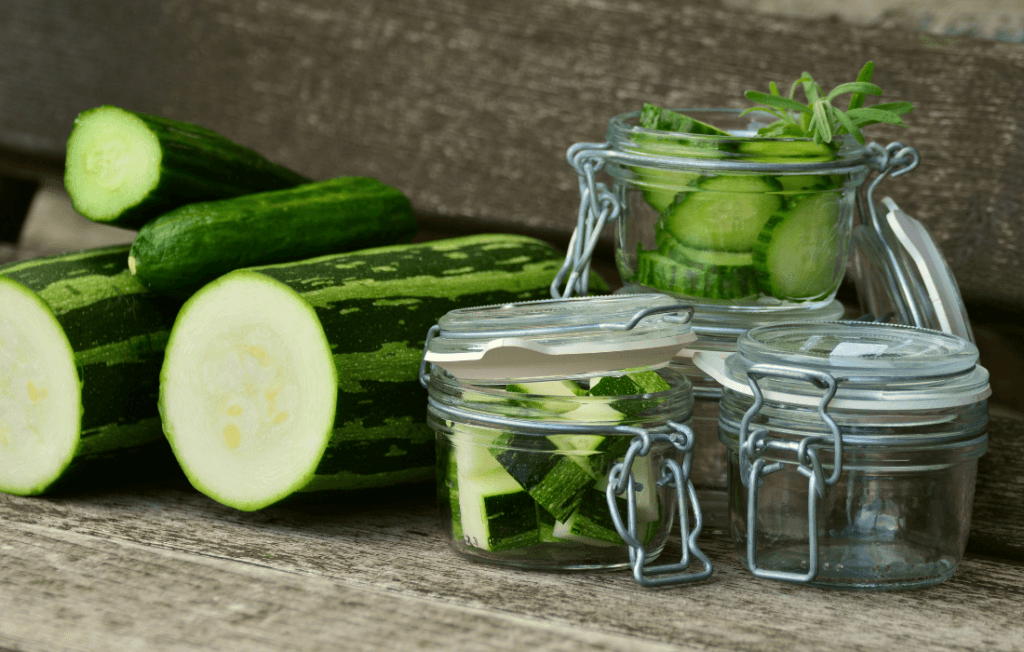
Cucumbers aren’t just a refreshing snack for humans—they can also provide surprising health benefits for our furry companions. As low-calorie, hydrating veggies, cucumbers offer unique advantages tailored to a dog’s dietary needs. Whether you have an active pup or one with specific health concerns, adding cucumbers to their treat routine can be beneficial. Let’s break it all down.
Weight Management
Weight management can be challenging for dogs, especially those prone to gaining weight or dealing with obesity-related health issues. Cucumbers shine as an excellent low-calorie snack option. Consisting of about 96% water, they’re almost calorie-free, making them ideal for dogs who need to shed some pounds without sacrificing taste.
Think of cucumbers as nature’s guilt-free treat! One half-cup of sliced cucumbers only has roughly 8 calories, compared to the 30-40 calories in commercial dog treats. You can use cucumber slices to replace higher-calorie snacks while still providing a satisfying crunch that dogs love.
Key benefits include:
- Low Fat & Low Calorie: Perfect for overweight dogs who need portion-controlled snacks.
- High Water Content: Keeps pups hydrated, especially during summer or after exercise.
- Rich in Vitamins: Supports overall health while keeping calorie intake low.
Struggling with weight management for your dog? Pair cucumber treats with regular exercise to see noticeable results. For more tips on managing a dog’s weight, this AKC guide on managing diet and snacks can help.
Low-Sugar Snack for Diabetic Dogs
If your dog has diabetes, finding safe, low-sugar treats can be challenging. Many traditional options contain hidden sugars or carbohydrates that can negatively impact blood sugar levels. Fortunately, cucumbers are a diabetic-friendly alternative. Their natural sugar content is minimal, meaning they won’t cause harmful spikes in glucose levels.
For diabetic dogs, these benefits stand out:
- Low Glycemic Index: Cucumbers have almost no impact on blood sugar.
- No Artificial Additives: Unlike processed treats, fresh cucumbers are free from preservatives or artificial sweeteners.
- Safe for Daily Snacking: Small cucumber portions can work as healthy, consistent rewards.
Monitoring your dog’s sugar levels? Swapping out sugary training treats with cucumber slices could make a big difference in their overall health. Check with your vet for precise recommendations.
Cucumbers as a Training Reward
Training rewards don’t always have to be meaty or store-bought. Cucumbers make for a versatile, healthy option when teaching tricks or rewarding good behavior. Dogs are just as excited about the crisp bite of a cucumber as they are about more calorie-heavy rewards. But what makes cucumbers even better is their low calorie count, which means you can use more of them during longer training sessions without worrying about adding unwanted weight.
When using cucumbers as training treats:
- Cut into Small Pieces: Bite-sized chunks keep your dog focused without being overwhelming.
- Crunchy Texture: The audible crunch can be as rewarding as the flavor for some pups!
- Different Shapes for Variety: Try thin slices or diced cubes for variety and enhanced engagement during training.
It’s also a useful trick for dogs with dietary restrictions or those who need to avoid processed treats. Not every reward needs to be a protein-heavy snack, sometimes, a crisp cucumber is all it takes to motivate your furry friend.
Cucumbers may seem simple, but their adaptability makes them a great addition to your dog’s diet. Whether you’re managing weight, supporting a diabetic dog, or looking for a fresh reward option during training, cucumbers are a fantastic choice. Remember, moderation is key!
Final Thoughts
Cucumbers can be a simple, healthy snack for your dog when served correctly. They’re hydrating, low in calories, and offer small amounts of vitamins like K, C, and B. But it’s important to remember that cucumbers are a treat, not a replacement for balanced dog food.
If you’re looking for a nutritious, refreshing snack or a low-calorie training reward, cucumbers are a great option. Just be cautious with portion sizes and skip pickled cucumbers altogether due to the added salt and harmful ingredients. Your dog’s safety and health always come first. Have you tried cucumbers with your pup yet? Let us know how they like this crunchy treat!




Be the first to leave a comment