

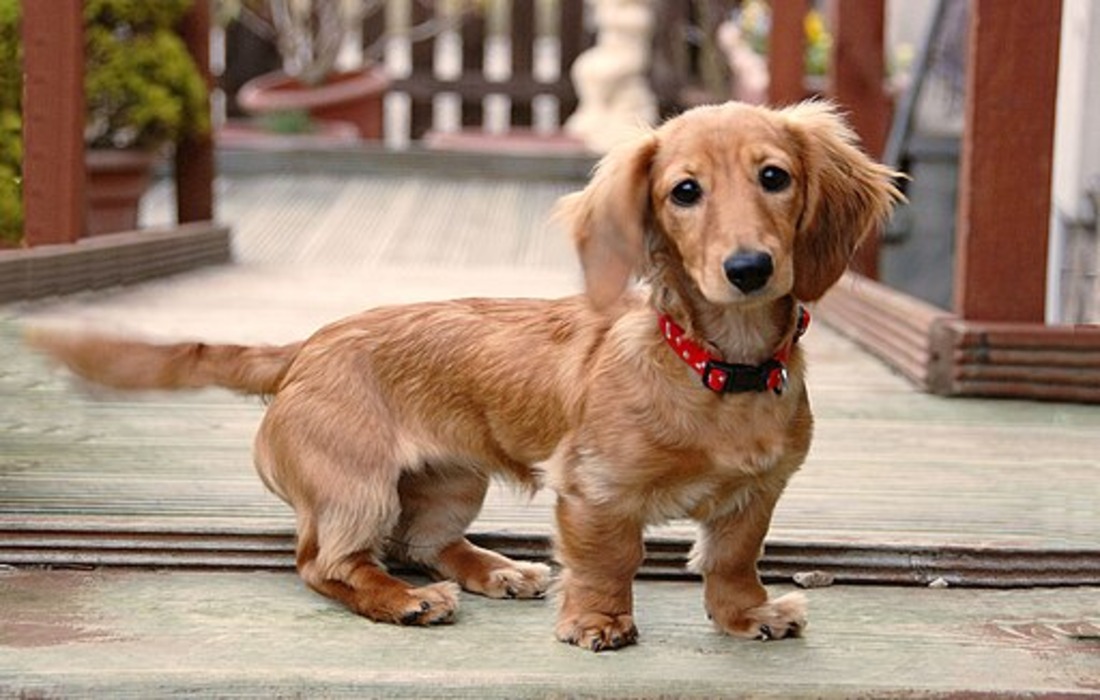
Long-Haired Dachshund Dog. An Ultimate Guide
Have you ever wondered what makes the long-haired Dachshund such a beloved breed? With their cool, flowing hair and those classic short legs, these dogs have both looks and personality. Bred in Germany as brave hunters, they’ve moved from chasing badgers to being great family dogs.
Whether you’re drawn to their affectionate nature or their unique look, this guide will answer all your questions about caring for, training, and loving a long-haired Dachshund. From grooming tips to potential health concerns, I’ve got everything covered to help you decide if this lively, lovable breed is the right fit for your home.
Breed Overview
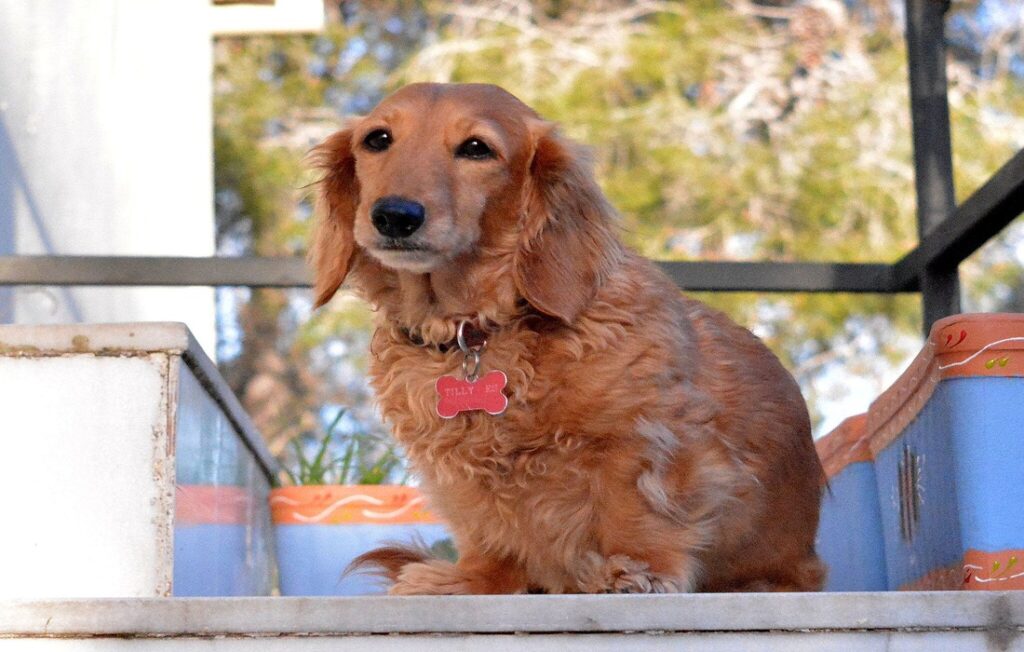
Long-haired Dachshunds quickly stand out for their striking appearance and dynamic personality. Beneath their glossy, wavy coats lies a rich history, unique physical traits, and a temperament that’s both loving and determined. If you’re considering welcoming this breed into your home, it’s essential to understand what makes them so special.
History and Origins
Long-haired Dachshunds have a rich history dating back to 15th-century Germany. They were first bred as hunting dogs, known as “badger dogs” because they helped hunters track and flush out badgers from underground burrows. Their long, low bodies and strong stamina made them perfect for navigating tight tunnels and rough terrain.
OOver time, breeders crossed smooth-coated Dachshunds with long-haired dogs like spaniels, giving them their unique flowing fur. While they were once famous hunters, today they are loved as family pets for their affectionate nature and charming quirks.
Physical Characteristics
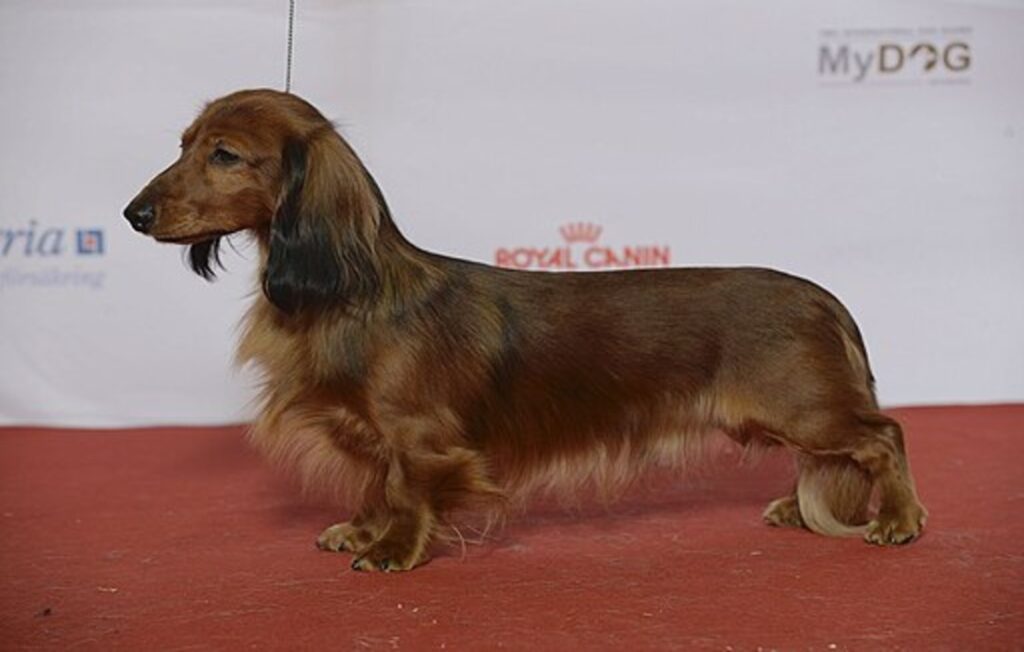
From their signature elongated bodies to their luscious double coats, long-haired Dachshunds are nothing short of eye-catching. Their wavy coats are soft and often feathered, particularly around the ears, chest, and legs. This luxurious fur not only adds to their appeal but serves as a functional layer, offering protection during colder months.
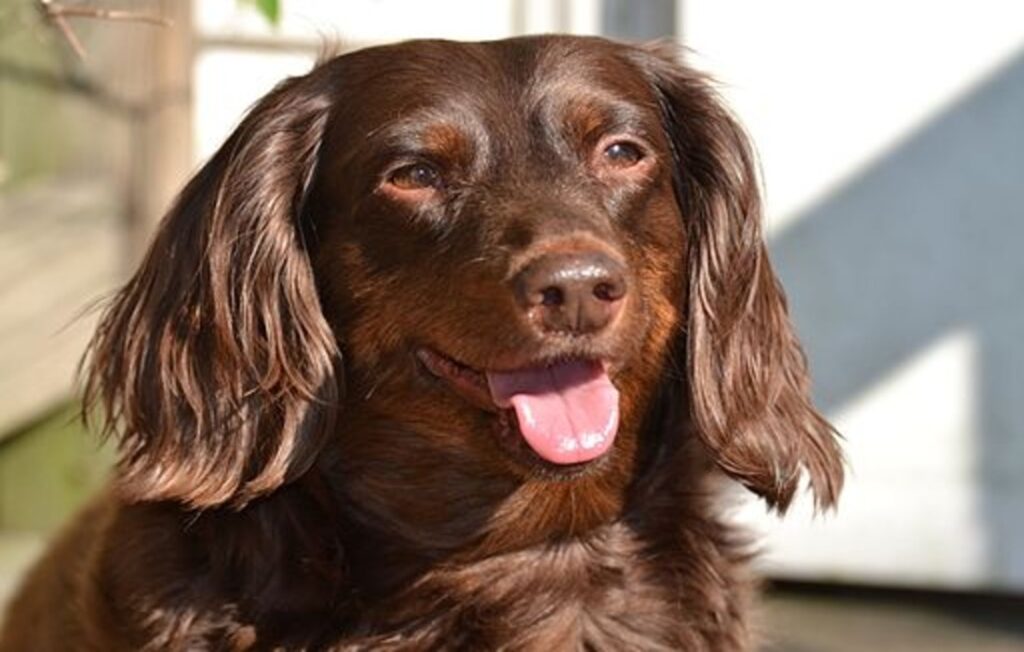
They come in a stunning variety of colors, including shades like cream, red, chocolate, and black, with or without tan markings. You might even encounter patterns like dapple and brindle, adding another layer of uniqueness to this breed.
These dogs come in two sizes: standard and miniature. Standard Dachshunds weigh 16-32 pounds, while miniatures weigh 11 pounds or less. Despite size differences, both types have compact, muscular bodies that are slightly arched over the back.
Personality
Long-haired Dachshunds have big personalities in small bodies. They are affectionate and smart, forming strong bonds with their owners. They are great with older kids who know how to handle small dogs gently. These dogs are clever problem-solvers but can be stubborn, so training requires patience and consistency. They are natural watchdogs with a loud bark, alerting you to visitors or strange sounds.
Still, their loving and playful nature shines in everything they do. Whether it’s curling up on the couch or engaging in spirited playtime, long-haired Dachshunds know how to steal hearts. In short, this breed is perfect for individuals or families willing to invest in their care and attention. Whether you’re drawn to their hunting heritage or their cuddly personalities, the long-haired Dachshund can easily bring joy (and a bit of spunk) into your life.
Long-Haired Dachshund Care
Long-haired Dachshunds are as charming as they are unique, but they need special care to stay healthy and look their best. That long, flowing hair and unique body shape mean they have some specific needs that owners should know about. Here’s what you nedd to know about keeping your long-haired Doghound happy and healthy.
Grooming
The long, gorgeous coat of a Dachshund is undoubtedly one of its most appealing traits, but it does require consistent care. Weekly brushing is non-negotiable to prevent matting and tangling. I recommend using a pin or bristle brush, especially for the feathered areas like the ears, chest, and behind the legs. These areas can develop knots if neglected, leading to discomfort for your dog.
Seasonal shedding is another factor to keep in mind. Dachshunds experience moderate to heavy shedding twice a year during spring and fall. During these times, you might need to brush daily to keep loose hair under control. Not only does this minimize shedding around your home, but it also keeps their coat and skin healthy.
Nutrition
Ensuring your long-haired Dachshund eats a balanced diet is important for their health. High-quality, small-breed dog food designed specifically for their size and activity level is your best bet. Look for options rich in protein, omega-3 fatty acids, and essential vitamins to keep their coat shiny and their body strong. Overfeeding is a common issue with this breed, as they can gain weight easily, which could put unnecessary stress on their spine.
Portion control is key—follow the feeding guidelines on your chosen food, but also consider your dog’s activity level and age. And don’t forget hydration! Fresh, clean water should always be available, as it supports digestion and overall health.
Exercise
Long-haired Dachshunds, despite their small size, need regular exercise to stay fit and avoid becoming couch potatoes. A daily 30-minute walk combined with some indoor playtime is usually enough to meet their needs. These dogs are energetic but adaptable, making them a great fit for both suburban and apartment living.
Think short bursts of activity over marathons. Whether it’s a quick game of fetch in the park or exploring a new trail, mixing up their exercise routine keeps them mentally stimulated, too. Not able to get outside? Interactive toys and sniff mats are great alternatives for keeping your dog entertained indoors.
Remember, their short legs mean they can tire faster than some breeds, so always monitor their energy levels during play or walks.
Preventing Back Issues
Dachshunds, with their elongated spines, are prone to intervertebral disc disease (IVDD). This condition can lead to pain and even mobility issues if not managed properly. One of the easiest ways to prevent back problems is by minimizing activities that strain their spine.
- Prohibit jumping: Whether it’s off furniture or onto tall surfaces, jumping can put significant pressure on their back. Invest in doggy ramps or steps to help them navigate heights safely.
- Control stair climbing: Keep your Dachshund from repeatedly going up and down stairs. If unavoidable, carrying them (if you can) is a safer option.
- Maintain a healthy weight: Extra pounds can exacerbate the risk of spinal injury, so stick to a strict feeding schedule and exercise routine.
Work closely with your veterinarian to monitor any early signs of back problems, such as reluctance to move, yelping during activity, or a stiff gait. With a little foresight and care, you can ensure your long-haired Dachshund lives a comfortable and active life.
Training Tips
Training can be both a rewarding and challenging experience. These adorable pups are intelligent, but they also come with a streak of stubbornness that can test anyone’s patience. Whether you’re teaching them basic commands or addressing housebreaking, a mindful and consistent approach is key to success. Let’s break things down step by step to help you build a trusting bond with your furry companion.
Housebreaking Tips
Potty training a long-haired Dachshund can feel like an uphill battle, but it’s absolutely manageable with the right strategies. These dogs are known for their independent nature, so consistency is non-negotiable.
Here’s how you can set your pup up for success:
- Stick to a routine: Take your Dachshund out at the same times every day. This helps them learn when to expect bathroom breaks.
- Choose a designated area: Pick a specific spot for potty time. The scent will remind them of their “job,” encouraging consistency.
- Reward good behavior: Positive reinforcement is huge! Celebrate every successful potty break outdoors with enthusiasm, treats, and praise.
- Limit accidents: If your dog has an accident indoors, clean it thoroughly to remove any lingering scent, which could tempt them to go there again.
Patience is key during this stage. Remember, setbacks are normal. Stay persistent and avoid harsh punishments, as Dachshunds can be sensitive and rebellious if they feel scolded too much.
Basic Commands and Socialization
Teaching your Dachshund basic commands like “sit,” “stay,” and “come” isn’t just about making your life easier—it’s also a great way to strengthen your bond. Long-haired Dachshunds are smart and enjoy mental stimulation, which makes training sessions engaging for the both of you.
Here’s how to approach it:
- Keep sessions short: Aim for 5–10 minutes a day. Dachshunds have short attention spans, so overloading them can lead to frustration.
- Be generous with rewards: Using treats and verbal praise creates a positive association with following commands. Think of it like tipping a waiter—it keeps the service good!
- Start with simple commands: Begin with “sit” or “stay” before moving into anything more complex. Success builds confidence.
- Socialize them early: Introduce your pup to a variety of environments, people, and other dogs while they’re young. This helps them stay calm and confident as they grow.
Socialization should be a continuous process. If you’re taking your dog to a park, remember to keep interactions positive and safe under your supervision. A well-socialized Dachshund is less likely to develop behavioral issues like anxiety or aggression.
Dealing With Stubbornness
Let’s be honest: training a Dachshund isn’t always easy. Their stubborn nature is often part of their charm, but it can also be a roadblock if not managed properly. The key here? Consistency, patience, and understanding.
Here’s how to tackle it:
- Don’t give in: If your Dachshund is refusing a command, stay firm. Giving up tells them that persistence pays off.
- Mix up rewards: If treats lose their appeal, try using praise, toys, or a favorite activity as motivation.
- Avoid yelling: This breed doesn’t respond well to harsh tones. Instead, redirect their energy calmly and positively.
- Make training fun: Turn practice sessions into games. If your Dachshund enjoys it, they’re more likely to participate willingly.
Think of training as a negotiation. You’re showing them that cooperation leads to benefits—rewards, love, and attention. If you feel stuck, don’t be afraid to consult a professional dog trainer. They can offer tailored strategies to address behavioral hurdles.
Health Considerations

Long-haired Dachshunds are undeniably charming, but along with their unique look and lovable personalities, they come with a set of health concerns every owner should be aware of. From their vulnerable spines to breed-specific conditions, keeping your pup healthy requires proactive care. Knowing what to watch for not only ensures a better quality of life for your dog but also helps avoid costly medical emergencies in the future.
Intervertebral Disc Disease (IVDD)
One of the most common and significant health concerns for Dachshunds, including the long-haired variety, is Intervertebral Disc Disease (IVDD). Due to their elongated spines, they are prone to this condition, which can cause pain, nerve damage, or even paralysis.
Symptoms of IVDD:
- Reluctance to jump, run, or play.
- Difficulty walking or an unsteady gait.
- Crying when touched or picked up, particularly around the back.
- Sudden paralysis in the legs or loss of bladder/bowel control.
Prevention Tips:
- Restrict jumping: Use ramps or stairs instead of letting your dog leap on and off furniture.
- Keep them at a healthy weight: Extra pounds worsen the burden on their spine, increasing the chances of injury.
- Avoid overexertion: Structured play and moderate exercise are better than prolonged activity.
Treatment Options: For mild cases, treatment may involve medications, crate rest, and physical therapy. More severe cases might require surgical intervention to relieve pressure on the spine. Investing in preventative measures like ramps or even laser therapy can make a big difference. Explore more about managing and treating IVDD at this vet-recommended resource.
Other Common Health Issues
Beyond IVDD, long-haired Dachshunds are susceptible to several breed-specific health problems. Here are three of the most common:
- Heart Diseases: Dachshunds are prone to mitral valve disease, a condition where the valve in the heart deteriorates over time, leading to heart failure. Early signs include coughing and fatigue during exercise. Regular heart health check-ups are critical.
- Hypothyroidism: This occurs when the thyroid gland produces insufficient hormones, causing symptoms like weight gain, lethargy, and a dull coat. Fortunately, the condition can usually be managed with daily medications. For a deeper dive into this issue, check out this overview of hypothyroidism in dogs.
- Eye Disorders: Dachshunds are susceptible to cataracts and Progressive Retinal Atrophy (PRA), a genetic condition leading to gradual vision loss. Watch for changes like cloudy eyes or difficulty navigating in dim lighting. Genetic testing and regular vet check-ups can help you stay ahead of these issues.
Recognizing these conditions early allows for more effective management and treatment, so always keep a watchful eye on your pup’s health.
Routine Vet Care
Regular vet visits play an important role in keeping your long-haired Dachshund happy and healthy. These check-ups not only monitor their overall well-being but also allow you to catch potential issues before they progress into more serious concerns.
Here’s what routine care should include:
- Vaccinations: Protection against diseases like rabies, distemper, and parvovirus is essential for all dogs, and Dachshunds are no exception.
- Dental Care: Dental hygiene isn’t just about fresh breath—it prevents gum disease and infections that could lead to heart issues.
- Parasite prevention: Fleas, ticks, and worms can wreak havoc on your dog’s health. Monthly preventatives are the easiest way to protect them.
- Screenings for specific conditions: Your vet may recommend additional tests to check for breed-specific concerns such as heart murmurs or thyroid levels.
Caring for a long-haired Dachshund takes effort, but the reward is a furry companion who thrives in your care. These little dogs are sturdy in spirit, and with the right approach, you can help them stay physically strong as well.
Living With a Long-Haired Dachshund

When it comes to living with a long-haired Dachshund, there’s no denying their charm and personality. However, like any breed, they come with their own set of challenges and rewards. From adapting to apartment living to managing their interactions with children and other pets, understanding these dynamics can help you create a happy, safe, and nurturing environment.
Apartment Living
Long-haired Dachshunds might have compact builds, but don’t let their size fool you—they are full of energy and personality. Thankfully, they adapt well to smaller living spaces, such as apartments, as long as their exercise and mental stimulation needs are consistently met. A quick 20–30 minute daily walk and some indoor play with interactive toys are usually enough to keep them happy.
But here’s the catch: barking. Dachshunds tend to have loud, frequent barks, thanks to their history as watchdogs and hunters. They alert at the sound of footsteps, a knock at the door, or even a bird outside the window.
How can you manage this trait in an apartment setting? Consider:
- Early training: Teaching them the “quiet” command when they’re still puppies can make a significant difference.
- Redirecting their energy: Offer toys or activities that keep them occupied rather than focusing on every noise.
- Consistent socialization: Exposing them to different sounds and environments early on allows them to be less reactive over time.
For more insights on managing this breed’s personality quirks, check out this long-haired Dachshund guide.
Kids and other Pets
Long-haired Dachshunds are affectionate and loyal, but it’s crucial to understand their instincts and temperament to ensure safe interactions with children and other pets. They were bred to hunt, so some of their prey drive and territorial tendencies still linger.
With Children
Dachshunds can be excellent companions for older children who know how to handle dogs gently. However, their small size and sensitive backs mean that rough play or mishandling can lead to discomfort—or worse, injury.
Tips for fostering a positive bond between Dachshunds and kids:
- Teach boundaries early: Both dogs and kids need to learn what’s acceptable. Educate your child on how to pet and play with the dog safely.
- Supervise interactions: Always keep an eye out, especially with younger children who might inadvertently mishandle the dog.
- Reward positive behavior: Praise or reward your Dachshund when they interact calmly and playfully with children.
If introduced to family life early on and handled with care, they can become loving, protective companions for children. Learn more about this breed’s compatibility with kids at this helpful guide.
With Other Pets
Introducing a Dachshund to other animals needs careful consideration. Their hunting instincts can make them wary—or even aggressive—toward smaller animals like rabbits or hamsters. On the other hand, when socialized properly, they tend to do well with other dogs, especially if raised together.
Strategies to improve compatibility with other pets:
- Supervised introductions: Take it slow when introducing them to other dogs, cats, or small animals. First impressions count!
- Focus on training: Commands like “leave it” can go a long way in managing their hunting impulses.
- Consider their history: Rescue Dachshunds, for instance, may have past trauma or triggers. Be patient and work with them over time.
For more insights on making your Dachshund feel at home with kids and pets, check this informative discussion.
Living with a long-haired Dachshund is an enriching experience as long as you’re prepared for their specific needs. With the right approach, even their quirks become part of their charm!
Adopting or Purchasing?
Bringing a long-haired Dachshund into your life is a big decision, and it’s essential to consider the best way to find your new furry friend. Whether you’re adopting through a rescue or purchasing from a breeder, understanding the process and financial commitment is crucial. Let’s explore your options and what to consider along the way.

Questions to Ask a Breeder
If you’re planning to purchase a long-haired Dachshund from a breeder, vetting the breeder carefully ensures you’re bringing home a healthy puppy from ethical practices. A good breeder will focus on the well-being of their dogs and provide you with all the necessary information to make an informed decision.
Here’s a list of questions you should ask breeders:
- Do the parents have health clearances, particularly for back or heart issues common in Dachshunds?
- Can I meet the puppy’s parents and see where the dogs are being raised?
- How do you socialize your puppies before they leave the litter?
- What vaccinations and deworming treatments have the puppies received?
- Do you provide a health guarantee or any post-purchase support?
Red flags to watch for:
- Breeders unwilling to let you visit their facility.
- Overly eager sales tactics or reluctance to answer health-related questions.
- Unhygienic conditions or puppies that seem overly shy or unwell.
- Absence of documentation for health tests or certifications.
Choosing a reputable breeder not only safeguards your pup’s health but also contributes to ethical breeding practices.
Adopting from a Rescue
Adopting a Dachshund through a rescue organization can be a deeply rewarding experience. Rescues often specialize in giving dogs a second chance, working tirelessly to find the perfect match for potential owners.
Here are a few benefits of adopting from rescue groups:
- Comprehensive screenings: Rescues usually assess the dog’s temperament and health beforehand, making it easier to find a Dachshund that fits your lifestyle.
- Saved expenses: Many dogs in rescues are already spayed/neutered, vaccinated, and microchipped, saving you costs on initial medical treatments.
- Guidance and support: Rescue organizations often provide valuable resources and tips to ensure a smooth transition. Some even offer follow-up support after adoption.
Adopting not only changes the life of the dog you bring into your home but also opens up space at the rescue for another animal in need. For more infromation about adopting a Dachshund check Adoptapet website.
Cost Expectations
Long-haired Dachshunds come with costs extending beyond the initial purchase or adoption fee. Here’s a breakdown of expenses so you can plan accordingly:
1. Initial Costs:
- From a breeder: Prices can range from $1,500 to $3,500 depending on bloodline and location.
- Adoption fees: Typically between $150 and $500 when adopting through a rescue group or shelter.
- Additional one-time costs: Supplies like a crate, bedding, toys, and food bowls may total $200–$500.
2. Medical Expenses:
- Routine vet care: Annual check-ups, vaccinations, and heartworm prevention range from $200–$400.
- Spinal health monitoring: Because of their susceptibility to IVDD, you may need additional diagnostics or preventive care, which could cost $200+.
- Pet insurance: Monthly rates for insuring a Dachshund hover around $30–$50, depending on the policy.
3. Ongoing Costs:
- Food and treats: Expect to spend $30–$50 per month for high-quality small-breed food.
- Grooming: Long-haired Dachshunds need regular brushing and occasional professional grooming, which may cost $50–$100 per session.
- Miscellaneous: Toys, training sessions, and flea prevention can add another $100–$300 per year.
Whether you choose to adopt or purchase, being prepared with the right questions, expectations, and a financial plan gives your long-haired Dachshund a solid foundation for a happy, healthy life with you. They’re small in size but bring massive amounts of love and joy into your home!
Wrapping it Up
The long-haired Dachshund combines distinct charm and devotion, offering endless joy to their owners. Their gorgeous coat, spirited personality, and deep bond with their owners make them more than just a pet—they’re part of the family.
Whether you’re drawn to their playful quirks or steadfast loyalty, owning a long-haired Dachshund is as rewarding as it is unique. Their care requires a commitment to grooming, nutrition, and health awareness, but the payoff is a happy, healthy companion who’s always by your side.
If you’re ready to welcome one of these lovable pups into your home, make thoughtful choices—whether that’s through adoption or working with reputable breeders. And don’t forget, your preparation and care help shape a lifetime of wagging tails and cherished moments.




Be the first to leave a comment