


How to Potty Train a Puppy: Tips and Tricks for Success

Getting a new puppy is super exciting and fun! But, let’s be real, potty training can be a real pain. . The good news is that with a patient, consistent approach, you can teach your puppy the ropes and set them up for a lifetime of good bathroom habits.
In this guide, we’ll take you step by step through the potty training process,I’ll give you easy tips, help you fix problems, and tell you what you need to know to make things easier. Whether you’re just starting out or need to tweak your current method, these ideas will help both you and your puppy get it right.
1. What to Expect
Potty training a puppy is all about teaching your pet where and when it’s appropriate to go to the bathroom. This process can vary depending on your puppy’s age, breed, and temperament. However, there are a few key concepts that apply to all puppies:
- Bladder Control: Puppies have small bladders and limited control over them. Young puppies may need to go outside every 1-2 hours, especially when they are very young. As they grow older, their bladder control improves, and they will be able to hold it for longer periods.
- Routine and Consistency: Consistency is key to successful potty training. Establishing a regular schedule for feeding, bathroom breaks, and crate time will help your puppy learn where and when to potty.
- Positive Reinforcement: Puppies respond well to positive reinforcement, so rewarding them for doing the right thing will help them understand what is expected.
2. Start Potty Training Early
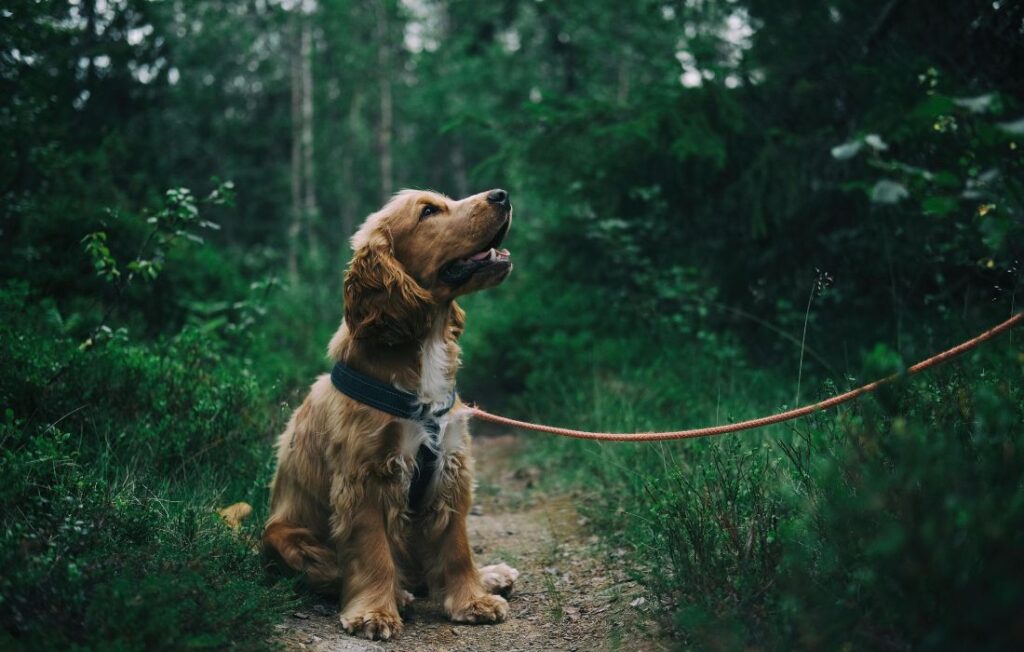
The earlier you start potty training, the better. While it is generally recommended to start potty training when your puppy is around 8 weeks old, some puppies may be ready earlier or later. The younger the puppy, the more frequently they need bathroom breaks. Keep this in mind when setting up a potty training routine.
3. Establish a Potty Training Schedule
Puppies thrive on routine. Establishing a consistent schedule for bathroom breaks is one of the most effective ways to potty train a puppy. Here’s a general guideline for how often you should take your puppy outside based on their age:
- 8-12 weeks: Every 2-3 hours, including first thing in the morning, after meals, and before bed.
- 12-16 weeks: Every 3-4 hours, including after meals, playtime, and naps.
- 4-6 months: Every 4-5 hours.
- 6+ months: Once every 5-6 hours.
In addition to scheduled potty breaks, you’ll need to take your puppy outside immediately after certain activities, such as:
- Waking up from a nap
- After meals or drinking water
- After playing or exercising
- Before going to bed at night
4. Choose the Right Spot
When you’re potty training a puppy, consistency is essential, not only in timing but also in location. Choose a specific spot outside where you want your puppy to go potty. Always take them to the same spot every time, and let them sniff around to get familiar with the area. The scent will signal to them that it’s the right place to relieve themselves.
5. Use a Crate for House Training
A crate can be a powerful tool when potty training a puppy. Dogs naturally avoid soiling their sleeping area, so using a crate helps teach your puppy to hold their bladder until they are let outside. Here’s how to use a crate for potty training:
- Make it Comfortable: Ensure that the crate is big enough for your puppy to stand, turn around, and lie down comfortably. However, it shouldn’t be too large, as that may encourage them to use one corner as a bathroom. The crate should be viewed as a safe, cozy space, not a punishment.
- Crate Training Schedule: Puppies should not be kept in a crate for long periods of time, as they may develop anxiety or potty in the crate. Generally, puppies can hold their bladder for about one hour for every month of age. For example, a 3-month-old puppy should be crated for no longer than three hours at a time.
- Gradual Crate Training: Start with short crate sessions and gradually increase the length of time your puppy spends in the crate. Always take them outside to potty as soon as they are let out.
6. Observe Your Puppy’s Signals
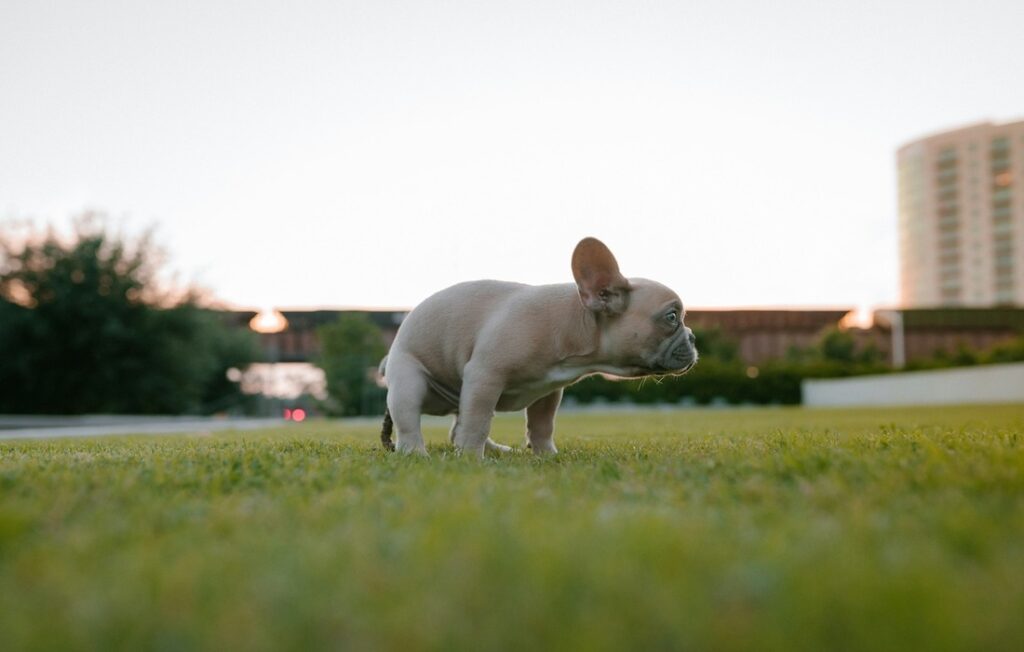
Puppies often give clear signs when they need to go outside to potty. Watch for the following signals, which indicate that your puppy may need to relieve themselves:
- Sniffing the Ground: This is a common sign that your puppy is looking for a spot to go.
- Pacing or Circling: If your puppy starts pacing, circling, or acting agitated, they may need to go potty.
- Whining or Barking: If your puppy is vocalizing, it may be their way of telling you they need to go outside.
- Heading Toward the Door: Many puppies will instinctively go to the door when they need to go out. If this happens, make sure to respond quickly.
7. Positive Reinforcement and Rewards
When your puppy does their business outside, immediately reward them with praise, treats, or both. Positive reinforcement is essential to help your puppy associate going potty outside with a good outcome. The reward should be given immediately after they finish going potty, so they can make the connection.
Some effective reward strategies include:
- Verbal Praise: Use a happy, enthusiastic tone when praising your puppy. Simple phrases like “Good potty!” or “Good job!” can go a long way.
- Treats: Offer a small, tasty treat immediately after your puppy goes potty outside.
- Playtime: If your puppy loves playing with toys, a quick play session can be a great reward.
Avoid punishment for accidents inside. Puppies don’t understand that they are being punished for pottying indoors, and it can confuse or frighten them. Instead, focus on reinforcing positive behavior.
8. Accidents Happen: Handling Mistakes
It’s completely normal for your puppy to have accidents during the potty training process. Here’s how to handle them:
- Clean Up Promptly: If your puppy has an accident inside, clean it up quickly using an enzymatic cleaner to eliminate the scent. This helps prevent your puppy from returning to the same spot.
- Don’t Punish: Never punish your puppy for having an accident. This can lead to fear and anxiety, and may even make the problem worse.
- Learn from Mistakes: Accidents are an opportunity to evaluate your routine. Maybe you missed a scheduled potty break, or your puppy didn’t get outside quickly enough. Adjust your routine as needed.
9. Tips for Potty Training Success
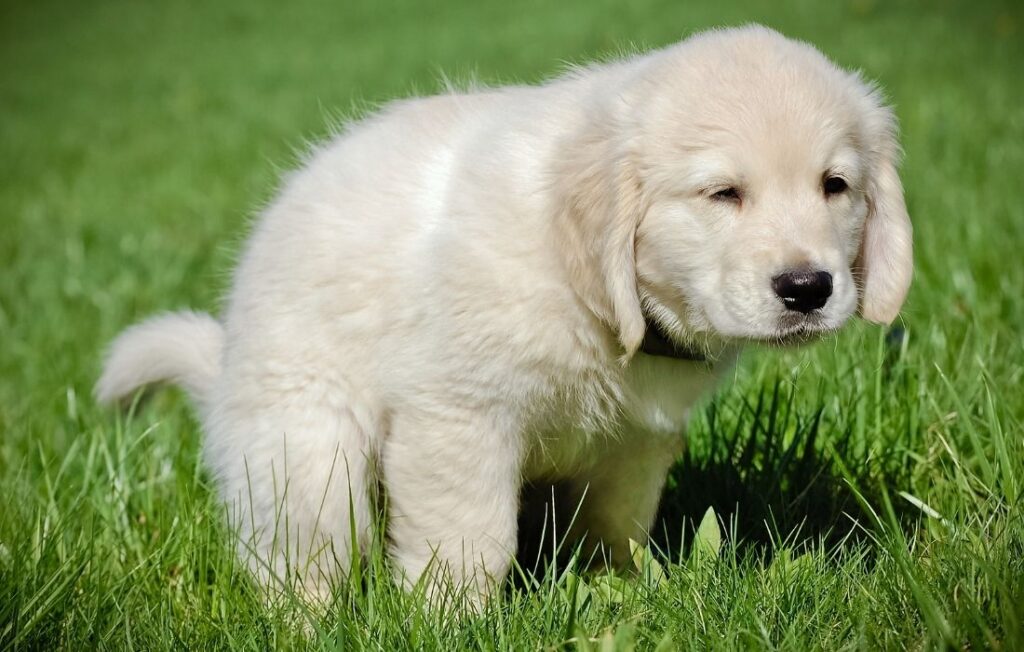
- Supervision is Key: When your puppy is indoors, keep a close eye on them. Watch for signs that they need to go outside and take them out promptly. Using a leash indoors can also help you keep them within sight.
- Take Your Puppy Out After Every Meal: Puppies usually need to relieve themselves within 10-15 minutes after eating. Be sure to take them outside promptly after meals.
- Be Patient: Potty training can take time, and every puppy learns at their own pace. If you’re feeling frustrated, take a step back and give yourself some grace. Consistency and patience are the keys to success.
10. When to Seek Professional Help
Most puppies can be potty trained within a few months with the right methods, but if your puppy is struggling or exhibiting signs of anxiety or stubbornness, it may be helpful to consult a professional dog trainer or behaviorist. Some puppies may have underlying medical issues or behavioral problems that need to be addressed before potty training can be successful.
If your puppy continues to have accidents despite your best efforts, or if you notice other concerning behaviors, it’s important to seek professional guidance to ensure both you and your puppy are on the right track.
Final Thoughts
Training your puppy to go potty takes time, patience, and lots of rewards when they do well. If you stick to these tips and pay attention to what your puppy needs, you can help them learn the right place and time to go. Keep in mind that all puppies are different, and some might need a bit longer to pick things up.
Just stay positive, be patient, and celebrate every little win. With some time and effort, your puppy will learn and become a happy, well-trained part of your family.


Be the first to leave a comment