


How to Potty Train a Puppy FAST – Expert Tips That Work
Bringing home a puppy is equal parts joy and challenge. The excitement can quickly turn into frustration if accidents pile up and you’re searching for real answers that work. Fast, successful potty training is possible—when you follow science-backed tips and a proven routine built around your puppy’s natural habits.
In this guide, you’ll get the real, tried-and-true strategies that work, backed by current expert recommendations and proven training methods. No fluff, no unrealistic expectations—just practical advice that’ll help you turn those chaotic early days into the joyful puppy experience you dreamed of.
The Fundamentals of Fast Puppy Potty Training
Potty training your puppy fast doesn’t happen by accident—it starts with understanding your puppy’s body and transforming every bathroom break into a meaningful learning moment. Puppies thrive on habits, and when you shape those habits through steady routines and smart rewards, you set the stage for quick success. This section breaks down two core foundations that every new dog owner needs to know: understanding your puppy’s physical needs and harnessing the energy of positive reinforcement.
Understanding Your Puppy’s Bladder and Routine

Young puppies have tiny bladders and fast metabolisms. If you’ve ever noticed your puppy sprinting to a pee pad moments after drinking, you’re witnessing biology at work. Here’s what every new owner should know:
- Bladder capacity by age: A good rule of thumb—puppies can hold their bladder for about one hour per month of age, up to around 6 hours max. For example, a two-month-old puppy often needs a bathroom break every 2 hours during the day.
- Frequent breaks: Expect to bring your puppy outside after waking up, after eating or drinking, after play sessions, and right before bedtime. These moments aren’t just random—they pair with your puppy’s natural rhythms.
- Overnight holding: Young pups may need a late-night and very early morning trip outside. Some can make it 4 to 6 hours overnight by 12 weeks old, but always set an alarm to help your pup succeed.
- Accident prevention: Missing a bathroom window by even 10 minutes can mean a mess on the floor. Routine is your best friend here.
A set schedule gives your puppy many chances to get it right and helps their body adjust. Keeping a written bathroom log or using your phone’s notes can help you spot patterns and refine your routine.
A predictable routine is about more than just potty training—it helps puppies feel secure. A daily routine supports behavior and health, making your training more effective and life with your new dog much calmer.
The Power of Positive Reinforcement
Positive reinforcement is the secret sauce in fast puppy training. Every time your puppy gets it right—whether it’s peeing outside or letting you know they need to go—immediate rewards create powerful connections in their mind.
- Timing matters: The most meaningful praise or treat comes within one second of your puppy finishing their business outside. If you wait too long, your pup won’t understand what behavior you liked.
- Mix it up: Use high-value treats, loving pats, and a cheerful voice. Make it special—this is not the time for plain kibble. Rotate rewards to keep your puppy interested and motivated.
- Celebrate every win: Tiny victories count. Did your puppy sniff and circle the back door? Reward that choice too. The more you reinforce these early signals, the faster your puppy learns to communicate.
- Stay calm during misses: If your puppy makes a mistake, don’t punish or shame. This only creates confusion or fear. Quietly clean up and go back to your routine.
Puppies learn fastest when their world is filled with encouragement, not criticism. If you feel frustration creeping in, remember: patience pays off, and positive reinforcement is how puppies build lifelong good habits. An upbeat training approach and the right rewards can dramatically speed up your progress.
By tuning in to your puppy’s needs and making every bathroom break a learning opportunity, you set your new best friend up for speedy, stress-free potty training success.
Creating an Effective Puppy Training Schedule
A well-designed puppy training schedule is the anchor for fast, stress-free potty habits. The more consistent your routine, the sooner your puppy will understand what’s expected—even if you’ve got a hectic workweek ahead. A reliable system for potty breaks, downtime, and supervision not only helps your puppy thrive, it saves your floors and your peace of mind.
Sample Potty Training Schedule for Busy Dog Moms
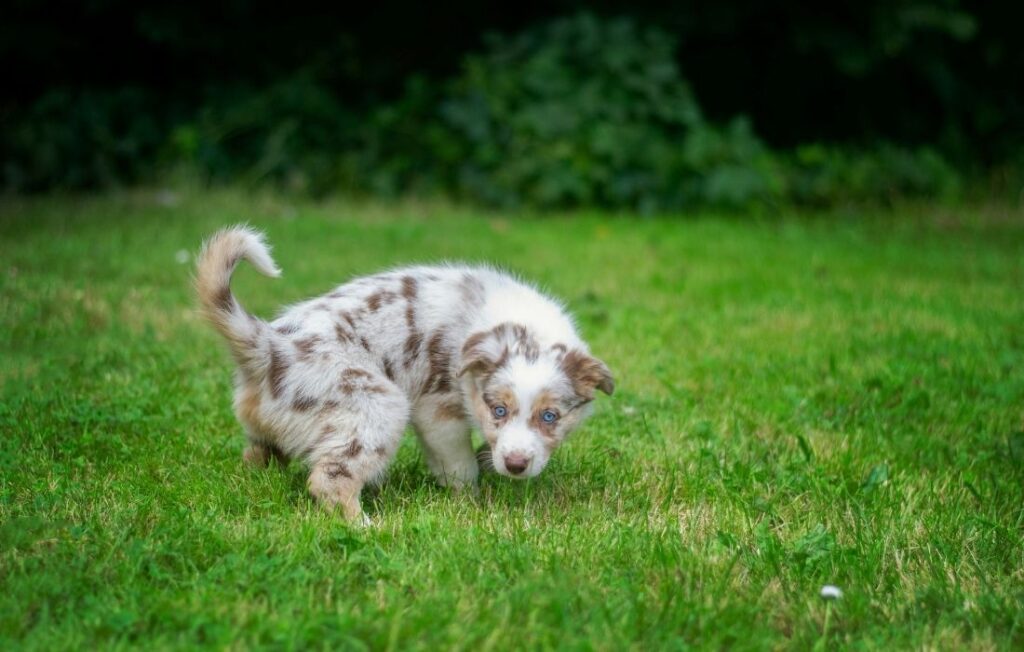
Not every pet parent can stay home all day, but puppies still need regular bathroom breaks. Here’s a sample schedule that fits a typical workday, balancing puppy training needs with job commitments:
- 6:00–7:00 AM: First potty break as soon as you wake up. Feed breakfast. Return outside for another break 10-15 minutes after eating.
- 7:30–8:00 AM: Potty break before leaving for work.
- Midday (lunch hour or pet sitter): Arrange for a friend, family member, or dog walker to let your puppy out for a potty break and a short play session. If you work from home, step away every 2-3 hours.
- 5:00–6:00 PM: Potty break as soon as you return home. Offer dinner and revisit the yard/outside again 10-15 minutes after feeding.
- Evening (every 2-3 hours): More potty breaks, especially after play or naps.
- Bedtime (10:00–11:00 PM): One last trip outside before settling down for the night.
When you can’t supervise:
- Crate training is your best friend. When sized and used correctly, a crate encourages puppies to hold their bladder, as they won’t want to soil their sleeping area.
- If you’re gone longer than four hours, set up a puppy-safe, gated area with a pee pad or a turf potty system. This gives your puppy a “legal” option for relief if you can’t be there.
A visual chart or written log helps reinforce your routine, and you can tweak this schedule as your puppy grows. By sticking to a set schedule, you limit guesswork and help your puppy build predictable habits—even on your busiest days.
Recognizing and Responding to Puppy Potty Signals
Most puppies will try to tell you when they need to go outside, but their signals can be subtle. Recognizing these tells is a key tool in your puppy training toolkit, since prompt action means fewer accidents and less confusion.
Be on the lookout for common potty cues:
- Sniffing the floor or carpet
- Circling or pacing in a small area
- Restlessness or sudden changes in activity
- Whining, barking, or heading toward the door
- Standing by the exit or looking at you expectantly
The moment you notice any of these, calmly and quickly take your puppy outside to their potty spot. Don’t hesitate—speed helps cement the connection between the urge and the correct location. Immediate response not only stops messes but also helps your puppy learn where potty breaks happen.
If you’re still learning your puppy’s unique signals, keep a close eye during transitions (after sleep, meals, and play). Crated puppies will often whine or scratch at the door if they need out. Documenting patterns can help you predict their needs.
The faster you spot and respond to these behaviors, the easier it is to avoid setbacks with puppy training. Think of it like learning a new language with your dog—soon, you’ll both be speaking “potty” fluently.
Expert Potty Training Techniques That Work
Potty training a puppy fast comes down to pairing proven strategies with kindness and patience. These expert puppy training techniques use your dog’s instincts and your consistency to unlock success. Let’s look at the most effective ways to set the stage for quick—and lasting—results.
Crate Training for Rapid Results
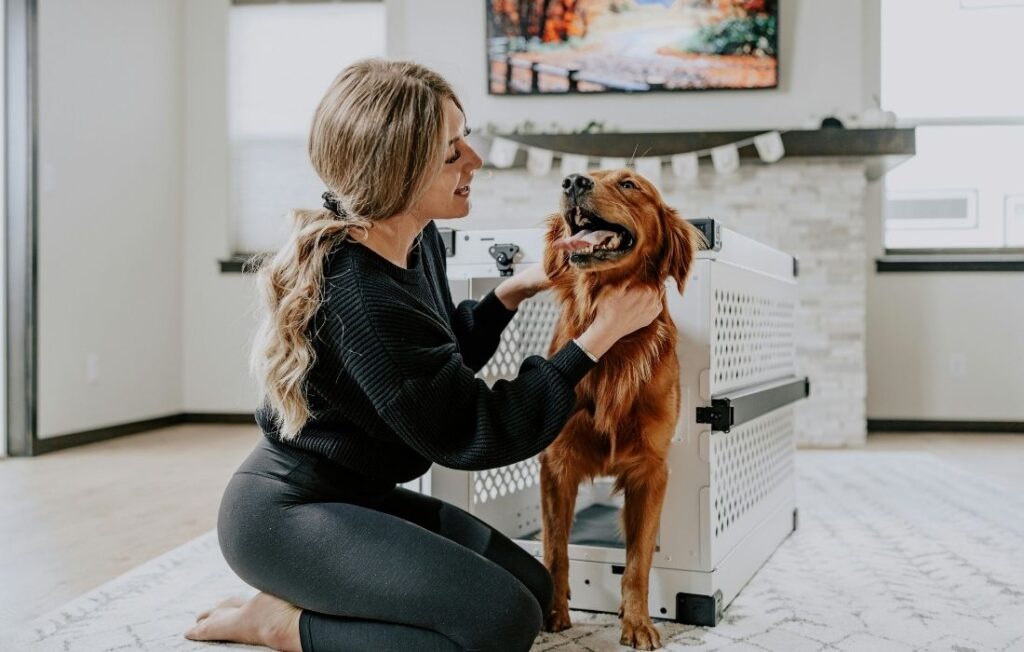
Crate training is a cornerstone of modern puppy training. When used right, a crate taps into your puppy’s natural instinct to keep their “den” clean and secure. It’s not a punishment; it’s a private, safe space.
How to select the right crate:
- Pick a crate big enough for your pup to stand up, turn around, and lie down, but not so large that they can make a “potty corner.”
- Wire crates are versatile and allow for airflow, but plastic travel crates work well for some breeds.
- Many crates offer dividers so you can size up as your pup grows, saving money and helping your puppy feel secure.
Turn the crate into a positive space:
- Feed meals inside the crate so your puppy sees it as a happy place.
- Toss in favorite toys, treats, or chews to build positive associations.
- Never use the crate for punishment or time-outs after accidents.
How to use crate training for faster results:
- Bring your puppy outside to potty right after waking, eating, drinking, or playtime—before they get a chance to go in the crate.
- Supervise closely. If you can’t watch your pup, the crate is the safest place.
- If your puppy fusses in the crate, ignore whining unless you suspect they need to go out. Reacting to every sound teaches them that noise earns attention.
Establishing a Designated Potty Spot and Cue Word
Consistency is the magic behind every fast puppy training success story. Designate one outdoor spot for bathroom breaks, and you’ll help your puppy create the right habits from the start.
How to pick your potty spot:
- Choose a quiet spot away from heavy foot traffic, driveways, or playgrounds. Grassy or dirt areas are best for most puppies.
- Don’t switch the location unless absolutely needed—familiar smells encourage pups to go faster.
Teach a potty cue word:
- As your puppy sniffs and gets ready, calmly use your chosen cue word like “go potty,” “do your business,” or “quick-quick.”
- Keep your tone light and positive.
- Once your puppy finishes, immediately praise and treat. Timing helps your puppy connect the cue to the act.
Speed up potty learning with repetition:
- Stick to the same spot, same time, and same cue word every break.
- Avoid play or walks until after they’ve gone. Fun comes as the reward!
- Over time, your puppy will learn the cue and understand the routine.
Dealing With Accidents: What to Do (and Never Do)
Accidents are part of puppy training, no matter how solid your routine. The way you respond shapes your pup’s behavior moving forward.
Best ways to handle accidents:
- Stay calm. If you catch your puppy in the act, gently interrupt, scoop them up, and bring them to the potty spot.
- Never yell or push your puppy’s nose into the mess. Harsh punishment creates fear and can set back training.
- Clean up right away using an enzyme-based cleaner. These break down odor at the molecular level, ensuring your puppy won’t return to the same spot.
Avoid reinforcing negative habits:
- Don’t scold after the fact—your puppy won’t understand why you’re upset.
- Skip any physical punishment. Fear and confusion can lead to secret accidents or training setbacks.
Why patience pays off:
- Puppies are learning, not misbehaving. Every accident is a chance to reinforce your routine.
- Consistent, upbeat responses get better results than outdated “corrections.”
Shop for pet-safe enzyme cleaners at most pet stores (look for labels mentioning urine or organic stain removal) or get recommendations from your vet.
Every dog owner faces setbacks, but by treating accidents as temporary detours, you’re teaching trust—and building up your puppy’s confidence with every step.
Wrapping Up
Fast puppy training is all about timing, consistency, and a positive routine. Every quick trip outside, every well-timed reward, and every gentle redirection builds your puppy’s skills. Staying patient, sticking to your schedule, and celebrating progress—even the small victories—will put your new family member on the right track.
There’s no shortcut around commitment, but there’s no limit to how proud you’ll feel once the hard work pays off. If you’re ready to keep building your puppy’s confidence, start looking into basic obedience or early socialization—these next steps will bring out their best and make life even more enjoyable together. Thanks for trusting me with your puppy training journey. Share your progress or tips in the comments—your story could help the next new dog mom navigating their first week!




Be the first to leave a comment