

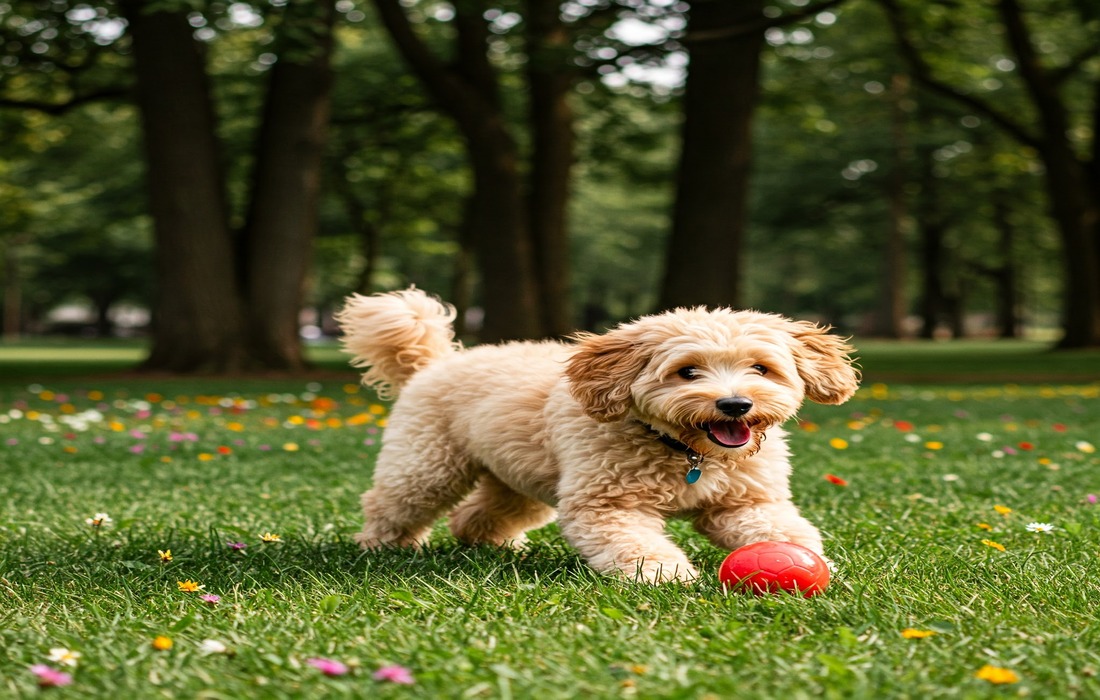
Mini Goldendoodle: The Ultimate Guide for Dog Moms
Since their first appearance in the 1990’s Mini Goldendoodles have rapidly become the favorites among dog lovers worldwide, and it’s easy to see why. These playful pups combine the intelligence and low-shedding coats of Poodles with the affectionate, family-friendly temperament of Golden Retrievers. Their smaller size makes them perfect for first-time dog owners or families looking for a companion that fits well into both cozy apartments and larger homes.
Whether you’re drawn to their hypoallergenic traits or their easy-to-train personalities, Mini Goldendoodles offer a unique balance of charm, smarts, and adaptability. In case you are thinking about introducing this adorable breed into your home I cooked up this guide to help you make a confident, informed decision as you consider adding one of these lovable dogs to your life.
What Is a Mini Goldendoodle?
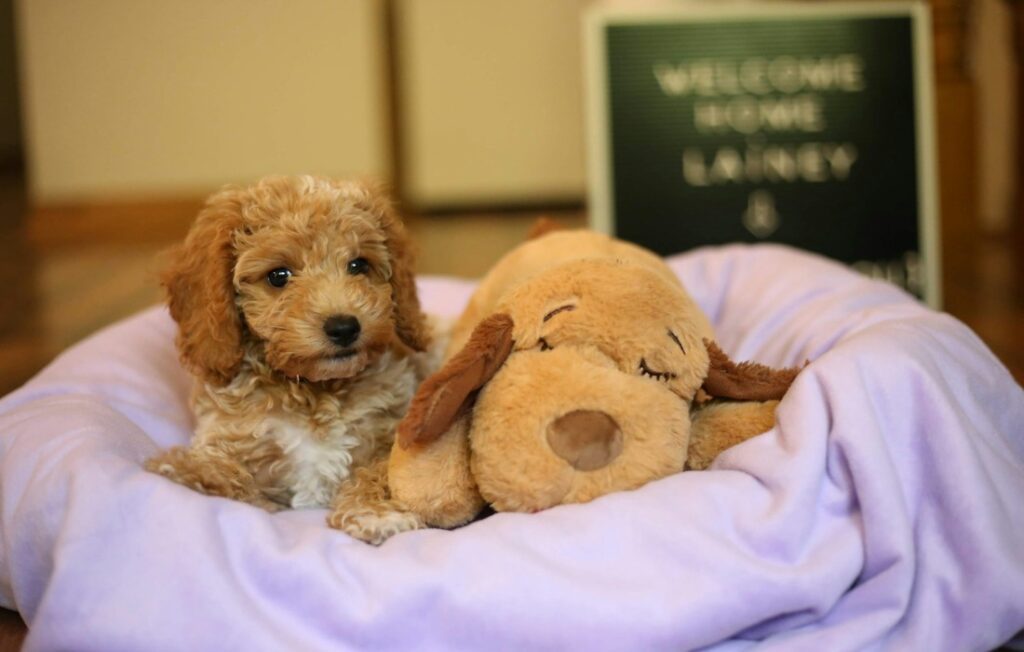
As a cross between a Golden Retriever and a Miniature Poodle, this versatile breed offers the best of both worlds. But what makes Mini Goldendoodles truly unique? Let’s dive into their origins, appearance, and personalities.
History and Origins
Mini Goldendoodles started popping up in the mid-1990s. Breeders wanted a dog that had the Golden Retriever’s sweet and loyal nature, plus the Poodle’s brains and low-shedding coat. At first, they only bred standard-sized Goldendoodles. But as more people started living in apartments and smaller homes, the demand grew for a more compact version. That’s when breeders began pairing Miniature Poodles with Golden Retrievers, and the Mini Goldendoodle was born.
Their friendly personality and allergy-friendly coat helped them rise in popularity. Over time, these little dogs became more than just pets—they’re now trusted therapy and service animals, thanks to their calm nature and strong desire to make people happy.
Size and Appearance
Mini Goldendoodles are a great size for most families. They usually weigh between 20 to 40 pounds and stand about 16 to 20 inches tall. But keep in mind, size can vary depending on their parents. Some may stay as small as 10 pounds, while others may be closer to 35.
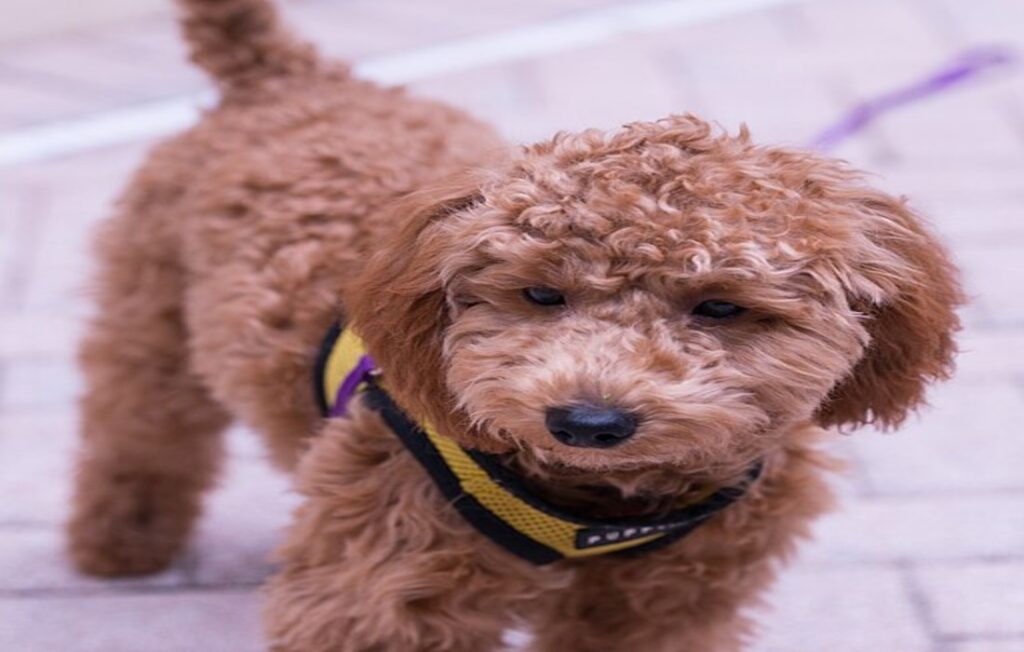
Their coat is one of their most eye-catching features. Some have curls like a Poodle, others have soft waves, and a few have straighter hair. No matter the style, their coats are usually soft and easy on allergies. They come in lots of fun colors too—apricot, cream, chocolate, black, or even patterns like parti or phantom.
Personality
Mini Goldendoodles are known for being cheerful, smart, and affectionate. They love being with people and are happiest when they’re part of the family. These pups are great with kids, gentle with smaller pets, and eager to make new friends wherever they go.
They’re also quick learners. Whether you’re teaching them basic commands or fun tricks, they aim to please and usually pick things up fast. Plus, they’re super adaptable—just as happy in a city apartment as they are in a house with a backyard. Give them some daily exercise and quality cuddle time, and they’re good to go.
Different Generations of Mini Goldendoodles
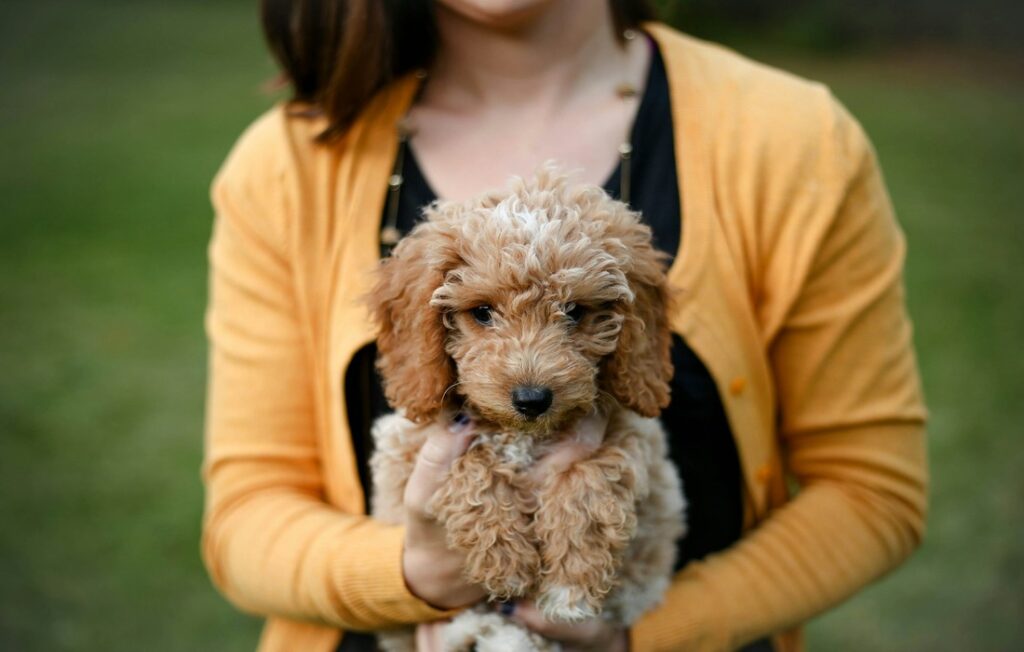
When searching for a Mini Goldendoodle, you’ll see terms like F1, F1B, or multigenerational. It might sound confusing, but it’s actually pretty simple once you get the hang of it.
F1 Mini Goldendoodles
An F1 is the first-generation mix between a Golden Retriever and a Miniature Poodle. These dogs are 50% Golden Retriever and 50% Poodle. They usually have fun-loving personalities and a mix of coat types—from straight to curly. Shedding and allergy friendliness can vary, so if allergies are a concern, you’ll want to ask about the parents’ coat traits.
F1B Mini Goldendoodles
An F1B comes from an F1 Goldendoodle parent and a Mini Poodle. These dogs are about 75% Poodle and 25% Golden Retriever. They usually have curlier coats, shed less, and are more allergy-friendly. If you want a lower-shedding pup with stronger Poodle traits, an F1B might be your best bet.
Multigenerational Mini Goldendoodles
These dogs come from two Goldendoodle parents—often after several generations of careful breeding. Multigen Goldendoodles usually have consistent coat types and personalities. They’re great for families who want fewer surprises when it comes to shedding, size, and personality.
They are commonly hypoallergenic and non-shedding, making them a favorite for those seeking allergy-friendly options. But don’t confuse predictability with lack of personality—they’re still full of charm and quirks, just backed by generations of intentional breeding.
How to Choose a Reputable Breeder
Finding the right breeder matters. You want someone who truly cares about their dogs—not just someone looking to make a quick sale. A good breeder focuses on health, personality, and proper socialization.
Health Testing and Documentation
Health is a top priority when it comes to any dog breed, and Mini Goldendoodles are no exception. Reputable breeders go the extra mile to ensure their puppies are free from common genetic issues like hip dysplasia, heart conditions, and eye problems.
Here are key things to look for:
- Health certifications: Responsible breeders will provide documentation proving that both parents have been tested for breed-specific conditions.
- Common genetic screenings: Ask the breeder if they’ve tested for conditions such as Progressive Retinal Atrophy (PRA), Von Willebrand Disease, or elbow dysplasia. This ensures your puppy’s lineage is as healthy as possible.
Don’t hesitate to request medical records, and if a breeder is unwilling to share these, it’s a huge red flag.
Breeder Transparency and Practices
Transparency is everything when it comes to choosing the right breeder. A good breeder is more than happy to answer your questions and explain their processes.
Here’s a list of questions you should always ask:
- How are the puppies socialized? Early exposure to different people, sounds, and environments builds a puppy’s confidence.
- What are the parents’ temperaments like? A well-balanced temperament in the parent dogs is a strong indicator of your puppy’s potential personality.
- Can I meet the parent dogs and see where the puppies are raised? Responsible breeders often raise their dogs in home-like environments rather than cramped kennels.
- What’s included in the purchase? Many breeders offer contracts with health guarantees, initial vaccinations, and sometimes even puppy starter kits.
Red Flags To Avoid
Unfortunately, not all breeders operate ethically, and it’s crucial to recognize warning signs before making a purchase. Unethical breeding practices not only harm the animals involved but can leave you with heartbreak later on.
Keep an eye out for these clear red flags:
- Lack of health guarantees: A breeder who doesn’t offer a health guarantee may be hiding genetic or health issues common in the breed.
- No evidence of health testing: If a breeder cannot provide documentation for the screenings performed on the parent dogs, walk away.
- High-pressure sales tactics: Ethical breeders care more about finding the right home for their puppies than making a quick sale.
- Selling through puppy mills: Large-scale operations that mass-produce puppies often neglect the welfare of their animals. Learn how to identify a puppy mill here.
Always trust your instincts. If something feels off—like cramped, unclean facilities or vague answers during your inquiry—it’s best to look elsewhere. The right breeder will make you feel confident and informed at every step.
Reputable Breeders
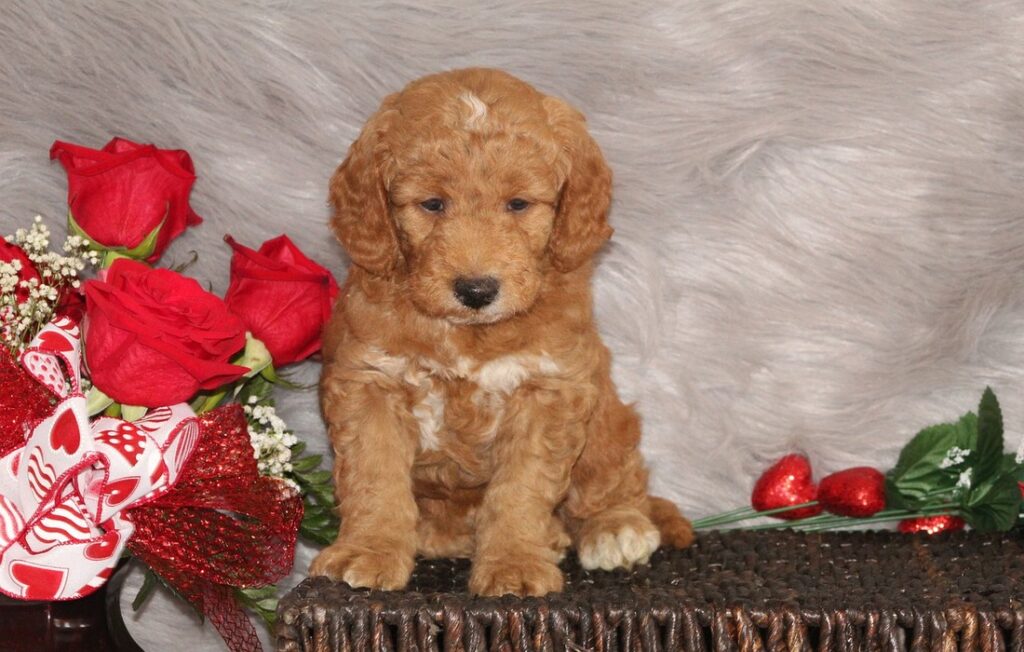
Finding a reputable Mini Goldendoodle breeder is essential to ensure you bring home a healthy and well-socialized puppy. Here is a list of reputable breeders acroos the United States to make your search less time consuming.
1. Mini Goldendoodles of NY
- Location: Pine Bush, New York
- Specializes in multi-generation Petite-mini Goldendoodles, Mini Labradoodles, and Mini Double Doodles. Emphasizes health testing, with all dogs tested for over 151 hereditary defects and diseases. Offers a two-year health guarantee against hereditary disorders.
- Website: https://minigoldendoodlesofny.com/
2. Bella Mini Doodles
- Location: Rochester, New York
- With nearly two decades of experience, Bella Mini Doodles is committed to responsible breeding practices and addresses all health concerns. They offer a two-year genetic health guarantee with every puppy adoption and provide delivery options.
- Website: https://www.bellaminidoodles.com/
3. River Valley Doodles
- Location: New York
- Strives to produce and train socialized, healthy, and gorgeous Goldendoodle and Springerdoodle puppies for responsible and loving owners. They often arrange deliveries near NYC, Boston, NJ, CT, and Long Island.
- Website: https://www.rivervalleydoodles.com/
4. Pine Hill Mini Doodles
- Location: Upstate New York
- Specializes in Mini Goldendoodles weighing 15-25 lbs as adults. Focuses on producing healthy, intelligent, and beautiful Mini Goldendoodle puppies that are easy to train. All parent dogs are DNA and hereditary disease tested.
- Website: https://pinehillgoldendoodles.com/
5. Fox Creek Farm
- Location: Berkeley Springs, West Virginia
- Amy Lane of Fox Creek Farm was the first breeder to create a litter of miniature Goldendoodles and is one of the founding Goldendoodle breeders. They focus on raising healthy multigen Goldendoodles that are perfect for families with kids.
- Website: https://goldendoodles.net/
6. Smeraglia’s Teddybear Goldendoodles
- Location: Alabama
- Offers Teddybear English Goldendoodles, Mini Goldendoodles, and Schnoodles. Known as the #1 Goldendoodle breeder in the U.S., they focus on hypoallergenic and low to non-shedding puppies.
- Website: https://www.teddybeargoldendoodles.com/
7. Lily & Chloe Mini Goldendoodles
- Location: Connect with families for adoption accross the United States
- Connects families with well-loved and cared-for Mini Goldendoodle puppies. They focus on ensuring their pups are ready to meet their new families.
- Website: https://www.lilyandchloepups.com/
8. Family Bred Puppies
- Location: Not specified
- About: Works with small, family-owned breeders who care about their puppies as much as their own families. Offers Mini Goldendoodles available for adoption.
- Website: https://www.familybredpuppies.com/miniature-goldendoodles-for-adoption
9. Happytail Puppies
- Location: North Carolina
- About: Offers Mini Goldendoodle puppies from a network of breeders. Provides a one-year health guarantee and has an emphasis on socialization.
- Website: https://happytailpuppies.com/
Caring for a Mini Goldendoodle

As cuddly and lovable as Mini Goldendoodles might be, it’s essential to understand their unique care requirements to keep them healthy and happy. Their mixed heritage comes with specific grooming routines, energy needs, and potential health challenges. Let’s dive into what you need to know to give your Mini Goldendoodle the life they deserve.
Grooming Needs
Even though they don’t shed much, their coats need regular care. Curly and wavy fur can get tangled if not brushed.
- Brushing: Aim to brush their coat at least three times a week with a slicker brush to prevent mats and tangles. For dogs with thicker, curlier coats, daily brushing may be necessary. Regular brushing not only keeps their fur soft but also reduces dirt and debris buildup.
- Bathing: Mini Goldendoodles generally don’t need frequent baths—once every 6-8 weeks is usually enough unless they get especially dirty. Too many baths can strip their coat of natural oils.
- Professional Grooming: It’s worth scheduling professional grooming every 6-8 weeks. Skilled groomers will handle trimming, nail clipping, and ear cleaning, which can sometimes be tricky to manage at home.
Remember, a well-groomed Goldendoodle isn’t just about aesthetics. Keeping up with their grooming needs contributes to their comfort, health, and overall happiness.
Exercise and Mental Stimulation
While their size may be small, Mini Goldendoodles are packed with energy and love to stay active. Neglecting their need for physical and mental stimulation can lead to boredom or even behavioral issues, so it’s crucial they get the activity they thrive on.
- Physical Exercise: These dogs typically need 30-60 minutes of exercise daily. Activities like walks, fetch, or even swimming are excellent ways to keep them fit. If you’re short on time, mixing in backyard playtime can help—but consistent outdoor activity is highly recommended.
- Mental Engagement: As highly intelligent dogs, Mini Goldendoodles need mental challenges to stay engaged. Puzzle toys, hide-and-seek games, or teaching new tricks can work wonders for their mental stimulation.
- Socialization: Don’t forget that these social pups love human interaction. Make time for cuddles and engagement with the family, and if possible, include trips to a dog park for socializing with other dogs.
A well-exercised Mini Goldendoodle is a happy, well-adjusted companion. Not only will they enjoy their playtime, but they’ll also burn off any pent-up energy that could otherwise lead to mischief.
Common Health Issues
Like any breed, Mini Goldendoodles can have some health issues that prospective owners should know about. Their mixed genes help them avoid many breed-related illnesses, but that doesn’t mean they’re free from health problems.
- Hip Dysplasia: This is a common genetic condition where the hip joint doesn’t fit properly. Symptoms include difficulty standing, limping, or decreased activity levels. Regular vet check-ups and maintaining a healthy weight can minimize risks.
- Progressive Retinal Atrophy (PRA): PRA is a degenerative eye disorder that can eventually lead to blindness. While there’s no cure, early detection can help manage symptoms. If you notice signs like night blindness or bumping into objects, consult your vet immediately.
- Ear Infections: Mini Goldendoodles’ floppy ears can trap moisture, creating an ideal environment for infections. Clean their ears regularly and ensure they stay dry, especially after swimming or baths.
- Allergies: Some Mini Goldendoodles may develop skin or food allergies. If you observe excessive scratching, licking, or inflammation, it might be time to consult your vet for allergy testing.
Routine vet visits and preventative care are vital. Annual exams, up-to-date vaccinations, and routine checks for hereditary conditions will keep your furry friend in top shape.
Training Your Mini Goldendoodle
Mini Goldendoodles are known for their intelligence, eagerness to please, and friendly behaviour, making them a joy to train. However, consistent and effective training is important to ensure your furry friend grows into a well-behaved and adaptable companion. Whether you’re a first-time dog owner or a seasoned pet parent, these tips will help guide you through the process of training your Mini Goldendoodle.
Housebreaking Tips
Housebreaking your Mini Goldendoodle is an essential first step in your puppy training journey. With patience and consistency, your dog will quickly learn where and when it’s appropriate to potty.
Here are tried-and-true strategies to get you started:
- Crate Training: Utilize a crate to create a safe, den-like space for your puppy. Dogs naturally avoid soiling their sleeping environment, making crates a great tool for housebreaking. Be sure to choose a crate that’s appropriately sized—not too big nor too small.
- Set a Routine: Puppies thrive on routine. Take your Mini Goldendoodle outside at regular intervals—after meals, upon waking up, and before bed. Consistent timing helps them associate outdoor trips with potty time.
- Positive Reinforcement: Reward your pup immediately after they go in the right spot. Use treats, praise, or a cheerful “good job!” to reinforce the behavior.
- Supervision is Key: Until your dog is fully housebroken, keep an eye on them to prevent accidents. If they look like they’re about to eliminate indoors, calmly interrupt and guide them outside.
Socialization
Getting your Mini Goldendoodle used to being around people and different places early on is really important for raising a confident and well-behaved dog. These experiences help shape how your pup reacts and behaves.
Here’s how to tackle socialization effectively:
- Introduce New People and Pets: Regularly expose your puppy to a variety of people, including children, adults, and other pets. Supervised playdates with friendly dogs can teach them polite canine interactions.
- Expose Them to Different Environments: Take your Mini Goldendoodle to dog-friendly parks, busy streets, or even nearby businesses. The goal is to introduce them to different sounds, sights, and smells so they become accustomed to change.
- Focus on Positive Experiences: Pair every new experience with something positive, like treats or praise. This builds positive associations and prevents fear or aggression.
- Timing is Everything: Did you know the critical socialization window is between 3 and 14 weeks old? During this time, puppies are more receptive to new stimuli, making it the ideal period to introduce socialization techniques.
Obedience
Training your Mini Goldendoodle to follow commands isn’t just about obedience—it builds trust and strengthens your bond. Thanks to their smart and eager-to-please personality, Goldendoodles thrive with consistent training.
Basic Obedience Tips:
- Start with foundational commands like “sit,” “stay,” “come,” and “leave it.”
- Use short and clear commands paired with hand signals for better understanding.
- Stick to five to ten-minute sessions to keep your puppy engaged without overwhelming them.
- Incorporate treats as rewards, gradually replacing them with verbal praise to maintain motivation.
For advanced skills:
- Introduce agility or tricks, such as jumping through hoops or fetching specific items. These activities challenge them mentally and physically.
- Practice recall in environments with distractions, like parks, to solidify your dog’s ability to listen under pressure.
- Consider professional classes or trainers to teach specialized tasks if you’re looking to work on advanced goals, like therapy dog certification or complex obedience sequences.
Remember, training isn’t a one-time effort—it’s a journey that strengthens the relationship between you and your Mini Goldendoodle every day.
Cost and Budget Considerations
Before welcoming a Mini Goldendoodle into your home, it’s essential to understand both the upfront cost of purchasing your furry friend and the ongoing financial commitment that comes with responsible pet ownership. Planning ahead can save you from unexpected surprises and ensure you’re fully prepared to provide the best for your new companion.
Initial Purchase Price
Mini Goldendoodles from reputable breeders typically come with a price tag that reflects the effort, health testing, and care invested in breeding them. The cost of a Mini Goldendoodle usually ranges from $2,000 to $4,000, though it can sometimes climb higher depending on factors like breeder reputation, bloodlines, coat type, and location.
It’s also essential to ensure you’re working with a breeder who prioritizes the health and well-being of their dogs over profit. Cheaper options may seem appealing, but they often come from unethical sources. Take your time to research breeders thoroughly.
Final Thoughts
Mini Goldendoodles are more than just cute—they’re smart, loyal, and full of heart. They thrive in homes where they get regular exercise, affection, and attention. Whether you’re a family with young kids or someone looking for a cuddly companion, this breed has a lot to offer.
If you’re thinking about adding one to your life, take time to find the right breeder, understand the commitment, and get ready for a lifetime of tail wags, snuggles, and smiles.




Be the first to leave a comment