

Most Aggressive Dog Breeds: What You Need to Know
Aggression in dogs can bring up a lot of worries, especially for owners who just want their pets to be safe and happy. It’s easy to focus on breeds like Pitbulls, Rottweilers, and German Shepherds since they often get labeled as aggressive, but behavior goes beyond the dog’s breed. Dogs can reflect their owners’ personalities. A
s a dog parent, I really believe that training, socialization, and a caring home are key to keeping aggression at bay. Whether you’re already a dog owner or thinking about bringing one home, it’s crucial to understand what actually influences a dog’s behavior. In this post, I’ll talk about how responsible care influences a dog’s personality and behaviour.
What Makes a Dog Breed Dangerous?
When people think about “dangerous” dog breeds, images of snarling faces and aggressive postures often come to mind. But it’s not just about what breed a dog is; there’s a lot more to it. A dog’s behavior results from a mix of genetics, training, environment, and even health issues. Each of these factors shapes how a dog acts and interacts with others, and understanding these can help us get to the bottom of aggression and figure out how to prevent it.
The Role of Genetics
Some breeds were developed for certain traits, like being protective or bold. For instance, Rottweilers and Pitbulls were bred for guarding or working roles, which can make them more prone to aggressive behaviors if not properly managed. Genetics influence not only their size and strength but also their natural instincts.
But remember, genetics alone don’t make a dog dangerous. They just provide a starting point. Some breeds might have higher prey drives or territorial instincts, but those traits aren’t everything. How we raise and train our dogs is equally important.
Training and Socialization
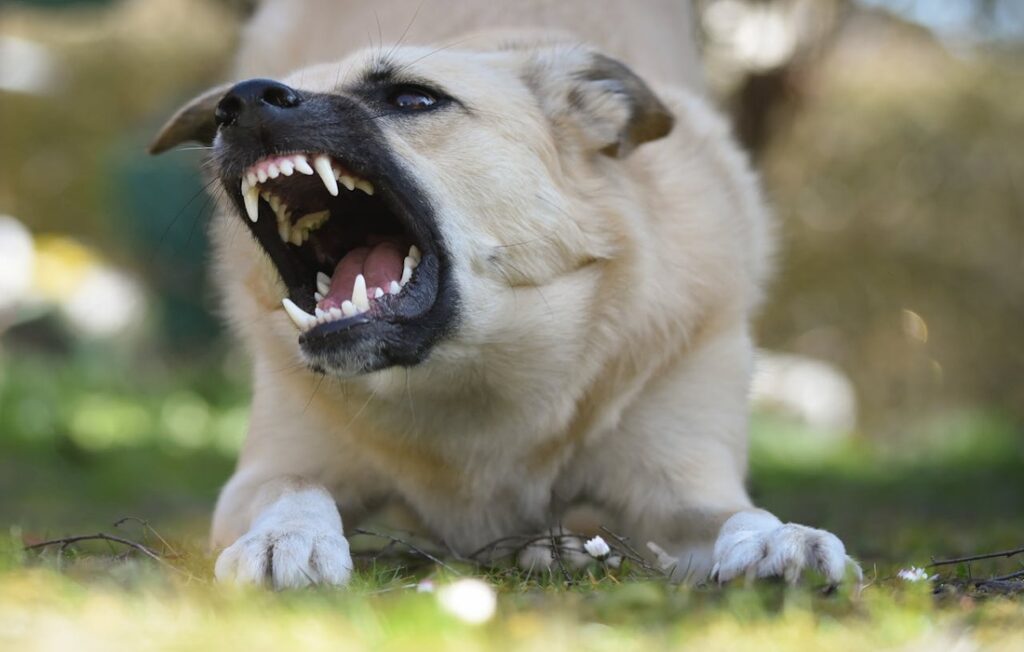
One of the best ways to curb aggressive tendencies in dogs is through training and socialization. Exposing dogs to different people, places, and pets from a young age teaches them to feel confident and secure, so they’re less likely to react aggressively. Using positive reinforcement—like treats and praise—helps teach dogs to follow commands and stay calm in new situations. It’s especially important for stronger breeds to learn impulse control to ensure appropriate reactions.
Positive reinforcement methods are particularly effective. Treats, praise, and consistency can teach your dog to respond to commands and feel comfortable around new stimuli. It’s also vital to work on impulse control with breeds known for their power and strength, ensuring they react appropriately to unfamiliar situations.
Environmental Factors
The environment a dog grows up in can greatly influence its behavior. If a dog is raised in a stressful, neglectful, or abusive situation, it’s likely to show aggressive tendencies. Just like people, dogs are shaped by their experiences. A stable, loving environment helps dogs feel secure.
For instance, consider these environmental impacts:
- Neglect or lack of attention: Dogs left alone for long periods may develop anxiety or frustration that could manifest as aggression.
- Harsh punishment or abuse: Dogs who have been physically punished may become fearful and react aggressively when feeling cornered.
- Unpredictable surroundings: Moving homes, chaotic family dynamics, or loud, unsafe environments can heighten stress levels in dogs.
Being consistent and loving at home can greatly help a dog’s temperament. If a dog has trauma or a negative environment, getting help from a professional dog trainer or behaviorist can be crucial.
Health Issues
Occasionally, a dog may act aggressively due to underlying health problems. Conditions like pain or cognitive dysfunction can cause even the friendliest dogs to lash out. For example, a dog in pain from arthritis might react aggressively when touched in a sensitive spot.
Common medical issues linked to aggression can include:
- Thyroid imbalances, particularly hypothyroidism
- Vision or hearing loss
- Neurological disorders
- Nerve pain or injuries
Regular vet check-ups are essential for spotting and treating health problems before they lead to behavior changes. If your dog suddenly becomes aggressive, it’s wise to get a health screening done.
By understanding these elements—genetics, training, environment, and health—you get a clearer picture of what labels a breed as dangerous. It takes responsible ownership and care to set dogs up for success.
Most Aggressive Dog Breeds
While it’s easy to just blame a breed for aggression, it’s more complicated than that. Some breeds do have traits that could lead to aggressive behavior if not raised properly. Here’s a quick look at some breeds often associated with aggression and what you should know about them
Pitbulls
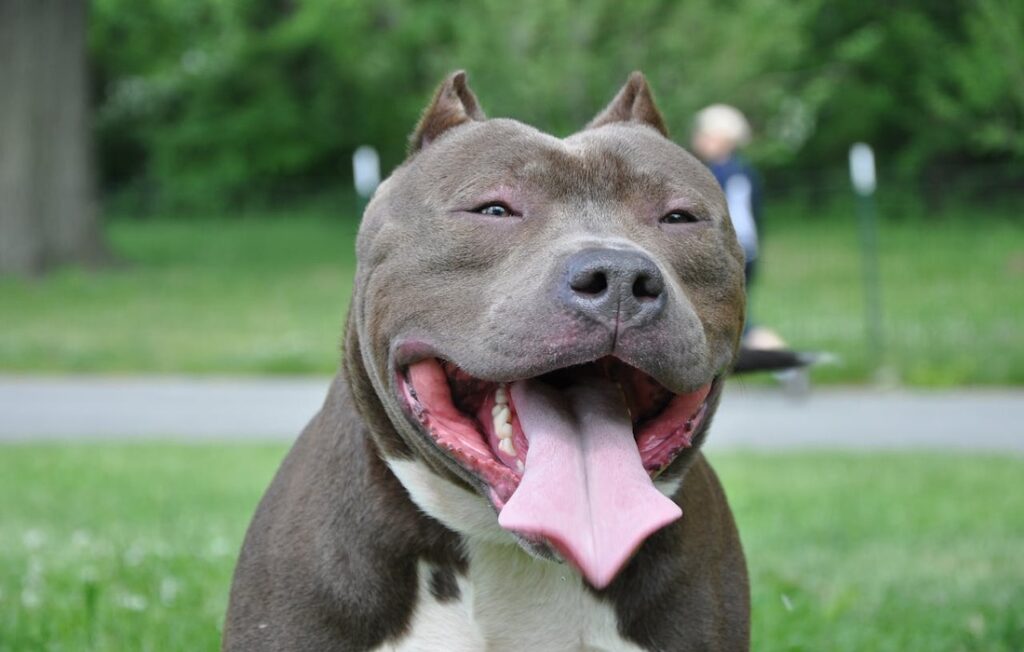
These dogs are known for their loyalty to family. They were bred for bull-baiting and farm work, which requires strength and determination. While they often feature in dog attack reports, their behavior is more about how they’re raised than their breed. Proper training and socialization can help reduce risks.
Rottweilers

They’re known for being protective. Initially used as herding dogs, their size and strength mean they need experienced owners who can guide their assertiveness. Proper training helps prevent overprotectiveness.
German Shepherds
Celebrated for their intelligence, these dogs are often used in police work. But their cleverness can lead to unpredictable behavior if they aren’t properly trained. A good routine and training ensure they’re reliable companions.
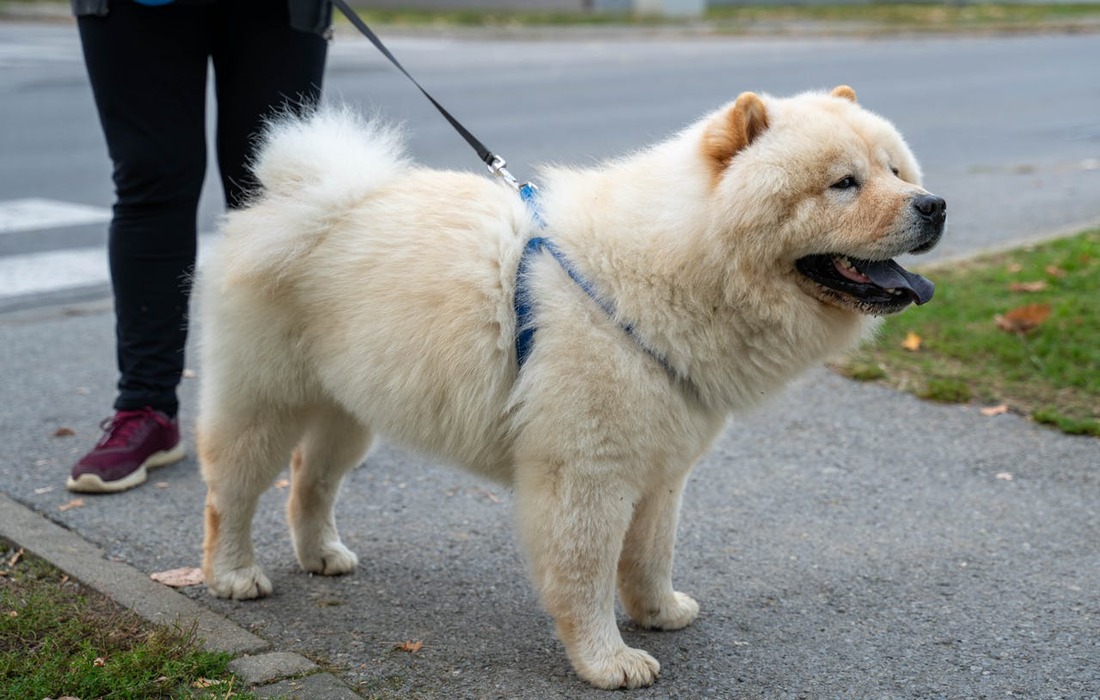
Chow Chows
These dogs can be aloof and territorial, often forming strong bonds with one family member. They may show aggression towards strangers, so socialization is key.
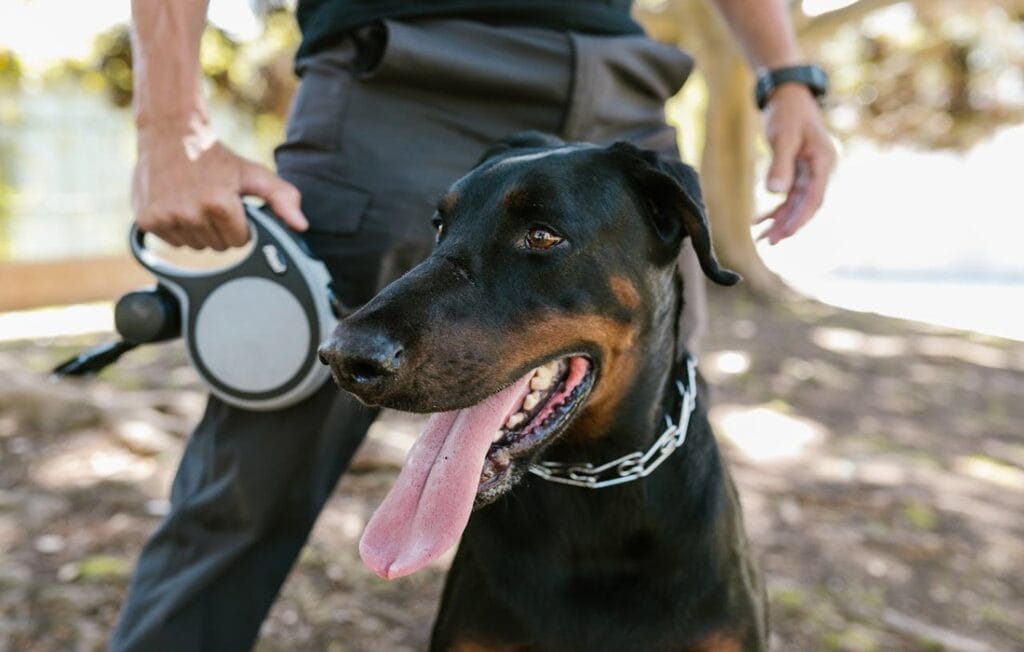
Doberman Pinschers
Bred for protection, these alert and trainable dogs need proper training to avoid aggressive behavior. With strong leadership, they can be both protective and obedient.
Bullmastiffs
Bullmastiffs were originally bred to guard estates, combining the size of a Mastiff with the agility of a Bulldog. Despite their calm nature with family members, their natural guarding instincts can lead to aggression if they feel their territory is threatened. Proper training and early socialization ensure they remain confident yet controlled guardians.
Cane Corsos
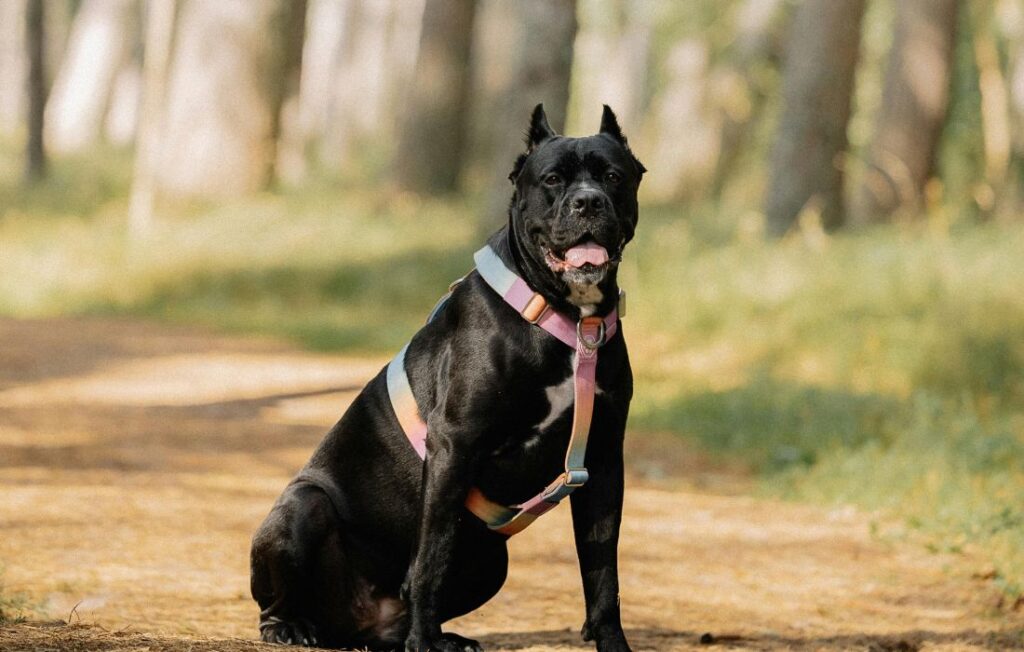
This ancient Italian breed was developed for guarding property and hunting large game. Cane Corsos are intensely loyal but require an experienced owner who understands their dominant tendencies. Without firm leadership, they can become overly protective or aggressive toward unfamiliar people or animals. Training, socialization, and proper exercise are essential for a well-balanced Cane Corso.
Akitas
Originally bred for hunting and guarding in Japan, Akitas are known for their loyalty and dominance. They can be reserved around strangers and aggressive toward other dogs, making socialization essential. Their independent nature requires an experienced owner who understands how to establish leadership.
Alaskan Malamutes
Bred as sled dogs, Malamutes are powerful and independent. While not typically aggressive toward humans, they have strong prey drives and may show dominance toward other animals. Proper training and an active lifestyle help keep them well-behaved.
Huskies
Though Huskies are known for their friendly nature, their independent and energetic personality can lead to behavioral issues. They have a strong prey drive and may become destructive without proper exercise and training. While not typically aggressive, their stubbornness requires an experienced handler.
Presa Canarios (Canary Dogs)
Bred for guarding livestock, Presa Canarios are strong, confident, and protective. They require an owner with experience handling dominant breeds, as their territorial instincts can make them aggressive if not properly trained and socialized.
Wolf Hybrids
A mix between domesticated dogs and wild wolves, Wolf Hybrids can be difficult to train and unpredictable in behavior. Their instincts make them less suited for traditional pet life, and they require specialized care, training, and containment to prevent aggressive tendencies.
Smaller Breeds with Aggressive Traits
Smaller dogs like Chihuahuas and Dachshunds may be tiny, but their personalities can be anything but. These breeds often display surprising levels of aggression toward strangers, possibly due to fear or perceived threats.
Commonly referred to as “small dog syndrome,” this behavior isn’t unique to their size. Owners might unknowingly enable aggressive traits by letting smaller dogs act out unchecked, assuming their stature makes the behavior harmless. Addressing these issues is just as important as it is for larger breeds.
Understanding each breed’s unique traits—and acknowledging that behavior isn’t determined by a single factor—helps us become better dog owners. With the right training, socialization, and care, risks of aggression can be minimized, allowing dogs of all breeds to thrive.
Managing Aggression
Managing aggression doesn’t have to be a huge challenge. With patience and understanding, addressing these behaviors is possible. A mix of effective training, recognizing your dog’s background, and possibly getting professional help can really change things for the better.
Training Techniques for Aggressive Dogs
Positive reinforcement is a cornerstone of behavior modification. Instead of punishing aggressive responses, you can focus on rewarding calm and desirable behaviors. Here’s how you can structure your training plan:
- Use rewards wisely: Treats, verbal praise, or toys can help encourage good behavior in challenging situations.
- Create a safe training space: Use indoor gates or leashes in controlled environments to prevent escalation.
- Teach alternate responses: Train your dog to respond to simple commands like “sit” or “leave it” to redirect focus.
Consistency is vital here. Dogs thrive on routine, so maintaining a regular training schedule builds trust and reinforces desired behavior. For more ideas and professional tips, consider reading Tips for training an aggressive dog.
Early Socialization
Early socialization is like setting a strong foundation. Puppies exposed to a variety of people, pets, and environments are less likely to develop aggressive behaviors later in life. Here’s why it’s critical:
- Builds confidence: Socialization reduces fear-based aggression by helping your dog feel more secure in diverse settings.
- Encourages positive interactions: Dogs learn appropriate behavior around children, strangers, and other animals.
A well-socialized dog can calmly handle everyday situations that might otherwise seem threatening. If you’re socializing a puppy, check out these detailed steps on how to socialize a puppy.
Establishing Boundaries
Dogs need rules—it gives them structure in a world they’re trying to understand. Without boundaries, aggressive behaviors like guarding or possessiveness can become recurring issues. Here’s how to set clear expectations:
- Be consistent: Use the same commands or cues to avoid confusing your dog.
- Control your space: Teach them which areas are off-limits by training them to respect physical boundaries.
- Reward compliance: When they follow the rules, reinforce the behavior with praise or a treat.
The Role of Professional Trainers
If your dog’s aggression feels overwhelming or dangerous, it may be time to bring in an expert. Professional trainers can assess the root causes of the behavior and implement a tailored strategy to address it effectively.
Key benefits of working with a certified trainer include:
- Individualized assessment: Each dog’s aggression has unique triggers; a professional approach ensures these are addressed directly.
- Safer interactions: Trainers guide you through controlled exposure to triggers in a safe environment.
- Skill building: They equip you with tools and techniques to reinforce positive behavior long-term.
Professional trainers act as partners in helping your dog succeed. If you’re considering this option, you can start by exploring The Role of Professional Trainers in Managing Dog Aggression.
Frequently Asked Questions
We often view our dogs as loving family members, but when aggression comes into play, it brings about complex challenges. Understanding the why behind aggressive behavior and how to manage it can help owners make informed decisions. Below are some of the most pressing FAQs about aggressive dogs, broken down into practical advice and actionable steps.
Can Aggressive Dogs Be Trained?
Yes, aggressive dogs can absolutely be trained, but it requires patience, consistency, and often the help of professionals. Aggression often stems from fear, past trauma, or a lack of boundaries, all of which can be addressed through behavior modification and training.
Some success stories include:
- Fear-based aggression resolved through socialization and positive reinforcement.
- Food guarding behaviors eliminated by teaching dogs to associate people near their food with positive experiences.
- Leash reactivity reduced with controlled exposure and desensitization exercises.
Are Certain Breeds Banned in Apartments?
Many apartments have breed restrictions that specifically target breeds with a perceived risk of aggression. Breeds like Pitbulls, Rottweilers, and German Shepherds are often on these lists. The limitations are usually in place due to liability concerns, but this doesn’t mean you’re out of options.
Here’s how to navigate these breed restrictions:
- Look for pet-friendly housing: Some landlords are more accommodating and don’t enforce strict restrictions.
- Provide pet resumes: Highlight your dog’s training, behavior, and proof of vaccinations.
- Offer to pay a pet deposit: Showing you’re financially responsible may ease a landlord’s concerns.
If you’re struggling with apartment hunting, take a deeper dive into Apartment Breed Restrictions 101 for helpful tips.
What Insurance Options Exist for Owners of Dangerous Breeds?
Owning a breed labeled as “dangerous” often impacts your ability to secure homeowners or renters insurance, but there are options. Some companies either exclude certain breeds or charge higher premiums because of perceived risk.
To navigate this, consider the following steps:
- Seek breed-friendly insurers: Companies like State Farm and USAA often base coverage on the dog’s behavior, not its breed.
- Special liability insurance: Policies like those from InsureMyK9 are designed specifically for breeds considered high-risk.
- Behavior certifications: Demonstrating that your dog has completed training or passed a behavior assessment can reassure insurers.
How to Adjust an Aggressive Dog to New Environments?
Helping an aggressive dog adjust to new environments requires preparation and a calm approach. Dogs often become reactive in unfamiliar settings because they feel unsafe or overwhelmed.
Here are some tips to make transitions smoother:
- Keep it gradual: Start with short visits to new places and gradually increase the duration as they grow comfortable.
- Bring familiar items: A favorite toy or blanket can help them feel secure.
- Control the space: Keep your dog on a leash and introduce new people or animals one at a time.
- Reward positive reactions: Use treats or praise to encourage calm and curious behavior.
Introducing your dog to new settings is like teaching them to swim—it’s about baby steps and building trust.
Final Thoughts
While aggressive breeds can carry some negative stereotypes, they also offer fantastic qualities. With the right training, they can be incredibly loyal, intelligent companions who thrive when properly cared for. Focusing on their strengths helps ensure they grow into the loving pets they can be.
Your journey as a dog parent really starts by understanding and investing in their needs. By taking responsible steps, you can set both you and your dog up for a great life together.




Be the first to leave a comment