


Can Dogs Have Coconut Water? A Dog Owners Complete Guide
When it comes to treating our dogs, we always want to know what’s best for our furry friends. One of the question that sometimes come to mind, specially if we’re enjoying a well deserved vacation under the palm trees and brought our dog for the ride, is if coconut water is a safe and healthy option. Here’s the good news: in moderation, it’s safe for dogs.
Packed with natural electrolytes and nutrients, it can offer a refreshing and occasional treat, especially on hot days or after light exercise. In this post, I’ll cover the benefits, risks, and how to safely introduce coconut water to your dog’s diet so you can make an informed decision.
Is Coconut Water Safe for Dogs?

Coconut water has become a trendy drink among health-conscious individuals, lauded for its hydration and nutrient-packed benefits. Naturally, as pet owners, we often wonder if what’s good for us could be good for our furry companions as well. When it comes to coconut water, the answer is yes—but it’s not quite as simple as it seems. While non-toxic and occasionally beneficial, there’s a lot to keep in mind to ensure you’re making the right choice for your pup.
Nutritional Benefits
Coconut water offers several health benefits for dogs when given in moderation. It’s packed with vital nutrients like potassium, calcium, and vitamin C, which are essential for overall well-being.
- Potassium: This electrolyte helps in maintaining proper muscle function and balancing fluid levels in your dog’s body.
- Hydration Boost: Coconut water contains natural electrolytes like sodium and magnesium, which can be helpful on particularly hot days or after a long play session.
- Vitamin C: Although dogs produce their own vitamin C, a small boost from coconut water can aid in supporting their immune system.
Many pet owners swear by coconut water as a great option for occasional rehydration, especially after exercise. According to Whole Dog Journal, it may even aid with digestion and skin health. However, always remember: moderation is key.
Potential Risks
Even with its benefits, there are risks to consider. One major concern is its sugar content. While it’s better than processed sugars, too much can lead to weight gain over time.
- High Potassium Levels: While potassium is beneficial in small doses, excessive amounts could be harmful, especially for dogs with kidney or heart problems.
- Upset Stomach: Coconut water is relatively rich compared to plain water. Overindulgence might result in diarrhea or an upset stomach.
- Additives and Sugars: Always check labels before serving. Some coconut water brands include added sugars or artificial flavors, which are a no-go for dogs.
To avoid any mishaps, introduce coconut water slowly and stick with small amounts. When in doubt, consult your vet to see if this treat is a good fit for your pup’s diet.
Coconut Water vs. Other Hydration Options
Although coconut water has its perks, it shouldn’t replace your dog’s primary hydration source: plain, fresh water. If you’re looking for alternatives to enhance hydration, here’s how coconut water stacks up against other choices:
- Plain Water: Always the best option for hydration. It’s calorie-free, readily available, and perfectly suited to your dog’s needs.
- Pedialyte: In cases of dehydration or illness, pet-safe Pedialyte solutions may work better than coconut water due to their balanced formulation.
- Low-Sodium Broths: These can add flavor and offer hydration but may contain higher sodium levels, which need monitoring.
Remember, coconut water should only be an occasional treat. When used with care, it can be a fun and healthful way to keep your furry friend happy, especially on warm or active days. Always keep your dog’s overall diet and any health concerns in mind before adding new foods or drinks.
How to Safely Introduce Coconut Water to Your Dog

Treating your dog to coconut water may sound like a great idea to boost hydration and add a little variety to their diet. But before filling up their bowl, make sure to introduce it in a way that’s safe and appropriate for your pup’s size, dietary needs, and overall health. Here’s a step-by-step guide to help you make the best decision.
Recommended Serving Sizes
When it comes to coconut water, portion control is everything. Too much of a good thing can quickly upset your dog’s stomach or lead to unintended health issues. To ensure your dog enjoys all the benefits without the risks, follow these general serving size guidelines based on their weight:
- Small dogs (under 20 lbs): Start with 1–2 ounces of coconut water.
- Medium dogs (20–50 lbs): Limit to 3–4 ounces.
- Large dogs (50+ lbs): You can offer up to 5–6 ounces.
For an added layer of caution—especially if it’s your dog’s first time trying coconut water—consider diluting it with an equal amount of plain water. This not only reduces the natural sugar content but also helps you gauge how well your dog tolerates it. Remember, coconut water should only be an occasional treat, not a regular part of their hydration routine, as noted by this helpful article from JustAnswer.
Warning signs
Even with the best intentions, not every dog reacts positively to new foods or drinks. If you’re introducing coconut water for the first time, keep a close eye on your pup for any of the following symptoms:
- Diarrhea: A sign that their digestive system might be overwhelmed.
- Vomiting: Could indicate that the coconut water didn’t sit well in their stomach.
- Lethargy: A potential reaction to the natural sugars or potassium content.
- Allergic reactions: Symptoms like excessive itching, swelling, or hives might point to an underlying sensitivity.
If you notice any of these issues, stop offering coconut water immediately and consult your vet. Another thing to consider when sharing coconut water with your pup is it’s high potassium content, while generally safe in small amounts, it could pose risks for dogs with pre-existing health conditions, such as kidney or heart problems.
Avoiding Additives and Sweeteners
When selecting coconut water for your dog, always check the label. Many store-bought coconut water brands add sugars, sweeteners, or preservatives that can be harmful—even toxic—for dogs. Some key things to look for include:
- No added sugars: Excess sugar can contribute to weight gain and dental issues.
- Avoid xylitol: This sugar substitute is extremely toxic to dogs and can cause life-threatening health problems.
- 100% pure coconut water: Opt for products that are free from additives, artificial flavors, and preservatives.
The safest option? Look for organic, unsweetened coconut water or tap a fresh coconut. This ensures your dog is getting only the pure, natural hydration you intend.
When Coconut Water May Be Beneficial
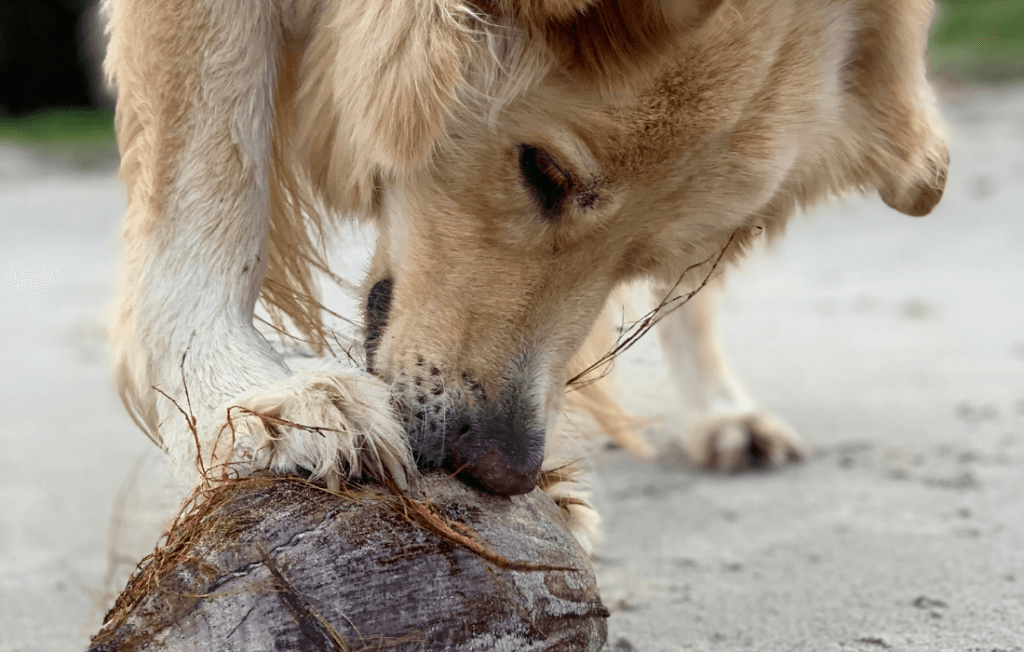
Coconut water can be an appealing option for dogs in specific scenarios, especially when it comes to hydration and treating them to something refreshing. While it should never replace plain water as their main source of hydration, there are certain times when this nutrient-rich drink can be a thoughtful addition to your pup’s routine. Below, I’ll explore a couple of practical ways to use coconut water for your dog’s health and happiness.
Coconut Water for Hydration After Activity
Dogs love to stay active, but after a vigorous round of exercise or a long walk on a warm day, they might need more than just their regular bowl of water to rehydrate. Coconut water contains natural electrolytes—such as potassium, magnesium, and sodium—that can help replenish what’s lost through panting or sweating through their paw pads.
Why is this helpful? Just like athletes turn to sports drinks, your dog benefits from electrolyte replenishment after physical exertion. The natural sugars in coconut water provide a small energy boost to help perk them up after playtime. In particularly hot climates, where dehydration becomes a bigger concern, coconut water can be especially useful.
If you want to offer coconut water safely, pour a little into their water bowl after a workout. Stick to moderation to avoid upsetting their stomach.
Coconut Water as a Treat in Moderation
Treating your dog to coconut water during summer days doesn’t just keep it fun—it’s also a clever way to sneak in some hydration. The key here is balance. Coconut water should remain an occasional treat rather than a regular part of their diet.
Here are a few creative ways to serve it:
- Coconut Water Ice Cubes: Freeze plain coconut water in an ice tray for a cooling, chewable summer treat.
- Mix with Meals: Add a small splash to their food bowl for subtle flavor enhancement without overdoing it.
- Homemade Frozen Treats: Combine unsweetened coconut water with dog-safe fruits like bananas or watermelon, then freeze into molds. You can use ideas like this frozen dog treat recipe for added inspiration.
Just make sure whatever recipe or usage you choose aligns with your dog’s dietary needs. For example, avoid using sweetened or flavored coconut water, as these could introduce unnecessary sugars or harmful additives.
Consult Your Vet First
Before giving your dog anything new, including coconut water, it’s always best to ask your vet. They can help determine if it’s right for your dog based on their health needs.

Individual Health Needs and Risks
Not all dogs are the same, and their health needs can vary widely based on age, weight, activity level, and underlying conditions. For instance, dogs with kidney issues or heart problems might be more sensitive to the potassium in coconut water, even in small amounts. Your vet can evaluate your dog’s unique health profile and determine whether coconut water is a safe addition.
Monitoring for Allergies or Intolerance
Just like people, dogs can have food sensitivities or allergies that you might not know about. Coconut water, though generally considered safe, could still trigger an upset stomach, hives, or other reactions in sensitive dogs. Your veterinarian might suggest a small test portion to gauge your dog’s tolerance. If they show symptoms like diarrhea, vomiting, or lethargy, it’s crucial to stop and seek medical advice.
Adjusting Serving Sizes
Your vet can also provide tailored recommendations for serving sizes. While general guidelines exist—like limiting small dogs to around 1–2 ounces of coconut water—it’s better to rely on a professional opinion. They can factor in your pet’s activity level, size, and any dietary restrictions to give you precise guidance. Without this tailored advice, you risk overloading your dog with sugar or electrolytes.
While coconut water might seem harmless, consulting your vet first will give you the peace of mind that you’re doing what’s best for your furry friend. A bit of planning upfront could save you from potential health issues later.
Final Thoughts
Coconut water can be a fun and beneficial treat for dogs when given in moderation. It’s packed with nutrients that can help with hydration. Just make sure to avoid commercial brands with added sugars or artificial ingredients. Always chat with your vet first and keep an eye on how your dog reacts if you decide to give it a try. That way, you can safely enjoy this treat with your furry friend!
I hope this guide was helpfull in clarifying any questions you had about giving coconut water to your furry friend. Remember to always consult your vet before introducing any new food or drink, especially if your dog has health conditions like kidney or heart issues. Also stick to small amounts and monitor your dog’s reaction, so you can safely enjoy sharing this treat with your furry friend.




Be the first to leave a comment