

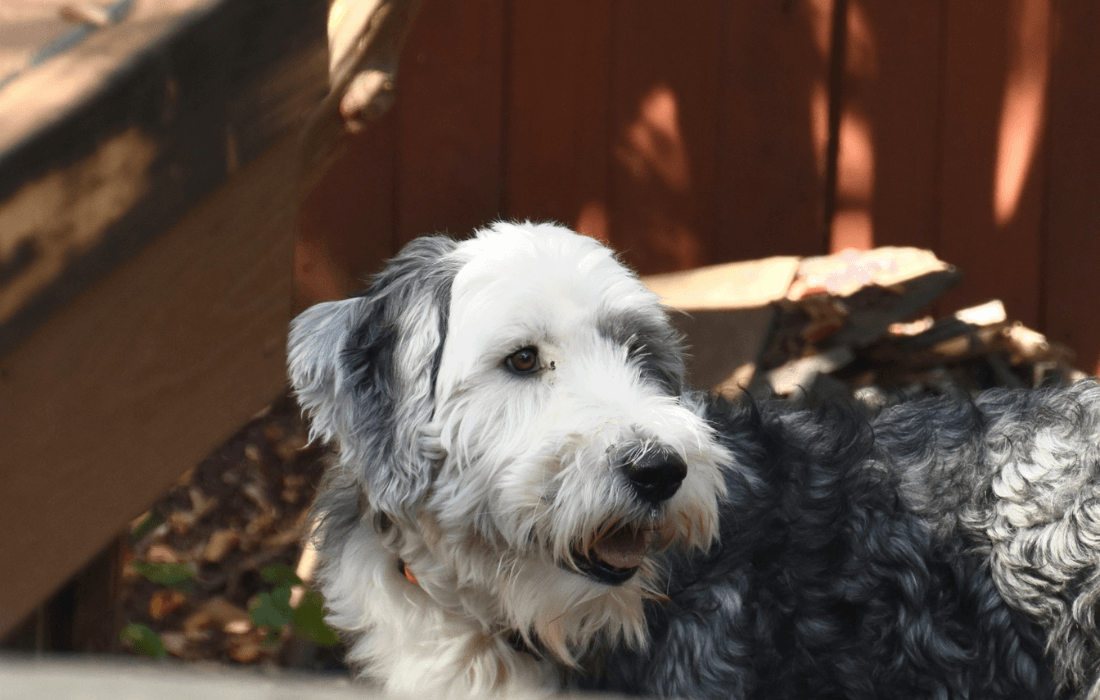
Sheepadoodle Dog: An Ultimate Guide For Prospective Owners
If you’ve ever wanted a dog that’s playful, smart, and snuggly, a Sheepadoodle could be just the right choice. These cute hybrids are becoming favorites among families. They’re friendly and loyal, making them great companions for kids or anyone who enjoys their company, whether that’s playing, relaxing on the couch, or going for walks.
Plus, their hypoallergenic coats make them suitable for people with allergies. In this post, I’ll share everything you need to know about this awesome breed, including what makes them unique and how to keep them happy and healthy. Let’s get started!
What is a Sheepadoodle?
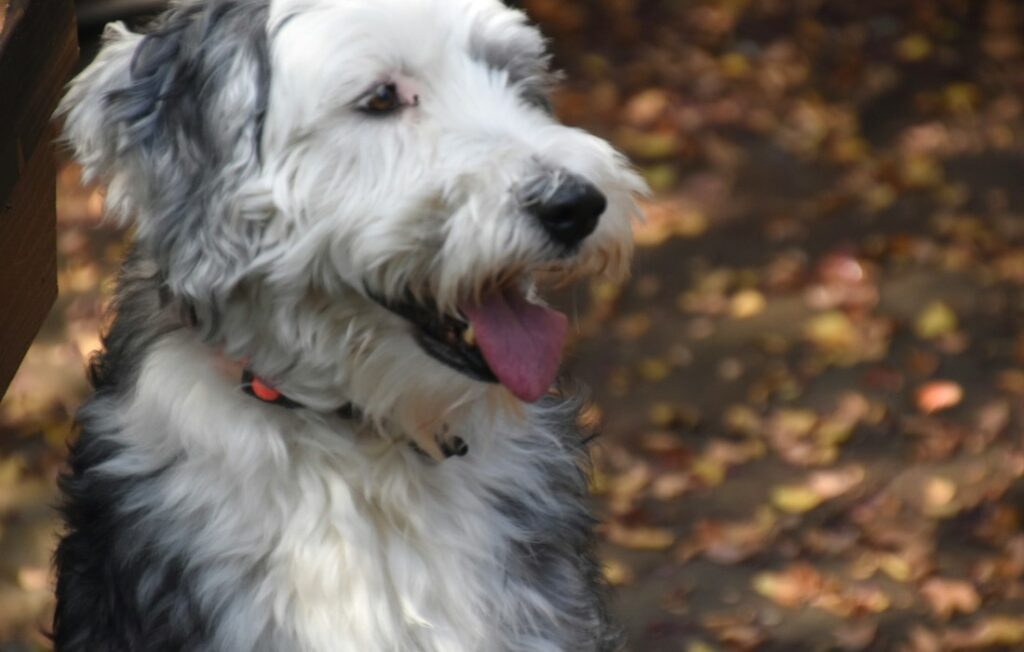
When you hear “Sheepadoodle,” you might imagine a fluffy ball of energy that’s part sheepdog and part poodle. You’re not off base! This mix brings together the smartness of Poodles and the lovable, hardworking traits of Old English Sheepdogs. Thanks to their fun-loving and low-shedding nature, Sheepadoodles have become a hit with families and dog lovers alike. Let’s see why they’re so special.
Where They Come From?
Sheepadoodles are a designer breed made by crossing an Old English Sheepdog with a Poodle. The idea is to combine the best traits of both breeds into a dog that’s loving, smart, and hypoallergenic. They were initially bred to be friendly family pets and inherited the gentle herding instincts of the Sheepdog along with the Poodle’s cleverness. This mix results in a dog that’s not just adorable, but also eager to learn.
Interestingly, because of their hypoallergenic coats, Sheepadoodles became especially popular with individuals and families looking for a low-shedding dog that could still keep up with an active lifestyle.
Physical Characteristics
Sheepadoodles come in three size categories: standard, mini, and micro.
- Standard Sheepadoodles: Typically weigh anywhere between 60 to 80 pounds and stand around 18–27 inches tall.
- Mini Sheepadoodles: Fall in the 20–50 pound range, making them a middle-ground option for those who want a smaller dog.
- Micro Sheepadoodles: The tiniest of the bunch, they usually weigh less than 20 pounds, perfect for those living in smaller spaces.
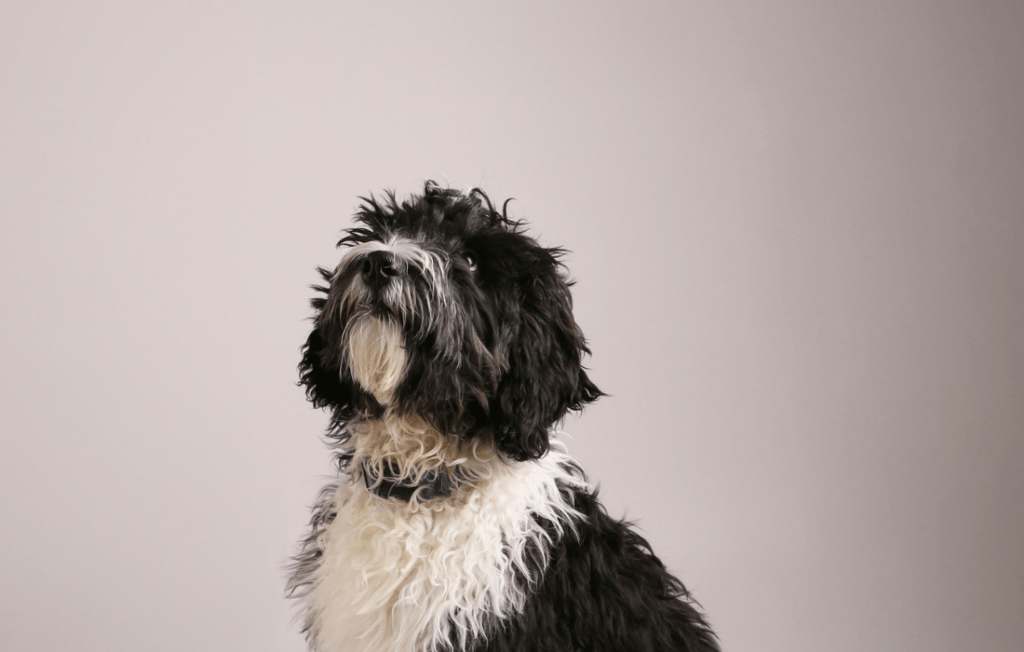
Their coats are soft and can be wavy or curly, often coming in black, white, or gray with unique markings. Because of their Poodle and Sheepdog heritage, they sometimes look like little teddy bears, which just adds to their charm. For a better look at how they vary, check out this article about Sheepadoodle facts.
Temperament
Sheepadoodles are known for being friendly, loving, and playful. They fit right into family life and are fantastic with kids, often becoming the center of attention. Their loyalty is one of their best traits, and their smarts make them quick learners, whether you’re teaching them commands or fun tricks.
Here’s why people love them:
- They’re gentle giants (if standard-sized) that can keep up with both energetic kids and laid-back adults.
- Their playful side is balanced by a calm demeanor, making them great cuddle buddies.
- They’re social animals who thrive on love and attention, so you’ll rarely find them sulking in the corner.
If you’re thinking of adding one to your family, knowing their personality is important. This resource on Sheepadoodle temperament dives into their traits. From their interesting beginnings to their lovable nature, Sheepadoodles are a breed that wins hearts. With the right care, they will be great companions for years to come.
Sheepadoodle Grooming and Maintenance
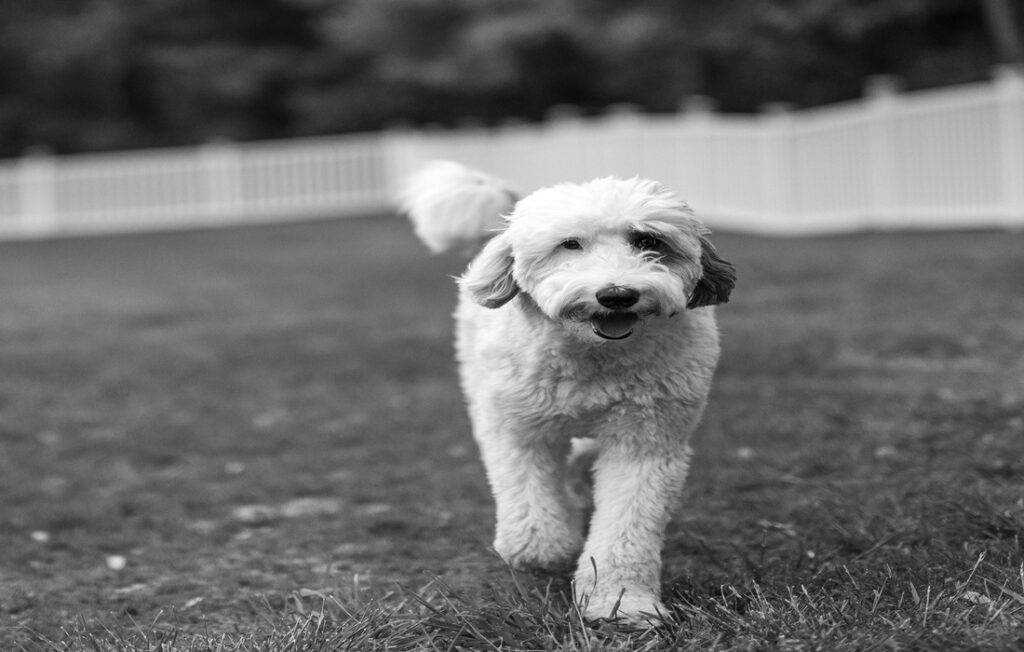
To keep your Sheepadoodle looking and feeling great, regular grooming is a must. Being a mix of Poodle and Old English Sheepdog means their coats require some special attention. Whether it’s their fluffy fur or their sweet personalities, keeping up with grooming is key to their happiness.
Coat Care and Grooming
Their coat is one of their most delightful features, but it also needs plenty of care. Their low-shedding, hypoallergenic coat is great for allergy sufferers, but it can mat if you don’t brush it regularly.
Here’s how to keep their coat in top shape:
- Daily Brushing: Brushing your Sheepadoodle’s coat at least three times a week—or ideally daily—is crucial. Use a quality slicker brush or pin brush to remove tangles and prevent mats from forming. Mats don’t just make brushing harder; they can irritate your dog’s skin and cause discomfort.
- Professional Grooming: You’ll need the help of a professional groomer every 6-8 weeks. Regular trims keep their coat manageable and ensure the length is appropriate for the season. Groomers are also experts at detecting skin issues early on.
- Bathing: Sheepadoodles don’t need frequent baths—typically once every 4-6 weeks, or when they get especially dirty. Use a gentle, dog-safe shampoo to avoid skin irritation.
Nail, Ear, and Dental Care
Grooming isn’t just about looks—it’s also about maing sure your Sheepadoodle stays comfortable and free from common issues like infections or overgrown nails. Proper nail, ear, and dental care form the foundation of their health routine.
- Nail Care: Pay close attention to your Sheepadoodle’s nails. If you hear them clicking on the floor, they’re too long and need a trim. Regularly cutting your dog’s nails not only keeps them comfortable but also helps avoid joint stress caused by improper posture. Nail trimming is an art; if you’re new to it, this general Sheepadoodle care page can help clarify what’s needed.
- Ear Cleaning: Sheepadoodles have floppy ears that can trap moisture, leading to potential infections. Clean their ears weekly with a vet-recommended ear cleaner to remove wax and prevent bacteria build-up.
- Dental Health: Dental care is crucial but often overlooked. Use a dog-specific toothbrush and toothpaste, or opt for dental chews as a convenient alternative to brushing. Regular cleaning will keep bad breath, plaque, and gum disease at bay.
Exercise and Activity Requirements
A Sheepadoodle needs regular exercise to stay fit, both physically and mentally. These dogs are active and love staying busy, so finding the right balance of daily movement and play is important.
Daily Exercise Needs
Sheepadoodles thrive when they have a consistent routine of physical and mental stimulation. They’re not couch potatoes—these dogs need regular activity to expend their energy and keep them sharp. Here’s what a typical day might look like:
- Daily Walks: Aim for at least one long walk of 45–90 minutes depending on your dog’s size and age. For puppies or smaller Sheepadoodles, break this into shorter walks. These outings provide more than exercise—they’re also a chance for socializing and exploring.
- Interactive Playtime: Activities like fetch, tug-of-war, or playing with puzzle toys are excellent for keeping their minds occupied. Incorporate these bursts of energy into your daily routine for variety—and always keep it fun.
- Training Sessions: These dogs are smart and enjoy learning! Short, 10-minute training sessions sprinkled throughout the day are a great way to engage them mentally while reinforcing good behavior.
Without enough activity, Sheepadoodles can become restless or anxious. Consistency is key—if you make exercise a daily habit, your dog will love you for it.
Fun Activities for Sheepadoodles
This breed stands out for its versatility and eagerness to please, making them ideal for a wide range of activities. If you’re wondering what types of activities are a perfect match for your Sheepadoodle, here are some popular options:
- Agility Training: With their combination of intelligence and athleticism, Sheepadoodles excel at agility courses. Whether it’s weaving through poles or hopping over hurdles, agility training offers an outlet for their boundless energy while strengthening their bond with you. Look into nearby classes or even build a DIY course in the backyard for some interactive fun.
- Swimming: Many Sheepadoodles have a natural love for water thanks to their Poodle lineage. Taking them to a dog-friendly beach or pool is not only an excellent workout but also a way to cool down during warmer months. Be sure to rinse their coat afterward to prevent irritation—this tip is a lifesaver!
- Interactive Games: Beyond standard fetch, try games like hide-and-seek or “find the treat.” These activities make excellent use of their sharp intelligence and herding instincts.
- Outdoor Adventures: Whether it’s a hike in the woods or a stroll around the neighborhood, Sheepadoodles love exploring new terrains. Just make sure to factor in rest breaks and hydration, especially if you’re pushing past your typical routine.
Training and Socialization
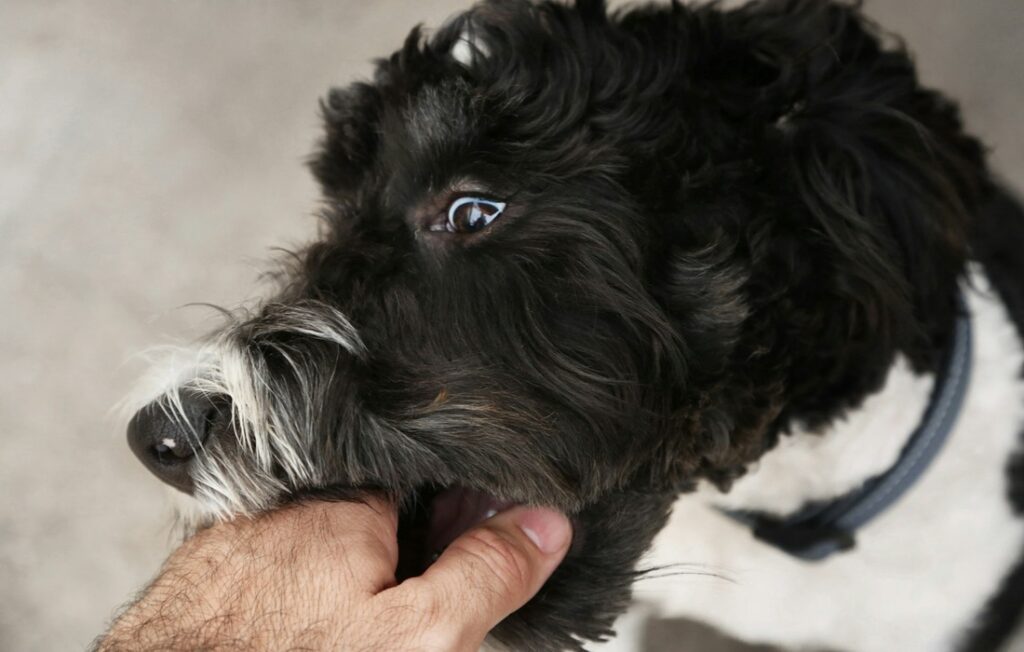
Proper training and socializing are important for a Sheepadoodle. With their smarts, they’re eager to learn and respond well to positive reinforcement. Here’s how to help them become great companions:
Positive Reinforcement Training
Sheepadoodles are incredibly smart, thanks to their Poodle lineage, which makes them eager to learn and respond well to positive reinforcement training. Using rewards like treats, praise, and toys builds trust and reinforces good behavior without fear or punishment. Here’s what works best:
- Consistency is key: Be clear and consistent with commands. If you’re teaching them to sit, use the same word and tone every time.
- Immediate rewards: Offer treats or praise as soon as they perform a desired behavior. Timing is critical.
- Shortcut training sessions: Break training into 10-15 minute intervals to avoid overwhelming your Sheepadoodle. Their high intelligence thrives in brief, focused bursts.
For science-backed insights on why this method is effective, check out the Humane Society’s guide on positive reinforcement training.
Managing Herding Instincts
Sheepadoodles inherit herding tendencies from their Old English Sheepdog side, and you may notice behaviors like nipping at heels or “herding” family members during play. While these instincts are natural, they can become problematic if left unmanaged. Here are some strategies:
- Redirect their energy: Channel their herding instincts into tasks like fetching balls or playing structured games. This keeps their minds and bodies engaged.
- Teach “Leave It” and “Come” commands: These are crucial for breaking herding patterns and reinforcing focus on you.
- Regular exercise: Keep them physically and mentally stimulated to prevent boredom-driven herding behavior.
For more tips on managing herding personality traits, visit this helpful resource on herding behavior in dogs.
Socializing with Kids and Other Pets
Sheepadoodles are naturally sociable, but proper early socialization is essential to avoid shyness or aggressive tendencies. Introducing them to children and other pets gradually can make all the difference in fostering harmonious relationships.
- Start young: The earlier you expose your Sheepadoodle to new people, pets, and environments, the better. Positive early experiences shape their confidence.
- Supervised introductions: Always supervise interactions with children, especially toddlers, to ensure safety and mutual respect.
- Reward calm behavior: If your Sheepadoodle remains calm around kids or other animals, praise or reward them with treats. Positive reinforcement strengthens their sense of ease.
Health Considerations and Dietary Needs
To keep your Sheepadoodle healthy, you need to know their common health issues and nutritional needs. While they’re generally sturdy, they can still face health challenges from both parent breeds.
Common Health Issues
Like all breeds, Sheepadoodles can have certain health concerns. Regular vet visits help catch issues early.
- Hip Dysplasia: This condition affects many larger dog breeds, including Sheepadoodles. It occurs when the hip joint fails to develop properly, causing wear and tear on the joint over time. Symptoms include discomfort while walking or trouble climbing stairs. Your vet may recommend weight management, joint supplements, or surgery for severe cases.
- Eye Issues: Progressive retinal atrophy (PRA) and cataracts are possible concerns, particularly as Sheepadoodles age. PRA can lead to gradual vision loss, while cataracts are a clouding of the lens. Early diagnosis and treatment options should be discussed routinely with your vet.
- Bloat (Gastric Dilatation-Volvulus): Large and deep-chested breeds, like Sheepadoodles, are prone to this life-threatening condition. Bloat occurs when the stomach twists, trapping gas inside. Immediate veterinary intervention is critical. Feeding smaller meals throughout the day and avoiding vigorous exercise after meals can help reduce risks.
- Allergies and Skin Sensitivities: These can range from itchy skin to food-related sensitivities. Working closely with your vet can help identify triggers and create a tailored care plan.
Proper Nutrition
Sheepadoodles thrive on a well-balanced diet tailored to their energy level, size, and age. Good nutrition does more than fuel their playful spirit—it also supports joint health, coat condition, and overall wellness.
Feeding Guidelines
- High-Quality Food: Select a diet rich in animal-based protein. Look for meat such as chicken, beef, or fish listed as the primary ingredient. Avoid foods with fillers like corn or soy. For ideas, this rundown of top nutrition tips for Sheepadoodles provides an excellent starting point.
- Meal Portioning: Overfeeding can lead to obesity, which exacerbates joint issues like hip dysplasia. Divide daily portions into two to three smaller meals. Your vet can help you determine the exact serving size based on your dog’s activity level.
- Joint Health Supplements: Since hip and joint problems are common, supplements like glucosamine and fish oil can provide added support. These are often available in chewable or powder forms and can be easily incorporated into their meals.
- Puppy Nutrition: If you have a Sheepadoodle puppy, stick to a large-breed puppy food designed to support their slower bone growth and avoid stress on their joints. For more details, check out this guide on feeding Sheepadoodles.
Foods to Avoid:
- Grain-free diets, as recent studies suggest they may lead to heart-related issues.
- Low-quality dog foods with artificial preservatives or by-products.
By focusing on high-quality nutrition and portion control, you’ll be giving your Sheepadoodle the foundation they need for a happy, healthy life. ????
Is a Sheepadoodle Right for You?

Sheepadoodles are undeniably charming with their teddy bear-like appearance, gentle demeanor, and friendly personality. But before bringing one into your home, it’s essential to figure out if their needs and traits align with your lifestyle. Let’s break down the key factors to help you decide.
Ideal Living Situations
Sheepadoodles are adaptable dogs, making them a great fit for various home settings, but some environments suit them better than others. Here’s what to consider:
- Size Matters: Standard Sheepadoodles can weigh up to 80 pounds, so they’re best suited to homes with ample room to roam. If you’re in an apartment or have limited space, a mini or micro Sheepadoodle is a better match. Even in smaller homes, they can thrive with regular exercise and plenty of interaction.
- Outdoor Access: A yard isn’t mandatory, but having one allows your Sheepadoodle to burn off energy. They love fetching toys or simply running around. Keep in mind that regular walks and mental stimulation are equally, if not more, important.
- Family Dynamics: These dogs adore being part of family life. They’re great with kids and get along well with other pets, but they aren’t fans of being left alone for extended periods. If you work from home or have a busy household, your Sheepadoodle will feel right at home.
- Activity Levels: If you love the outdoors or have an active lifestyle, Sheepadoodles make excellent companions. They’ll happily join you for hikes, beach trips, or long walks in the neighborhood.
Time Commitment for Care
Owning a Sheepadoodle requires more than cuddles and playtime—they need dedicated care to thrive. Here’s how much time you’ll need to invest in order for your furry friend to thrive:
- Grooming: With their wavy or curly coat, regular grooming is a must. Plan to brush them several times a week to prevent matting, and schedule professional grooming every 6-8 weeks. Bathing can be done every 4-6 weeks or as needed.
- Exercise: A Sheepadoodle’s energy levels demand daily exercise. Set aside at least an hour for walks, playtime, or other forms of activity. Puppies or smaller Sheepadoodles may need shorter, more frequent bursts of activity.
- Training: These intelligent dogs pick up commands quickly, but they need consistent and patient training. Short, 10- to 15-minute sessions throughout the day work best. Early training is particularly important to manage their herding instincts.
- Socialization: Whether it’s puppy classes, playdates, or trips to the dog park, socializing your Sheepadoodle ensures they remain well-behaved and friendly. If they’re not regularly exposed to new people, animals, and environments, behavioral issues like separation anxiety can arise.
- Daily Interactions: Sheepadoodles crave attention and companionship. If you’re considering this breed but work long hours away from home, a dog walker or pet sitter might be necessary.
Sheepadoodles are loving, adaptable dogs, but their care requires time and effort. If you’re ready to meet their needs, they’ll reward you with endless affection and loyalty.
Final Thoughts
Sheepadoodles are a unique blend of loyalty, intelligence, and playful charm which makes them the perfect breed for families. They’re adaptable to various lifestyles but thrive best in homes where their grooming, exercise, and mental stimulation needs are met. Their low-shedding coat and affectionate personality make them standout companions, especially for those ready to dedicate time to proper care and training.
If you’re considering this lovable breed, think about how their energetic personality and maintenance requirements fit into your daily routine. With the right environment and attention, a Sheepadoodle will reward you with years of unconditional love and companionship.



Be the first to leave a comment