


The Best Puppy Food for Healthy Growth and Development

Welcoming a new puppy into your home is one of life’s greatest joys, but it also comes with responsibilities. That little bundle of energy will fill your days with joy, but you’ve got to make sure you’re doing things right. A big part of that? Picking the right food.
Why is this so important? Think of a puppy’s first year as laying the groundwork for everything that comes next. If you don’t nail this part, things might go off track later. Puppies grow fast, and they need specific nutrients to support that growth. Let’s break it down in an easy way so you can make the best choices for your pup.
Puppy Food vs. Adult Dog Food
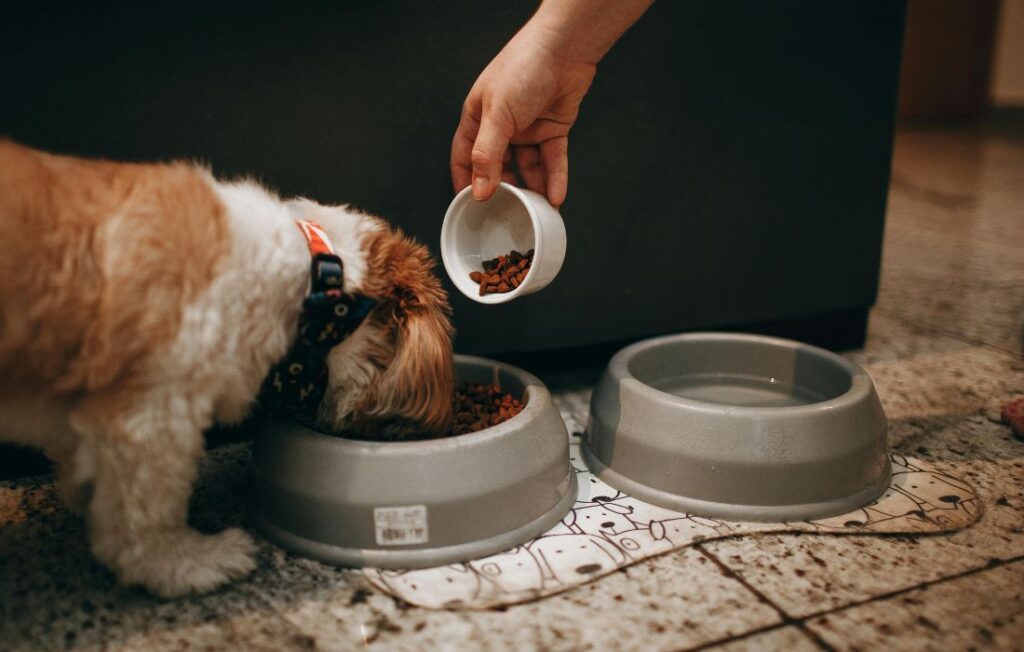
Think of puppy food as baby formula and adult dog food as regular meals. They’re both food, sure, but they serve very different purposes. Puppies are growing, so their bodies demand more nutrients to develop strong bones, muscles, and organs, while adult dogs are mainly maintaining what they’ve got.
Here are some key differences:
- More Protein: Protein helps puppies grow muscle and stay active. It’s like fuel for their tiny engines.
- Higher Fat Levels: Fat isn’t just for energy. It also helps with brain development and vitamin absorption.
- Essential Vitamins and Minerals: Calcium and phosphorus are must-haves for strong bones and teeth.
- Smaller Portions, More Often: Puppies have smaller stomachs, so they need frequent meals packed with nutrients.
What Nutrients Does Your Puppy Need?
Choosing the right food means knowing what to look for on the label. Here’s a quick cheat sheet:
1. Protein
Protein is the building block of life. Puppies need it to grow strong muscles and organs. Look for foods with at least 25-30% protein.
- Good sources? Chicken, turkey, beef, or fish. High-quality proteins are key.
- Pro tip: Smaller breeds often need more protein than larger breeds because their metabolisms are faster.
2. Fat
Fat isn’t a bad word—it’s essential for puppies. It’s their main energy source and supports brain development.
- Look for: Healthy fats like Omega-3 and Omega-6 fatty acids.
- How much? 8-20%, depending on your puppy’s breed and size. Larger breeds need less fat to prevent growing too quickly.
3. Carbohydrates
Carbs help fuel your puppy’s energy. They also aid digestion.
- Best options? Sweet potatoes, brown rice, oatmeal, or barley. These are gentle on the stomach and provide steady energy.
4. Vitamins and Minerals
These little guys do a lot of heavy lifting—from supporting the immune system to aiding bone growth.
- Focus on: Vitamin A, D, and E, plus calcium and phosphorus.
- Important tip for large breeds: Too much calcium can cause joint problems. Stick to balanced puppy food with the right calcium-to-phosphorus ratio (1.2:1 is ideal).
5. DHA (Docosahexaenoic Acid)
DHA is an Omega-3 fatty acid that’s a superstar for brain and eye development. Think of it as brain food for your pup.
- Where to find it? Fish oil or algae oil in premium puppy foods.
6. Fiber
Fiber keeps your puppy’s digestion running smoothly. It’s especially helpful if they’re prone to tummy troubles.
- Best sources: Pumpkin, peas, and sweet potatoes.
- Ideal range: 2-5%, depending on your puppy’s needs.
Tailoring Nutrition to Your Puppy’s Size and Breed
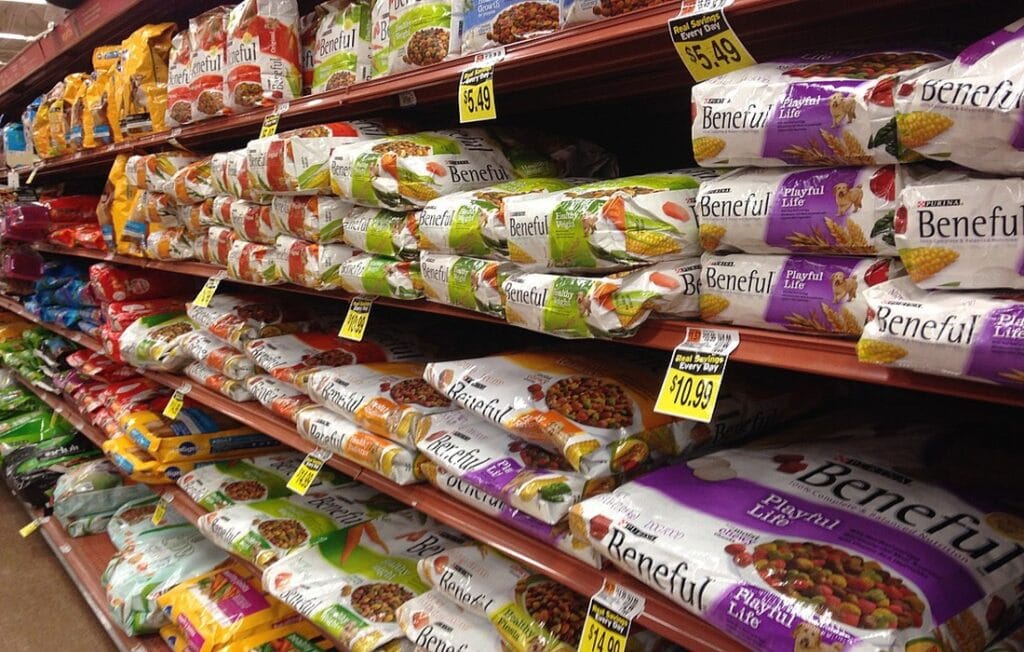
Not all puppies are created equal. A Chihuahua and a Great Dane grow at very different rates and have unique dietary needs. Here’s how to choose food based on size:
Small-Breed Puppies
Small breeds burn energy fast. They need calorie-dense food with small kibble sizes (perfect for tiny mouths).
- What to look for: At least 30% protein and 15-20% fat.
- Example: A Yorkie puppy playing all day needs more calories per pound than a laid-back larger breed.
Large-Breed Puppies
Big breeds grow slower but have unique needs. Too much fat or calcium can lead to joint issues.
- Focus on: Controlled levels of calcium and phosphorus. Protein around 22-28%, with fat closer to 8-15%.
- Example: A Lab or Golden Retriever puppy thrives on a steady growth pace—not rapid weight gain.
Medium-Breed Puppies
They’re the Goldilocks of the dog world. Their needs fall somewhere in the middle.
- What to look for: A balanced formula with 25-30% protein and 12-16% fat.
Best Ingredients for a Growing Puppy
Now that you know the basics, let’s talk ingredients. Always go for whole, real foods—no cheap fillers or artificial junk.
- Protein: Chicken, lamb, or salmon are excellent choices.
- Carbs: Brown rice, sweet potatoes, or barley.
- Healthy Fats: Fish oil or flaxseed for those brain-boosting Omega-3s.
- Extras: Fruits and veggies like blueberries and spinach for antioxidants and fiber.
Avoid These Common Puppy Feeding Mistakes
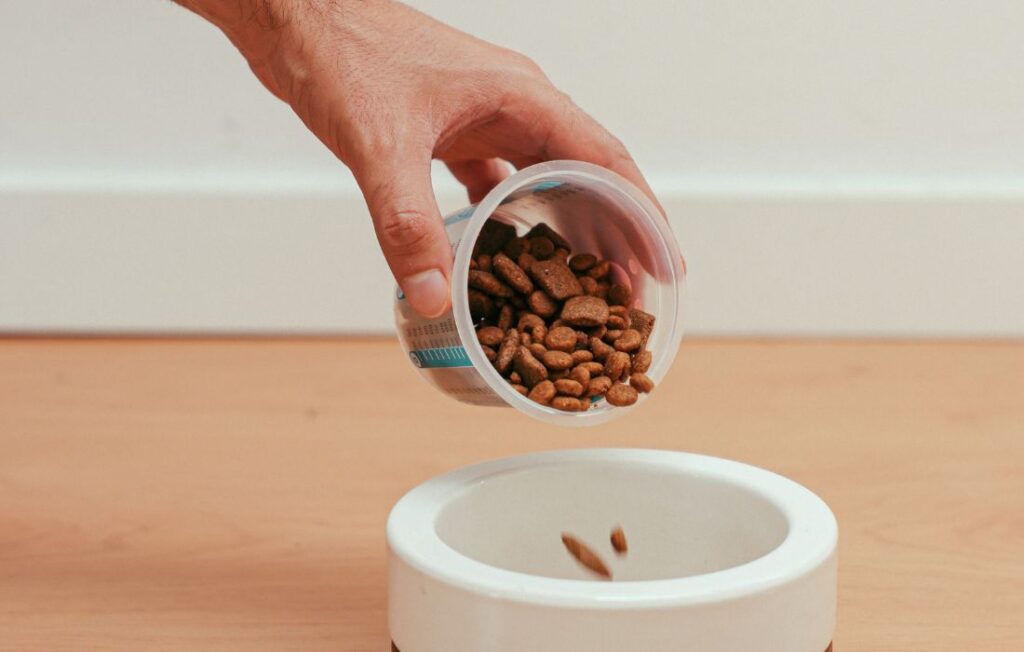
Raising a puppy is a learning curve, and mistakes happen. But when it comes to food, a few simple tips can help you avoid the big ones:
1. Feeding Adult Dog Food
Adult food isn’t tailored for a puppy’s nutritional needs. Stick to puppy-specific formulas.
2. Overfeeding or Underfeeding
Too much food can lead to obesity and joint problems. Too little can stunt growth. Follow the feeding guidelines on the bag and adjust as needed.
3. Feeding Low-Quality Food
Avoid anything with fillers, by-products, or artificial additives. Cheap food may save money now, but it could cost you in vet bills later.
4. Switching Foods Too Quickly
Changing food overnight can upset your puppy’s stomach. Transition gradually over 7-10 days by mixing the old food with the new.
Top Puppy Food Brands
There are plenty of great options out there. Here are a few trusted names to get you started:
1. Hill’s Science Diet Puppy
Hill’s Science Diet is a trusted brand known for its veterinarian-recommended formulas. Their puppy food contains high-quality protein, DHA for brain development, and a balanced ratio of calcium and phosphorus for bone health. Hill’s Science Diet offers food for all breed sizes and has specialized formulas for sensitive stomachs and skin.
2. Royal Canin Puppy
Royal Canin offers breed-specific puppy food formulas, ensuring that the nutritional needs of different breeds are met. Their food contains a blend of fibers to support digestive health, DHA for cognitive development, and high-quality protein to support muscle growth. Royal Canin’s formulas also feature small kibble sizes, making them perfect for small-breed puppies.
3. Blue Buffalo Life Protection Formula Puppy
Blue Buffalo’s Life Protection Formula is made with real meat as the first ingredient, and it includes DHA, ARA (an Omega-6 fatty acid), and other essential nutrients. It’s free from by-products and fillers and includes whole grains, vegetables, and fruits for balanced nutrition.
4. Wellness CORE Grain-Free Puppy Food
For puppies with sensitivities to grains, Wellness CORE offers a high-protein, grain-free formula that is rich in turkey, chicken, and salmon. This food is packed with DHA, antioxidants, and Omega fatty acids, all of which contribute to strong bones, brain development, and a shiny coat.
5. Orijen Puppy Food
Orijen offers biologically appropriate puppy food that uses fresh, regional ingredients. Their formulas are high in protein, made with free-run chicken and turkey, wild-caught fish, and cage-free eggs. Orijen’s puppy food also contains DHA from fish oil, which supports cognitive development and visual health.
6. Natural Balance L.I.D. Limited Ingredient Diets
Natural Balance offers a limited-ingredient diet that is perfect for puppies with food sensitivities or allergies. Their formulas are simple yet complete, using premium protein sources like lamb or turkey and combining them with digestible carbohydrates like sweet potatoes.
Final Thoughts
Keeping your puppy healthy starts with their food. Go for options that are rich in protein and essential nutrients while keeping their size and breed in mind. And don’t hesitate to talk to your vet for tailored advice.
Getting the nutrition right now paves the way for a happy, healthy life ahead. Plus, a healthy pup means more tail wags and playful moments. What’s better than that?




Be the first to leave a comment