


Puppy Biting and Chewing: How to Curb These Behaviors
Bringing a new puppy home is so much fun, but it can also come with a few bumps along the way. One of the biggest problems for new dog owners is puppy biting and chewing. It’s totally normal for pups to want to explore with their mouths, but if this behavior isn’t dealt with early, it can lead to bigger issues later on. So, it’s important to get a handle on it now so your pup can grow up to be a well-mannered adult dog.
In this guide, we’ll look into why puppies bite and chew, offer some straightforward solutions to curb these habits, and share tips for teaching your puppy to stop chewing on things they shouldn’t. If your puppy has a habit of nibbling on everything. So keep reading!
Why Do Puppies Bite and Chew?
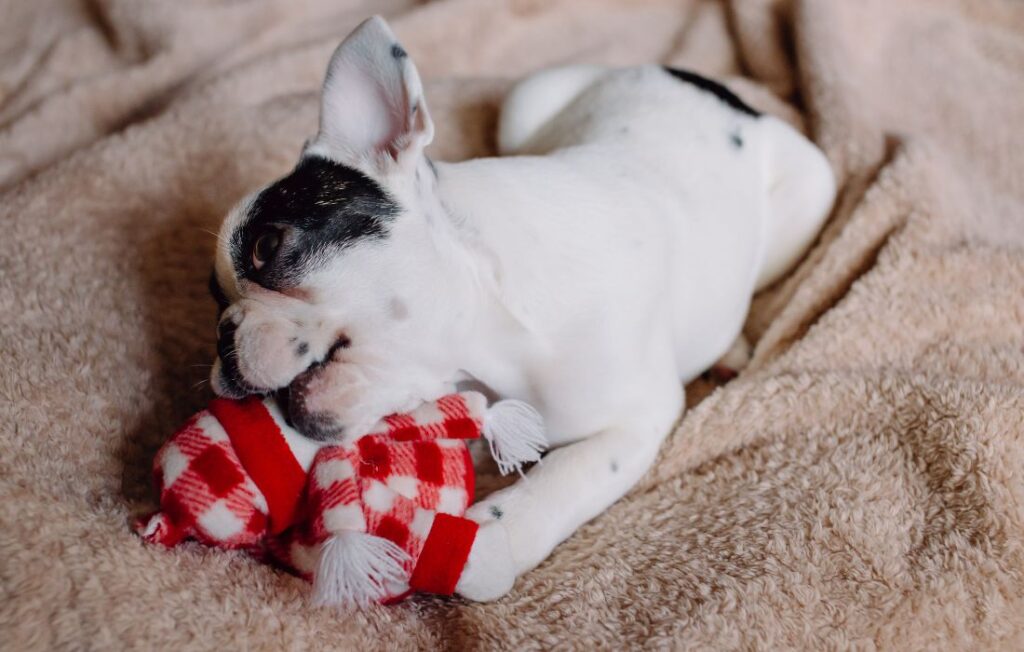
Before we jump into solutions, it’s important to understand why puppies bite and chew. Knowing the reasons behind these behaviors will help you manage them better and prevent unnecessary frustration.
1. Teething
If your puppy’s chewing everything they can get their paws on, it might be because they’re teething. Just like human babies, puppies go through a teething phase, and it can be uncomfortable. The good news is, this phase doesn’t last forever.
When does it happen?
Puppies usually start teething around 3 weeks old and will finish by the time they’re about 6 months. So, while they’re going through this, make sure to provide them with some appropriate chew toys to ease the discomfort.
2. Curiosity
Puppies are naturally curious, like little explorers. They use their mouths to investigate their world—textures, tastes, and even sounds. They don’t mean to be destructive; they’re just learning.
Why does it matter?
Chewing is instinctual for puppies because it helps them understand their environment. That’s why it’s important to give them the right kind of toys. If you want them to explore appropriately, provide safe items they can chew on.
3. Boredom or Too Much Energy
Puppies have a lot of energy. If they don’t get enough exercise or mental stimulation, they may turn to chewing to burn off that extra steam. Without the right toys, they might chew on things like furniture, shoes, or even your favorite socks.
What can you do?
Make sure your puppy gets plenty of physical and mental exercise every day. Play, walks, and some puzzle toys will keep their brain engaged. When puppies are tired out, they’re less likely to chew on your stuff.
4. Attention-Seeking
Sometimes, puppies chew because they’re looking for attention. If they bite or chew and you react (even if you’re scolding them), they might think, “Hey, that worked! I got their attention!”
What should you do?
Don’t give in. Instead, redirect your puppy to an appropriate chew toy. Praise them when they chew the right things, and only give attention when they’re engaging in good behavior.
5. Stress or Anxiety
If your puppy is chewing a lot, especially when you’re not around, they could be dealing with anxiety or stress. This could be separation anxiety, or it might be related to a change in routine or environment.
How can you help?
Try to figure out what’s stressing your puppy out. For example, if they’re chewing when left alone, they might be feeling anxious. You can help by gradually getting them used to being alone or offering comfort with familiar items, like a blanket with your scent on it.
6. Lack of Training
While biting and chewing are natural behaviors, puppies also need to learn what’s acceptable. If your puppy hasn’t been trained to stop chewing on the wrong things, they may continue this habit as they get older.
Why is early training important?
Training your puppy early is key to curbing unwanted behaviors. Setting boundaries now will help them understand what’s acceptable and teach them how to be a well-behaved adult dog.
How to Stop Puppy Biting and Chewing: Proven Strategies
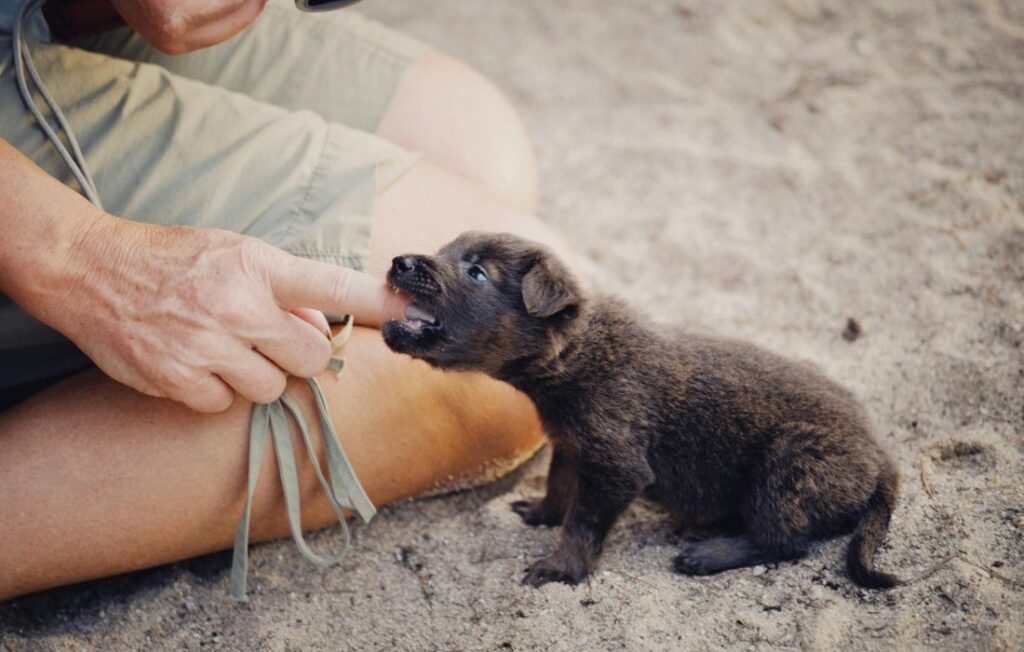
Now that we understand why puppies chew and bite, let’s look at how you can stop these behaviors in a way that’s effective and kind. The key to success here is consistency, patience, and positive reinforcement. Let’s go over some steps that work.
1. Redirect the Behavior
One of the easiest ways to stop your puppy from chewing on things they shouldn’t is by redirecting them to something they can chew. If you catch them chewing on your shoes, calmly take the item away and give them a chew toy instead.
Why does this work?
Puppies love to chew—it’s a natural urge. But when they learn that chewing a toy gets them praise or a treat, they’ll start to choose toys over your furniture.
2. Provide Plenty of Chew Toys
It sounds simple, but it works. If your puppy has a variety of chew toys to choose from, they’ll be less likely to turn to your shoes. Just make sure the toys are safe. You want them to be soft enough for teething but tough enough to handle those sharp puppy teeth.
What types of toys should you offer?
Look for toys made from rubber, nylon, or even treat-dispensing toys that can engage their brain. Rotating different toys will also keep things fresh and exciting for your puppy.
3. Use Positive Reinforcement
Positive reinforcement is key to teaching your puppy what’s acceptable. Every time they chew on the right thing, praise them or give them a small treat. This will encourage them to keep chewing on appropriate items.
How should you reward them?
Be consistent. If they chew on their toy, immediately praise them and offer a treat. But if they chew something they shouldn’t, calmly redirect them to their toy.
4. Use the “Yelp and Ignore” Technique
If your puppy nips or bites while playing, you’ll want to let them know this isn’t okay. The “Yelp and Ignore” method is effective—just like how puppies naturally react when their littermates bite too hard.
How does it work?
Let out a sharp “Yelp!” or say “No!” in a firm voice, then immediately stop playing and ignore your puppy for about 30 seconds to 1 minute. This teaches them that biting means the fun stops.
5. Make Furniture and Shoes Unappealing
Sometimes, no matter how many chew toys you offer, your puppy might still go for the furniture or your shoes. Here’s what you can do to discourage it.
How can you make these items less appealing?
- Use taste deterrents: There are sprays that make furniture and shoes taste awful to your puppy.
- Keep things out of reach: If possible, keep shoes and tempting items off the floor to reduce the chance your puppy will target them.
6. Teach Bite Inhibition
Bite inhibition is about teaching your puppy how to control the force of their bite. While puppies usually learn this from their littermates and mom, some puppies need extra help.
How can you teach this?
If your puppy bites too hard during play, immediately say “Ouch!” and stop the interaction. Offer them a toy instead of your hand to redirect their focus.
7. Make Sure They Get Enough Exercise
A tired puppy is a good puppy! When puppies don’t get enough physical exercise, they can get bored and chew on inappropriate things. Make sure your puppy is getting enough playtime and mental challenges.
What are good ways to exercise your puppy?
- Play games like fetch or tug-of-war.
- Use puzzle toys that challenge them mentally.
- Keep training sessions short but frequent to reinforce good behavior.
8. Address Separation Anxiety
If your puppy is chewing when you’re not around, they might be experiencing separation anxiety. This is a common issue for puppies, and it can lead to destructive behavior.
How can you help with separation anxiety?
- Gradually leave your puppy alone for short periods, and slowly increase the duration.
- Create a safe space, like a crate, for them when you’re not home.
- Leave them with something comforting, like a blanket with your scent.
9. Be Consistent
Puppies learn fast, but they need consistency. Stick to the training routine, and make sure everyone in the household is on the same page when it comes to rules and boundaries.
10. Seek Professional Help If Needed
If your puppy’s chewing or biting persists despite your best efforts, don’t hesitate to reach out to a professional. A certified dog trainer can help you with personalized strategies to manage these behaviors.
Wrapping Up
Puppy biting and chewing are normal, but they don’t have to be a problem. By getting to the root of these behaviors and sticking with a training plan, you can guide your puppy to learn what’s acceptable. It takes time and patience, but with the right approach, your puppy will grow up to be a well-behaved companion.
Every puppy is unique, and training might take a while. But with the right tools and guidance, you’ll start seeing positive changes, and your puppy will stop chewing on things they shouldn’t.


Be the first to leave a comment