


When Do Dogs Stop Growing? A Complete Guide
If you’re a dog parent, you’re probably wondering, “When do dogs stop growing?” Whether you’ve got a new pup or an older rescue, knowing when they’ll reach their full size helps you take better care of them. How fast they grow depends on their breed, size, and even their own little quirks. Knowing when they’ll stop getting bigger means you can tweak their food, how much they exercise, and just generally make sure they grow up healthy and happy.
In this guide I’ll to walk you through the different growth stages of dogs, when different sizes and breeds usually stop growing, how to keep tabs on their growth, and some advice on helping them reach their full potential.
The Growth Stages of Dogs
A dog’s growth journey is exciting to watch, as it undergoes significant changes over the first few years of life. Understanding these stages helps you stay informed about your dog’s health and developmental milestones. Let’s break down the key stages of growth in dogs:
1. Newborn Stage (0-2 Weeks)
At birth, puppies are incredibly small and dependent on their mothers for warmth, food, and care. In the first two weeks, they spend most of their time sleeping and nursing. They may double their birth weight in these early weeks as they begin to develop physically.
During this stage, their eyes and ears are closed, and they rely solely on scent and touch. By the end of the second week, puppies’ eyes start opening, and they begin to show small signs of motor coordination.
2. Puppyhood (2 Weeks – 6 Months)
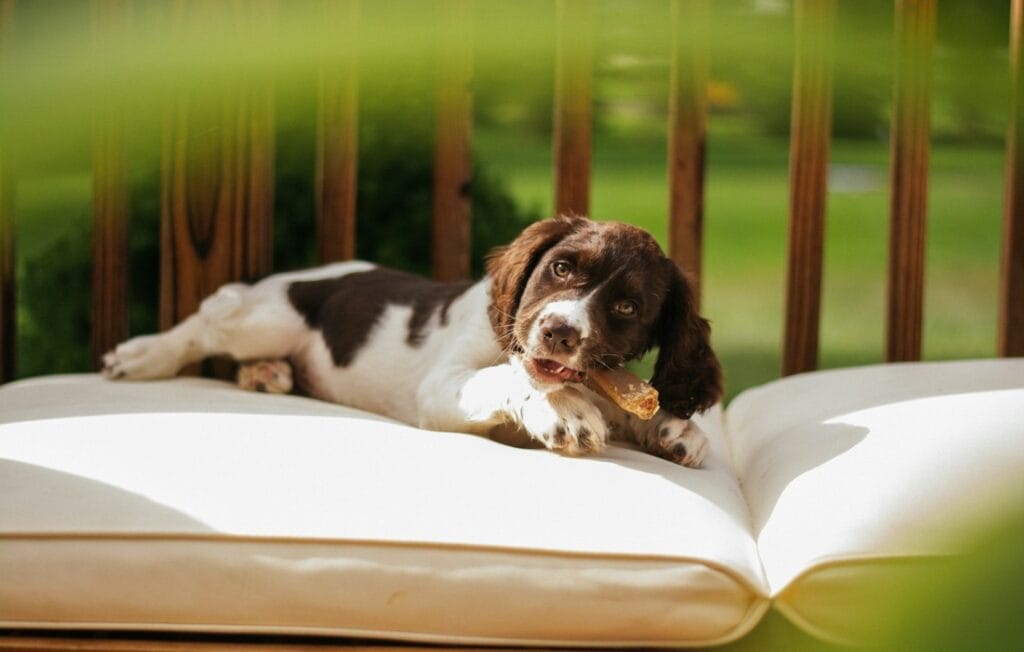
After the initial newborn stage, puppies experience rapid growth, by six months, many breeds have reached a big part of their adult size. During this time, puppies start to explore their surroundings, socialize with other animals, and learn basic behaviors like potty training.
Puppies also start to teethe during this phase, losing their baby teeth and growing in their adult set of teeth. It’s a critical period for health and development, and proper nutrition, exercise, and training are essential.
3. Teenage (6 Months – 1 Year)
The adolescent stage in dogs, similar to human teenagers, is a time of growth, behavioral changes, and sometimes, rebellion. During this time, many dogs will reach 75-90% of their adult size, though they are still developing. This is also when most dogs experience puberty, which can bring about hormonal changes and shifts in behavior.
Training and socialization continue to be important during this stage, as dogs often test boundaries and explore new behaviors. While they might look like adults, they still need guidance to ensure proper growth and development.
4. Young Adult (1 – 2 Years)
At this stage, dogs start to settle into their adult size and begin to mature mentally and physically. Growth slows down considerably, but some breeds—especially large ones—may continue to fill out in terms of muscle mass and body composition. The brain and emotional development may also continue until the dog reaches around two years of age.
5. Full Maturity (2 Years and Beyond)
Dogs are generally considered fully grown by the time they reach two years old, though smaller breeds might stop growing earlier than this. Full physical maturity means the dog has reached its adult size, strength, and coordination. Mental and emotional maturity also coincide with this phase, and dogs will be less hyperactive and more stable in their behavior.
When Do Different Types of Dogs Stop Growing?
The age at which a dog stops growing can vary significantly based on its size and breed. Smaller dogs mature more quickly than larger dogs, and the time it takes for them to stop growing differs. Here’s a breakdown of growth patterns for small, medium, large, and giant breeds:
1. Small Breeds (Under 20 Pounds)
Small breeds, such as Chihuahuas, Dachshunds, and Pomeranians, typically reach their adult size by 9 to 12 months. These dogs grow quickly during the first six months, and their growth rate starts to slow down after that. By the time they are one year old, most small dog breeds are fully grown.
Small dogs mature faster than larger breeds because they don’t need as much time to develop muscle and bone structure. They may stop growing in height at an earlier stage and may only continue to gain some weight and muscle mass until they reach full maturity.
2. Medium Breeds (20 – 50 Pounds)
Medium-sized dogs, such as Beagles, Bulldogs, and Spaniels, generally stop growing between 12 and 18 months. These dogs undergo a steady but slower growth process compared to smaller breeds. They typically reach about 80-90% of their adult weight by 6-9 months but continue to gain weight and muscle mass for several months after that.
Though their height may be mostly settled around one year, medium breeds can still see minor growth in terms of muscle and body size until they reach full maturity at about 18 months.
3. Large Breeds (50 – 100 Pounds)
Large dog breeds, like Golden Retrievers, German Shepherds, and Labradors, take longer to reach their full size. These dogs typically stop growing between 18 months and 2 years, with some reaching full maturity at around 2 years old. Large breeds grow slowly and steadily, and the last stages of growth are focused more on adding muscle and bone density.
Because these dogs grow for a longer period, they require a well-balanced diet and appropriate exercise to avoid joint problems or obesity.
4. Giant Breeds (Over 100 Pounds)
Giant dog breeds, such as Great Danes, Mastiffs, and Saint Bernards, have the slowest growth rates and take the longest to stop growing. These dogs may continue growing until they are 2.5 to 3 years old, and some may even continue to fill out until they are 4 years old. Giant breeds often experience rapid growth in their early months, but their bone structure, muscle mass, and weight continue to develop over a longer period.
Because of the extended growth period, giant dogs are at higher risk for joint issues, and it’s essential to monitor their nutrition and exercise carefully during their growth stages.
How to Measure Your Dog’s Growth
Monitoring your dog’s growth is crucial for ensuring they are on the right track for a healthy life. Here are a few ways you can measure and track your dog’s growth:
1. Weight
Weighing your dog regularly is one of the best ways to track growth. Most pet stores and vet offices have scales where you can weigh your dog. Keep in mind that dogs gain weight differently, depending on their breed and age.
For puppies, there is an expected weight range at each stage of growth. Use your vet’s guidance to ensure your dog is within this range. For adult dogs, regular weighing helps you spot any weight gain or loss that may indicate health problems.
2. Height
Measuring your dog’s height gives you an indication of their overall size. Height is measured from the ground to the highest point of their shoulder (called the withers). This is particularly useful for tracking the growth of larger dogs.
For smaller dogs, height measurement may not change drastically after the first year, but it’s helpful for medium to large breeds to know when they’ve reached their maximum height.
3. Body Proportions
In addition to height and weight, keep an eye on your dog’s body proportions. During growth stages, puppies may appear lanky, while adult dogs will have more defined muscle structure. Their coat may also change as they mature, becoming thicker and shinier.
Factors That Affect Your Dog’s Growth
Several factors play a role in how and when a dog reaches its full size. Understanding these factors can help you manage their health and development more effectively:
1. Genetics
The genetic makeup of your dog plays the largest role in determining when they stop growing. Purebred dogs tend to follow the growth patterns typical of their breed, while mixed-breed dogs may experience slightly different growth rates.
2. Nutrition
Proper nutrition is crucial during the growth phase. Puppies, in particular, need high-quality food that supports bone, muscle, and organ development. Consult your vet for the best type of food based on your dog’s size, breed, and age.
3. Exercise
Exercise helps maintain muscle tone and bone health, which is important for growing puppies. However, excessive exercise, especially in large breed dogs, can put stress on growing joints. Be sure to follow exercise recommendations for your dog’s specific age and size to avoid injury.
4. Health Conditions
Health issues, such as nutritional deficiencies, thyroid problems, or joint issues, can impact a dog’s growth. Regular vet check-ups and monitoring for signs of health problems are essential during the growth stages.
How to Support Your Dog’s Growth
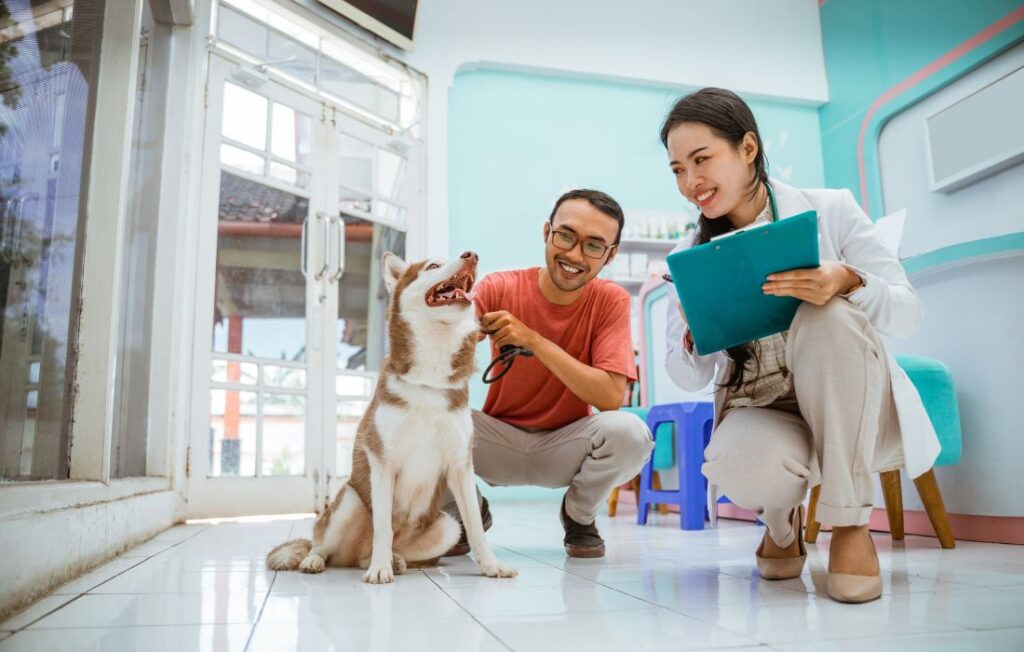
Providing the right care during your dog’s growth stages ensures they reach their full potential:
1. Nutrition
- Choose high-quality puppy food tailored to your dog’s breed and size.
- Gradually transition to adult food once they near their growth completion.
2. Exercise
- Engage in age-appropriate activities to promote physical health.
- Avoid strenuous activities like jumping or long runs for young puppies.
3. Regular Vet Visits
- Schedule check-ups to monitor growth and address any concerns.
- Vaccinations and parasite prevention are vital during growth stages.
4. Socialization and Training
- Expose your puppy to various environments, people, and other pets.
- Training during early stages builds good behavior and confidence.
Growth Milestones: A Breed-Specific Overview
Here’s a quick reference guide for when popular breeds typically stop growing:
- Chihuahua: 6-9 months
- French Bulldog: 12-14 months
- Golden Retriever: 18-24 months
- German Shepherd: 18-24 months
- Great Dane: 24-36 months
- Labrador Retriever: 18-24 months
- Mastiff: 24-36 months
- Yorkshire Terrier: 6-12 months
Final Thoughts
Understanding your dog’s growth timeline is key to providing the best care as they grow up. While their growth can vary based on size and breed, proper nutrition, exercise, and vet support are fundamental. Remember, every dog is different, so keep a close eye on their progress.
Whether you have a small Chihuahua or a huge Great Dane, enjoying each stage of their growth is one of the best parts of dog ownership. Make the most of these moments to build a solid bond that lasts a lifetime.


Be the first to leave a comment