

The Quick Guide to Tibetan Mastiff Dog Breed
Stepping out of the ancient Himalayas and into the modern home, the Tibetan Mastiff commands a presence like no other. Revered for millennia as a fearless guardian of flocks, monasteries, and villages, this majestic and powerful breed carries an aura of legend. But what lies beneath the lion-like mane and imposing stature?
This definitive guide delves into the complete story of the Tibetan Mastiff, exploring its storied history, unique characteristics, and the realities of life with this noble companion. Whether you’re captivated by their ancient lineage or considering welcoming one into your family, we uncover everything you need to know about this extraordinary dog.
The Ancient Roots of the Tibetan Mastiff
Guess what? The Tibetan Mastiff is one of the oldest dog breeds out there! These guys, called Do-Khyi back home, have been around for like, 3,000 years. That’s a long time! They were basically guarding villages when things were just getting started. Their main job? Protection. And they were good at it.
They watched over animals and houses, keeping away wolves and snow leopards. It wasn’t just their size that helped. Their loud barks could scare anyone off. Even Marco Polo wrote about them, saying they were as tall as a donkey, with a voice like a lion.
More Than a Dog in Tibetan Culture
In Tibet, the Mastiff wasn’t just some pet. It meant something. People thought they kept away bad spirits and often saw them guarding monasteries. Monks and regular folks respected them for being loyal and strong.
Besides their spiritual role, these dogs also mattered in terms of money and society. Having one was like having a fancy car now – it showed you were doing well. They were even given as gifts between important people, showing respect.
Rising Fame in the Modern World
Fast-forward to the to the 1800s. British soldiers in Tibet were some of the first to show the Tibetan Mastiff to the West. By the 20th and 21st centuries, they got way more popular. In China, especially, having one meant you were rich. Some of these dogs have sold for crazy prices, like one that went for a whopping $1.9 million!
What Makes them Special?
Let’s talk about the physical and personality traits that make this breed so unique.
Size and Strength
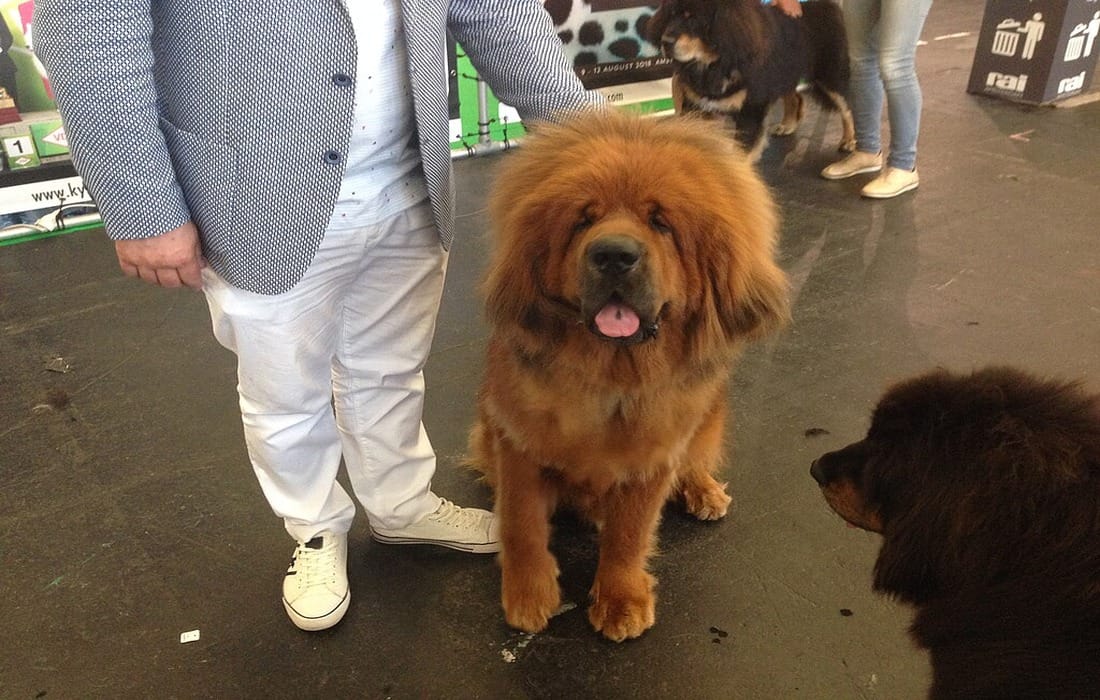
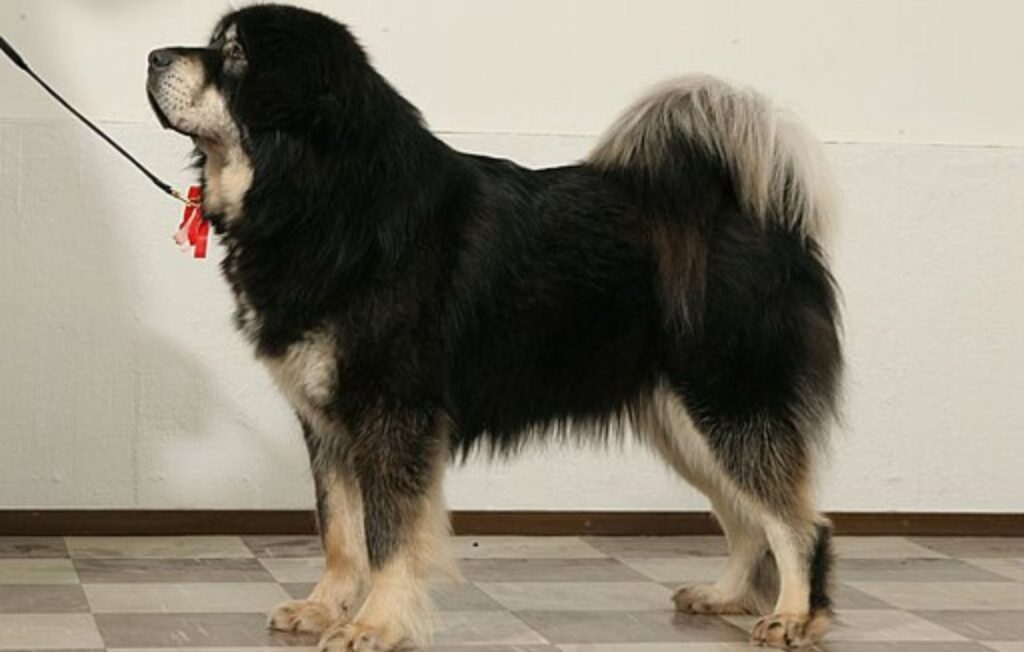
The Tibetan Mastiff is a giant. Males can stand 26 to 30 inches tall at the shoulder, while females are slightly smaller. Their weight? Anywhere from 85 to 160 pounds. That’s a lot of dog! Their strong, muscular build makes them look even more imposing.
Ready for Any Weather
These dogs are built for cold weather. They have a double coat – thick fur on the outside and a dense layer underneath – that keeps them warm. They come in colors like black, black and tan, red, and blue-gray. Some have white spots on their chest or paws.
And the coolest thing? The lion-like mane around their neck.
Personality: Loyal, Protective, Independent
Tibetan Mastiffs are super loyal to their families. They’re protective, so they make great watchdogs. But here’s the thing: they like to think for themselves. Training them takes time and patience. They won’t just do what you say. They need to see a reason for it.
They’re also careful around strangers, so it’s important to get them used to being around different people early on, so they don’t get too suspicious or aggressive.
Living with a Tibetan Mastiff

Thinking about bringing one of these guys into your home? Here’s what you should know
Feeding and Nutrition
Big dogs need big meals, right? Not exactly. They need a good amount of food, but overfeeding them can make them overweight, which is common for these breeds. They need a balanced diet with lots of protein. Puppies especially need special food, so they don’t grow too fast and hurt their joints.
Grooming
That awesome coat needs some work. Brush them once a week to keep it looking good and prevent tangles. When they’re shedding – usually in the spring and fall – you’ll need to brush them every day. But the good news is they don’t need baths very often. Their coat is naturally water-resistant and kind of cleans itself.
Exercise Needs
Even though they’re big, Tibetan Mastiffs aren’t super energetic. Daily walks and some playtime will keep them happy. They like to relax, but they also need something to keep them busy. Puzzle toys or games are great for them.
Health Considerations
Like all breeds, Tibetan Mastiffs have some health concerns. Common issues include:
- Hip and elbow dysplasia: Hip and elbow dysplasia are both hereditary conditions that affect the joints, particularly in larger breeds. They occur when the bones in the joint don’t fit together properly, leading to abnormal wear and tear. This can cause pain, stiffness, and difficulty moving, and in severe cases, it may lead to arthritis as the dog ages.
- Hypothyroidism: A condition in which the thyroid gland doesn’t produce enough thyroid hormone. The thyroid plays a key role in regulating metabolism, and when it’s underactive, it can cause a range of symptoms.
- In Tibetan Mastiffs, hypothyroidism is relatively common, and it tends to develop as they get older.
- Entropion : an eye condition where the eyelids roll inward, causing the eyelashes to rub against the cornea. This can be very painful for the dog and, if left untreated, may lead to serious damage to the eye. Symptoms include squinting, excessive tearing, redness or irritation around the eyes, and pawing at the face. In severe cases, the dog may develop corneal ulcers or infections.
- Bloat : a life-threatening condition where the stomach fills with gas and twists on itself. This causes severe pain and prevents blood from circulating properly. If left untreated, it can lead to shock and death within hours.
Regular vet visits, a healthy diet, and maintaining a proper weight can help reduce these risks. Tibetan Mastiffs tend to live a healthy life for a dog their size, with an average lifespan of 10 to 14 years.
Is a Tibetan Mastiff Right for You?
Before you get too excited about getting one, ask yourself:
- Do you have space? They need room to roam. Apartment living isn’t ideal.
- Can you handle the grooming? Their coat requires effort, especially during shedding season.
- Are you experienced with dogs? Tibetan Mastiffs aren’t the best choice for first-time owners. They need someone who understands their independent streak.
The Pros
- Loyal and protective
- Stunning, majestic appearance
- Low energy indoors (great for calm households)
The Cons
- High grooming and care needs
- Can be stubborn and independent
- Not suitable for novice dog owners
Wrapping Up
The Tibetan Mastiff is more than just a dog. It’s a piece of history, a guardian, and a friend. But owning one is a big deal. These dogs do best when you understand them and take care of them. If you’re ready for it, it’s worth it. A Tibetan Mastiff will protect your home, love your family, and be an amazing presence in your life.
Thinking about getting one? Do your homework. These dogs deserve owners who get them. And if you do? You’ll have a friend for life.


Be the first to leave a comment