


Common Puppy Feeding Mistakes and How to Avoid Them
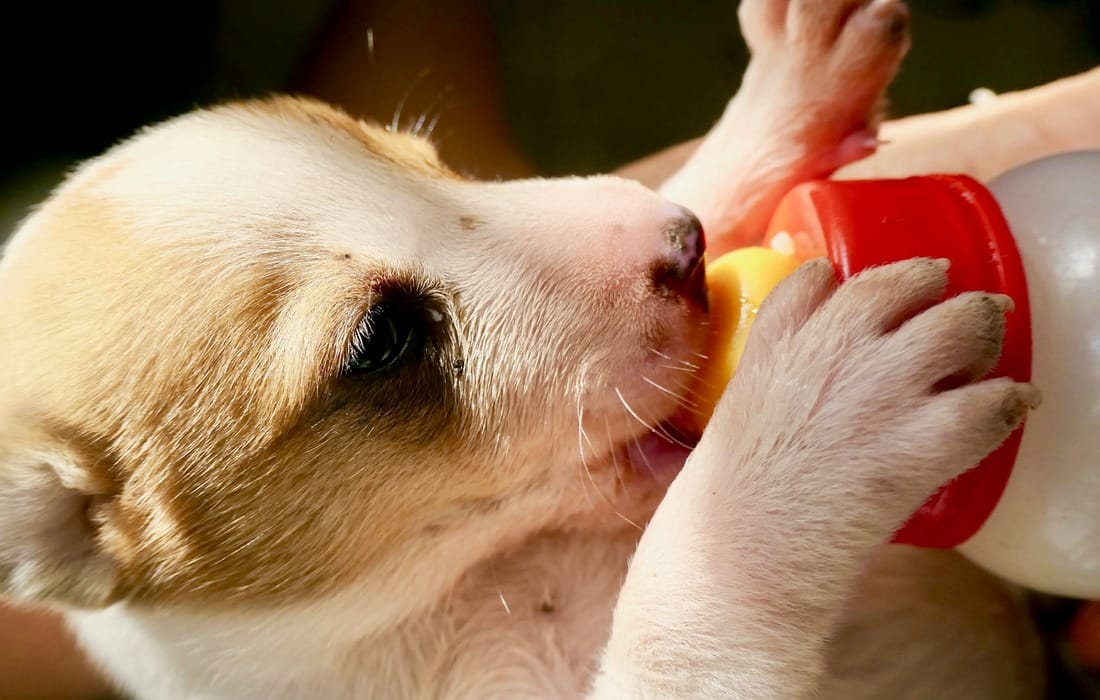
Bringing home a new puppy is super exciting! They’re cute and full of energy, and they bring so much joy to your life. But, taking care of a puppy can be tough, especially when it comes to feeding. What puppies eat is super important for how they grow and stay healthy, so you want to make good choices right away.
Sadly, many new dog owners mess up when it comes to feeding their pups. This often happens because they don’t know enough, get confused about when to feed them, or don’t understand what’s on the pet food labels.
In this guide, we’ll look at some common mistakes people make when feeding puppies, and I’ll give you some easy tips on how to avoid them.
1. Choosing the Wrong Food
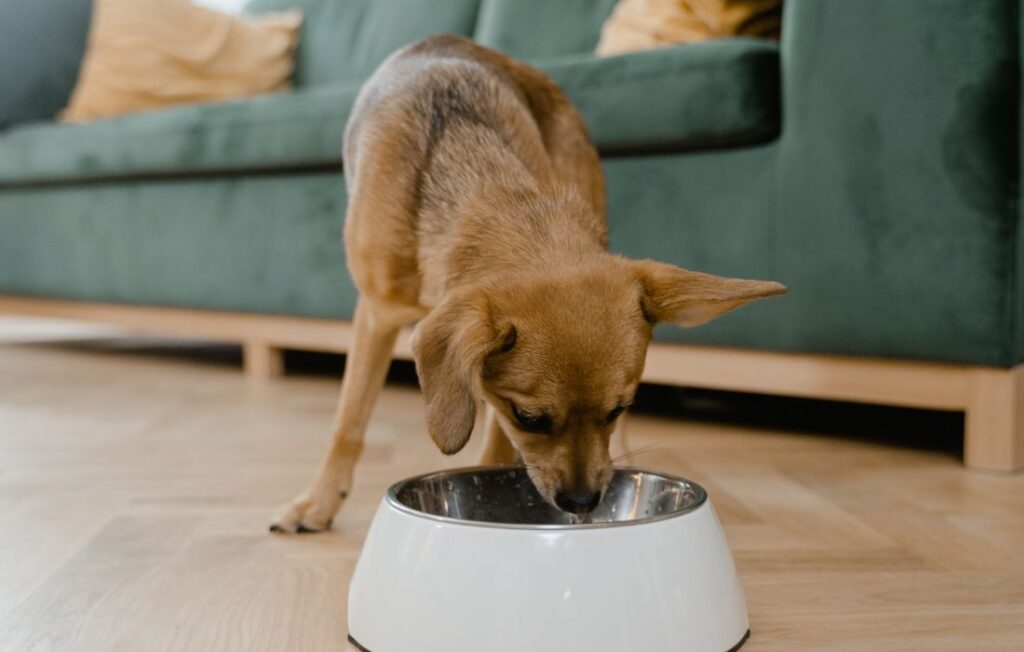
One of the biggest mistakes new puppy owners make is choosing the wrong type of food. Puppies have very specific nutritional needs, and feeding them adult dog food or human food can lead to serious health issues.
How to Avoid This Mistake:
- Choose Puppy-Specific Food: Puppies need food that’s specifically designed for their growing bodies. Look for high-quality puppy food that contains a good balance of protein, fat, and carbohydrates. Puppy food is formulated to support their growth, provide essential nutrients, and ensure they have the energy they need to play and explore.
- Check Labels Carefully: Pet food labels are packed with valuable information. Look for foods that list meat as the first ingredient and avoid fillers like corn or soy. The food should also contain DHA (docosahexaenoic acid), an omega-3 fatty acid that supports brain and eye development.
- Consult Your Vet: If you’re unsure about what food to choose, ask your veterinarian for recommendations. They can help guide you toward the best options based on your puppy’s breed, size, and specific needs.
2. Overfeeding or Underfeeding
While it may seem like the more you feed your puppy, the faster they’ll grow, overfeeding can lead to obesity and other health issues. On the flip side, underfeeding your puppy can result in malnutrition, poor growth, and developmental delays.
What’s the solution:
- Follow the Feeding Guidelines: Puppy food packaging usually comes with feeding guidelines based on your puppy’s age and weight. Use these as a general starting point, but keep in mind that every puppy is different. Your vet can provide personalized advice if you’re unsure how much food your puppy needs.
- Monitor Your Puppy’s Weight: Regularly weigh your puppy to make sure they’re gaining weight at a healthy rate. If your puppy seems too thin or isn’t gaining weight, increase the amount of food. On the other hand, if they’re gaining weight too quickly or developing a paunch, reduce their food portions.
- Avoid Free Feeding: Free feeding, or leaving food out all day for your puppy to graze on, can lead to overeating. Set specific meal times to regulate their food intake. This will also help you better gauge how much they are eating.
3. Changin Food Too Fast
Puppies have sensitive stomachs, and switching their food too quickly can cause digestive upset, including diarrhea or vomiting. It’s important to introduce new foods gradually to prevent stomach issues.
How to get it right:
- Gradually Transition to New Food: When changing your puppy’s food, do it over a period of 7-10 days. Start by mixing a small amount of the new food with the old food and gradually increase the proportion of new food while decreasing the old food.
- Observe for Signs of Digestive Issues: If your puppy experiences diarrhea, vomiting, or a loss of appetite during the transition, slow down the switch and give their stomach more time to adjust.
4. Giving Too Many Treats

Treats are an important part of puppy training and bonding, but they can quickly become a source of empty calories if fed too often. Overloading your puppy with treats can lead to weight gain and nutritional imbalances.
How to Stay on Track:
- Limit Treats to 10% of Their Daily Calorie Intake: As a general rule, treats should make up no more than 10% of your puppy’s total daily calories. Use treats sparingly to ensure your puppy is still getting the necessary nutrients from their regular meals.
- Use Healthy Treats: Choose low-calorie, healthy treats that contribute to your puppy’s health, such as carrots or training treats specifically designed for puppies.
- Be Mindful During Training: During training sessions, break treats into smaller pieces to avoid overfeeding. Keep the focus on praise and positive reinforcement, rather than relying solely on treats.
5. Too Much Wet Food
Wet food is often tempting because it’s flavorful and smells appealing to puppies. While it can be a good source of hydration, feeding your puppy too much wet food can lead to dental issues and an unbalanced diet.
How to Get it Right:
- Balance Wet and Dry Food: Consider mixing wet food with dry kibble to create a balanced diet. The dry food helps clean your puppy’s teeth as they chew, while the wet food adds moisture and flavor to their meals.
- Use Wet Food as a Supplement: Wet food should be used as a supplement, not the main component of your puppy’s diet. Too much wet food can contribute to weight gain and lead to dental problems due to the lack of chewing.
6. Overdoing Milk or Formula
While milk or puppy formula is essential for newborn puppies, it is not necessary once they begin eating solid food. In fact, giving your puppy too much milk or formula can cause digestive issues and may lead to diarrhea.
What’s the Right Thing to Do:
- Introduce Solid Food Early: Most puppies are ready to transition from milk or formula to solid food at around 3-4 weeks of age. At this point, begin offering a high-quality puppy food that’s moistened with water or puppy formula.
- Avoid Cow’s Milk: Cow’s milk is not suitable for puppies, as many puppies are lactose intolerant. Stick to a specially formulated puppy milk replacer if necessary.
7. Feeding Your Puppy Table Scraps
Many pet owners are tempted to share their own meals with their puppies, especially when they look at you with those big, soulful eyes. However, feeding table scraps can be harmful to your puppy and lead to digestive problems, obesity, or even toxicity.
What’s the Solution:
- Stick to Puppy Food: Avoid giving your puppy table scraps, as they are often high in fat, salt, and spices that can upset their stomach and cause long-term health issues.
- Teach Your Puppy Not to Beg: It’s important to set boundaries with your puppy and not encourage begging at the table. You can train them to go to their bed or another area during mealtime to avoid this behavior.
8. Not Considering Age and Breed Needs
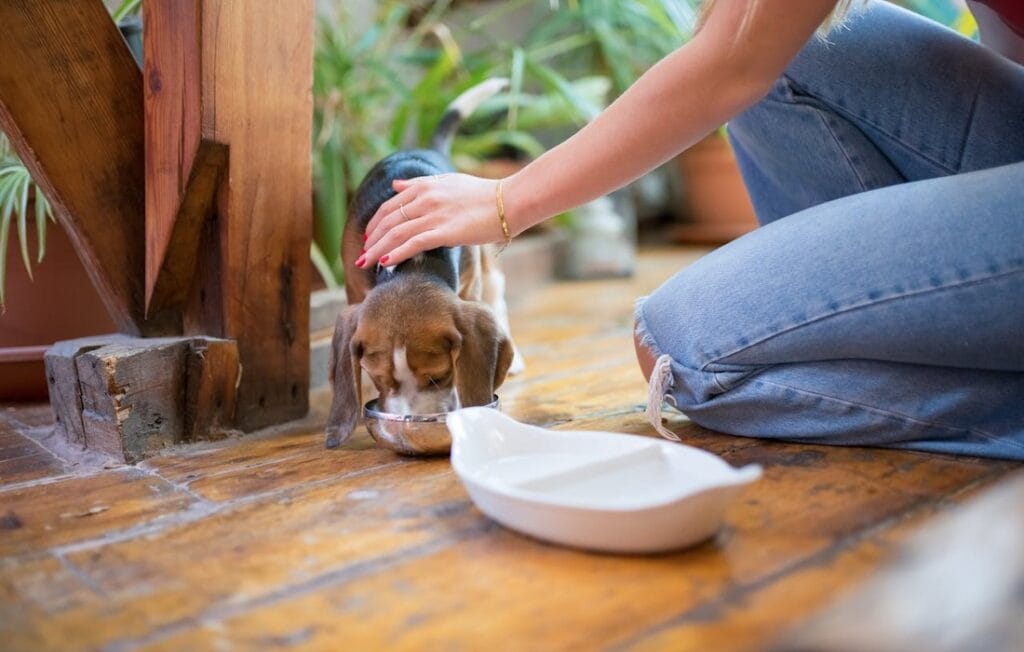
Puppies of different breeds have different nutritional needs. For example, large breed puppies require different amounts of nutrients than small breed puppies. Ignoring these breed-specific needs can affect your puppy’s growth and health.
How to Do It Right:
- Choose Breed-Specific Puppy Food: Some pet food brands offer puppy food tailored to specific breeds, such as large breed puppies or small breed puppies. These formulas are designed to meet the unique needs of puppies based on their size, weight, and growth rate.
- Consult Your Vet: Speak with your vet about your puppy’s specific breed and nutritional requirements. They can help guide you toward the best food options and feeding schedules.
9. Not Providing Fresh Water
Access to fresh water is just as important as a balanced diet. Many new puppy owners focus too much on food and forget about their puppy’s hydration needs. Dehydration can lead to a variety of health problems, including kidney damage and lethargy.
How to Get it Right:
- Provide Constant Access to Fresh Water: Ensure your puppy always has access to clean, fresh water throughout the day. This is especially important if they’re eating dry kibble, as it helps with digestion.
- Monitor Water Intake: While puppies generally drink a lot of water, monitor their intake to ensure they’re not drinking excessively, which could be a sign of an underlying health issue.
10. Not Checking Your Puppy’s Diet Regularly
As your puppy grows, their nutritional needs will change. What works for them as a young puppy might not be suitable as they reach adulthood.
Here’s the Right Approach:
- Adjust Food Portions as Your Puppy Grows: As your puppy grows, you may need to adjust the amount of food they’re eating to keep up with their changing metabolism. Regularly review their diet and make adjustments as needed.
- Switch to Adult Food at the Right Time: At around 12 months of age, most puppies are ready to transition to adult dog food. Consult your vet to determine the best time to make this switch.
Final Thoughts
Feeding a puppy takes care and consistency. By steering clear of these common mistakes, you can help your puppy stay healthy and happy. Pick the right food, follow feeding guidelines, and consult your vet for personalized advice. With the right nutrition, you can give your puppy a great start in life.
If you ever have doubts, just ask your vet. They are a great resource for making sure your puppy’s diet is right for them. With these tips, you’ll feel more confident in feeding your puppy and helping them grow up healthy.


Be the first to leave a comment