


Can Dogs Eat Oranges? Everything Dog Moms Need to Know

So, you’re eating an orange and your dog’s giving you those eyes, right? You’re probably wondering if you can share some with your pup. Good news: dogs can have oranges in small amounts. We get vitamins and stuff from them, but is it the same for dogs?
For the most part, yeah, but there are a few things you should know. Some dogs go crazy for the sweet taste, others? Not so much with the citrus. To keep your pup happy and healthy, it’s good to know how much is okay, what to look out for, and if your dog might have a bad reaction.
Are Oranges Good For Dogs?
When it comes to sharing human snacks with dogs, it’s important to understand both the benefits and potential risks. Oranges, while generally safe, should be approached with careful consideration. Let’s break this down further into the nutritional perks and possible concerns.
Nutritional Value
Oranges are packed with essential nutrients that could provide health benefits to dogs in moderation. Here’s why they may be worth sharing with your pup (in small portions, of course):
- Vitamin C: While dogs naturally produce their own vitamin C, a little extra can help boost their immune system, especially during stressful periods.
- Fiber: Oranges are a solid source of dietary fiber, which helps support healthy digestion. However, too much fiber can lead to an upset stomach.
- Natural Sugars: These provide a quick source of energy, but remember, moderation is key.
- Low Sodium: This makes oranges a better option compared to salty snacks.
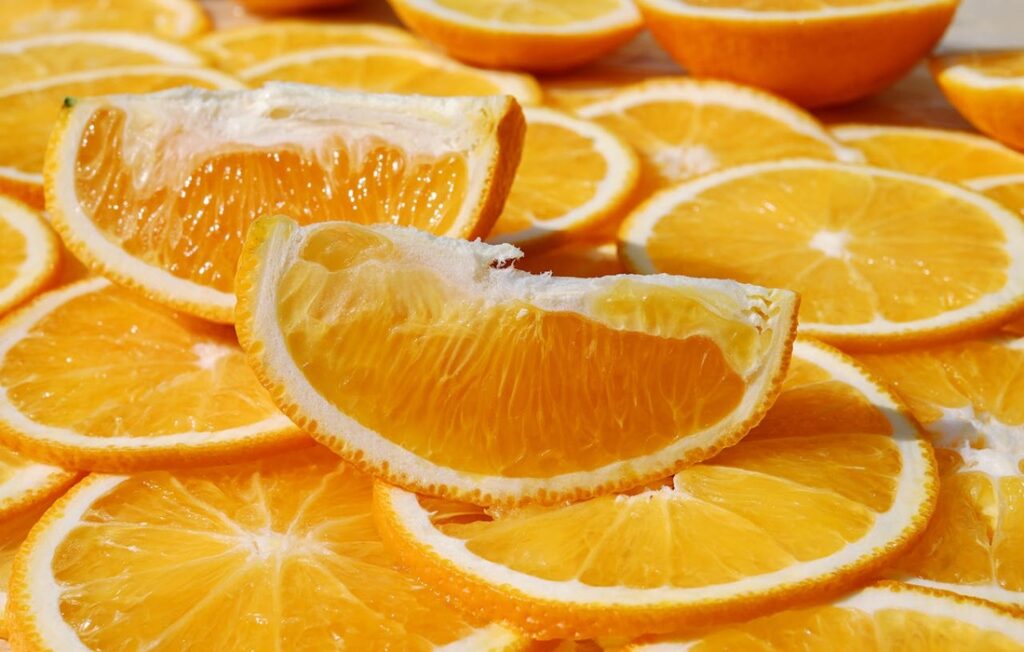
Small sections of fresh orange (avoiding seeds and peel) can be a hydrating and refreshing treat for your dog, much like it is for you. Want more insight into your dog’s daily nutrition needs?
Potential Risks For Your Dog
While oranges aren’t inherently toxic to dogs, you should still be aware of the possible risks:
- Overconsumption: Just because oranges are safe won’t mean they should replace a balanced dog diet. Too much can upset your pup’s stomach, causing gas or diarrhea.
- Natural Sugars: Dogs with diabetes or weight issues might struggle with the sugar content. Always consult with your vet if your dog has health concerns.
- Choking Hazards: Seeds and peels are the main culprits here. While the flesh is safe, seeds can pose a choking risk or irritate the digestive tract. Peels are fibrous and tough, making them hard to digest.
In general, keep moderation in mind and only introduce oranges as an occasional treat.
Health Benefits of Oranges for Dogs
Oranges aren’t just a treat for people, they can also offer some surprising health benefits for your furry friend when served responsibly. Rich in nutrients, this citrus fruit has components that may contribute positively to your dog’s overall well-being. Let’s check out a couple of the best benefits of oranges for dogs.
Boosting Immunity with Vitamin C
Vitamin C is a powerhouse nutrient for dogs, particularly in situations where their immune systems might need extra support. While dogs naturally synthesize this vitamin in their liver, certain stressors, like illness, environmental changes, or aging, can deplete their natural reserves. That’s where oranges can be helpful.
Oranges contain high levels of vitamin C, which is known to:
- Enhance the production of white blood cells, the body’s main line of defense against infections.
- Help neutralize harmful free radicals, reducing the risk of inflammation and improving overall cellular health.
- Aid in quicker recovery from minor illnesses or surgery.
Keep in mind, though, that moderation is key. Offering a few small pieces of orange occasionally can provide a gentle boost without overloading their system with sugar.

Maintaining Hydration
Did you know that oranges are composed of about 87% water? This makes them an excellent option for adding extra hydration to your dog’s diet, especially during hot weather or after physical activity.
Why is hydration so important? Dehydrated dogs can face:
- Lethargy or reduced energy levels.
- Dry nose and gums.
- Increased risk of heatstroke in warm conditions.
Giving your dog some fresh orange slices is a cool, tasty way to keep them hydrated.. It’s especially beneficial if your dog isn’t drinking as much water as they should. You can offer a small piece as a post-walk snack or mix it with their usual food for a flavorful twist. Remember, remove any seeds and peel before serving to avoid potential hazards. The juicy flesh is the safest and most enjoyable part for your pup to eat
Which Parts of an Orange Are Safe?
When it comes to feeding your dog oranges, not all parts of this citrus fruit are created equal. While the juicy pulp may offer health benefits like hydration and vitamins, other parts like the peel and seeds, come with potential risks that pet owners should be aware of before sharing a slice with their furry friend.
Avoid Orange Peels and Seeds
Orange peels and seeds may seem harmless, but they can actually pose serious risks for your dog. Unlike the juicy flesh, these parts aren’t digestible and can create unpleasant, sometimes dangerous, situations.
- Digestive Blockages: Orange peels are tough, fibrous, and difficult for dogs to break down. When consumed, the peel can sit in the stomach or intestines, leading to blockages that may require medical intervention or even surgery.
- Choking Hazard: The seeds and larger pieces of peel are small enough to be swallowed yet big enough to become lodged in your dog’s throat. This is particularly risky for smaller breeds or dogs that eat quickly without chewing.
- Toxins in Seeds: Orange seeds may contain trace amounts of compounds that are harmful to dogs, such as cyanogenic glycosides. While the toxicity levels are low, it’s best to remove them entirely to eliminate any risk.
- Upset Stomachs: Even without causing blockages, the oils in orange peels can irritate your dog’s stomach lining, potentially leading to vomiting or diarrhea.
In short, if you’re considering giving your pup a piece of orange, take a moment to remove the seeds and peel completely first. Keeping your dog’s safety in mind is essential whenever you’re sharing human food. Always prioritize their well-being, and when in doubt, stick to vet-approved treats.
How to Feed Your Dog Oranges
Introducing oranges to your dog’s diet can be a fun way to share a healthy treat, but it’s important to do it safely and thoughtfully. Follow these tips to ensure your furry friend enjoys this citrus snack without any problems.

Best Practices for Serving Oranges
Not all parts of an orange are dog-friendly. Proper preparation is key to minimizing risks and maximizing the benefits.
- Wash the Fruit: Always rinse the orange under running water to remove any dirt, pesticides, or chemicals that might linger on the surface. Even though only the flesh is eaten, proper washing adds an extra layer of protection for your dog.
- Peel the Orange: Orange peels can be tough to digest and may even upset your dog’s stomach. Carefully remove all traces of the peel before serving.
- Remove the Seeds: Seeds may pose a choking risk, especially for smaller breeds. Additionally, orange seeds can contain small amounts of harmful compounds that are best avoided entirely.
- Slice it into Small Pieces: Cut the orange into bite-sized chunks to make eating easier for your dog. This also helps you control portion sizes.
- Monitor for Reactions: After your dog eats oranges for the first time, watch for any signs of digestive upset, such as vomiting or diarrhea.
Frequency and Portion Size
How much orange is too much? It depends on your dog’s size, age, and overall health. Here are some general guidelines to follow:
Guidelines Based on Size:
- Small Breeds (Under 20 lbs): Stick to one or two small pieces, no larger than a tablespoon in total.
- Medium Breeds (20–50 lbs): A few pieces (around 1/8 of an orange) are sufficient.
- Large Breeds (Over 50 lbs): They can enjoy a slightly larger portion, but no more than 1/4 of an orange.
Frequency:
- Make oranges an occasional treat, not a daily snack. Offering citrus once or twice a week is adequate to avoid sugar overload or digestive upset.
Puppies and Special Cases:
- Puppies under six months old should avoid oranges entirely, as their digestive systems are more sensitive.
- Dogs with diabetes or obesity should also stay away from oranges due to the high sugar content. Consult your vet if you’re unsure about introducing new foods to your dog’s diet.
Paying attention to portion sizes ensures your dog enjoys the food without experiencing negative side effects. Feeding your dog oranges is safe and even beneficial when done thoughtfully. Start small, watch for any adverse reactions, and always prioritize your pet’s health and comfort.
When to Avoid Feeding Oranges to Dogs
Although oranges can be a refreshing and nutritious snack for some dogs, they’re not good for every pup. Certain health conditions and sensitivities make this fruit more of a risk than a reward. Pay attention to your dog’s unique needs and behaviors before sharing a slice.

Health Conditions to Be Aware Of
Some dogs are better off avoiding oranges due to specific medical issues or sensitivities. Here’s a closer look at these conditions:
- Diabetes: Oranges are naturally rich in sugars, which can disrupt blood sugar levels in diabetic dogs. Even a small amount might contribute to complications, so it’s best to consult your vet before offering oranges.
- Obesity: If your dog is overweight, the extra calories from sugary fruits like oranges can add up quickly. Dogs with weight management plans should skip high-sugar treats altogether.
- Sensitive Stomachs: For dogs prone to digestive issues, the acidity in oranges can cause discomfort, such as upset stomach or acid reflux.
- Allergies: Some dogs may be allergic to citrus fruits. While not common, food allergies in dogs can manifest as itching, swelling, or gastrointestinal discomfort.
Dogs with these conditions should steer clear of oranges. Keep an eye on your pup, and when in doubt, talk to your veterinarian.
Signs of a Negative Reaction
Even healthy dogs can sometimes have adverse reactions to oranges, especially if it’s their first time trying the fruit. Watch for these warning signs after feeding your pup a small piece:
- Vomiting: Citrus acidity can irritate your dog’s stomach, leading to nausea or vomiting.
- Diarrhea: An unwanted side effect of introducing new foods, particularly ones high in sugars or fiber.
- Excessive Drooling: Some dogs might react to the sour taste of oranges with unusual salivation.
- Skin Irritation: If your dog is allergic, itching or skin redness may develop soon after eating.
- Lethargy or Behavioral Changes: Dogs experiencing discomfort might seem less active than usual or act unusually irritated.
If you spot these symptoms, stop feeding oranges immediately and contact your vet if symptoms persist. Not every dog reacts the same way to oranges, so take a cautious approach when introducing this fruit. Even if they love the taste, their health and comfort should always come first.
Other Fruits Safe for Dogs

While oranges can provide a healthy treat for your dog, there are other fruits that might offer equal or even greater benefits. It’s important to understand which fruits are safe to share with your pup and which should be avoided altogether.
Fruits Packed with Nutrients
Several fruits can be a safe, nutritious, and tasty addition to your dog’s diet. Adding variety doesn’t just make treat time exciting; it also supports their overall health. Here are some excellent choices:
- Blueberries: These small, antioxidant-packed berries are a superfood for dogs too! They’re low in calories, making them perfect for training rewards. Blueberries help combat free radicals and promote brain health in older dogs. They’re also easy to serve, just rinse and hand over a few.
- Apples: Crunchy, sweet, and loaded with vitamins A and C, apples are a fiber-rich treat that dogs love. Just remember to remove the core and seeds, as they contain small amounts of cyanogenic compounds. A few slices of apple also double as a great dental chew for scrubbing off plaque.
- Bananas: These potassium-rich, creamy-textured fruits are a favorite among dogs. They provide a natural energy boost and help support heart health. However, serve in moderation—bananas are high in sugar and calories.
Fruits to Avoid
Not all fruits make good snacks for your furry friend. Some are downright dangerous. Here’s a list to keep in mind:
- Grapes and Raisins: Both are highly toxic to dogs, causing kidney failure and even death in some cases. Even a small amount can pose significant health risks.
- Cherries: While the flesh is technically safe, the pits, stems, and leaves contain cyanide, which is toxic for dogs. It’s better to avoid cherries entirely.
- Avocados: Although technically a fruit, avocados contain persin, a toxin that can cause vomiting and diarrhea in dogs.
When selecting fruits for your pup, always prioritize their health and safety by doing your due diligence. Keep treats occasional, and when introducing new foods, monitor for reactions—every dog is unique.
Wrapping Up
Oranges can be a tasty and healthy snack for your dog if you don’t give them too much and prep them right. These fruits are hydrating, give a boost to their immune system, and pack some vitamins. Just be sure to get rid of the seeds and peels to keep things safe. Not all dogs will be fans of the tangy taste or smell, so see how they react.
Before you give your dog new food, talk to your vet, especially if they have health issues like diabetes or a sensitive stomach. If your dog acts weird after eating oranges, like throwing up or being super tired, call your vet ASAP.




Be the first to leave a comment