


Can Dogs Eat Apple? What Dog Moms Need to Know
Apples are a popular snack, but is sharing them with your furry friend a good idea? The short answer is yes, dogs can eat apples, but only when prepared properly and in moderation. While apples are packed with nutrients like vitamins A and C, they can also pose risks if certain parts, like the seeds and core, are ingested. Understanding these details is crucial for your dog’s safety and health.
In this guide, I’ll explain the benefits and risks of feeding apples to your pup. You’ll learn how apples can support digestion and provide essential nutrients, as well as what precautions to take to avoid choking or adverse effects. Whether you’re looking to share a crunchy treat or incorporate apples into your dog’s diet, this post will give you the tools to do it safely.
Are Apples Safe for Dogs?
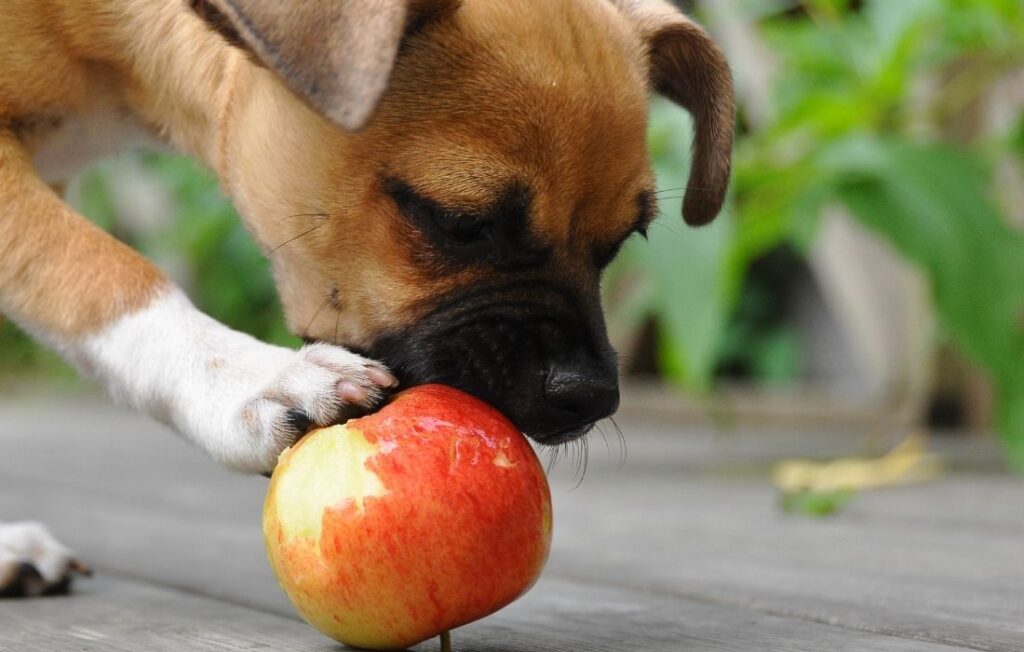
When it comes to sharing snacks with our furry friends, some foods can lead to wagging tails, while others might cause unwanted trips to the vet. So, are apples safe for dogs? The answer is yes—but with a few important caveats. Apples can be a fantastic addition to your dog’s diet if prepared correctly. In this section, I’ll break down both the benefits and risks so you can make informed decisions.
Nutritional Benefits of Apples for Dogs
Apples are more than just a crunchy treat for your pup—they’re a nutrient-packed snack with lots to offer. Here’s why:
- Rich in Vitamins: Apples are loaded with vitamins like vitamin A, which can help maintain a healthy coat and skin, and vitamin C, known for supporting your dog’s immune system.
- Dietary Fiber Content: One of the standout benefits of apples is their fiber. Fiber can aid digestion, prevent constipation, and even promote gut health. However, moderation is important—too much fiber can lead to digestive upset.
- Low-Calorie Treat: Apples are naturally low in calories, making them an excellent choice for dogs needing to manage their weight while still enjoying a sweet treat.
- Antioxidants: The antioxidants in apples help combat free radicals in your pup’s body, potentially reducing inflammation and promoting overall health.
So, whether you’re slicing up apples for training treats or adding them to your dog’s diet occasionally, they provide a tasty punch of nutrition. Remember, though—like any snack, apples should complement a balanced diet rather than replace it altogether.
Risks of Feeding Apples to Dogs
While apples can be a healthy snack, they’re not without their risks. It’s essential to understand what to avoid when giving apples to your dog:
- Choking Hazards: Apple slices are generally safe, but apple cores and large chunks can pose choking hazards, especially for small dogs.
- Seeds Contain Cyanide: Apple seeds contain a small amount of cyanide, which can be toxic if consumed frequently or in large quantities. Always remove the seeds before offering apples to your pup.
- Digestive Upset from Overfeeding: While fiber is beneficial in moderation, too much of it—like eating an entire apple—can lead to diarrhea or an upset stomach.
- High Natural Sugar Content: Apples have natural sugars, which can add up if you’re not careful. For diabetic or overweight dogs, even small portions might not be ideal. Reach out to your vet to discuss whether apples are appropriate for your dog’s specific dietary needs.
Taking the right precautions can turn apples into a safe, nutritious snack while minimizing the risks.

By keeping these simple tips in mind, you’ll be able to share apples with your dog responsibly and safely. Up next, I’ll discuss how to prepare apples to avoid these potential hazards altogether.
How to Safely Feed Apples to Your Dog
Apples can be a delicious and healthy treat for your dog, but there are a few things you need to keep in mind to ensure they’re enjoyed safely. From portion sizes to choosing the right type of apple, taking the right precautions will help you share apples with your pup without any worries.
Best Practices for Portion Control
When feeding your dog apples, less is often more. Portion control depends on your dog’s size, age, and dietary needs. Think of apples as a “sometimes snack,” not a daily staple in their diet.
- Small Dogs: A couple of small slices or chunks per serving is plenty. Overfeeding can quickly upset their smaller tummies.
- Medium Dogs: Up to an eighth of an apple, sliced into bite-sized pieces, is a good serving size.
- Large Dogs: They can have up to a quarter of an apple at a time, but be careful with overindulging, particularly if your dog is diabetic or on a weight management plan.
If you’re using apples as training treats, consider cutting them into tiny, pea-sized bits. That way, you’re not loading them up on sugar while still using an all-natural reward. For diabetic dogs or those with specific dietary restrictions, consult with your vet before introducing apples. Moderation is key! Too much can lead to digestive upset or excessive sugars in their diet.
Organic vs. Non-Organic Apples
You might wonder if you need to splurge on organic apples for your dog. While choosing organic can reduce exposure to pesticides, non-organic apples are perfectly fine as long as they’re washed thoroughly.
- Wash Properly: Rinse apples under running water, and consider using a produce brush to remove any wax or dirt. This ensures no harmful residues make their way to your dog.
- Remove the Seeds and Core: Whether organic or not, always remove the seeds and core. Apple seeds contain a small amount of cyanide, which is toxic to dogs, though they’d need to eat a lot for it to be harmful. Better safe than sorry!
- Peeling vs. Leaving the Skin On: The skin of the apple contains fiber and nutrients, so it’s okay to leave it on. However, if your dog struggles with digestion, peeled slices might be easier on their stomach.
While organic apples reduce the risk of lingering chemicals, the most important step is ensuring they’re clean and seed-free. Taking these precautions turns apples into a safe, guilt-free treat your dog can enjoy. When prepared correctly, they’re a fantastic way to boost your pup’s health without compromising their safety.
When Not to Feed Apples to Your Dog
Apples, while generally a healthy treat for dogs, aren’t always suitable for every dog in every situation. There are times when offering even a small slice could do more harm than good. Knowing when to hold off is a crucial part of being a responsible dog owner. In this section, I’ll break down potential risks and considerations you need to be aware of before sharing apples with your furry friend.
Signs of an Allergic Reaction in Dogs
While not common, some dogs can have an allergic reaction to apples. It’s essential to watch for signs after introducing this fruit to their diet. Allergies might not show up immediately, so staying alert is key.
Here are symptoms that might indicate your dog has an allergy:
- Itching or Scratching: Excessive licking or scratching of the skin can be a reaction to something new in their diet.
- Facial Swelling: This includes puffiness around the nose, eyes, or mouth.
- Hives or Bumps: Raised red bumps on the skin, noticeable during grooming or petting.
- Vomiting or Diarrhea: This can happen if their stomach rejects the treat.
- Difficulty Breathing: In severe cases, allergies can cause restricted airways, which is a medical emergency.
If you suspect your dog has an allergic reaction, stop feeding them apples immediately and contact your vet. For a deeper understanding of allergic reactions and how they manifest in dogs, check out this guide to Allergic Reactions in Dogs
Should Puppies Eat Apples?
When it comes to puppies, extra care is required. Puppies are still growing, and their digestive systems are much more sensitive than those of adult dogs. So, can puppies enjoy apples responsibly? Yes, but with a few necessary precautions:
- Introduce Gradually: Start with a tiny piece to ensure they can tolerate it without any adverse reactions.
- Avoid Peels for Younger Puppies: Their small stomachs may find apple skin harder to digest.
- Remove the Seeds and Core: Puppies are more prone to choking, and the cyanide in seeds poses a particular risk for them.
- Monitor Closely: Keep a close eye on your pup for any signs of discomfort, such as bloating or diarrhea.
Remember, puppies typically gain all the nutrients they need from a well-formulated puppy diet. While apples can occasionally serve as a training treat or simple snack, they’re not necessary for their overall nutrition. If you’re unsure, consult your vet .
By understanding when apples aren’t the right choice, you can make informed decisions and keep your dog safe and healthy. Sometimes, it’s better to play it safe and stick to their usual routine for snacks or meals.
How to Include Apples in Your Dog’s Diet
Apples can be a delightful, nutritious treat for your dog, not to mention a creative way to add variety to their diet. As a dog owner, you know how important it is to switch things up while keeping your pup’s health in mind. Let me show you a couple of fun and safe ways to incorporate apples into your dog’s meals or snacks.
Simple Apple Treat Recipes for Dogs
Making apple-based treats at home is easier than you might think! It’s a chance to ensure the ingredients are healthy and dog-safe while avoiding additives you’d find in store-bought snacks. Here are a few simple recipes that will surely get tails wagging:
- Frozen Apple Slices: Perfect for warm days, simply cut apple slices and freeze them. These are refreshing and can even help soothe teething puppies.
- Apple and Peanut Butter Bites: Spread a thin layer of unsweetened, xylitol-free peanut butter on apple slices. Be sure to cut them into appropriate sizes for safe chewing.
- Apple Pupcakes: Mix grated apple with a small amount of dog-friendly flour, an egg, and a dollop of plain yogurt. Bake in mini muffin tins for a special treat.
- Apple Chips: Slice apples thinly, remove the core, and bake at a low temperature until crispy (no added sugar or spices needed!).
Each of these recipes is simple and uses only dog-friendly ingredients. You can try experimenting by adding a little twist, like mixing in cooked pumpkin or mashed banana. Always make sure to cut or bake the treats to an appropriate texture and size for your dog.
Combining Apples with Other Dog-Friendly Foods
Pairing apples with other safe, nutritious foods can add extra flavor and health benefits to your dog’s treats. Here are some combinations you might consider:
- Apples and Yogurt: Cube or puree apple and mix it with plain, unsweetened yogurt. This makes a quick and healthy snack that’s great for digestion.
- Apples and Oats: Blend chopped apple with cooked oatmeal for a fiber-packed breakfast your dog will love.
- Apples and Pumpkin: Puree steamed apple with canned pumpkin to create a smooth, tasty topping for your pup’s usual kibble. This combo works wonders for gut health.
- Apple and Carrot Sticks: Slice apples and raw carrots into matchsticks for a crunchy, low-calorie treat.
When combining apples with other foods, always ensure that everything is dog-safe and served in moderation. For example, only use unsweetened yogurt and peanut butter without xylitol.
Incorporating apples into your dog’s diet doesn’t have to be boring or repetitive. With a little creativity, you can craft treats and meals that not only taste great but also add valuable nutrients to their day. Always remember, treats should complement a balanced diet, not replace it!
Frequently Asked Questions
When it comes to feeding apples to dogs, many questions naturally arise. This section tackles common concerns from dog owners, providing practical, straightforward answers to make the process clear and stress-free.

Can Dogs Eat Apple Peels?
Yes, dogs can eat apple peels. The peel contains additional fiber and nutrients, making it a healthy part of the fruit. However, keep in mind that some dogs with sensitive stomachs might have trouble digesting the peel. If you notice any bloating or upset stomach after feeding your dog unpeeled apples, it’s best to stick to peeled slices.
Are Apple Seeds Really Dangerous for Dogs?
Yes, apple seeds are toxic for dogs—though the danger comes down to quantity. Apple seeds contain a substance called amygdalin, which releases trace amounts of cyanide when digested. While a single seed or two likely won’t harm your dog, regularly eating seeds or consuming them in large quantities could pose a risk. Always remove seeds before feeding apples to your pup to eliminate any chances of poisoning.
How Much Apple Can I Give My Dog?
Moderation is key. Depending on your dog’s size and overall diet, here’s a general guide for portion sizes:
- Small Dogs: 1–2 small slices per serving
- Medium Dogs: Up to 1/8th of an apple, sliced
- Large Dogs: 1/4th of an apple, sliced
Use apples as a treat rather than a meal replacement, and always monitor for signs of overfeeding, such as upset stomachs or diarrhea.
Can Puppies Eat Apples?
Yes, but introduce apples cautiously to puppies. Their digestive systems are still maturing, so start with a very small, peeled piece to test their tolerance. Always remove the core and seeds, as they pose choking and toxicity hazards.
Are Green Apples Safe for Dogs?
Green apples, such as Granny Smiths, are safe for dogs and have a tarter taste. They also have slightly less sugar than red varieties, making them a good option for dogs with specific dietary needs like diabetes. However, some dogs may dislike the sour flavor. As with all apples, remember to remove the seeds and core before serving.
Can Apples Help with My Dog’s Dental Health?
Yes! The natural crunchiness of apples can help clean your dog’s teeth and refresh their breath. While not a replacement for brushing, apples can contribute to better oral hygiene.
When Should I Avoid Giving Apples to My Dog?
There are certain situations where apples might not be suitable for your dog:
- Diabetes or Obesity: Apples contain natural sugars, which could affect dogs with diabetes or those needing a low-calorie diet.
- Allergies: If your dog shows signs of discomfort, itching, or other allergic reactions, stop feeding apples immediately.
- Digestive Issues: If your dog struggles with diarrhea or bloating after eating apples, they might be better off without them—or with smaller portions and peeled slices.
Can I Use Apples in Homemade Dog Treats?
Absolutely! Apples are a versatile and healthy ingredient for homemade snacks. You can slice, freeze, or bake them into simple recipes for your furry friend. Each dog is unique, so observing your pup’s reaction to apples is crucial. These FAQs should clear up the common questions and help you offer apples safely and confidently.
Final Thoughts
Apples can be a healthy, low-calorie snack for dogs when served correctly. They’re packed with nutrients like vitamins and fiber, but it’s essential to remove the seeds and core to avoid any risks. Moderation is key, as too much sugar, even from natural sources—can lead to issues, especially for dogs with specific health concerns.
Every dog is different, so always start with small amounts and watch for any reactions. If your dog has special dietary needs or health conditions, it’s best to check with your vet first. A little preparation goes a long way in making apples a safe and enjoyable treat for your furry friend.




Be the first to leave a comment