


The Complete Guide to Caring for Your Dog’s Teeth

Keeping your dog’s teeth clean is super important for their health, just like it is for us. Think about it: they use their mouths for pretty much everything—eating, playing, and even carrying around that favorite toy they never let go of. So, it makes sense to take care of those teeth and gums.
But let’s face it—dog dental care isn’t exactly at the top of most pet owners’ to-do lists. I get it. The idea of brushing a squirming, uncooperative dog’s teeth might feel like a battle you’d rather avoid. The good news? It’s easier than you think, and the benefits are huge.
In this guide, I’ll talk about why taking care of your dog’s teeth is crucial, how to make it part of your routine, and what signs to look for to keep their mouth healthy.
Why Your Dog’s Teeth Matter
1. Avoiding Pain
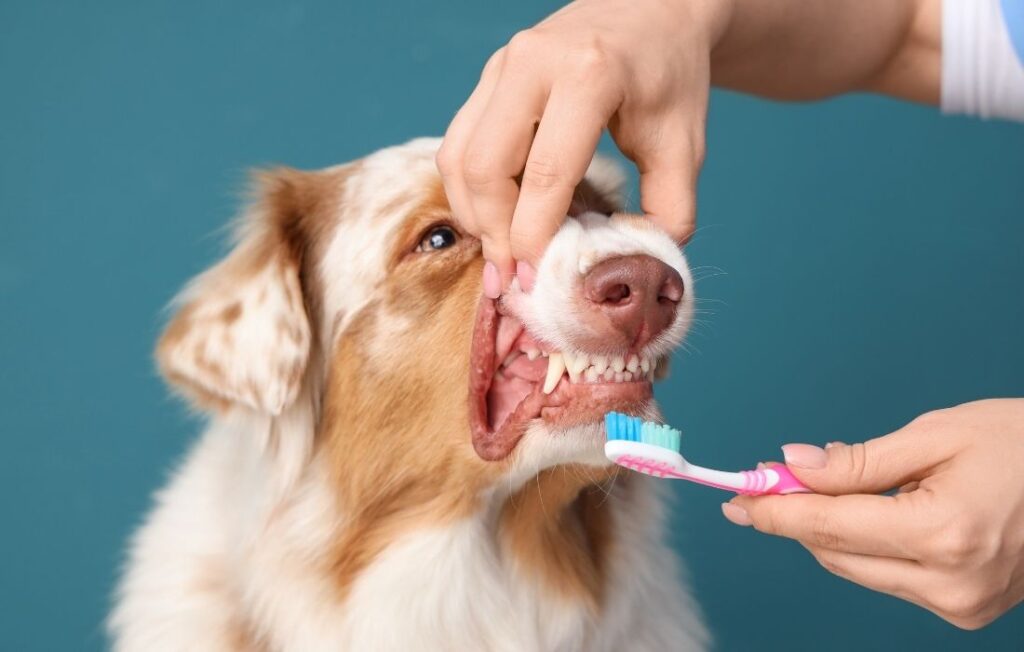
Imagine having a toothache but not being able to tell anyone. That’s what dogs go through when they have dental problems. Broken teeth, swollen gums, or infections hurt them—and, let’s be honest, they hurt us to watch.
Dogs are experts at hiding pain (it’s a survival instinct), so by the time you notice something’s wrong, the problem might already be serious. A little care upfront can prevent a lot of discomfort down the road—for both of you.
2. To Protect Their Whole Body
Here’s a surprise: bad teeth don’t just affect your dog’s mouth. Bacteria from the gums can travel through the bloodstream and mess with vital organs like the heart, kidneys, and liver.
Think of it this way: your dog’s mouth is like the gateway to their overall health. Keeping it clean is one of the easiest ways to help them live a longer, healthier life.
3. To Keep Them Eating and Smiling
Have you ever noticed your dog suddenly being picky about their food? Maybe they avoid crunchy treats they used to love or start chewing on one side of their mouth. That’s often a sign of dental pain.
Dogs with healthy teeth can enjoy their meals without hesitation—and yes, those goofy, toothy grins stay intact too.
Signs Your Dog’s Mouth Might Have Issues
Dogs can’t tell us when their teeth hurt, but they leave clues. Here’s what to watch for:
- Bad breath: A little stink is normal (hello, dog food), but if it’s really bad—like knock-you-over bad—it could mean an infection.
- Bleeding or red gums: Healthy gums should be pink and firm. If they’re red, swollen, or bleeding, it’s time to act.
- Trouble eating: Is your dog dropping food or avoiding harder kibble? That could mean their mouth hurts.
- Loose teeth: Adult dogs shouldn’t lose teeth. If you notice this, call your vet.
- Excessive drooling: More slobber than usual? It could point to discomfort or an oral infection.
- Tartar buildup: Yellow or brown gunk on their teeth is a problem waiting to happen.
A quick tip: Make it a habit to check your dog’s mouth once a week. Look for anything unusual, like swelling, discoloration, or lumps. Catching problems early can save you a lot of stress (and vet bills).
How to Care for Your Dog’s Teeth
1. Brush, Brush, Brush!
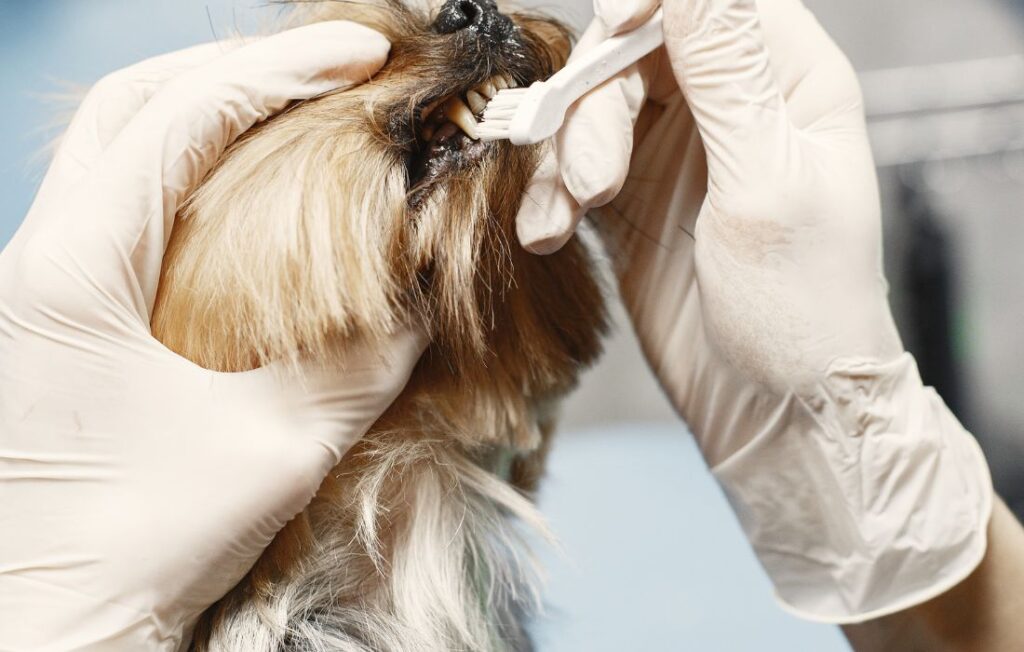
Daily brushing might sound like overkill, but it’s the best way to keep plaque and tartar at bay. Don’t worry—it’s easier than it sounds. And yes, you can train your dog to tolerate it, even if they’re squirmy.
How to Brush Your Dog’s Teeth:
- Get the right gear: Use dog-specific toothpaste (they even have flavors like chicken and peanut butter!) and a soft-bristled toothbrush. Human toothpaste? Big no-no—it’s toxic to dogs.
- Start slow: Let your dog sniff the toothbrush and lick some toothpaste. Then, try brushing just one or two teeth at a time. Build up gradually.
- Be gentle: Use small circular motions, focusing on the gum line. That’s where plaque loves to hang out.
- Make it fun: Reward your dog after every session. A treat, belly rub, or enthusiastic “Good job!” can go a long way.
If daily brushing feels like too much, aim for a few times a week. Even that can make a big difference.
2. Use Dental Chews and Toys
Not every dog loves brushing. That’s okay! Dental chews and toys can help scrape off plaque while keeping your dog entertained.
I’ll admit, my dog lives for her dental chews. She thinks they’re treats, and I love that they’re secretly good for her teeth. Win-win.
Tips for Choosing Chews:
- Look for products approved by the Veterinary Oral Health Council (VOHC). They’ve been tested and proven to work.
- Pick the right size and texture. Too hard? It could crack a tooth. Too small? It’s a choking hazard.
Chew toys are another great option. Just make sure they’re safe for your dog’s size and chewing style.
3. Schedule Professional Cleanings
Even the most diligent brushing won’t remove all the plaque. That’s where the pros come in. Most vets recommend an annual cleaning under anesthesia to keep your dog’s mouth in great shape.
What Happens During a Cleaning?
- The vet checks for hidden problems using X-rays.
- Plaque and tartar are removed, and any problem teeth are treated or extracted.
- Your dog wakes up with a fresh, clean mouth—and hopefully, fresher breath too!
Puppy Dental Care: Start Early
Puppy teeth require special attention. Why? Because puppies are teething machines.
- Teething time: Puppies start teething around 3 weeks old and get their adult teeth by 6 months. During this phase, they need safe chew toys to soothe sore gums.
- Brush early: Get them used to a toothbrush as soon as possible. Puppy toothpaste and finger brushes work great for little mouths.
- Watch for problems: Sometimes, baby teeth don’t fall out on their own. If you notice this, let your vet know.
Starting dental care early sets your pup up for a lifetime of healthy habits. Plus, it makes brushing way easier when they’re older.
Senior Dogs Need Extra Love
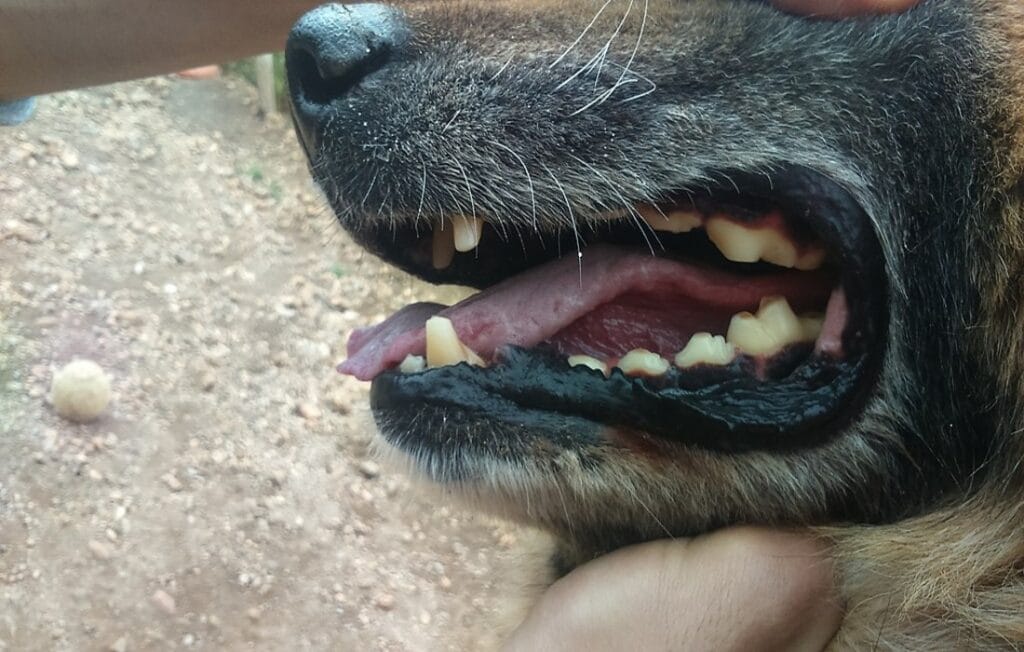
As dogs age, their teeth need even more care. Older dogs are more likely to have tartar buildup, gum disease, or even oral tumors.
Here’s how to help your senior pup:
- Switch to a softer toothbrush and gentler brushing technique.
- Provide softer food if they have missing teeth or sensitive gums.
- Stay on top of regular checkups to catch problems early.
Senior dogs deserve all the love—and that includes taking extra steps to keep their mouths healthy.
Natural and DIY Dental Care
Looking for some at-home options? While brushing and professional care are essential, these natural remedies can support oral health:
- Coconut oil: It’s antimicrobial and can double as a natural toothpaste.
- Raw bones: They can help scrape away plaque, but always supervise your dog and avoid cooked bones, they splinter!
- Fruits and veggies: Carrots, apple slices (no seeds), and celery can act as natural teeth cleaners.
One trick I use? Rub a little coconut oil on my dog’s gums. She loves the taste, and I love knowing it’s helping fight bacteria.
FAQs About Dog Dental Care
Q: How often should I brush my dog’s teeth?
A: Daily is best, but even a few times a week can make a difference.
Q: Can I use human toothpaste?
A: Nope. Human toothpaste has fluoride and other ingredients that are toxic to dogs.
Q: What are the signs my dog needs a professional cleaning?
A: Look for bad breath, visible tartar, red gums, or trouble eating.
Q: Are dental chews enough?
A: They help but aren’t a replacement for brushing or professional cleanings.
Final Thoughts
Taking care of your dog’s teeth doesn’t have to be overwhelming. Start small, maybe brush once this week or pick up some dental chews during your next store trip.
The goal is a happy pup with a healthy mouth. And trust me, watching your furry friend enjoy their favorite treat makes it all worth it!


Be the first to leave a comment