


Borzoi Dog Breed: A Complete Guide for Prospective Owners
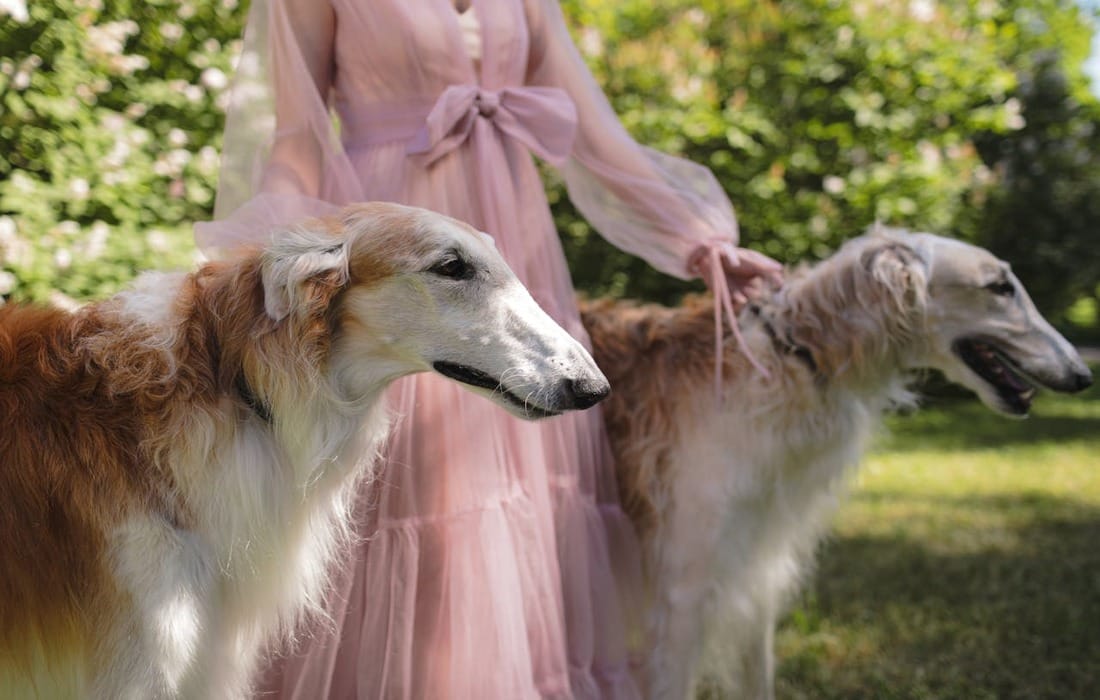
Often called the Russian Wolfhound, this is a breed of breathtaking contrasts: a fierce hunting past wrapped in a serene, gentle present. They are the canine embodiment of an aristocrat who also happens to be an Olympic-level sprinter.
But is this elegant, long-nosed breed the right fit for your life? Bringing a Borzoi into your home is not a casual decision. It’s a commitment to understanding a unique and sensitive soul. This complete guide is designed to walk you through everything—the sublime joys, the very real challenges, and the everyday realities—of life with a Borzoi. Let’s unravel the mystery of this magnificent breed together.
History, Appearance, and Temperament
Before you fall in love with a pretty face, it’s crucial to understand the heart and history behind it. The Borzoi isn’t a breed created for companionship alone; they are a masterpiece of form and function, shaped by a dramatic past.
A Royal History: From Russian Tsars to Modern Homes
The Borzoi’s story reads like a epic novel. Their origins trace back to centuries-old Russia, where they were meticulously developed by the aristocracy, including the Grand Dukes and Tsars. Their singular, formidable job? To course and hold wolves, often in vast, snowy terrains. This wasn’t a pack effort in the way we think of hunting dogs; it was a strategic, often ceremonial pursuit involving hunters on horseback and pairs of Borzoi released to silently chase, outmaneuver, and safely pin the wolf without mauling it. This history explains their incredible speed, their keen eyesight, their quiet determination, and their deep trust in a partnership with humans. When the Russian aristocracy declined, the breed nearly vanished, but dedicated enthusiasts in Russia and abroad preserved these magnificent dogs, transitioning them from the frozen steppes to the family hearth.
The Borzoi Standard: Defining the Elegant Appearance
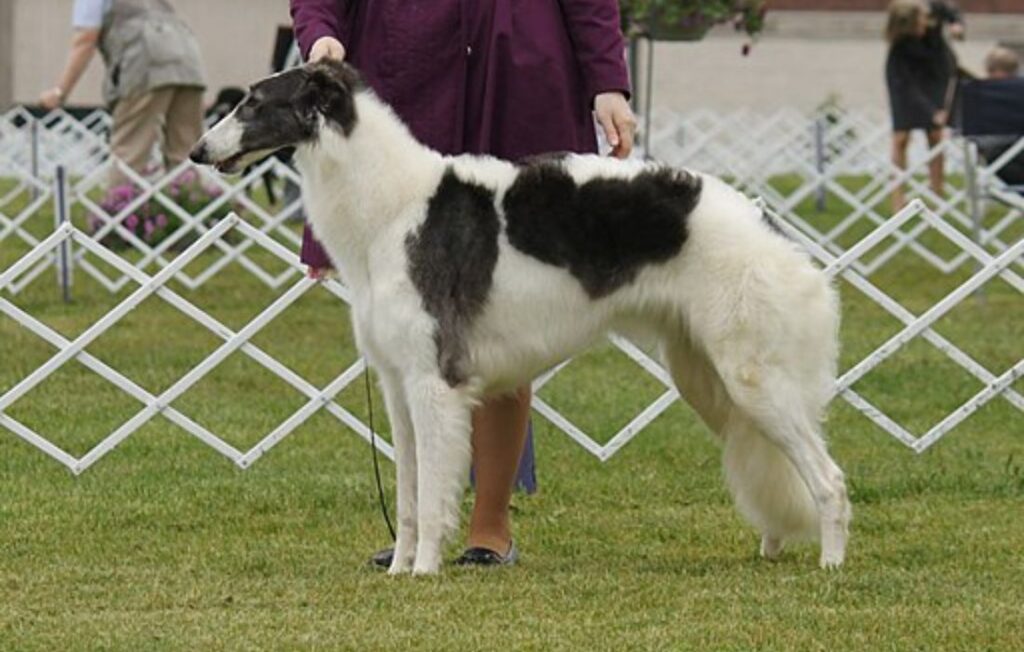
To see a Borzoi move is to witness living art. They are the very definition of a sighthound: built for the chase. Males can stand a staggering 28 inches at the shoulder or taller, with females slightly smaller, yet both possess a lean, aerodynamic grace. Their most striking feature is their long, slender, often roman-nosed head, which sits upon an elegantly arched neck. The body is narrow and deep-chested, flowing into a long, powerful back and a characteristically low-set, sweeping tail.
Then, there’s the coat. It can be silky flat, wavy, or rather curly, but it’s always soft and abundant. You’ll find them in a stunning array of colors and patterns: white, golden, red, gray, brindle, or any of these colors combined with white markings or saddles. In motion, they are a picture of powerful, floating grace, appearing to glide rather than run.
The Borzoi Personality: Gentle, Independent, and Affectionate
If their appearance is regal, their home personality is often that of a quiet philosopher. Don’t mistake their calm for aloofness. The well-bred Borzoi is a study in contrasts:
The Independent Thinker: Bred to make split-second decisions while coursing game at great distances from their handler, they possess a strong independent streak. This intelligence doesn’t always translate into eagerness to please in training—they often ask, “What’s in it for me?”
The Couch Noble: Indoors, they are famously calm, quiet, and often gloriously lazy. They are prone to dramatic reclining on the softest couch they can find, earning the nickname “45-mph couch potato.”
Sensitive and Loyal: They form deep, devoted bonds with their immediate family. They are intuitive and can be surprisingly sensitive to tension or harsh tones. Yelling is utterly ineffective and damaging with this breed.
Reserved with Strangers: They are not golden retrievers; they typically do not greet everyone with wagging enthusiasm. Their approach to strangers is polite but aloof, often observing from a distance before deciding to engage.
Is a Borzoi Right for You? Lifestyle and Considerations
This is the most important chapter. Falling for a Borzoi’s beauty is easy, but providing the right home for their nature is what makes a successful, lifelong partnership.
The Ideal Borzoi Home: Matching Breed to Owner
The perfect Borzoi owner is typically a calm, patient person who appreciates quiet companionship over boisterous play. They understand dog psychology and are prepared for the unique traits of a sighthound. A home with a securely fenced yard (more on that later) is virtually non-negotiable.
Think a Borzoi might be a good fit if:
You want a gentle, quiet indoor companion.
You have the space and resources for a large dog.
You value graceful beauty and a dignified presence.
You are committed to positive, patient training methods.
Reconsider a Borzoi if:
You are a first-time dog owner unprepared for strong prey drive and independence.
You live in a small apartment without immediate, secure outdoor access.
You want a highly social, “everyone’s best friend” type of dog.
Your home is chaotic, with lots of loud noises or constant activity.
Borzois with Children and Other Pets
With children, Borzois can be wonderful, gentle giants, but there are critical caveats. They do best with respectful, calm children who understand how to interact softly with a large dog. Their size means a happy tail whip can clear a coffee table, and they can be easily startled by sudden, loud shrieks or erratic movements. Toddlers and Borzois should always be supervised.
With other pets, the sighthound prey drive is the paramount consideration. Many Borzois can live peacefully with other dogs, especially if raised together, though some same-sex aggression can occur. The real challenge is with small animals. Their instinct to chase anything that moves like prey (cats, rabbits, small dogs, squirrels) is hardwired. While some Borzois, raised carefully from puppyhood with a cat, can live in harmony, it requires meticulous management and an understanding that the instinct never truly disappears. They should never be trusted off-leash in an unsecured area with small animals present.
The Real Cost of Owning a Borzoi
This is a giant breed with associated giant costs, beyond the initial purchase from a reputable breeder (which can range from $1,800 to $3,000+).
Grooming: While not professionally groomed often, tools for their thick coat and potential professional de-shedding help are costs.
Veterinary Care: Everything costs more: medication, anesthesia (which they are sensitive to), surgeries. Preventative care for bloat is a serious consideration.
Food: You’ll be buying high-quality food in large quantities.
Fencing: Your single biggest home investment will be a secure, tall fence (at least 5-6 feet high, as they can jump) with no gaps. This is for their safety.
Supplies: Giant-sized beds, crates, collars, and leashes.
Caring for Your Borzoi: Health, Nutrition, and Grooming

Caring for a Borzoi is a marathon, not a sprint. Their unique physiology demands specific attention to ensure a long, healthy life.
Common Borzoi Health Issues and Lifespan
The average Borzoi lifespan is 9-12 years, which is good for a giant breed. Being an informed owner means knowing the risks:
- Gastric Dilatation-Volvulus (GDV or Bloat): This is the #1 concern. Their deep chests make them susceptible. This is a life-threatening emergency where the stomach fills with gas and can twist. Knowing the symptoms (restlessness, unproductive retching, distended abdomen) and having a plan with your vet is critical. Many owners opt for a preventative gastropexy surgery.
- Cardiac Issues: Cardiomyopathy (heart muscle disease) can be seen in the breed. Regular vet check-ups that include cardiac listenings are important.
- Hip Dysplasia: Like many large breeds, they can be prone to hip issues. Reputable breeders test their breeding stock for this.
- Thyroid Issues: Hypothyroidism is not uncommon and is easily managed with medication.
- Anesthesia Sensitivity: Always ensure your vet has experience with sighthounds, as they metabolize anesthesia differently.
Feeding a Giant Sighthound: Nutrition Guidelines
Nutrition is about more than just filling a bowl; it’s about supporting their structure and preventing bloat.
- Puppies: Borzoi puppies need a large-breed puppy formula designed for controlled growth. Rapid growth can lead to bone and joint problems.
- Adults: High-quality adult food with good protein and fat levels, but not excessively high in calcium or calories.
- Feeding Practices: To combat bloat, feed two or three smaller meals a day instead of one large one. Avoid vigorous exercise for at least an hour before and after eating. Use a slow-feed bowl if they eat too quickly. Always ensure quiet, stress-free mealtimes.
Borzoi Grooming Needs: Maintaining the Silky Coat
Surprisingly, their glamorous coat is relatively low-maintenance… with one major exception.
- Regular Brushing: A thorough brushing 1-2 times per week with a slicker brush and a long-toothed comb is usually sufficient to prevent mats, especially behind the ears and in the “pants” (hindquarters).
- The Seasonal “Blow”: Twice a year, typically in spring and fall, they will “blow” their undercoat. During this time (which can last weeks), you will be living in a cloud of soft white hair. Daily brushing is essential to manage the shedding and help the new coat come in.
- The Basics: Regular nail trims (long quicks can be an issue), teeth brushing, and ear checks complete the routine.
Training a Borzoi is a bit like negotiating with a toddler. They’re smart, but they like to do things their way. That doesn’t mean you can’t train them—it just takes patience and consistency.
Tips for success:
- Start young: Early training and socialization are crucial.
- Keep it positive: Treats, praise, and gentle encouragement work wonders.
- Short sessions: Borzois can get bored easily, so don’t drag it out.
- Leash training: A must, given their tendency to chase after anything that moves.
Don’t expect your Borzoi to be the star of obedience competitions, but they’ll pick up basic commands and good manners with time.
Training and Exercising Your Borzoi
Forget everything you think you know about training dogs. The Borzoi operates on a different wavelength, one tuned to independence and ancient instincts.
Training a Borzoi: Patience and Positive Reinforcement
The golden rule: Never use harsh corrections. Their sensitive nature will shut down, and you will lose their trust. Instead:
- Use Positive Reinforcement: Make yourself the source of all good things! High-value treats (meat, cheese), lavish praise, and play are your tools.
- Keep it Short and Sweet: Their attention span for repetitive obedience is limited. Five-minute sessions, several times a day, are far more effective than one long, frustrating drill.
- Master the “Come” Recall: This is the most important—and most challenging—command. It must be built on an unshakable foundation of positive association. Never call them to you for something negative (like a bath or nail trim). Practice in a securely fenced area with fantastic treats. Understand that in a true moment of prey-drive chase, a recall may fail. This is why secure containment is non-negotiable.
- Socialization is Key: From puppyhood, gently expose them to a wide variety of people, places, sounds, and other large-breed dogs in controlled settings. This builds a confident, well-adjusted adult.
Exercise Requirements: Sprinters, Not Marathon Runners
This point is often misunderstood. Borzois are athletes, not endurance joggers.
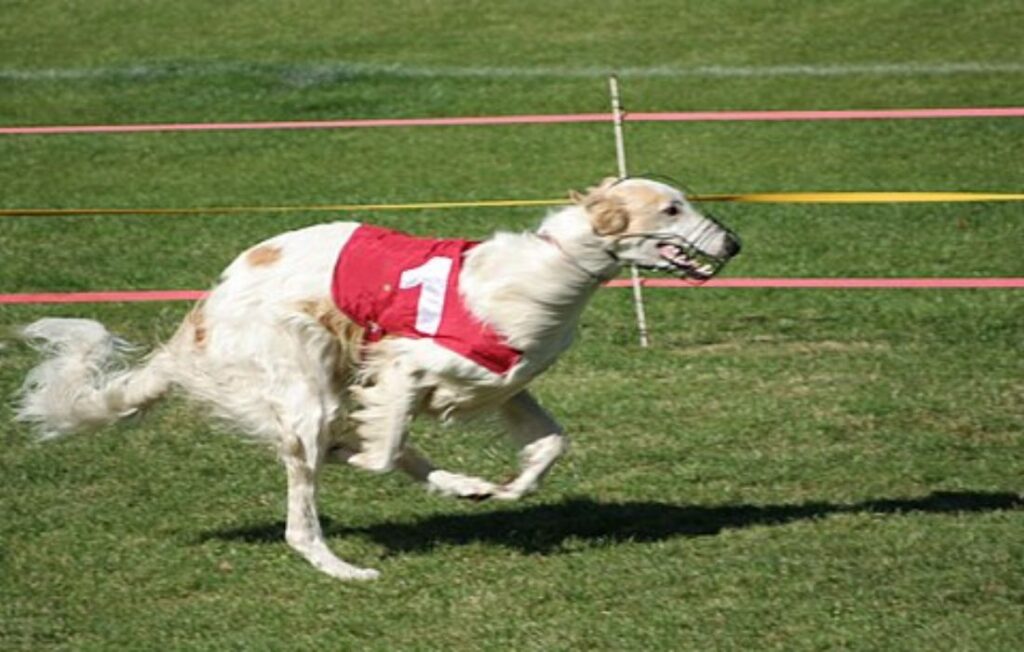
- The Daily Sprint: Their bodies are built for explosive bursts of speed. What they need most is daily, safe opportunity to run full-out in a securely fenced area. A 20-minute “zoomies” session in a yard is often more tiring for them than a 5-mile leashed walk.
- Leashed Walks: They also enjoy dignified leashed walks to sniff and explore the world. A good harness is recommended over a collar to protect their necks.
- The Indoor Life: After their physical needs are met, they are profoundly lazy and will spend the rest of the day lounging. They are excellent apartment dogs if their sprinting need is met elsewhere.
Mental Stimulation and Enrichment
A bored Borzoi can be destructive. Engage their minds:
- Lure Coursing: This is their sport! It lets them fulfill their primal chase instinct in a safe, controlled environment.
- Nose Work: Hiding treats or using scent kits is a fantastic, low-impact mental workout.
- Food Puzzles: Slow them down and make them think for their kibble.
- New Experiences: Occasional trips to new, safe places provide great mental stimulation.
Finding Your Borzoi: Responsible Breeder vs. Rescue
Your journey to finding a Borzoi must be done with care and ethics.
Choosing a Reputable Borzoi Breeder
A good breeder is your partner for the dog’s life. Avoid pet stores or online brokers.
A Reputable Breeder Will:
- Ask you as many questions as you ask them.
- Show you health testing results for both parents (hips, heart, thyroid, eyes).
- Welcome you to their home to meet the dam (mother) and see the puppy’s environment.
- Have a contract that includes a health guarantee and mandates you return the dog to them if you can’t keep it.
- Be a wealth of knowledge and offer lifetime support.
- Be affiliated with the national breed club (the Borzoi Club of America).
The Adoption Option: Borzoi Rescue Organizations
Rescuing an adult Borzoi is an incredibly rewarding path. You offer a second chance to a wonderful dog and often get a clearer idea of their adult personality. Organizations like the National Borzoi Rescue Foundation and regional groups work tirelessly to place Borzois in need. These dogs may be there through no fault of their own—a divorce, a move, an owner’s illness. Rescue groups carefully evaluate their dogs and work to match them with the perfect forever home.
Final Thoughts
Choosing to live with a Borzoi is not for everyone, and that’s perfectly okay. It’s a commitment to understanding a different kind of canine consciousness—one of quiet dignity, ancient instincts, and serene companionship. It means prioritizing security, embracing gentleness, and marveling at the sight of a creature moving with effortless grace.
For the right person or family, the reward is immeasurable. It’s the weight of a sleek head on your lap, the silent presence by your side, the breathtaking sight of your elegant companion running with joyful abandon in a safe field. It is a partnership built on mutual respect and quiet love. If, after reading this guide, your heart says “yes,” and your lifestyle aligns, you may just find that a Borzoi doesn’t just enter your home, they enrich your very soul.


Be the first to leave a comment