


Can Dogs Eat Celery? A Complete Guide for Dog Moms
Can dogs eat celery? The short answer is yes, they can, but there’s more to it than just handing over a stalk to your furry friend. Celery is a low-calorie vegetable packed with vitamins and minerals, making it a healthy snack option for your pup when prepared correctly. However, there are some important precautions to keep in mind.
Make sure to cut it into small pieces so your dog doesn’t choke, and don’t add any bad seasonings. Getting it ready to eat helps make it a safe and fun treat. Want to give your dog celery? Keep reading to see how to do it safely and get the most out of it.
Nutritional Benefits of Celery for Dogs
Celery isn’t just a crunchy snack for humans, this green veggie offers impressive nutritional perks for dogs too. Packed with essential vitamins and minerals, celery provides a low-calorie, hydrating, and fiber-rich treat that supports your pup’s overall well-being. Let’s break down the reasons why celery should make its way into your dog’s snack routine.
Essential Vitamins and Minerals
Celery delivers a variety of vital nutrients that benefit your dog’s health. Some of the key vitamins and minerals found in celery include:
- Vitamin A: Important for maintaining healthy skin and a shiny coat, while also supporting vision and immune system function.
- Vitamin B: This family of vitamins helps convert food into energy, ensuring your dog stays lively and active.
- Vitamin C: Acts as an antioxidant, reducing inflammation and supporting immune defenses.
- Potassium: Critical for muscle function and maintaining proper hydration.
- Manganese: Plays a role in nutrient absorption and bone health.
Low-Calorie Snack Alternative
If your dog is carrying a few extra pounds, celery is a smart alternative to calorie-dense treats. With almost no fat and a very low-calorie count, celery can satisfy your pet’s snack cravings without jeopardizing their weight management. For dogs prone to obesity, swapping out traditional treats for celery is a small but impactful step.
Think of celery as the crunchy equivalent of a workout buddy—it keeps their snack time light and their waistline in check. Plus, the chewing action provides some enjoyment and mental stimulation, which is always a bonus.
Hydration and Fiber Content
One of celery’s standout features is its high water content, making it an excellent choice for keeping your pup hydrated, particularly during hot weather or after a strenuous play session. Dogs that don’t drink enough water can benefit from water-rich snacks like celery, as it helps support kidney function and overall hydration.
In addition to water, celery is loaded with dietary fiber, which promotes healthy digestion. Dogs with occasional constipation or irregular bowel movements may find relief through celery’s natural fiber boost. Just remember to start with small servings and monitor your dog’s response to avoid upset stomachs.
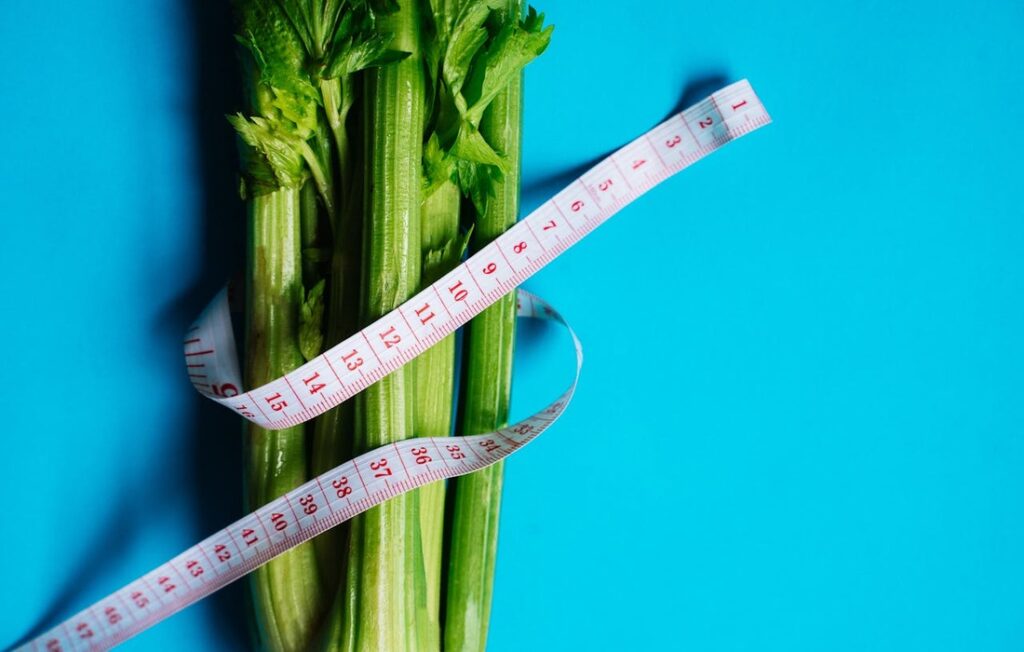
Keep in mind, while celery is a fantastic treat in moderation, it’s always wise to cut it into bite-sized pieces for safety and consult with your vet before introducing any new food to your dog’s diet.
How to Safely Feed Celery to Your Dog
Celery can be a good addition to your dog’s diet when prepared and served correctly. However, like any new treat, it’s important to follow some key steps to ensure your pup enjoys it safely while reaping its benefits. Let’s explore how to prepare and serve celery to your furry friend, while keeping their health and safety in mind.
Preparation Steps
Before offering celery to your pup, some simple preparations can make the snack safe and enjoyable. Here’s what you need to do:
- Wash Thoroughly: Always start by washing celery under running water to remove dirt, pesticides, or any potential contaminants. Organic celery is a great choice if you’re looking to reduce exposure to harmful chemicals.
- Cut into Small Pieces: Dogs don’t chew their food as thoroughly as we do, so cutting celery into small, bite-sized chunks is essential. Doing so reduces the risk of choking, especially for smaller breeds. For larger dogs, you can still offer smaller, manageable segments to avoid any digestive issues.
- Check for Freshness: Fresh celery is the best option for your dog. Wilted or old celery may lose its nutritional value and could upset your dog’s stomach. A crisp stalk is your safest bet!
- Peel for Picky Eaters: If your dog struggles with chewing, you can peel off the outer fibrous layer to make celery easier to eat and digest.
Taking these steps before serving will make celery both delicious and safe for your dog. Always supervise them when they try it for the first time, as it’s crucial to observe how they handle the snack.
Serving Suggestions
Now that celery is prepped, how can you serve it? The good news is there are multiple ways to incorporate celery into your dog’s diet, depending on their preferences and dietary needs.
- Raw: Offering small, raw celery pieces is the simplest way to serve it. Its crunchy texture can even help clean your dog’s teeth and freshen their breath, much like a natural toothbrush.
- Cooked: Gently steaming or boiling celery can soften it, making it easier to chew and digest. This is especially helpful for older dogs or those with weaker teeth. Just make sure to avoid adding salt or seasonings, as these can be harmful.
- Blended: Blend celery into a dog-friendly smoothie or mix it into homemade dog treats. Combining celery with fruits like carrots or apples can create a nutritious and hydrating snack that your pup will love.
- Toppers or Mix-ins: Use finely chopped celery as a topper on your dog’s regular meals. It adds a fun texture without overwhelming their usual diet.
Just remember, don’t go overboard with the celery! Too much can upset your dog’s stomach because of all the fiber. Stick to these serving tips, and celery can be a safe and yummy snack your dog will like.
Potential Risks
While celery can be a healthy treat for dogs, it’s not without risks. Like any new food, it requires careful preparation and moderation to avoid potential issues. Let’s explore two primary concerns: choking and digestive upset.
Choking Hazards
Celery’s fibrous texture can pose a choking risk, especially for smaller dogs or those who tend to gulp down their food without chewing. This is why cutting celery into small, bite-sized pieces is essential before serving. Think of it as a safety net—this simple step ensures your dog can chew and swallow without difficulty.
- Why is size important? Dogs lack the flat molars humans use to grind food, so they rely on swallowing chunks whole. Large pieces of celery can easily become lodged in their throat. To mitigate this, cut celery into tiny, manageable sizes based on your dog’s breed.
- Supervision is key. Always keep an eye on your pet when introducing new foods to ensure they handle it well and don’t choke.
Digestive Upset
Celery contains a lot of fiber, which can be beneficial in small amounts but problematic if overfed. Dogs with sensitive stomachs may experience digestive distress, including bloating, gas, or diarrhea, after consuming too much celery.
Watch for these signs of an upset stomach:
- Excessive gas or bloating
- Nausea or vomiting
- Loose stools or diarrhea
If you notice any of these symptoms, take a step back and adjust your dog’s portion sizes. Start with small amounts and monitor their response before making celery a regular addition to their diet. This approach helps to avoid overwhelming their system and allows their digestive tract to adapt.
Moderation and preparation can make a big difference in reducing these risks and ensuring celery remains a safe and enjoyable snack for your furry companion.
What to Watch Out For
Celery can be a nutritious snack for dogs, but like any food, it requires some caution to ensure your pup enjoys it safely. From avoiding harmful additives to monitoring their digestion, here’s what every pet owner should keep in mind.

Avoiding Salt and Toxic Ingredients
When feeding celery to your dog, simplicity is key. While it might be tempting to share some of your prepared celery dishes, it’s critical to avoid serving celery with salt or toxic ingredients. Why? Additives like sodium, onions, or garlic can harm your dog—even in small amounts.
Here are a few things to remember:
- Avoid Seasonings: Keep celery plain. Skip seasoning, butter, oils, or any spices, as most can irritate your dog’s stomach.
- Steer Clear of Toxic Foods: Celery served in soups, stews, or mixed dishes often contains onions and garlic—two ingredients that are toxic to dogs. Even in trace amounts, these can lead to serious health issues.
- Cut the Salt: High sodium content in flavored celery dishes can strain your dog’s kidneys and potentially cause dehydration.
Sticking to raw or lightly cooked celery ensures your dog gets all the health benefits without unnecessary risks.
Observing Your Dog’s Reaction
Introducing new foods like celery into your dog’s diet requires some observation. Just as humans can have unique reactions to certain foods, your pup may need time to adjust. So, how do you know if celery agrees with your dog? Pay attention to their digestion and behavior after consumption.
Here’s what to watch for:
- Signs of Upset Stomach: Look for symptoms such as vomiting, diarrhea, or excessive gas. These can indicate that your dog’s digestive system isn’t tolerating celery well.
- Allergic Reactions: Although rare, some dogs may show sneezing, itching, or skin irritation after eating celery.
- Overeating Issues: Celery is high in fiber, and too much of it can lead to loose stools or even diarrhea.
To start, offer a small piece and monitor their reaction for the next 24 hours. Gradually increase portions if no adverse effects appear. It’s always better to err on the side of caution. If in doubt, or if you notice concerning symptoms, consult your vet to ensure celery is a good fit for your pup’s diet.

Keeping these precautions in mind will help you offer celery as a safe and healthy treat that both you and your furry friend can feel good about!
Benefits of Celery for Dogs
When it comes to healthy snacks for dogs, celery might not be the first thing that comes to mind, but it certainly deserves a spot on the list. Beyond being low-calorie and packed with nutrients, celery offers unique benefits for your dog’s dental health and emotional well-being. Let’s break it down further.
Dental Health Benefits
Did you know celery can work like nature’s toothbrush for your dog? Its naturally crunchy texture helps scrape away plaque and tartar as your pup chews. This mechanical action not only aids in keeping teeth clean but also freshens their breath—a win-win for both you and your furry friend!
Here’s how celery makes a difference:
- Plaque Removal: The fibrous consistency acts like a gentle scrub for your dog’s teeth, reducing plaque buildup over time.
- Breath Freshening: Celery’s high water content helps wash away food particles, which can cause bad breath. It’s like giving your dog a mini rinse after their meals.
If your dog isn’t a fan of brushing, using celery as a treat is a simple and natural way to support their dental hygiene. Just be sure to cut the stalk into bite-size chunks to keep things safe.
Calming Mechanism
Chewing isn’t just a fun activity for dogs—it’s also a form of stress relief. That’s where celery steps in. The repetitive act of chewing can help calm anxious dogs, making it a fantastic snack for nervous pups.
Why does this work? Here’s the science:
- Stress Reduction: Chewing triggers the production of serotonin, the “feel-good” hormone, which can help soothe anxiety.
- Mental Stimulation: For dogs that tend to get bored or restless, gnawing on a healthy snack like celery can keep their mind occupied in a positive way.
In situations where your dog might feel uneasy—such as thunderstorms or being left home alone—offering celery as a calming distraction can work wonders.
Dos and Don’ts of Feeding Celery to Your Dog
When it comes to feeding celery to your dog, a little knowledge goes a long way. Celery is not a default snack for dogs, but when prepared and served correctly, it can be an occasional healthy treat. To make sure it’s a safe experience for your furry friend, let’s break down the dos and don’ts of offering celery to your dog.
Dos: Ensuring Safe and Healthy Treats
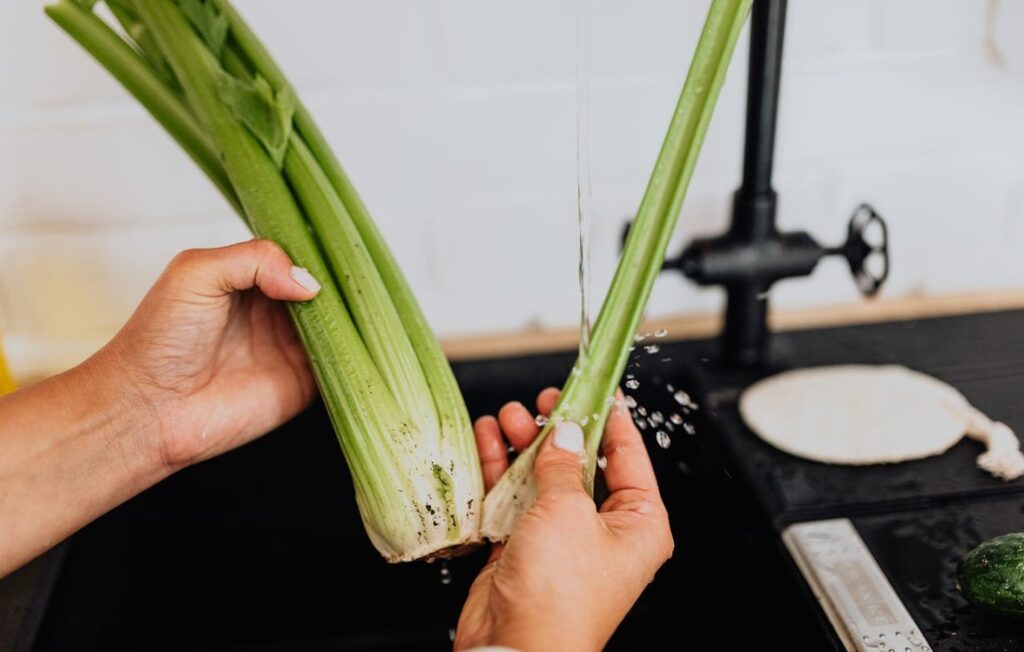
Here are the actions you should take to ensure celery becomes a positive addition to your dog’s diet:
- Wash Celery Thoroughly Always rinse celery under running water to remove any dirt, pesticides, or residues that may be harmful to your dog’s health. If you’re buying non-organic celery, this step is especially crucial.
- Introduce Gradually Start with small pieces to gauge your dog’s reaction. This approach not only helps you monitor their digestion but also ensures that your dog isn’t overwhelmed by the fiber content. Gradually increase the amount if your pup enjoys it and shows no adverse effects.
- Cut into Bite-Sized Pieces Celery has a fibrous texture that can pose choking hazards, particularly for smaller breeds. Be sure to chop it into small, manageable chunks based on your dog’s size.
- Consult Your Vet Before adding celery or any new snack to your dog’s diet, it’s always a good idea to check with your veterinarian. This is especially important if your dog has pre-existing health conditions or food sensitivities.
- Watch Their Reaction After giving your dog celery, observe them for any signs of discomfort or digestive upset. Symptoms like diarrhea, bloating, or vomiting mean celery might not agree with their system.
Don’ts: Avoid These Pitfalls
While celery can be beneficial, there are certain mistakes to avoid to keep it safe for your pup:
- Don’t Feed Large Pieces Dogs generally don’t chew as thoroughly as humans, which makes large chunks of celery a choking hazard. This is especially true for smaller breeds or puppies.
- Avoid Using Salt or Seasonings Celery should be served plain—no salt, butter, oils, or spices. Seasonings can upset your dog’s stomach, and certain ingredients (like garlic or onion powders) can be toxic.
- Don’t Overdo It on Fiber While celery is packed with fiber, too much can lead to diarrhea or other digestive issues. Balance is key—celery should be a treat, not a staple.
- Skip the Leaves Celery leaves may sometimes contain higher pesticide concentrations. For this reason, it’s safer to discard them before feeding the stalks to your dog.
- Don’t Rely on Celery for Nutrition Celery can supplement your dog’s diet but shouldn’t replace meals or core snacks. Dogs require a balanced diet to thrive, and celery alone doesn’t meet their nutritional needs.
By keeping these dos and don’ts in mind, you’ll ensure that celery is a positive, safe treat for your dog. Whether it’s a crunch-filled snack or a hydration booster, celery can be a fun addition to your dog’s menu when served safely and in moderation.
Frequently Asked Questions
When it comes to incorporating celery into your dog’s snack routine, it’s important to address some of the most common questions pet owners have. From how to prepare it to the right portion size, let’s explore everything you need to know to safely introduce this crunchy vegetable to your furry friend.
Can Dogs Eat Cooked Celery?
Yes, dogs can eat cooked celery! Both raw and cooked celery are safe options for canine consumption, but there are a few differences to keep in mind. Raw celery retains its full nutritional profile, including high water content, fiber, and essential vitamins like A, C, and K. On the other hand, cooked celery loses some of its nutrients during the heating process, especially water-soluble vitamins like vitamin C. However, cooking softens the texture, making it an excellent option for senior dogs or pups with dental sensitivities.
Key considerations for cooked celery:
- Always prepare it plain—no salt, butter, or seasoning, as these can upset your dog’s stomach or be downright harmful.
- Steam or boil celery lightly to maintain as many nutrients as possible.
- Cool it down before serving to ensure your dog’s safety.
What Portion Size Is Safe?
When feeding your dog celery, moderation is crucial. While it’s low in calories and packed with beneficial nutrients, too much celery can lead to gastrointestinal upset, thanks to its high fiber content.
Portion guidelines based on size:
- Small Dogs (e.g., Chihuahuas, Pomeranians): 1–2 small pieces, no larger than a quarter of an inch each.
- Medium Dogs (e.g., Beagles, Cocker Spaniels): 3–4 small slices or pieces.
- Large Dogs (e.g., Labradors, German Shepherds): 4–6 small chunks.
Frequency Tips: Celery should be treated as an occasional snack, not a meal substitute. Offering it no more than 1–2 times a week is ideal to avoid overloading your pet’s digestive system.
For your dog’s safety, always monitor how they react when you introduce celery. Start small, observe for any signs of an upset stomach, and adjust portion sizes accordingly.
Final Thoughts
Celery is okay for dogs in small amounts if you prep it right. It’s pack with nutrients, it’s crunchy, and it has great hydrating properties, so that’s all great. Still, you need to be careful. Always wash celery well, chop it into little pieces, and see if your dog can handle a little bit before giving them more.
If you want a healthy snack that might help keep their teeth clean sometimes, celery is a good pick, just make sure it’s plain. Keep an eye out to see if it messes with their stomach and ask your vet if you are not sure about anything.



Be the first to leave a comment