

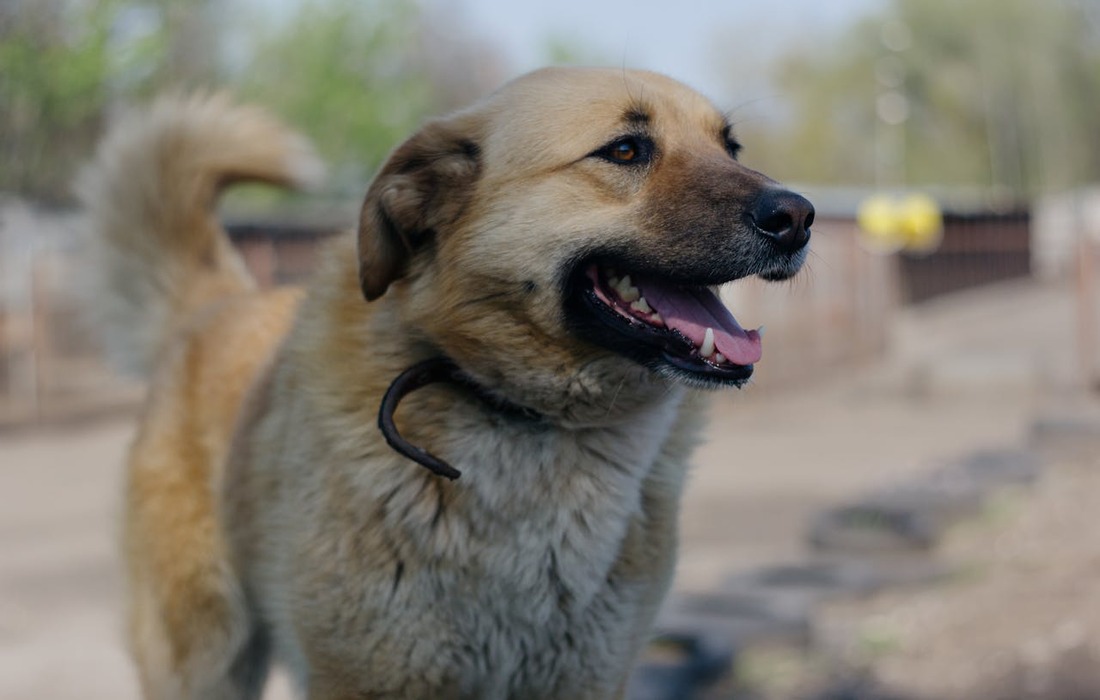
Anatolian Shepherd: A Complete Guide for Dog Moms
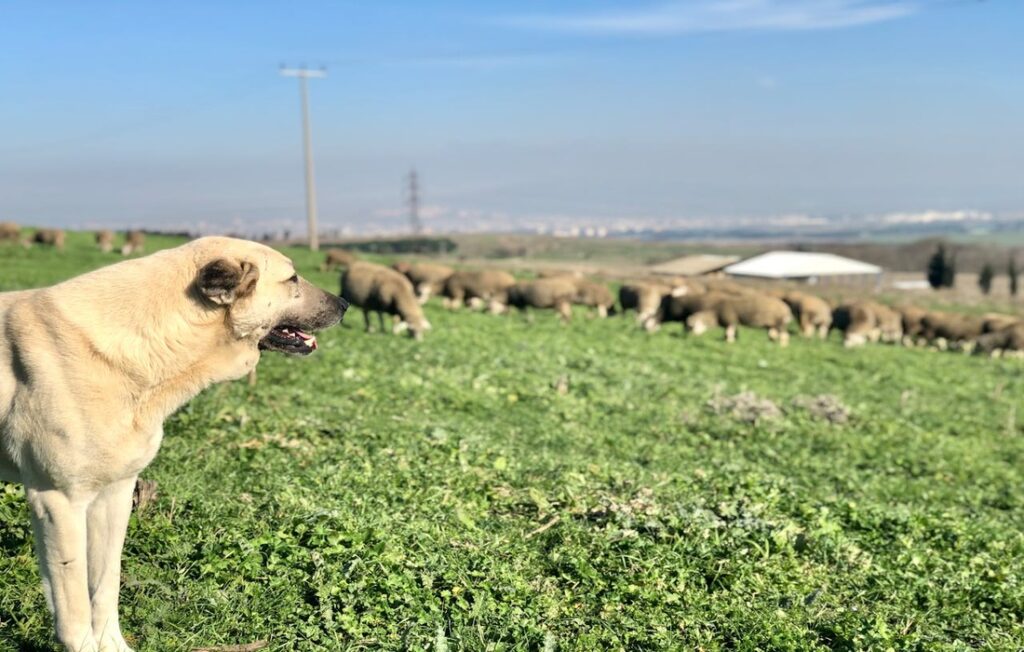
The Anatolian Shepherd Dog is a loyal and protective breed. These dogs aren’t new to guarding, they’ve been keeping livestock safe for over 6,000 years! They come from Turkey and were bred to protect animals from dangerous predators like wolves and bears. They’re strong, smart, and serious about their job.
If you’re thinking about getting one, this guide will help you learn where they do best, how easy they are to train, and if they’re a good fit for families.
History of The Anatolian Shepherd
The Anatolian Shepherd Dog is more than just a loyal companion—this breed is a living testament to humanity’s long-standing relationship with working dogs. Renowned for its keen instincts and protective nature, its journey from the ancient hills of Turkey to backyards and ranches across the globe is a story worth telling.
Where They Came From
The Anatolian Shepherd Dog is a very old breed, going back over 6,000 years. heir ancestors were large, tough dogs that traveled with people in Turkey. They helped protect sheep and goats from wild animals. These dogs didn’t herd animals—they stayed close and stood guard.
Living in rough areas meant these dogs had to be able to protect sheep and goats from wolves, bears, and even leopards. That’s why they’re so brave and smart today. Unlike herding dogs, Anatolian Shepherds stay with their flock and always protect them.
Experts believe they may be related to the Tibetan Mastiff. Their bloodline spread through ancient empires like Babylon and Assyria. Over time, their ability to survive in harsh areas made them very important to shepherds.
Getting to America
The Anatolian Shepherd Dog first came to the United States in the late 1930s because of a government experiment. They wanted a dog that could protect livestock from predators because farmers were losing a lot of animals. They brought some dogs from Turkey, but the breed didn’t become popular until the 1950s and 1960s. That’s when ranchers realized how good Anatolian Shepherds were at guarding.
By the 1980s, everyone wanted one because they’re strong, independent, and can live in different climates.Today, they’re trusted by farmers and families who want a strong, dependable dog—especially in the countryside.
What They Look Like
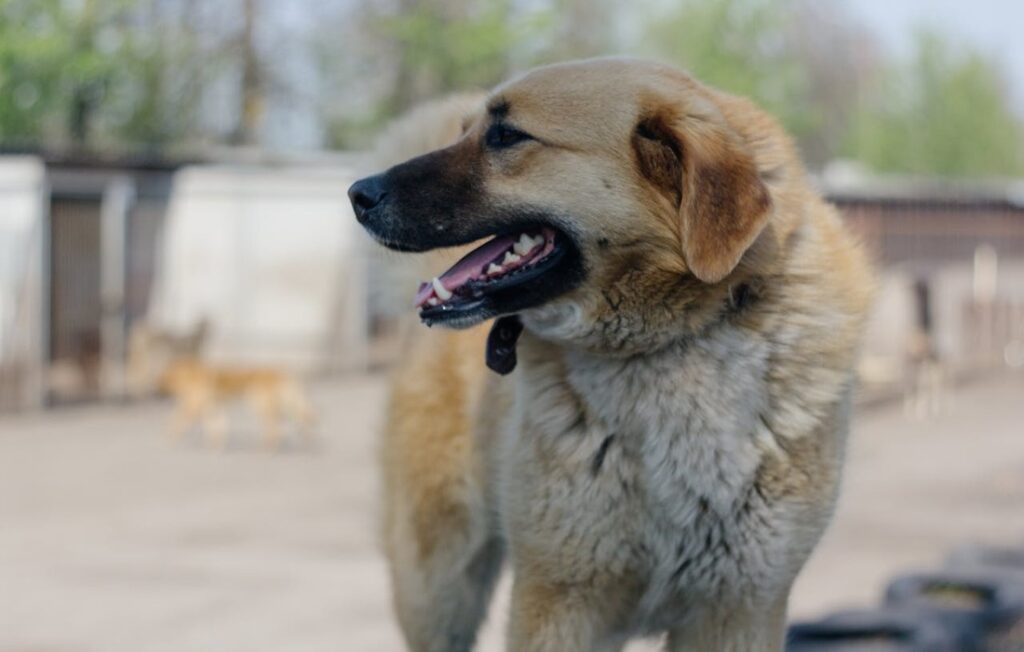
The Anatolian Shepherd Dog looks strong because they’re built to guard livestock. This breed is both big and kind of pretty. Here’s what makes them look the way they do. Below, we’ll dive into the key physical characteristics that define this sturdy yet noble dog.
Size and Weight
One of the most noticeable traits of the Anatolian Shepherd is its size. These dogs are large and muscular, designed for endurance and strength rather than speed. Their size is part of their effectiveness in intimidating predators like wolves and bears.
- Male Anatolian Shepherds
- Height: Ranges between 29 to 31 inches at the shoulder.
- Weight: Typically between 110 to 150 pounds.
- Female Anatolian Shepherds
- Height: Slightly shorter, standing between 27 to 29 inches.
- Weight: Generally weighs in at around 90 to 130 pounds.
These are just average sizes, and each dog can be a little different depending on what they eat and how much they exercise. Even though they’re big, Anatolians can move fast.
Coat and Colors
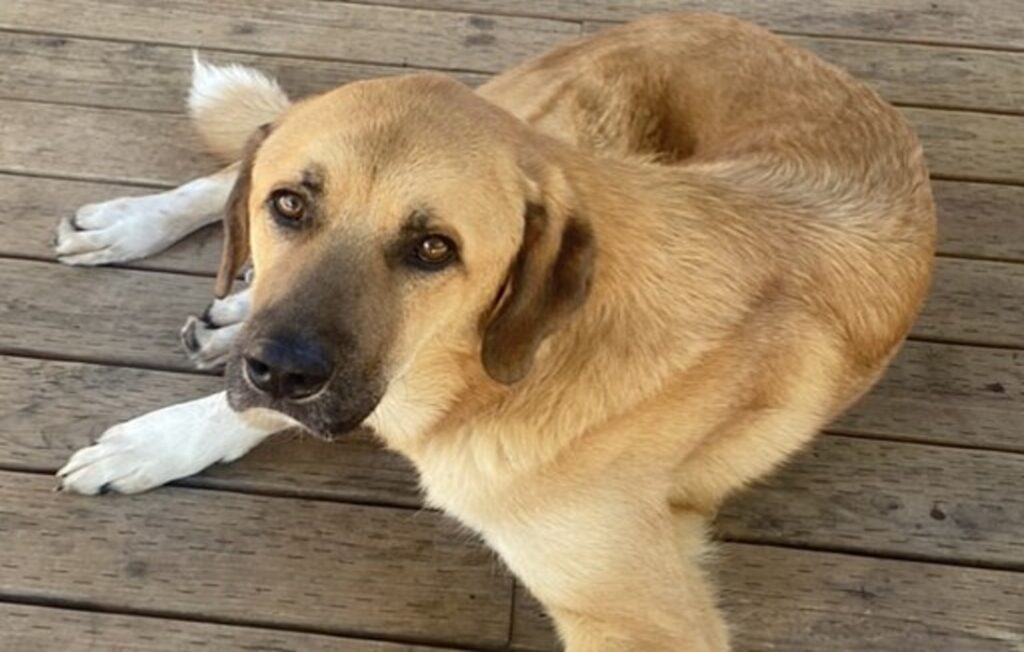
The Anatolian Shepherd has a coat with two layers that keep them safe in bad weather. The outer layer is rough and keeps out the weather, while the inner layer keeps them warm.
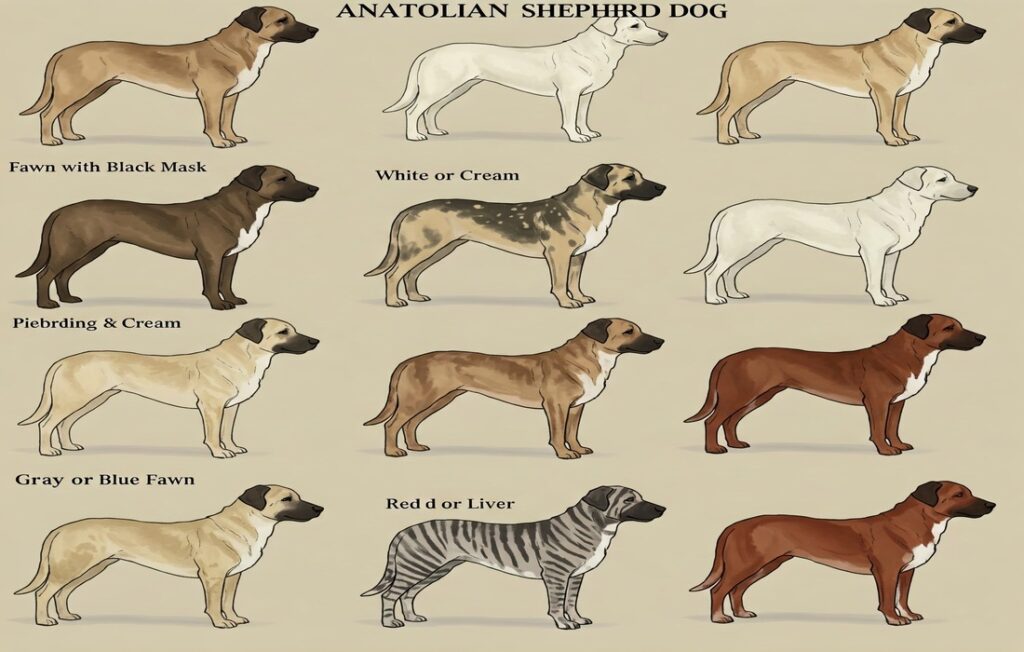
These coats come in a variety of colors, giving the breed a diverse appearance while maintaining its recognizable look:
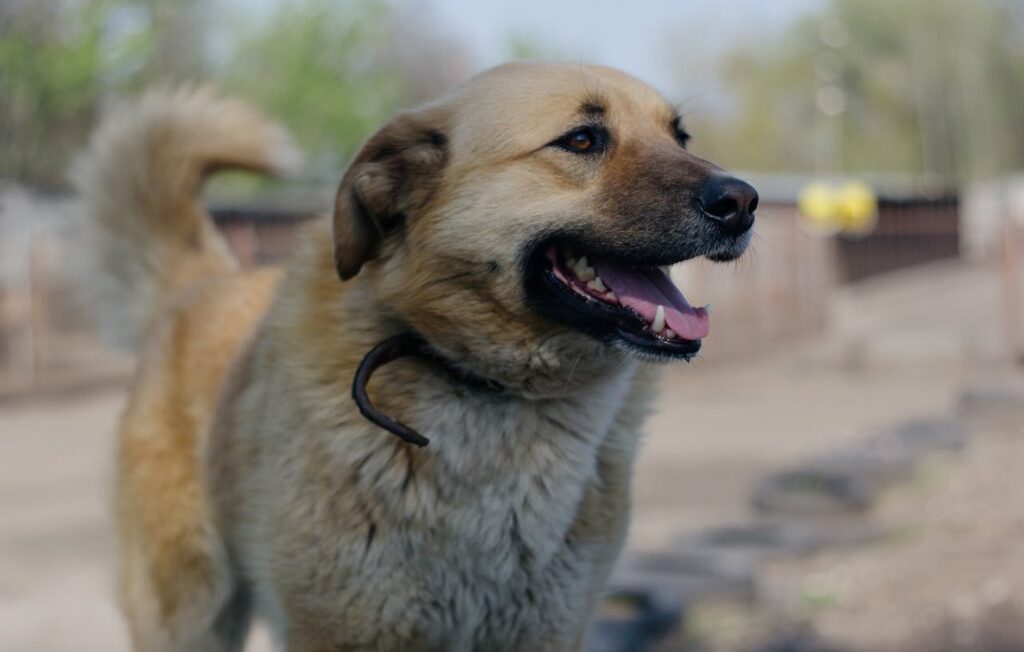
- Fawn with Black Mask (one of the most iconic appearances)
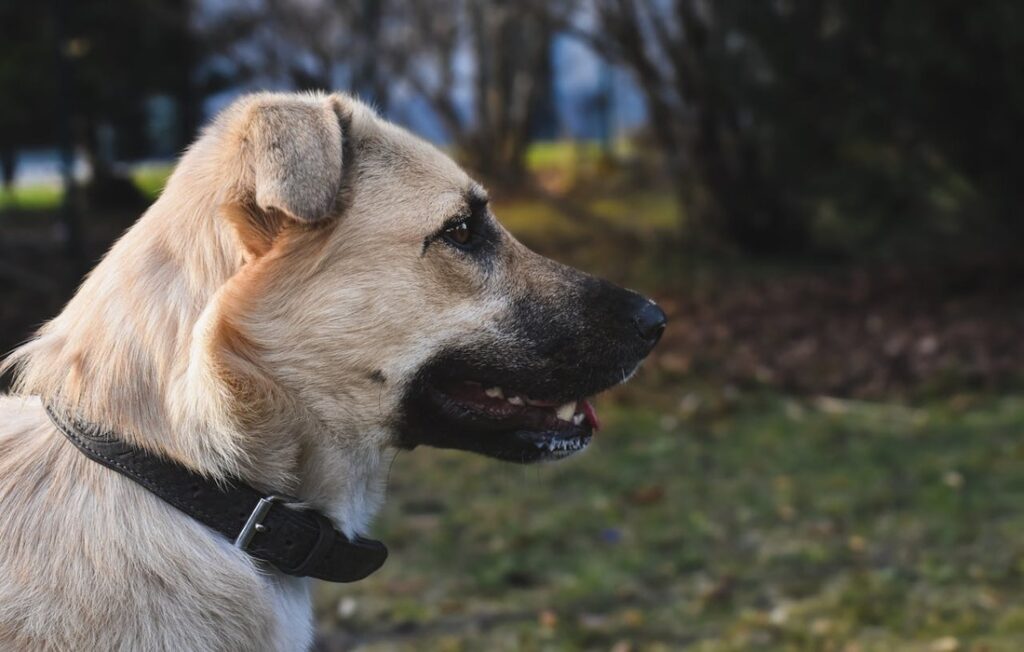
- White or Cream
- Piebald (white base coat with large patches of color)
- Brindle (striped pattern on a base coat)
- Gray or Blue Fawn
- Red or Liver
Each of these color variations often matches the needs of the breed’s original environment—blending in with livestock and natural surroundings for camouflage.
Because they were meant to blend in with animals and land, these colors helped them stay hidden from predators. Keep in mind—they shed! Especially in spring and fall. Brush them weekly, and more often during shedding seasons.
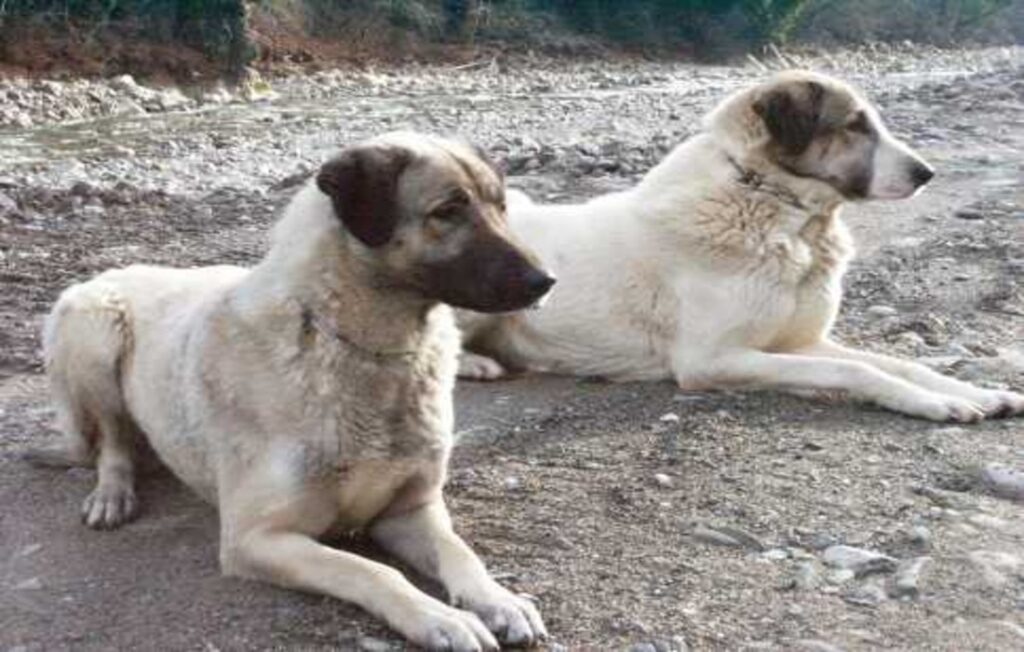
These physical characteristics not only make the Anatolian Shepherd strikingly beautiful but also functional and resilient, built for their role as one of the world’s finest livestock guardians.
Personality
The Anatolian Shepherd Dog is known for being independent, smart, and very loyal. They’ve always guarded livestock, so they’re good protectors and friends. If you’re thinking about getting one, you need to understand how they act.
Anatolian Shepherds are independent, alert, and loyal. Their personalities are shaped by centuries of working with people.
Protective but Calm
They’re natural protectors. They guard animals and people without being aggressive. They’re smart enough to think before they act. They don’t bark or chase unless there’s real danger.
They’re great for rural homes where they can watch over land or livestock. Families often feel safer with one around.
Socialization Is Key
Anatolians need to meet people and other animals when they’re young. They tend to be cautious with strangers, which is part of their charm—but they can become too shy or too aggressive if not socialized.
Ways to help:
- Take them to parks, classes, and pet-friendly places.
- Let them meet other dogs and visitors.
- Praise them when they stay calm in new situations.
With proper training, they grow into calm, confident companions. In short, a well-socialized Anatolian Shepherd is calmer, friendlier, and more adaptable, making them much easier companions.
Care Needs
Caring for an Anatolian Shepherd Dog requires understanding their unique physical and mental needs. From staying active to maintaining a healthy diet, these dogs thrive when provided with proper attention and care. Here’s a breakdown of their exercise, grooming, and dietary requirements.
Exercise Requirements
Anatolian Shepherds are working dogs at heart with energy levels tailored to their role as diligent livestock guardians. Despite their calm demeanor, they need consistent, structured physical activities to stay fit and mentally balanced.
- Daily Activity: Aim for at least 60 to 90 minutes of exercise every day. This doesn’t mean overly intense workouts, but a mix of walks, play sessions, and “work-like” tasks that engage their intelligence.
- Mental Stimulation: As highly intelligent dogs, they excel when given puzzles, problem-solving activities, or even commands to “guard” designated areas of your home or yard.
- Space to Roam: These dogs aren’t meant for cramped apartments. A large backyard, preferably with secure fencing, allows them the freedom they crave.
Without sufficient physical and mental stimulation, an Anatolian Shepherd may channel their energy into behaviors like digging or excessive barking.
Grooming Tips
Anatolian Shepherd Dogs boast a double-layered coat designed to keep them comfortable in both hot summers and freezing winters. This coat, however, requires regular upkeep to maintain its health and appearance.
- Shedding: They experience moderate shedding throughout the year, with heavy seasonal shedding during spring and fall.
- Brushing Routine: Brush them at least once a week using a slicker or pin brush. During shedding seasons, daily brushing might be necessary to manage their undercoat.
- Bathing: These dogs don’t require frequent baths—every 6 to 8 weeks is sufficient unless they get particularly dirty. Use a shampoo formulated for double-coated breeds to maintain their natural oils.
Regular grooming isn’t just about aesthetics, it’s an opportunity to check for any skin issues, ticks, or signs of irritation.
What to Feed Them
Anatolian Shepherd Dogs have unique dietary needs due to their large size and active nature. Providing a well-balanced and nutritionally complete diet is essential for their overall health.
- High-Quality Kibble: Choose dog food formulated for large breeds with balanced protein and fat levels.
- Portion Control: Overfeeding can lead to obesity, which increases the risk of joint issues. Monitor portions carefully based on their activity level and age.
- Supplements: Large breeds may benefit from supplements like glucosamine for joint health and Omega-3 fatty acids for coat health.
- Water Intake: Always ensure they have access to fresh water, especially after exercise and during warmer months.
Consult with your vetto tailor your Anatolian Shepherd’s diet to their specific needs. With the right care in these three areas, your Anatolian Shepherd will thrive both mentally and physically, adapting beautifully to their environment while maintaining the robust health they’re known for.
Health Issues
Like all dog breeds, Anatolian Shepherds are predisposed to certain health challenges. Understanding these potential issues and taking steps to address them can make a world of difference in your dog’s quality of life. Let’s dive into some of the most common ailments and explore preventive care practices that every Anatolian Shepherd owner should know.
Common Problems
Anatolian Shepherds are typically robust and healthy dogs, but they are not immune to health issues. Here are a few of the most common problems they may face:
- Entropion: This is a condition where the eyelid rolls inward, causing the eyelashes to irritate the eye. Over time, this can lead to discomfort, or even vision loss if untreated. Regular eye checks during routine vet visits are important for early detection.
- Hip and Elbow Dysplasia: Large breeds like Anatolians are prone to joint issues, including hip and elbow dysplasia. This hereditary condition can cause arthritis and mobility problems as the dog ages. Maintaining a healthy weight and providing joint supplements as needed can help alleviate symptoms.
- Gastric Dilatation-Volvulus (Bloat): Anatolian Shepherds are deep-chested dogs, making them susceptible to bloat. This life-threatening condition occurs when the stomach twists, cutting off blood flow. Always monitor your dog after meals, avoid feeding them right before exercise, and know the signs of bloat, like restlessness or retching.
- Ear Infections: Their thick coats and floppy ears can make them more prone to ear infections. Moisture and debris can get trapped inside, leading to bacterial growth. Regular cleaning and inspection can prevent complications.
- Sensitivity to Anesthesia: Anatolians may have a higher sensitivity to certain anesthetics due to their unique metabolism. Inform your vet about this trait prior to any surgical procedures.
Preventive Care
Preventative health care is key to keeping your Anatolian Shepherd in top shape. Here’s a breakdown of what you can do to stay ahead of potential problems:
- Routine Vet Visits Schedule annual check-ups to monitor your dog’s overall health. Early intervention can prevent many conditions from worsening. Your vet can perform tests for hereditary issues like hip dysplasia or check for eye problems.
- Vaccinations and Parasite Prevention Ensure that your Anatolian is up-to-date on vaccinations for diseases like rabies, distemper, and parvo. Use vet-approved flea, tick, and heartworm preventatives to shield them from common parasites.
- Proper Nutrition Feed your Anatolian a balanced diet designed for large breeds to support their growing joints and overall fitness. Avoid feeding them table scraps or low-quality food to minimize unnecessary weight gain.
- Oral Care Dental hygiene often gets overlooked but plays a significant role in a dog’s health. Regular brushing and dental treats can prevent periodontal disease.
- Grooming Schedule Regular grooming is more than keeping your Anatolian looking its best. It’s also a chance to check for any abnormalities, like lumps, skin irritation, or external parasites. Keep their ears clean to avoid infections, especially if they spend a lot of time outdoors.
- Physical Activity Exercise helps maintain muscle tone and keep your dog’s joints flexible. At the same time, avoid overexertion, particularly in puppies, as their bones are still developing. Short, controlled walks or play sessions are ideal.
- Screen for High-Risk Health Issues Genetic testing or breed-specific screenings can identify hereditary concerns early on. This could give you the chance to address potential problems before they impact your Anatolian’s well-being.
Preventive care isn’t just about keeping problems at bay, it’s about ensuring your Anatolian Shepherd has every opportunity to enjoy a long, comfortable, and active life.
Are They Right for You?
The Anatolian Shepherd Dog is a strong breed that protects well. But they’re not for everyone. You need to know if they fit your life. This section will talk about if they’re good with families, other pets, and what kind of home is best for them.
Are Anatolian Shepherds Good Pets?
Anatolian Shepherds can make excellent pets for the right owner. Their loyalty, intelligence, and drive to protect make them beloved companions for certain families. But are they a good fit for everyone? Let’s break it down.
- Families with Older Children: Anatolian Shepherds are protective, especially with their human “flock.” They tend to do very well with older children who understand how to interact respectfully with a large dog. Young children may not be ideal since Anatolians can accidentally knock them over due to their size.
- Compatibility with Other Pets: Their guarding tendencies mean they are naturally dominant, which can create conflicts with other dogs or pets, especially if introductions are mishandled. Early socialization is essential to help Anatolians learn to coexist with other animals. In homes with smaller pets, they may display protective, but not predatory, behavior as long as they are properly trained.
- Strangers in the Home: These dogs are naturally wary of strangers, which can be both a strength and a challenge. They will need careful introductions to guests and consistent training to distinguish between welcome visitors and potential threats.
Their temperament shines in a patient, experienced household that prioritizes consistent boundaries and routine. First-time dog owners or those used to highly sociable, easygoing breeds may find the Anatolian Shepherd’s independent streak difficult to handle.
Ideal Homes
To truly thrive, Anatolian Shepherd Dogs require a specific living environment and an owner who understands their needs. Here’s what makes the ideal home for this breed:
- Homes with Large Outdoor Spaces: Anatolians are designed for wide-open spaces and require ample room to move. A securely fenced yard or a rural setting with plenty of land is ideal. This is not an apartment dog.
- Experienced Dog Handlers: These dogs are independent thinkers. An owner with prior experience handling strong-willed breeds will feel more confident managing their training and behavior. Consistency and patience go a long way.
- Working Roles: Due to their specialized nature as livestock guardians, Anatolians excel in homes where they have a job to do, such as protecting animals or large properties. They are happiest when they feel needed and engaged.
- Households with Predictable Routines: Anatolian Shepherds thrive on routine. Providing regular feeding times, consistent training, and clear expectations helps keep them centered. Chaos or constant changes in the household may confuse or stress them.
Quick Facts
Below is a concise overview of key Anatolian Shepherd Dog facts:
| Trait | Description |
|---|---|
| Size | Large; males: 29-31 inches, 110-150 lbs; females: 27-30 inches, 90-130 lbs. |
| Lifespan | 11-13 years |
| Coat Type | Dense double coat; can be short or rough, depending on breeding. |
| Energy Requirements | Moderate; requires daily moderate activity and mental stimulation. |
| Temperament | Loyal, independent, protective, and intelligent. |
The Anatolian Shepherd is a breed that blends strength with elegance, offering a unique mix of independence and unwavering loyalty. For anyone considering bringing one into their lives, this summary paints a clear picture of what to expect.
How to Live with Them
Living with an Anatolian Shepherd is an adventure in itself. They are fiercely loyal and independent, but their unique traits require tailored care and attention. Below, I’ll share practical tips to make life with this remarkable breed an amazing experience, broken down into essential areas like training and daily routines.
Training and Obedience
Training is key to getting along well with an Anatolian Shepherd. These dogs are smart but also independent thinkers, so you need a strategy that combines firmness with consistency.
Here’s how to get started:
- Start Early: Begin training while they’re still puppies. Introducing basic commands like “sit,” “stay,” and “come” at an early stage sets a solid foundation.
- Respect Training Over Obedience: It’s not just about teaching commands; it’s about earning their respect. They need to trust you as their leader.
- Positive Reinforcement: Use treats and praise to reward good behavior. Anatolians respond well to encouragement rather than punitive measures.
- Short, Consistent Sessions: Keep training sessions brief—around 10 minutes each—to match their attention span. Repetition and consistency go a long way.
- Socialize as Much as Possible: They can be wary of strangers, so exposing them to new people and environments can lessen overprotective tendencies.
- Secure Boundaries: They’re strong-willed and might take advantage of perceived weaknesses in commands. Always be firm but fair.
Using these techniques, you can harness their natural intelligence and create a balanced dynamic that respects their instincts and your authority. For more detailed insights, check out How to Train an Anatolian Shepherd Dog.
Daily Routine and Environment
Anatolian Shepherds thrive in environments that align with their working-dog heritage. These aren’t couch potatoes—they need purposeful activities and the right setting.
Ideal Daily Routine
Here’s what an average day might look like for your Anatolian:
- Morning Exercise: A brisk walk or jog lasting 30–40 minutes to burn off energy.
- Job or Responsibility: Let them “guard” a yard, house, or even a specific object. Anatolians are happiest when they feel they have a role.
- Mental Stimulation: Puzzle toys, basic training drills, or teaching new commands to keep them mentally sharp.
- Midday Break: Offer a cool-down period indoors or in shaded outdoor spaces. Hydration is crucial, especially in warm weather.
- Evening Wind-Down: Another walk or play session, though this can be lighter than their morning routine.
Creating the Perfect Environment
These are not dogs built for apartments or cramped spaces. If you’re considering bringing one home, here’s what their environment should include:
- Space to Roam: A securely fenced yard is essential. Unsecured areas can trigger their wanderlust and guarding instincts, making them prone to roaming.
- Rural/Outdoor Settings: Anatolians are happiest when their environment mimics their original working conditions. Spacious properties or farms are ideal.
- Strong Fencing: A barrier of at least six feet is necessary, as they’re capable jumpers and climbers.
- Quiet Livelihoods: They bond best with owners who lead consistent, relatively calm lifestyles. Too much chaos or noise can make them anxious.
Living with an Anatolian Shepherd means adopting a routine that balances physical activity, mental stimulation, and environmental stability. Tailoring their environment and daily routine to their needs ensures a well-adjusted and happy Anatolian Shepherd, a guardian who thrives under your care.
Final Thoughts
The Anatolian Shepherd Dog is a powerful, loyal, and highly intelligent breed that thrives when matched with the right owner and environment. Their ancient role as guardians is still evident in their instincts, making them great protectors of both livestock and families. However, their size, independence, and territorial nature can be challenging for first-time dog owners or those living in urban areas.
If you’re ready for a smart, serious guardian, the Anatolian Shepherd could be a perfect match. Talk to a breeder or rescue group to learn more. These dogs have watched over flocks and families for centuries. They could be the loyal friend your family’s been waiting for.
If you’ve been drawn to this breed’s history, traits, and purpose, take the next step: reach out to a reputable breeder, rescue organization, or trainer to learn more. Are you ready to welcome a guardian like no other into your life? Let their legacy of loyalty enrich yours.


Be the first to leave a comment