

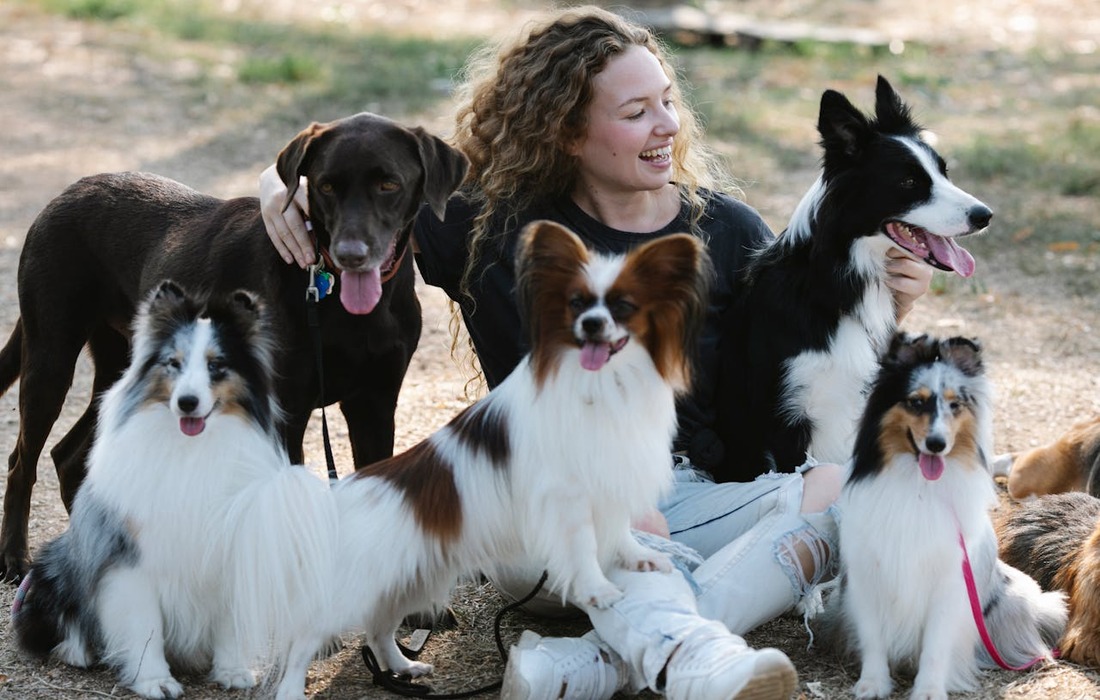
A Complete Guide to the Best Dog Breeds for New Dog Moms
Getting a dog for the first time is super exciting, but it’s also a big deal. Picking the right kind of dog is key to having a good time together. Some dogs are just naturally chill, easy to train, and get used to new stuff faster – which is great if you’re a newbie. It doesn’t matter if you work all the time, have kids, or live in a small apartment, there’s a dog (or a mix of dogs!) that will fit right into your life and keep up with you.
In this guide, I’m going to tell you about some of the best dogs to get, looking at how they act, how much exercise they need, how much you have to groom them, and what kind of space they need. That way, you can find a dog you know you’ll love.
What to Think About When You’re Choosing a Dog
Picking the right dog when you’ve never had one can feel like a lot, but it doesn’t have to be. Your life, where you live, your family dynamics, and even if you get allergies, they all matter in finding the perfect companion. Let’s look at these things so you can make a smarter choice.
Lifestyle and Activity Levels
Every dog has unique energy requirements. For active individuals who enjoy hiking or running, breeds like Border Collies or Labradors thrive in high-energy environments. On the other hand, if your routine leans toward quiet evenings and minimal exercise, consider lower-energy, more laid-back breeds like Bulldogs or Basset Hounds.
Your dog’s exercise needs should align with the time and commitment you can realistically offer. A high-energy dog in a sedentary household may become anxious or even destructive. Think of it this way: matching your energy level with your dog’s is like finding a friend who shares your interests!

Living Space
Living in a cozy city apartment? Some dogs like French Bulldogs or Dachshunds adapt beautifully to small spaces and urban living. These breeds don’t require a large yard to play in, but they’ll still need regular walks for mental stimulation.
If you have a house with a yard, you might have more flexibility to choose medium or large breeds that enjoy stretching their legs outdoors, like Golden Retrievers or German Shepherds. But remember, an “outdoor dog” doesn’t mean they should live outside permanently. Dogs thrive when they can spend quality time indoors with their families, regardless of space.
Family Considerations
When picking a breed, consider who will interact with the dog daily. For families with kids, gentle and playful breeds like Golden Retrievers or Cavaliers often create lifelong bonds. Meanwhile, households with seniors might benefit from smaller, low-maintenance breeds like Poodles or Shih Tzus, which can offer companionship without being overly demanding.
For individuals or couples, highly trainable and independent breeds like Whippets or Miniature Schnauzers are ideal. The key is understanding the temperament of the breed and ensuring it complements your household dynamic.
Allergies
If anyone in your household has allergies, hypoallergenic breeds like Poodles, Bichon Frises, or Portuguese Water Dogs may be the perfect solution. These breeds are known to produce less dander and shed minimally.
That said, hypoallergenic doesn’t mean completely allergy-free, so it’s always a good idea to spend time around a breed before committing.
Money and Time
Owning a dog isn’t just about love and companionship—it’s a financial and time investment, too. Before bringing a furry friend into your home, consider these expenses:
- Grooming: Dogs like Poodles need regular grooming, while short-haired breeds require less upkeep.
- Veterinary care: Routine check-ups, vaccinations, and emergency visits add up.
- Food: Larger breeds eat more, which increases monthly food costs.
- Training: Professional obedience training might be necessary, especially for high-energy or stubborn breeds.
- Daily care: Toys, beds, leashes, and other essentials come with ongoing costs.
Beyond money, dogs need time. From daily walks to play sessions and socialization, your schedule must accommodate their needs. Mixed-breed dogs, often adopted from shelters, can be more budget-friendly and bring unique traits to your home. For cost-conscious owners, mixed breeds are a fantastic option—check shelters near you for lovable companions.
And if you’re weighing the commitment of dog ownership, this guide from VCA Hospitals breaks it down step-by-step.
This section aims to simplify the complexities behind selecting the right breed, empowering you to make a decision that aligns with your lifestyle. Pairing the right dog with the right home is the first step toward a happy, lifelong bond.
Top Dog Breeds for First-Time Owners
When you’re thinking about bringing a dog into your life for the first time, the choice of breed is more important than you might realize. Some breeds are naturally more adaptable, easier to train, and better suited to specific lifestyles, making them ideal for beginners. Here’s a breakdown of top dog breeds tailored to different needs, from families with kids to busy professionals and those with allergies.
Best Breeds for Families with Kids

If you’re part of a family with children, you’ll want a breed that’s friendly, patient, and loves being around little ones. Here are three excellent picks:
- Labrador Retriever: Labs are energetic, lovable, and incredibly tolerant, making them perfect playmates for kids. They thrive in active households and are always ready for a game of fetch.
- Golden Retriever: Known for their gentle temperament, Goldens are loyal and nurturing, forming strong bonds with kids. They’re also highly intelligent and keen to please.
- Cavalier King Charles Spaniel: This smaller breed is affectionate and easygoing, making them ideal for families who want a loving companion without the high energy of larger breeds.
Low-Maintenance Breeds for Busy People
Short on time? Some breeds are just as happy lounging on the couch as they are on a walk. These dogs are typically low-maintenance when it comes to exercise and grooming:
- French Bulldog: With their calm demeanor and minimal exercise needs, Frenchies are perfect for those with tight schedules. Plus, their small size makes them apartment-friendly.
- Greyhound: Despite their reputation as racing dogs, Greyhounds are surprisingly low-energy and love naps. A quick walk is usually enough to keep them happy.
- Boston Terrier: Affectionate yet independent, Boston Terriers require only moderate exercise and have a coat that’s easy to care for.
Top Breeds for Apartments
Space constraints shouldn’t stop you from enjoying the companionship of a dog. Here are breeds that adjust beautifully to apartment life:
- Pug: Compact and quiet, Pugs are affectionate companions that don’t require a yard to thrive. They’re known for their playful, loving nature.
- Dachshund: With their small size and adaptable nature, Dachshunds are a favorite among apartment dwellers. A quick daily walk keeps them content.
- Bichon Frise: Minimal shedding and a cheerful disposition make this breed a great fit for small spaces. Plus, they’re known for getting along well with people and other pets.
Breeds For People With Allergies
Got allergies? You can still enjoy the love of a dog without the sneezing fits. These hypoallergenic breeds are known for their low-shedding coats:
- Poodle (Standard, Miniature, or Toy): Poodles top the list with their hypoallergenic, curly coat. Their intelligence and versatility are just icing on the cake.
- Goldendoodle: A cross between a Golden Retriever and a Poodle, Goldendoodles combine great personalities with a non-shedding coat.
- Shih Tzu: Known for their silky hair that doesn’t shed as much, Shih Tzus are gentle, laid-back, and perfect for allergy-prone owners.
For a deeper dive, explore this list of hypoallergenic dogs.
Easy-to-Train Breeds for Beginners

If you’re just starting out, a dog that’s easy to train can make life significantly smoother. These breeds are known for their intelligence and eagerness to learn:
- Border Collie: Often regarded as the most intelligent breed, Border Collies are highly trainable and excel in obedience and tricks.
- Boxer: These playful dogs are not only great with kids but also quick learners, making them ideal for active, training-oriented households.
- Papillon: Don’t be fooled by their small size—Papillons pack a lot of brainpower. They’re eager to learn and pick up commands quickly.
Each of these breeds offers something unique, ensuring there’s a lovable companion suited for everyone, no matter their lifestyle or experience level.
The Case for Mixed-Breed Dogs
If you’re looking for a dog and you’ve never had one before, mixed-breed dogs are a great choice. They have some cool things about them that make them good for a lot of people. They might be healthier and you get to save a dog from a shelter. Here’s why mixed-breed dogs might just be your best fit.
Health Benefits of Mixed Breeds
Mixed-breed dogs often have a biological advantage known as “hybrid vigor.” This means they are generally less prone to the genetic disorders that can affect purebred dogs. By inheriting genes from a diverse gene pool, mixed breeds might avoid the health pitfalls caused by generations of selective breeding.
For instance, many purebred dogs are predisposed to specific health issues tied to their breed’s lineage. Golden Retrievers may be prone to hip dysplasia, and Bulldogs often face respiratory challenges due to their structure. Mixed-breed dogs, however, tend to sidestep some of these risks, potentially leading to longer, healthier lives.
According to an article from Hartz, one major perk of mixed breeds is their typically stronger immune systems and reduced susceptibility to hereditary diseases. Plus, on average, mixed-breed dogs are observed to live longer than many purebreds. This added longevity often means more cherished moments with your furry friend.
Adopting from Shelters
Adopting a mixed-breed dog from a shelter isn’t just emotionally rewarding—it’s also a practical choice for first-time dog owners. Shelters offer countless dogs of all sizes, ages, and personalities, and many of them are mixed breeds. This gives you a wide range of options to find a pup that aligns with your energy level and lifestyle.
Here are some simple tips to make adoption smoother:
- Do your research: Check local shelters and adoption events. Websites like Multiple Breed Rescue often have detailed profiles of available dogs, including behaviors and preferences.
- Ask questions: Shelter staff can offer helpful insights about a dog’s temperament, energy needs, and potential health concerns. They want the match to be successful as much as you do.
- Meet and greet: Spend time with potential adoptees to see how their energy aligns with yours. This interaction helps you gauge if you’re a good fit.
- Consider an adult dog: Puppies are adorable, but adult dogs often come with the bonus of pre-learned behaviors, like being house-trained. Plus, they’re usually less demanding in terms of time and training.
Mixed-breed dogs often come with their own unique charm—no two are alike! When you adopt one, you’re not just gaining a pet; you’re saving a life and giving a dog an opportunity to thrive. With an estimated 53% of dogs in shelters being mixed breeds, according to ASPCA data, you’ll likely find a one-of-a-kind companion that checks all your boxes.

Choosing a mixed-breed dog isn’t just about practicality—it’s a chance to embrace individuality, nurture better health outcomes, and make a meaningful difference in the life of a rescue dog. Their adaptability and unique mix of traits often make them the hidden gems of the dog world.
Grooming, Training, and Daily Care
When you’re welcoming a dog into your life, understanding their daily care needs is essential to building a strong bond. From grooming routines to training essentials and dietary tips, these practices keep your dog happy, healthy, and well-behaved. Let’s break this down into actionable steps to make caring for your first dog as seamless as possible.
Grooming
Every breed has unique grooming requirements depending on their coat type, shedding tendencies, and overall grooming needs. While some breeds need daily maintenance, others are lower-key in their upkeep.
- Short-haired breeds like Beagles or Boxers typically require brushing once a week to remove loose fur. They shed minimally and are great for those seeking low-maintenance grooming.
- Double-coated breeds such as Golden Retrievers may need brushing 2-3 times per week to prevent matting and control shedding, especially during seasonal changes.
- Breeds with curly coats like Poodles or Bichon Frises require consistent grooming every 4-6 weeks, alongside regular brushing at home, to prevent tangles and keep their fur healthy.
Training
Training doesn’t have to be daunting! Start with the basics to create a well-behaved and confident dog. Here’s where to begin:
- Crate Training: A crate serves as a safe space for your dog and can prevent accidents at home. Keep it cozy and reward them for going inside voluntarily.
- Leash Walking: Start by introducing the leash indoors before heading outside. Reward calm behavior to avoid pulling or lunging.
- Teaching Basic Commands: Focus on easy commands like “sit,” “stay,” and “come.” Positive reinforcement—using treats or praise—works best for most breeds.
Consistency is your secret weapon here. Short, fun training sessions (5-10 minutes) will help maintain your dog’s focus.
Exercise and Socializing

Every dog, whether small or large, needs daily physical and social activities. Meeting these needs will prevent boredom and destructive habits.
- Daily Walks: A 30-minute walk is a staple for all breeds. High-energy dogs like Border Collies may need additional play sessions or activities like fetch or agility training.
- Socializing with Other Dogs: Set up playdates with friendly dogs or visit dog parks to help your dog develop healthy interaction skills.
- Mental Stimulation: Puzzle toys, treat-dispensing games, or obedience exercises are great ways to engage their mind.
Nutrition
Choosing the right diet for your dog is as crucial as providing them with love and attention. Here’s how to get it right:
- Balanced Diet: Look for dog foods labeled “complete and balanced,” ensuring they contain proteins, fats, carbs, vitamins, and minerals.
- Feeding Schedule: Most dogs thrive on 2-3 meals per day at consistent times. Puppies may require more frequent feeding due to their high energy levels.
- Portion Control: Overfeeding can lead to obesity. Check the feeding guidelines on your dog’s food packaging and adjust based on their weight and activity level.
Always consider your dog’s age, size, and breed when picking food. If you’re unsure, consult your vet to make the best choice.
Puppies vs. Adult Dogs

When deciding between adopting a puppy or an adult dog, there are benefits and drawbacks to both.
- Puppies offer a clean slate for training and socialization. However, they require significant time and patience for house training, teething, and basic obedience. Think of them as babies—they’re adorable, but they’ll test your limits!
- Adult dogs are often calmer, and many come with basic training, such as being housebroken. They can adapt quickly to new environments, making them a smart choice for busy owners. However, older rescue dogs may carry past trauma, requiring extra care and attention.
The decision ultimately boils down to your schedule and long-term availability. Struggling to decide? Check out this article on adopting puppies vs. adult dogs for more insights.
Managing a Busy Schedule with a Dog
Owning a dog doesn’t mean giving up your busy lifestyle. Here are a few tried-and-true tips:
- Set a Routine: Dogs thrive on consistency. Designate specific times for feeding, walks, and bathroom breaks.
- Use Dog Walkers or Sitters: If long work hours keep you out, hiring a dog walker or pet sitter ensures your pup stays active and socialized.
- Invest in Doggy Daycare: For high-energy breeds, daycare offers mental stimulation and exercise during the day.
- Prioritize Quality Time: Even just 15-30 minutes of focused time daily will strengthen your bond. Use this time for training, playing, or relaxing together.
Owning a dog is a commitment, but with thoughtful planning, it’s entirely possible to balance their needs with your everyday life. For first-time owners, addressing these FAQs is the first step to ensuring a happy, healthy relationship with your new canine companion.
Frequently Asked Questions
Adding a dog to your life for the first time is both rewarding and a little overwhelming. It’s a decision that will shape your daily routine, finances, and even your social life. To ensure your experience is positive, this section answers some of the most common questions first-time owners face.
How to Pick the Right Dog
Choosing the right breed is all about aligning your dog’s needs with your lifestyle. Start by asking yourself these key questions:
- How active are you? If daily jogs aren’t your thing, a high-energy breed like a Border Collie might not be a match. Instead, opt for calmer breeds like a Bulldog or a Basset Hound.
- What’s your living situation? Apartment dwellers may prefer smaller, quieter breeds like a Dachshund or French Bulldog. A larger home with a yard might accommodate an energetic Labrador Retriever or Golden Retriever.
- Do you have children or other pets? Breeds like Cavalier King Charles Spaniels and Golden Retrievers are famously good with kids.
- Do you have allergies? Hypoallergenic breeds such as Poodles or Bichon Frises shed less and may produce fewer allergens.
Remember, every dog is unique. Breed-specific traits help guide your decision, but individual temperament matters just as much. Tools like the AKC Breed Selector can help fine-tune your search by matching breeds to your preferences.
Initial Costs of Dog Ownership?
Bringing home a dog comes with upfront and ongoing expenses. Here’s what you can expect:
Initial Costs
- Adoption Fees: $50-$400 from shelters; breeder costs can climb into the thousands.
- Supplies: Collar, leash, crate, bed, and food/water bowls typically cost $150-$500.
- Vaccinations and Vet Visits: Plan for $200-$500 to cover your dog’s initial immunizations.
Recurring Costs
- Food: Depending on size, $250-$700 annually.
- Grooming: Dogs with high-maintenance coats (e.g., Poodles) may require $200-$500 per year for grooming.
- Vet Checkups and Emergencies: Routine care can range from $200-$400 annually, while unexpected issues could cost thousands.
- Extras: Toys, treats, poop bags, and training classes add up to $100+ yearly.
Final Thoughts
Choosing the right dog as a first-time owner is the foundation of a lifelong companionship filled with joy and love. Whether you want a dog for your family, a dog that doesn’t need much attention, or a dog that’s good for allergies, the key is finding a dog that fits your lifestyle.
Start by assessing your energy level, how much time you have, and where you live so you can find a dog that will be happy with you. Mixed-breed dogs are also great options because they have cool personalities and might be healthier.
Remember, embracing dog ownership is as much about preparation as it is about heart. Take your time, do your research, and don’t hesitate to ask questions or seek advice. Your perfect canine companion is out there, waiting to bring immeasurable happiness to your life.




Be the first to leave a comment