


Can Dogs Eat Grapes? The Serious Risk You Need to Know
If you’ve ever wondered whether it’s safe to share grapes with your furry friend, the simple answer is no. Surprisingly common in kitchens and pantries, these seemingly innocent fruits can cause severe harm to your furry friend. Even a small amount can lead to serious health problems, including kidney failure.
Many dog owners are unaware of this hidden danger, which is why understanding the potential risks of this tasty fruit is crucial. In this post, Ie’ll explain why grapes are toxic to dogs and what steps to take to keep your pet safe.
Why Are Grapes Dangerous for Dogs?
Grapes may be a healthy snack for people, but they can be very harmful to dogs. Even small amounts can make dogs sick. In this guide, we’ll explain why grapes are risky, what signs to watch for, and what to do if your dog eats any.
The Suspected Toxins in Grapes

Scientists are still not 100% sure why grapes are dangerous for dogs. One possible cause is tartaric acid, a natural chemical found in grapes. It may damage a dog’s kidneys and cause them to stop working. Raisins, which are just dried grapes, are just as harmful—maybe even more.
The tricky part is that not all dogs react the same way. One dog might eat a few grapes and be okay, while another might get very sick from just one. This difference could be due to each dog’s genes, size, or health..
Variability of Toxicity
A puzzling aspect of grape toxicity is its high variability. One dog may ingest several grapes with minimal effect, while another may experience severe symptoms from just one or two. So, what causes this inconsistency?
Factors influencing the level of toxicity include:
- Type of grape: Variants like seedless or red grapes may slightly differ in their toxin levels.
- Growing conditions: Soil quality and farming practices can affect the concentration of tartaric acid and other compounds.
- Processing: Raisins and other dried forms of grapes may have higher concentrations of harmful substances due to water loss, amplifying the toxic components.
The unpredictability doesn’t stop there. Dogs themselves contribute to the variability, as age, weight, and pre-existing health conditions can dictate how their bodies process toxins. This complexity is why veterinarians strongly recommend avoiding any exposure, no matter the quantity or type of grape product.
Understanding these differences helps paint a clearer picture of the dangers that grapes and related fruits pose to our canine companions. Always stay on the safe side on the side—your furry friend’s health and safety depend on it!
Immediate Symptoms in Dogs

When it comes to grape toxicity in dogs, the warning signs can show up fast, often within 6-12 hours. Recognizing these symptoms early makes all the difference. Even if your dog looks perfectly fine after eating grapes, don’t let that fool you. Symptoms can range from mild to severe, and catching them quickly could save your pup’s life.
Mild Symptoms
The early signs of grape poisoning tend to be subtle but should never be ignored. Your dog might exhibit signs that are easy to mistake for a common upset stomach, like:
- Vomiting: Often one of the first and most telling symptoms. This can occur within just a few hours of ingestion.
- Diarrhea: Loose stools may follow vomiting, further indicating digestive trouble.
- Abdominal Pain: Your dog might pace, act restless, or show signs of discomfort when you touch their belly.
These symptoms are your dog’s way of trying to handle the toxins, but unfortunately, their system isn’t equipped to deal with grapes. Even if the signs don’t seem that bad, they could mean bigger issues down the line. That’s why you want to get your vet’s opinion as soon as you spot those problems.
Severe Symptoms
If left untreated, grape toxicity can escalate to life-threatening complications. The most alarming outcome of grape poisoning in dogs is acute kidney failure, which can develop within 24-48 hours. Here are the red flags you can’t afford to ignore:
- Abnormal Urination: Your dog might urinate more or less frequently than usual, which is often an early sign of kidney issues.
- Complete Cessation of Urination (Anuria): If your dog stops urinating altogether, it’s a critical red alert that their kidneys are shutting down.
- Lethargy and Weakness: As toxins build up, your dog might become severely weak, refusing food, activities, or even moving around.
Severe symptoms are not always immediate, which can make them harder to spot until significant damage has occurred. Once the kidneys are affected, it’s a major problem and you might need treatment right away.
What to Do If Your Dog Eats Grapes
If your dog has eaten grapes (or raisins), it’s important to act immediately. Grapes can cause serious harm to your pet, and acting fast is key to preventing life-threatening complications like kidney failure. Below, we’ll guide you through the decontamination and treatment steps that can make all the difference.
Decontamination Steps
Acting quickly in the wake of grape ingestion is critical to reduce the risk of toxic effects. Here’s how initial decontamination measures often play out, guided by veterinary advice.
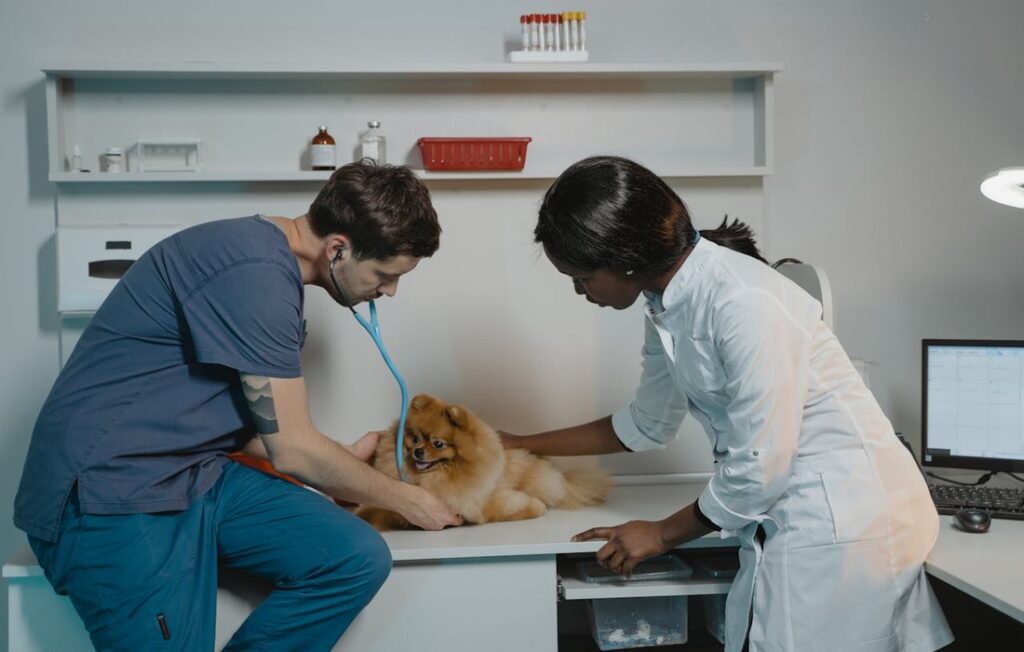
- Inducing Vomiting If the grapes were consumed within the last two hours, your vet might recommend inducing vomiting to remove the toxins before they’re fully absorbed. At home, this sometimes involves giving a small dose of hydrogen peroxide (1 teaspoon per 5 pounds of body weight), but only under professional guidance. Incorrect doses or unnecessary vomiting attempts can harm your dog rather than helping him.
- Activated Charcoal In some cases, your vet may use activated charcoal to bind any remaining toxins in the stomach and intestines. Activated charcoal works like a sponge, soaking up harmful substances and preventing their absorption into the bloodstream.
- Seek Immediate Veterinary Help Even if you manage to induce vomiting at home, contacting a vet is non-negotiable. They may give additional treatments or monitor for any signs of toxicity. If you’re unsure what steps to take, reach out to a trusted resource like ASPCA Animal Poison Control.
Treatment and Monitoring
In more severe cases or when grape ingestion isn’t caught immediately, advanced treatment is necessary to protect your dog’s health. Here’s what you can expect in a clinical setting:
- Fluid Therapy Intravenous (IV) fluids are commonly used to flush toxins out of your dog’s system and support kidney function. This is especially important if there are signs of dehydration or elevated toxin levels. According to experts, early fluid therapy has the greatest impact during the first 48 hours following ingestion. Find more details on this vet-recommended protocol.
- Kidney Monitoring Since grapes primarily target the kidneys, vets will frequently test blood and urine to monitor kidney function. Irregular urination, abnormal creatinine levels, or changes in blood urea nitrogen (BUN) levels signal the need for intensive care.
- Hospitalization If your dog gets really tired, starts throwing up, or stops peeing altogether, you need to get them to a hospital ASAP. Sometimes, they might even need serious treatment like dialysis to pull through.
Taking these steps immediately can mean the difference between life and death. Never assume that a small amount of grapes won’t harm your dog—always err on the side of caution, and consult a professional if you’re uncertain about next steps.
Prevention Tips for Dog Owners
Preventing dogs from accessing grapes and grape-based foods is just as crucial as knowing the dangers they pose. A proactive approach can save you from unexpected emergencies and give your furry companion a safer environment. Here’s how you can minimize risks and keep your dog healthy.
Secure Storage

One simple yet effective way to keep your dog safe is to properly store food that contains grapes and raisin. Dogs are natural scavengers, and even the most obedient pet can be tempted by an unattended snack.
- Store grapes in high cabinets or shelves your dog cannot reach. Avoid countertops, as jump-prone breeds could easily access these areas.
- Use sealed containers to store grapes and raisins. Not only does this keep them fresh, but it also prevents enticing smells from attracting your dog.
- Double-check pantry gates or child-proof locks, dogs can be surprisingly crafty when they sense food.
Educating Household Members
Knowledge is power when it comes to your furry friend’s safety. Inform everyone in your household, including children and guests, about the dangers of grapes to dogs. You’d be surprised how often an unassuming snack is shared with a dog out of kindness.
- Have a family meeting or group discussion about toxic foods for dogs.
- Use visual reminders like refrigerator magnets listing foods your dog shouldn’t eat, including grapes and raisins.
- If you have young children, teach them with age-appropriate language, such as “Grapes are for us, not the dog.”
Alternative Treats for Dogs
Dogs love a good treat, and providing safe alternatives not only satisfies their cravings but also reduces the risk of accidental ingestion.
Healthy options include:
- Apples (seedless): A crisp, refreshing snack that’s a great source of fiber and vitamins C and A.
- Blueberries: Packed with antioxidants, these little fruits are perfect for training sessions or as a sweet treat.
- Carrots: Crunchy, low-calorie snacks that are excellent for your dog’s teeth and overall health.
- Peanut Butter (without xylitol): A high-protein option dogs adore. Make sure it’s xylitol-free by checking the label.
Providing safe treats helps deter your pet from seeking out human snacks, including hazardous grapes. Implementing these safety measures, not only protect your dog’s health, but also establish a safer living environment for the entire household.
Final Thoughts
Grapes and raisins can cause serious harm to dogs. Even a small amount can lead to kidney failure or worse. That’s why it’s so important to keep them out of reach, teach your family, and offer safe alternatives.
If your dog eats grapes, act quickly. Contact your veterinarian or a poison control center to ensure they get the care they need. Your vigilance can make all the difference in keeping your furry friend safe and healthy.



Be the first to leave a comment