


Can Dogs Eat Blueberries? Everything You Need to Know
As a dog parent, knowing what foods are safe for your furry friend is part of keeping him happy and healthy. If you’ve ever wondered whether blueberries are a good choice, the answer is yes—dogs can eat them! Packed with antioxidants, vitamins, and fiber, blueberries can provide a nutritious, low-calorie snack for your pup.
But, as with any new treat, there are a few things to watch out for, like portion size and potential choking hazards. This guide will help you understand how to safely share this superfood with your canine companion while keeping their health in check.
Are Blueberries Safe for Dogs?
Blueberries often pop up on lists of superfoods for humans, but did you know they can also be a healthy, dog-friendly treat? Packed with nutrients and natural goodness, they might just be the snack your four-legged friend loves. Before you toss your pup a handful, let’s break down why blueberries are safe, how they benefit your dog’s health, and the precautions to keep in mind.
Nutritional Benefits of Blueberries for Dogs
Blueberries are small, sweet, and jam-packed with health-boosting nutrients, making them more than just a tasty snack for dogs. Here are some key reasons why this fruit is celebrated:
- Rich in Antioxidants: Blueberries contain antioxidants like anthocyanins, which help neutralize free radicals in your dog’s body. These compounds support cell health, slow aging, and may reduce the risk of chronic diseases. Researchers also credit antioxidants for improved memory and cognitive health in aging dogs.
- High in Fiber: Fiber contributes to a healthy digestive system, helping to regulate bowel movements and avoid stomach upset. This makes blueberries a great choice for dogs prone to digestive issues.
- Loaded with Vitamins: Blueberries are a natural source of Vitamin C, Vitamin K, and manganese. These nutrients support immune health, blood clotting, and bone development.
- Low-Calorie Treat: If your dog is watching their weight, blueberries are an excellent low-calorie alternative to processed dog treats.
What Makes Blueberries Safe?
Blueberries are not only nutritious but also non-toxic to dogs. Here’s why they make the safe-snack list:
- Natural Composition: Unlike some other fruits, blueberries lack harmful compounds such as seeds or pits, which can be dangerous for dogs. They can be eaten whole without special preparation.
- Easily Digestible: Their soft texture and natural sugars make them gentle on your dog’s stomach when served in moderation.
- Versatile: You can serve blueberries fresh, frozen, or as a healthy topper for your dog’s meals. However, always ensure you wash them thoroughly to remove any pesticides.

Potential Risks
Even the safest foods aren’t without some potential drawbacks. While blueberries are generally safe for dogs, there are a few things dog owners should watch out for:
- Overfeeding: Too much of a good thing can lead to digestive issues like diarrhea or an upset stomach. Always introduce blueberries gradually and stick to small portions.
- Choking Hazards: Although rare, small dogs or those who eat quickly might choke on whole blueberries. To avoid this, you can crush the blueberries or cut them in half, especially for puppies or senior dogs.
- Allergies: While uncommon, dogs can develop allergic reactions. Signs may include itching, swelling, or gastrointestinal discomfort. If your dog shows any of these symptoms, discontinue feeding blueberries and consult a veterinarian.
Remember, while blueberries are generally safe, moderation and proper preparation are key to ensuring your pup enjoys this treat without any hiccups!
How to Safely Serve Blueberries to Dogs
Blueberries can make an excellent treat for your dog, but knowing how to serve them safely is essential for your furry friend’s health and well-being. From choosing between fresh and frozen options to understanding proper portions and preparation, here’s what you need to know.
Fresh vs. Frozen Blueberries
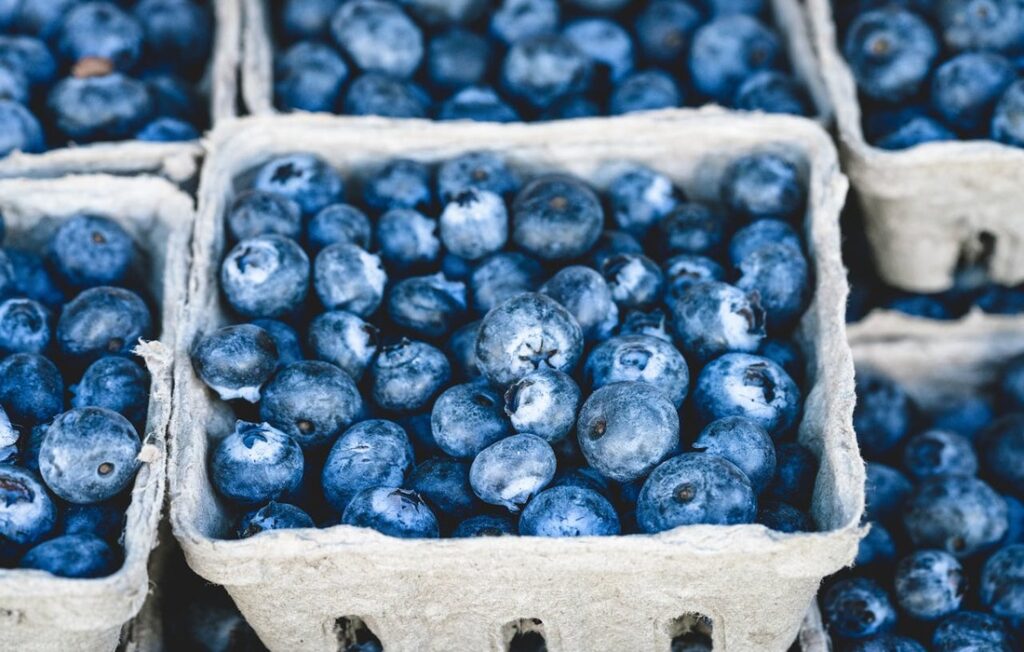
Both fresh and frozen blueberries are safe for dogs and offer their own unique advantages:
- Fresh Blueberries: These provide a crisp, juicy texture and are rich in antioxidants and vitamins. Make sure to thoroughly wash them to remove any pesticides or dirt, as dogs are sensitive to chemicals.
- Frozen Blueberries: These can be a fun, crunchy treat, especially in warmer weather. In fact, some studies suggest that freezing blueberries may help retain certain nutrients, such as vitamin C and anthocyanins. Frozen options are particularly great for dogs who need a cooling snack during the summer. Whether fresh or frozen, always avoid blueberries that are spoiled or moldy.
Portion Guidelines Based on Dog Size
While blueberries are low-calorie, moderation is key to preventing overfeeding and digestive discomfort. Here’s a general guide to portion sizes:
- Small Dogs (under 20 pounds): 2–4 blueberries per serving.
- Medium Dogs (20–50 pounds): 5–10 blueberries per serving.
- Large Dogs (50+ pounds): 10–15 blueberries per serving.
Adjust portions based on your dog’s age, size, and tolerance to new foods. It’s always a good idea to introduce any treat gradually and consult a vet if you’re unsure.
Foods to Avoid
While natural blueberries are safe, certain processed options can be harmful to dogs. Avoid blueberry products that contain:
- Added Sugars and Artificial Sweeteners: Xylitol, a common sweetener, is highly toxic to dogs and can cause severe health issues.
- Preservatives: Canned blueberries often contain added preservatives, which may upset your dog’s stomach.
- Blueberry-Flavored Treats: Many commercial snacks claiming to include blueberries are sugar-laden and unsuitable for dogs.
Stick to all-natural blueberries to ensure your dog gets the health benefits without any risks.
Tips for Preventing Choking Hazards
Although blueberries are small, they still pose a risk to puppies, small breeds, or dogs that tend to gulp food. Here’s how to minimize choking hazards:
- Cut or Mash for Small Dogs: For toy breeds or puppies, consider cutting blueberries in half or mashing them before serving.
- Supervise During Feeding: Always keep an eye on your dog while they eat, especially if they’re trying a new snack.
- Avoid Overfeeding: Giving too many blueberries at once can overwhelm smaller dogs, leading to swallowing problems.
- Serve on a Flat Surface: Placing blueberries on a plate or flat dish can help slow down fast eaters.
Proper preparation minimizes risks and ensures your dog enjoys their treat safely.
When to Avoid Feeding Blueberries to Dogs
While blueberries can be a fantastic treat for most dogs, certain situations demand caution. It’s not just about giving your dog a few berries; understanding when it’s better to steer clear can make all the difference for their health. Here’s what dog owners should know before adding blueberries to their pet’s diet.
Dogs With Pre-existing Health Conditions
If your dog has existing health problems, even healthy foods can pose challenges. Blueberries, for example, may not be suitable in certain cases:
- Diabetes: Blueberries contain natural sugars, which, while less harmful than processed sugars, can still affect a dog’s blood glucose levels. If your dog is diabetic, it’s best to consult your vet before offering them blueberries.
- Kidney Concerns: Dogs with compromised kidney function require special attention to their phosphorus intake. While blueberries are low in this mineral compared to some other foods, moderation remains essential to prevent unnecessary strain on their kidneys. Check out more details at Warrick Vet.
Always discuss with your veterinarian before introducing anything new to their diet, especially if they’re managing a chronic condition.
Signs of Allergic Reactions
Even the most natural treats can cause issues if your dog has sensitivities. With blueberries, allergies, though rare, can still happen. Watch out for symptoms that may indicate a reaction:
- Skin Irritation: If you notice your dog excessively scratching, licking their paws, or developing hives, it might signal an allergy.
- Swelling: Swelling around the face, lips, or eyes could indicate an adverse reaction.
- Gastrointestinal Issues: Vomiting or diarrhea shortly after eating blueberries may mean your dog isn’t tolerating them well.
Any of these signs warrant immediate cessation of blueberries and consultation with your vet.
Digestive Upsets and Overfeeding Risks
Although blueberries are rich in fiber and generally easy for dogs to digest, too many can upset their stomach. It’s crucial to know how much is too much:
- Symptoms of Overfeeding: Diarrhea, vomiting, or constipation are common signs of digestive discomfort if blueberries are given in excess. Think of it this way: blueberries should complement their diet, not replace it.
- Avoid Sharing Blueberry Products: Steer clear of blueberry-flavored items like muffins or syrups, which often contain sugars and ingredients harmful to dogs.
Limit portions based on your dog’s size and gradually introduce blueberries into their diet. Monitoring your dog’s reactions after trying blueberries ensures their snack remains a healthy addition, not a cause for concern. By understanding your dog’s specific health needs, you can feel confident about their treat choices.
Can Puppies Eat Blueberries?
When it comes to treating your puppy, safety and nutrition are top priorities. Blueberries, known for their antioxidant-rich properties, can serve as a rewarding snack for puppies when prepared correctly. But how do these tiny fruits fit into your growing pup’s diet, and what should you watch out for?
Special Nutritional Needs of Puppies

Puppies have distinct nutritional needs compared to adult dogs. Their rapidly growing bodies require a balanced diet rich in proteins, healthy fats, vitamins, and minerals. Blueberries, while not a standalone meal, are a great source of essential nutrients that can complement their diet when offered as an occasional treat.
- High in Antioxidants: Puppies are energetic explorers, often exposed to various environmental stressors. Blueberries contain antioxidants like Vitamin C and phytoflavonoids, which support cellular health and bolster the immune system. This makes them especially beneficial for growing pups.
- Low Calories, Big Nutrition: Packed with vitamins such as Vitamin K (for bone health) and minerals like manganese (for metabolism), blueberries are nutrient-dense without adding unnecessary calories. This makes them a safer choice than most commercially processed treats.
- Digestive Support: Blueberries’ fiber content aids in developing a healthy digestive tract, vital for puppies adapting to new foods during growth. For puppies prone to tummy troubles, the natural fiber ensures regularity.
Bear in mind that blueberries won’t replace the specific nutritional needs delivered by vet-approved puppy food. Instead, they work well as a treat alongside their regular meals.
Portion Sizes and Frequency for Puppies
Introducing blueberries to your puppy should be done carefully and in moderation. Puppies, like babies, have sensitive systems that can react unpredictably to new foods.
Recommended Portions:
- For puppies under 10 pounds, start with one or two small blueberries daily.
- Puppies 10–25 pounds may tolerate up to 3–5 blueberries.
These are general guidelines and should be adjusted based on your puppy’s size, weight, and how well they handle the fruit. Always observe for signs of digestive discomfort like bloating or diarrhea.
Tips for Serving Blueberries:
- Wash Before Use: Rinse under clean water to remove any pesticides or residues.
- Cut or Mash: To prevent choking, chop blueberries in half or mash them, particularly for very young or toy-breed puppies.
- Monitor Frequency: Aim for blueberries as an occasional treat, no more than 1–2 times a week.
A good approach is to pair blueberries with behavior training. For instance, offering a bite-sized blueberry during obedience drills provides positive reinforcement while contributing to their health.
By keeping these essential tips in mind, you can safely introduce blueberries into your pup’s culinary world, supporting both their taste buds and overall wellness.
Alternatives to Blueberries for Dogs
While blueberries are a fantastic treat, there are plenty of other fruits that are safe and beneficial for your dog. Knowing which fruits are good and which ones to avoid ensures your furry friend stays happy and healthy.
Fruits That Are Safe for Dogs
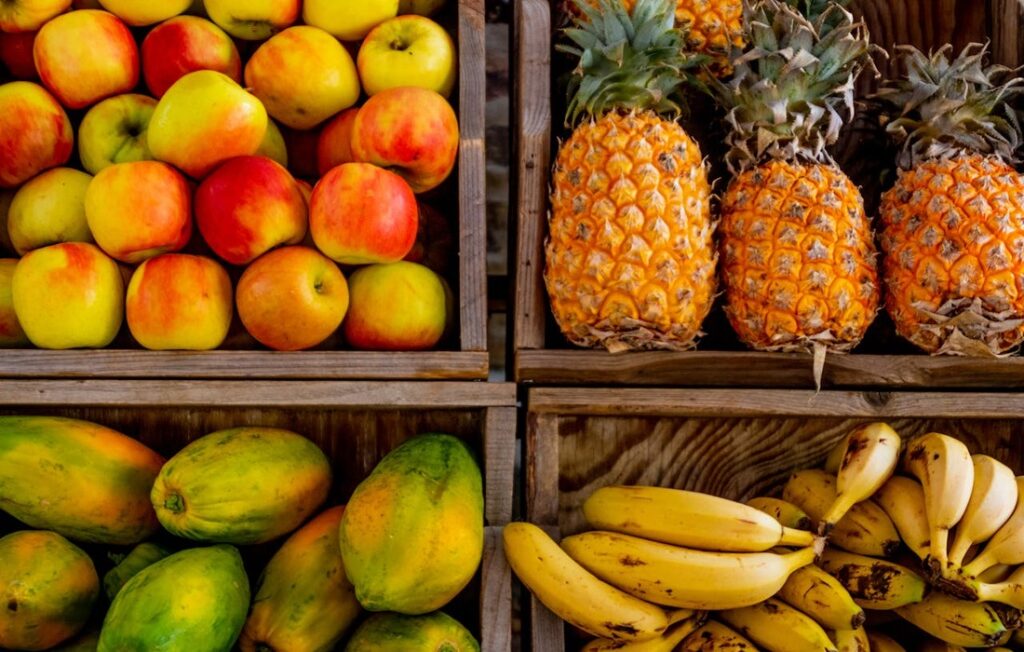
Several fruits can offer the same nutritional perks as blueberries, such as vitamins, fiber, and antioxidants. Incorporating a variety of fruits into your dog’s diet not only adds diversity but also supports their nutritional needs.
- Strawberries: Like blueberries, strawberries are rich in antioxidants and Vitamin C. They also contain natural enzymes that can help whiten your dog’s teeth.
- Apples: A crunchy, hydrating treat loaded with Vitamins A and C. Be sure to remove the seeds and core, as they may pose a choking hazard.
- Watermelon (Seedless): Perfect for hydration on warm days, watermelon is low in calories and high in vitamins like Vitamin A. Always remove seeds and rind to avoid digestive issues.
- Bananas: This potassium-packed fruit is great for heart health and digestion but should be given in moderation to avoid unnecessary sugar intake.
- Cantaloupe: Not only is it low in calories, but cantaloupe also contains beta-carotene, which supports eye health in dogs.
- Pineapple: A tropical treat full of bromelain, which can aid digestion. As with other fruits, remove the tough core and skin.
Fruits to Avoid
Not all fruits are dog-friendly. In fact, some common fruits can be toxic and potentially dangerous for your canine companion. Recognizing and avoiding these fruits can prevent severe health complications.
- Grapes and Raisins: Even small amounts can lead to kidney failure in dogs. This fruit is highly toxic and should never be offered, even accidentally.
- Avocados: Contains persin, a substance known to cause vomiting and diarrhea in dogs. Both the flesh and the pit are harmful.
- Cherries: The pits, stems, and leaves contain cyanide, which is toxic to dogs. Additionally, the pits present a choking risk.
- Unripe Tomatoes: High in solanine, which can be toxic to dogs in larger quantities. Always stick to ripe tomatoes if considering this vegetable.
- Citrus Fruits (in excess): While oranges and grapefruit are not outright toxic, their acidity can upset your dog’s stomach if consumed frequently or in large amounts.
- Pomegranates: Although not toxic, they are difficult for a dog’s digestive system to handle, often leading to stomach upset.
Final Thoughts
Blueberries can be a nutritious and delicious addition to your dog’s diet when served responsibly. Packed with antioxidants, fiber, and essential vitamins, they provide numerous health benefits while being a low-calorie treat. However, moderation and proper preparation are key to avoiding potential risks like overfeeding, choking hazards, or allergic reactions.
For pet owners, understanding your dog’s unique health needs is vital. Always consult with your veterinarian before introducing new foods, especially if your dog has pre-existing conditions like diabetes or digestive sensitivities.
By serving blueberries in small portions and monitoring your dog’s response, you can safely enjoy sharing this superfood with your furry friend. Have you tried giving your dog blueberries yet? Let us know how they liked them!




Be the first to leave a comment