


Can Dogs Eat Mango? A Simple Guide for Dog Owners

Many dog owners love sharing snacks with their furry friends, but did you know that not all human foods are safe for dogs? If you’re wondering whether mango is a safe fruit for your pup, the simple answer is yes—with some precautions. Mangoes are packed with vitamins and fiber that can benefit your dog, but it’s important to serve them properly by removing the skin and pit to avoid potential hazards.
In this guide, you’ll learn everything you need to know about feeding mango to your dog safely. From its nutritional perks to portion sizes and risks to watch out for, we’ll help you make informed decisions for your pet’s health and happiness.
Is Mango Safe for Dogs?
If you’ve ever wondered whether your dog can enjoy the sweet, tropical taste of mango, you’re not alone. The good news is that mango is safe for dogs when prepared and served properly. This juicy fruit is much more than a treat—it can provide numerous nutritional benefits for your furry friend. However, moderation is crucial to ensure that your dog stays healthy and happy. Let’s break it down further.
Nutritional Benefits
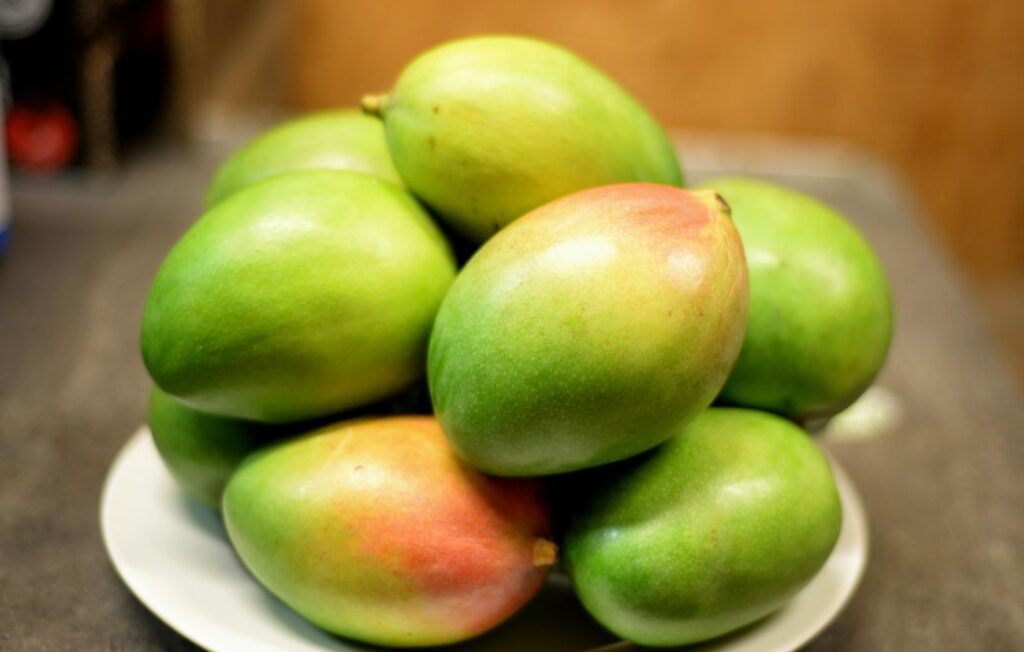
Mangoes aren’t just a tasty tropical fruit; they’re a powerhouse of nutrients that can benefit your dog. Here’s what they offer:
- Vitamin A: Helps maintain healthy eyesight, supports skin health, and boosts the immune system. A small amount of mango can help “brighten” your dog’s health, much like how this vitamin supports our own.
- Vitamin B6: Essential for brain development and energy regulation within your pup’s body.
- Vitamin C: Acts as a powerful antioxidant, helping to neutralize free radicals and support a healthy immune system.
- Vitamin E: Improves skin and coat health while aiding in cell function and fat metabolism.
- Fiber: A great addition for digestive health, reducing the risk of constipation or irregular bowel movements.
- Potassium: Supports nerve function, muscle contractions, and overall hydration.
Even the natural antioxidants in mango, such as beta-carotene, can help fight inflammation and improve overall wellness in dogs. Including small portions of these nutrients in your dog’s diet is like giving them a mini health boost.
How Much Mango Can My Dog Eat?
When it comes to mangoes, it’s all about balance. While mangoes are nutritious, they’re also high in natural sugars, which can become problematic for dogs if consumed in large amounts. Here’s how to safely feed mango to your pet:
- Start with small, bite-sized pieces. A piece no bigger than a small ice cube is ideal for first-time introductions to avoid tummy troubles.
- Remember the 10% rule for treats: Mangoes (and other treats) should make up no more than 10% of your dog’s daily caloric intake.
- Tailor portion sizes based on weight:
- Small dogs (under 20 lbs): 1–2 small pieces, occasionally.
- Medium dogs (20–50 lbs): 2–3 pieces.
- Large dogs (50+ lbs): 3–4 mango pieces as a treat.
Don’t give your dogs mangoes too often; think of it as a special treat, not a regular thing. This will help avoid problems like tummy aches or weight gain.
By following these guidelines, you can ensure your dog enjoys mango safely and reaps its nutritional rewards. Always start with small servings and observe their reaction before making mango a part of their diet.
What Could Go Wrong?
While mango can be a healthy and delicious treat for your dog, certain parts of this fruit pose risks that every pet owner should know. From harmful pits to digestive concerns, being aware of these dangers will help you keep your dog safe.
Choking Hazards and Intestinal Blockage from Mango Pits
The mango pit, or seed, is one of the biggest hazards when feeding this fruit to your dog. These hard, oval-shaped seeds can quickly become a choking hazard, especially for smaller breeds. But the risks don’t stop there. If ingested, mango pits can travel down your dog’s digestive tract, potentially causing a serious intestinal blockage. This obstruction can lead to symptoms such as vomiting, loss of appetite, or even emergency surgery.
Additionally, mango pits contain trace amounts of cyanide, a compound that’s toxic to dogs in large quantities. While the amount is typically very small, it’s another reason to keep the pit out of your dog’s reach. Always remove it before feeding mango to your pup.
Digestive Upsets from Mango Skin
Although mango skin is technically edible, it’s not recommended for dogs. The tough, fibrous peel can be difficult to digest, which may cause gastrointestinal discomfort. Some dogs might experience stomach upset, gas, or even diarrhea after consuming mango skin.
What’s more, mango skin contains a compound called urushiol—the same element found in poison ivy that can cause skin irritation in some animals. While the likelihood of an allergic reaction is rare, it’s better to play it safe. To avoid any issues, peel the mango entirely before sharing it with your dog.
High Sugar Content and Its Implications
Mangoes are naturally sweet, thanks to their high sugar content. While this makes them a tempting treat for dogs, overconsumption can lead to health problems. Feeding your dog too much mango could contribute to obesity, especially in less active pets. It’s a bit like offering your pup dessert every day—eventually, it starts to take a toll.
For dogs with pre-existing conditions like diabetes, even small amounts of mango may spike blood sugar levels, creating a health risk. Excess sugar can also upset your dog’s stomach, resulting in diarrhea or bloating.
To keep things balanced, mango should only be an occasional snack. Stick to small portions and avoid making it a regular part of your dog’s diet.
How to Prepare Mango for Dogs

Preparing mango for your furry friend requires a few simple steps to ensure it’s safe and beneficial. While mango is full of nutrients dogs can enjoy, preparing it the right way mitigates potential risks like choking or digestive upset. Here’s everything you need to know.
Peel and Remove the Pit
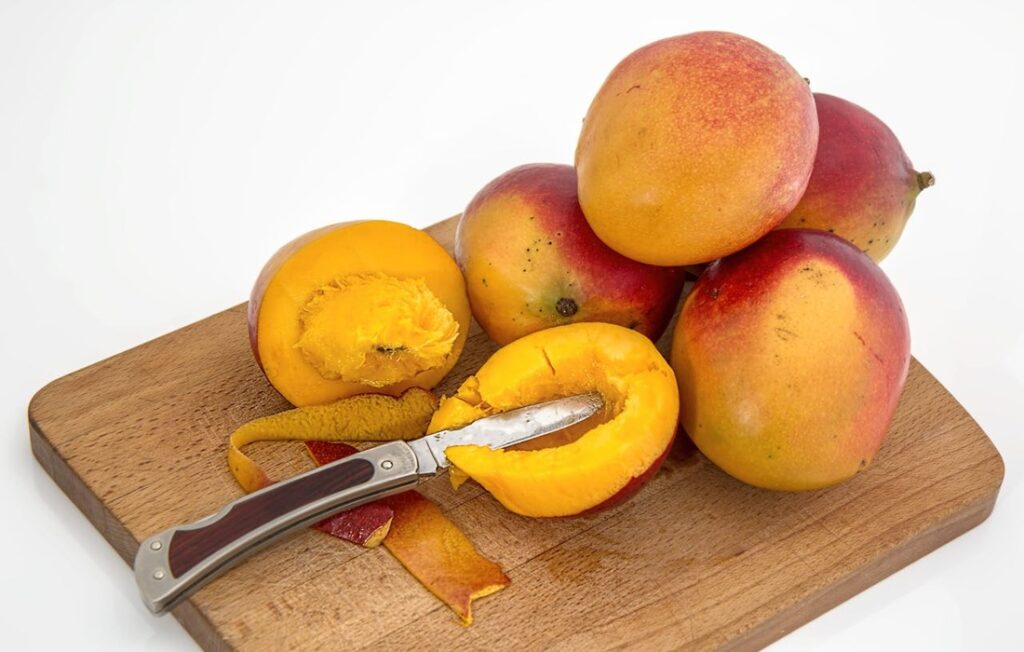
A proper preparation starts with peeling the mango. Dogs cannot safely eat mango skin because it is tough, fibrous, and could lead to indigestion. What’s more, mango skin contains urushiol—a compound also found in poison ivy—which may cause minor allergic reactions.
Next, always remove the pit before serving mango to your dog. Mango pits are large, hard, and can cause a choking hazard or intestinal blockage if swallowed. Additionally, pits contain trace amounts of cyanide, especially unsafe in higher quantities. To avoid risks, gently cut away the flesh from the pit and set it aside.
Cut into Bite-Sized Pieces
After peeling and removing the pit, it’s essential to cut the fruit into small, bite-sized pieces. Why? Because serving manageable portions reduces the risk of choking, especially for smaller breeds. Aim for chunks no larger than a small ice cube. This size not only makes it easier for dogs to chew but also helps with portion control, avoiding overfeeding.
If you’re introducing mango for the first time, start with one or two small pieces and monitor for any adverse reactions like vomiting or diarrhea. Always supervise your dog while they’re enjoying a new treat to ensure they eat safely.
For a helpful guide to safe portions, check out Noble Vet Clinic’s insights.
Avoid Dried and Store-Bought Mango Products
Fresh mango is always the best choice for your dog, but what about dried mango or store-bought options? Here’s the lowdown:
- Dried Mango: While dried mango may seem like a convenient treat, it’s not ideal for dogs. Dried fruits are often more concentrated in sugar, which can lead to weight gain or upset stomachs in dogs. Stick to fresh mango whenever possible. If you do give dried mango, ensure it’s free from added sugars or preservatives and serve in very small quantities.
- Store-Bought Products: Pre-packaged mango products, such as mango juice or fruit snacks, often contain harmful additives like artificial sweeteners and preservatives. These ingredients can harm your dog’s health over time. Always read ingredient labels carefully. If you’re unsure about the safety of a product, it’s better to avoid it altogether.
When in doubt, the simpler the preparation, the better it is for your dog. Opt for fresh, unprocessed mango over packaged alternatives to maximize nutritional benefits without added risks.
Signs of Negative Reactions
Though mango is generally a safe fruit for most dogs when served appropriately, some pups might experience adverse reactions. Whether due to allergies or digestive sensitivity, understanding the signs can help you act quickly if your canine companion isn’t tolerating this tropical treat. Here’s what to look out for and how to handle potential issues.
Symptoms of Mango Allergies in Dogs
Allergies to mango are rare in dogs, but they can happen. Like humans, dogs with allergic reactions may show visible or behavioral symptoms soon after ingesting mango. These symptoms often affect the skin or respiratory system and may include the following:
- Itching or hives: You may notice your dog scratching more than usual or see small red bumps on their skin.
- Facial swelling: Look out for puffiness around the eyes, muzzle, or ears.
- Difficulty breathing: Wheezing or rapid breathing can signal a more serious allergic reaction.
- Lethargy or discomfort: Allergies can sometimes leave dogs appearing fatigued and uneasy.
If you suspect an allergic reaction, stop feeding mango immediately. Contact your veterinarian if the symptoms don’t resolve quickly or if they escalate. Severe cases, like anaphylaxis (extremely uncommon but serious), require immediate veterinary care. Learn more about how allergic reactions present in dogs from petMD.
Identifying Digestive Issues
Even if your dog isn’t allergic, mango might not sit well with their stomach, particularly if they’ve eaten too much or had it for the first time. Dogs may exhibit signs of digestive upset which can range from mild discomfort to more serious symptoms. Here’s what to monitor:
- Vomiting: A single instance may not be alarming, but repeated vomiting could indicate that mango isn’t agreeing with your pet.
- Diarrhea: Loose or irregular stools can result from the fruit’s high fiber and sugar content, particularly if consumed in excess.
- Gas or bloating: These are common symptoms of mild discomfort, often signaling that your dog’s digestive system is struggling with the mango.
- Loss of appetite: If your dog suddenly seems uninterested in their meals, it might indicate stomach upset.
If any of these symptoms arise, pause feeding mango and switch to their regular diet. To soothe their system, ensure they stay hydrated and provide easily digestible foods if your vet recommends. Persistent symptoms may require a vet consultation to rule out underlying health concerns.
Consulting with Your Vet

Before you give your dog mango (or any new treat), it’s smart to talk to your vet first. They know your dog’s health best.
Dogs with Pre-Existing Health Conditions
For dogs with pre-existing conditions like diabetes, obesity, or sensitive stomachs, professional guidance is non-negotiable. Mango can be high in natural sugars, presenting a potential challenge for diabetic dogs or those on calorie-restricted diets. A trusted veterinarian can help assess whether your pup can benefit from the fruit’s nutrients or if the risks outweigh the rewards.
- Diabetes: Even a small spike in blood sugar could disrupt your dog’s health management, making a vet’s input crucial.
- Obesity: Mango is best avoided for dogs on weight-loss regimens unless incorporated carefully and sparingly.
- Sensitive Stomachs: Dogs prone to stomach upset may need specific portion guidelines—or mango may need to be avoided altogether.
Vet consultations aren’t just an extra step—they’re a safeguard. Think of them as steering your dog’s well-being in the right direction.
Final Thoughts
Mango can be a delightful and nutritious treat for your dog when served properly and in moderation. Packed with vitamins, fiber, and antioxidants, this tropical fruit offers plenty of health benefits tailored to your pup’s well-being. However, safety comes first—always remove the pit and peel, and stick to small, bite-sized portions to avoid potential issues like choking or digestive upset.
Balance is key. While mango is a great occasional snack, it shouldn’t replace a well-rounded, canine-specific diet. Monitor your dog for any reactions when introducing new foods, and consult your vet if you have concerns about adding mango into their routine.




Be the first to leave a comment