


Pomsky Dog Breed: Everything You Need to Know
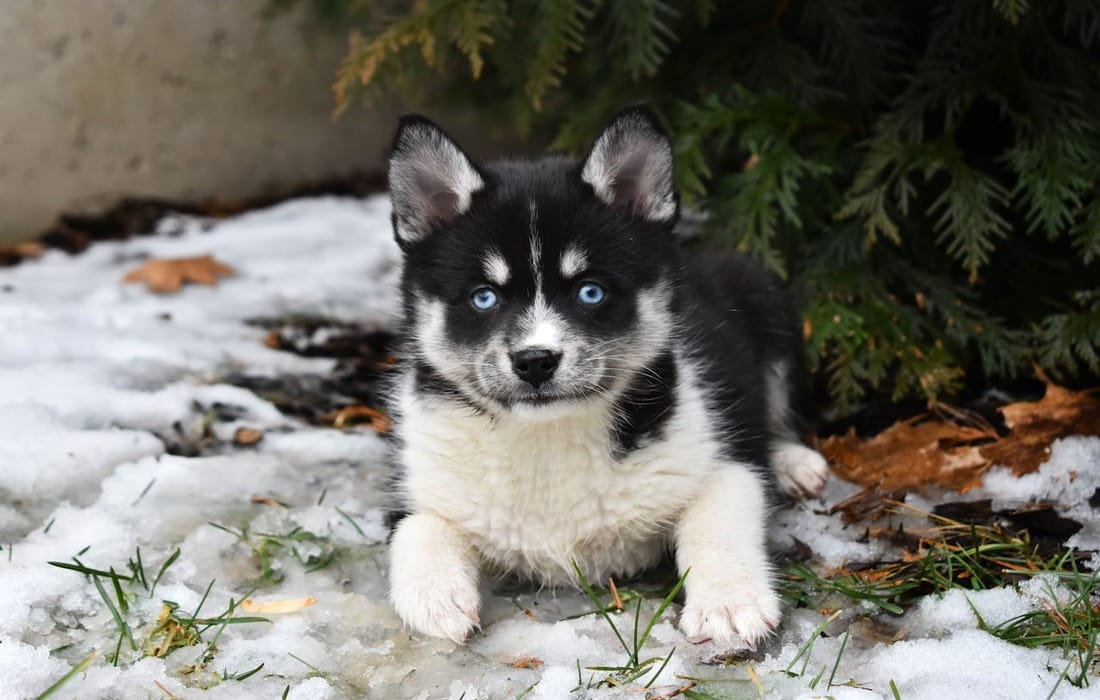
Pomskies have really become popular lately, winning people over with their cute fluffy Pomeranian coats and the striking looks of Siberian Huskies.
But if you’re thinking about bringing one of these mixed breeds home, there are a few things you should know about their health, grooming, exercise, training, and diet. This guide will help you be ready to give your new furry buddy a happy life.
What’s a Pomsky?
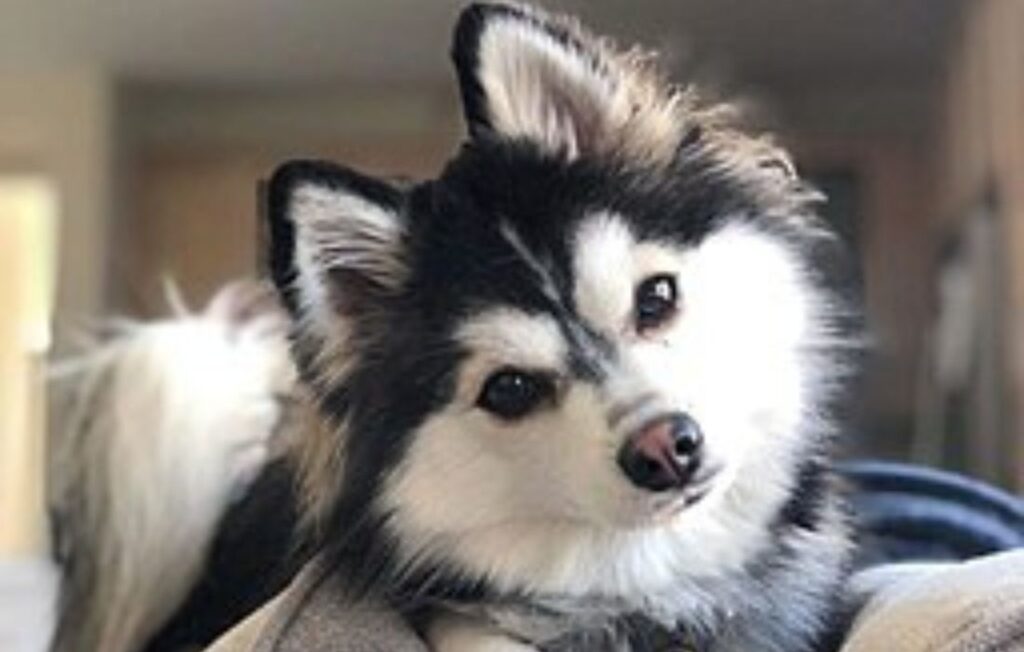
A Pomsky is a hybrid dog, the result of crossing a Pomeranian and a Siberian Husky. This mix brings together the best traits of both: the Husky’s good looks and lively personality, and the Pomeranian’s smaller size and charming nature. If you want a dog that looks like a larger breed but is smaller, a Pomsky could be perfect for you.
Pomsky Appearance
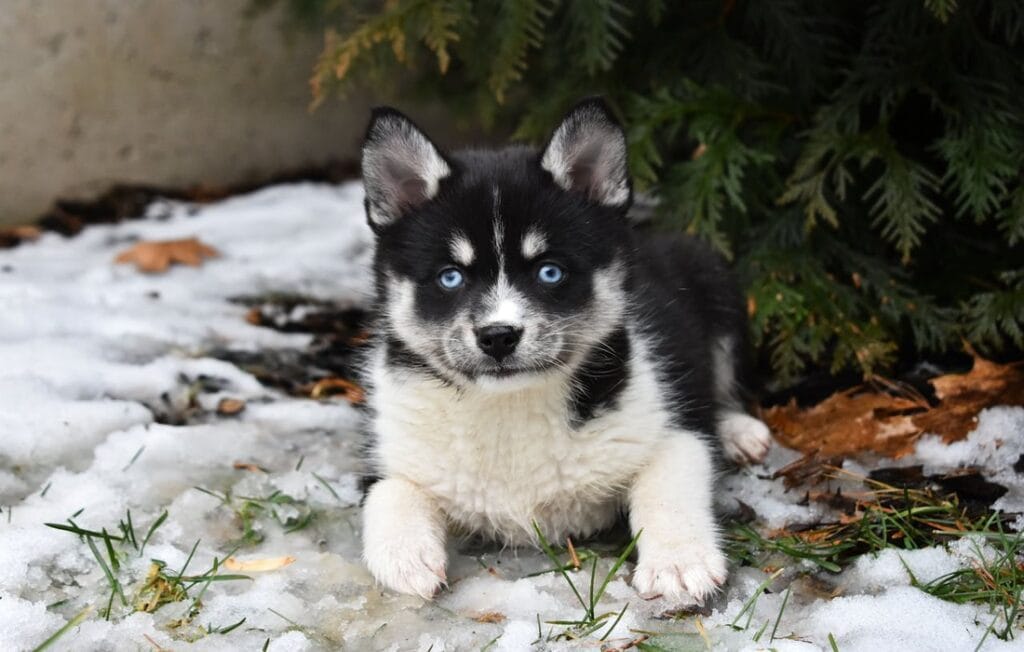
Pomskies usually weigh between 20 and 30 pounds and stand about 10 to 15 inches tall at the shoulder, although sizes can vary. Their fur is thick and fluffy, giving them a cute, fox-like look that many people love.
They inherit a Husky’s double-layered coat, which keeps them warm in colder weather. Their coat colors can range from pure white to black, gray, and different combinations that really show off those Husky patterns. Their eyes can be blue, brown, or even one of each, which is another cool trait from the Husky side.
Pomsky Personality
Pomskies are known for their playful, energetic nature. They are affectionate, social, and loyal, often forming strong bonds with their owners. While they are small in size, they have the same spirited personality as their Husky parent, meaning they need a fair amount of exercise and mental stimulation to stay happy. They can be independent, like their Pomeranian parent, so it’s essential to train them with patience and consistency.
Despite their small stature, Pomskies can have a big presence in your home. They generally do well with kids, but their energy might be too much for very young ones. With proper socialization early on, they usually get along well with other pets too.
Health Considerations
Like all breeds, Pomskies are prone to certain health conditions, which you should be aware of before bringing one into your home. While hybrid dogs like the Pomsky are generally healthier than purebred dogs, they can still inherit health issues from their parent breeds. The most common health concerns for Pomskies include:
1. Hip Dysplasia
Both Huskies and Pomeranians can suffer from hip dysplasia, a condition where the hip joint doesn’t fit properly into the hip socket. This can lead to arthritis, pain, and mobility issues. Regular vet checkups and maintaining a healthy weight can help manage the risk of hip dysplasia.
2. Eye Issues
Huskies are known for their striking blue eyes, but they are also prone to certain eye conditions, such as cataracts and progressive retinal atrophy (PRA). Pomskies may inherit these conditions, leading to vision problems as they age. Regular eye exams and monitoring are essential for maintaining their vision.
3. Dental Problems
Pomskies, like many small dog breeds, may be prone to dental issues, such as tooth decay and gum disease. Regular brushing and dental checkups can help keep their teeth in good condition.
4. Allergies
Pomskies can develop allergies to food or environmental factors. Common allergens include dust mites, pollen, and certain types of food. If your Pomsky shows signs of itching, digestive issues, or ear infections, it’s important to consult a vet to determine the cause of the allergy.
5. Obesity
Due to their small size, Pomskies are at risk of becoming overweight or obese if not properly exercised or fed the right amount of food. Obesity can lead to a variety of health problems, including joint issues and heart disease. Maintaining a balanced diet and regular exercise routine is key to preventing obesity.
6. Hypothyroidism
Huskies are susceptible to hypothyroidism, a condition where the thyroid gland doesn’t produce enough thyroid hormone. This can lead to symptoms like lethargy, weight gain, and coat changes. Regular vet checkups and blood tests can help detect this condition early.
Grooming a Pomsky
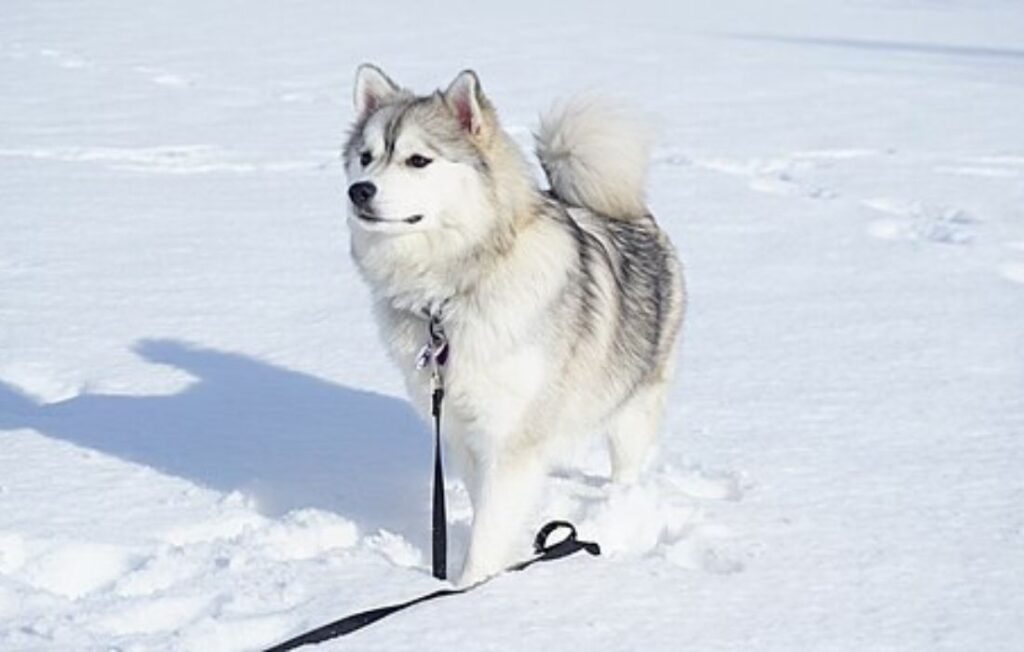
Grooming is a big part of having a Pomsky due to their lovely thick coat. Depending on how much Pomeranian or Husky traits they have, they may shed quite a bit, especially during certain times of the year.
Brushing and Bathing
Pomskies should be brushed at least 2 to 3 times per week to prevent mats and tangles, especially around their underarms, legs, and chest areas. During the shedding season, which usually happens twice a year, they may require more frequent brushing to manage the shedding and to keep their coat healthy. Use a high-quality pin brush and undercoat rake to effectively remove loose hair and prevent mats.
Bathing should be done as needed, generally every 4 to 6 weeks, or when your dog becomes particularly dirty. Overbathing can strip the coat of its natural oils, so it’s important to find the right balance. Use a gentle dog shampoo that won’t irritate their skin.
Nail Trimming and Ear Care
Like all dogs, Pomskies need their nails trimmed regularly to prevent overgrowth and potential injuries. Be sure to trim their nails every 3 to 4 weeks, or more frequently if they don’t wear down naturally. Additionally, check their ears regularly for signs of infection, such as redness or odor. Clean their ears with a damp cloth or cotton ball as needed, but avoid inserting anything deep into the ear canal.
Dental Care
As mentioned earlier, Pomskies are prone to dental issues, so regular dental care is essential. Brush their teeth at least 2 to 3 times a week using dog-safe toothpaste and a soft toothbrush. You can also provide dental chews or toys that help maintain oral hygiene.
Exercise Needs of a Pomsky
Pomskies are highly energetic and active dogs that require regular exercise to stay healthy and happy. While they are smaller than a full-sized Husky, they still inherit their parent’s energetic disposition. A lack of exercise can lead to behavioral problems, including chewing, barking, and digging, so it’s important to meet their physical and mental exercise needs.
Daily Walks and Playtime
Pomskies typically need at least 30 to 60 minutes of exercise per day. This can include a daily walk, jog, or playtime in a secure, fenced-in yard. They are also very playful and enjoy interactive games like fetch or tug-of-war. Engaging their minds is just as important as physical exercise, so puzzle toys and obedience training sessions are excellent ways to stimulate your Pomsky mentally.
Off-Leash Play and Safety Considerations
Due to their high prey drive, Pomskies may be inclined to chase after small animals, such as squirrels or rabbits, especially if they inherit this trait from their Husky parent. It’s essential to have a secure, enclosed area for off-leash play. If you take your Pomsky to a dog park or allow them to roam free, make sure they are trained to recall reliably.
Training Your Pomsky
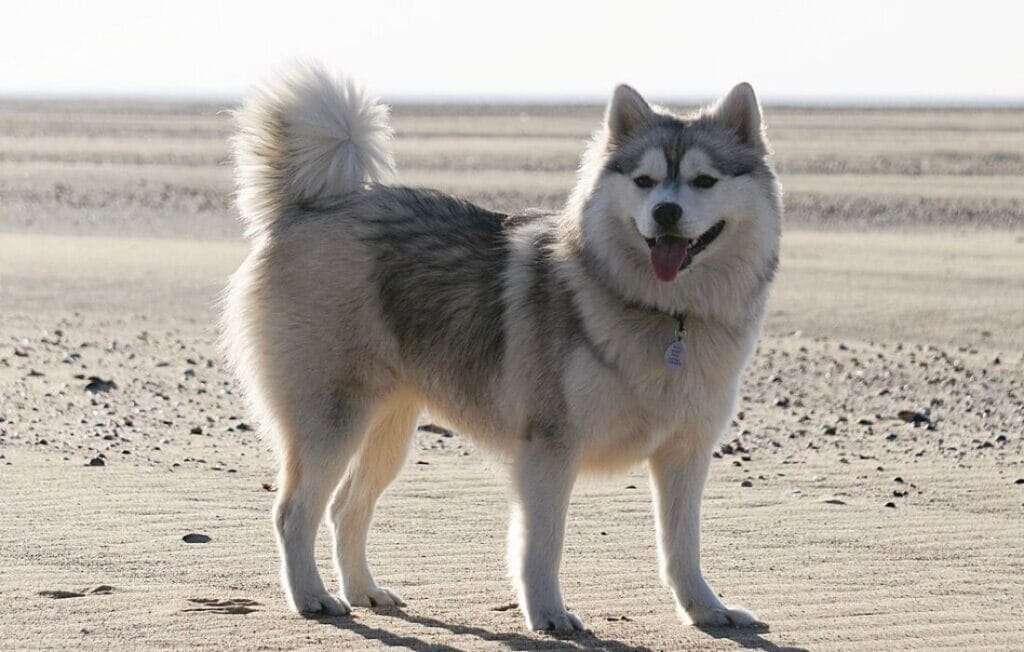
Training a Pomsky requires patience, consistency, and positive reinforcement. They are intelligent dogs, but they can also inherit a stubborn streak from their Pomeranian parent. This means that training may take a little extra time and effort. However, with the right approach, Pomskies can excel in obedience and even learn advanced tricks.
Basic Training and Socialization
Start training your Pomsky as early as possible, preferably when they are a puppy. Socialization is also crucial, as it helps your dog become well-adjusted and comfortable around people, other dogs, and different environments. Puppy classes, regular outings, and meeting new people and animals are excellent ways to socialize your Pomsky.
Positive Reinforcement
Pomskies respond best to positive reinforcement techniques, such as praise, treats, and toys. Punishment-based training methods can cause anxiety and confusion, so avoid using harsh techniques. Keep training sessions short, fun, and consistent to maintain your dog’s attention and interest.
Crate Training and Housebreaking
Pomskies can be crate trained relatively easily, and a crate can provide them with a safe and secure space when you’re away. When it comes to housebreaking, consistency is key. Take your Pomsky outside frequently, especially after meals, naps, and playtime. Be patient and avoid scolding your dog if accidents happen, as this can create anxiety around bathroom breaks.
Nutrition for a Pomsky
Proper nutrition is vital to your Pomsky’s overall health and well-being. As a hybrid breed, Pomskies require a balanced diet that supports their energetic lifestyle and small to medium size. High-quality dog food with a balance of protein, healthy fats, and fiber is essential for their growth, energy levels, and coat health.
Choosing the Right Dog Food
When selecting dog food for your Pomsky, look for a high-quality brand with real meat as the first ingredient, along with whole grains, vegetables, and essential nutrients. Depending on your dog’s age, you may need to feed them puppy, adult, or senior formulas. You can also consult with your vet to determine the best diet based on your dog’s health, activity level, and specific needs.
Portion Control
Pomskies are prone to obesity, so it’s important to feed them the correct portion size. Measure out their food according to the instructions on the packaging and avoid free-feeding, as this can lead to overeating. Divide their daily food intake into two or three meals to help regulate their appetite and prevent digestive issues
Treats and Supplements
While treats are great for training and rewarding good behavior, they should be given in moderation. Look for healthy dog treats, such as freeze-dried meat, that don’t contain excessive amounts of calories, sugars, or fillers. Some Pomskies may also benefit from dietary supplements, such as omega fatty acids for coat health or glucosamine for joint support. Always consult your vet before introducing any new supplements to your dog’s diet.
Final Thoughts
The Pomsky, a captivating blend of the Pomeranian’s charm and the Siberian Husky’s spirit, is more than just a designer dog with striking looks. While their adorable appearance suggests an easy-going companion, this hybrid breed comes with specific care requirements rooted in its energetic lineage.
Prospective owners should prioritize understanding the breed’s core needs: substantial daily exercise to manage high energy levels, consistent and patient training to harness intelligence and potential stubbornness, and dedicated grooming to maintain their thick double coat. Commitment to these essentials is non-negotiable.


Be the first to leave a comment