

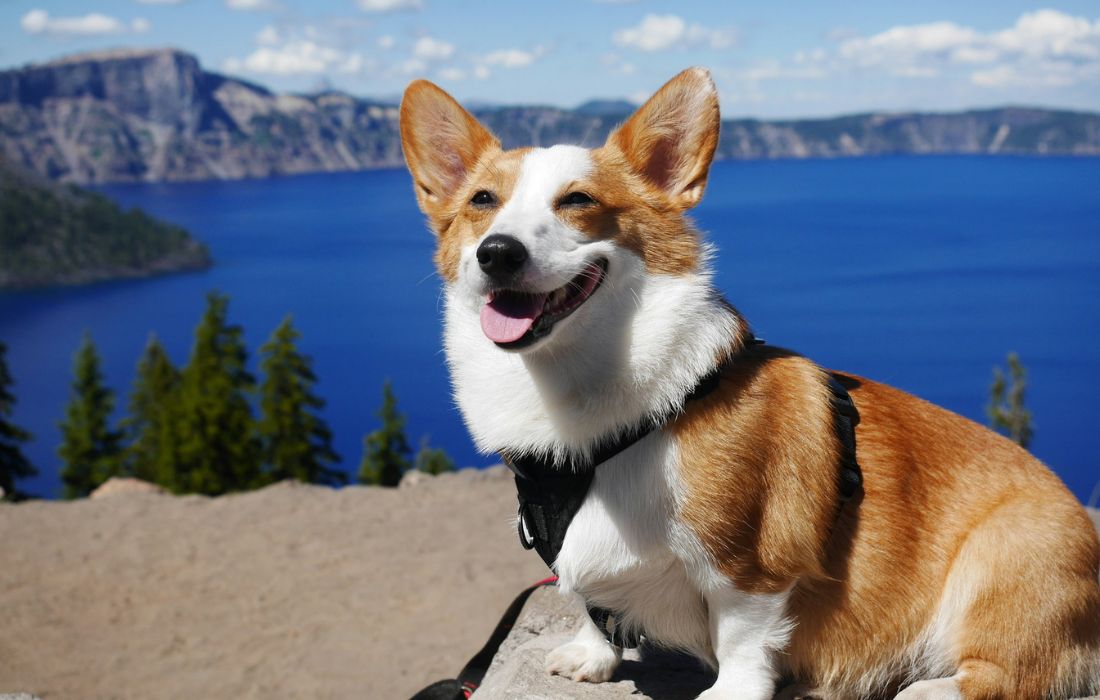
Are Dogs Allowed in National Parks? What You Need to Know
Even though taking your dog on an adventure to a US national park sounds like a great idea, you have to be aware of where your furry companion can or cannot visit . While many national parks allow dogs in certain areas, like campgrounds and picnic spots, most trails and backcountry zones are off-limits to protect wildlife and delicate ecosystems. For pet owners, understanding these restrictions is essential to ensure a smooth trip.
This guide covers everything you need to know, including dog-friendly parks, leash requirements, and alternatives if your chosen park has stricter policies. Let’s make sure you and your furry friend are set for a safe and enjoyable outing!
National Park Dog Policies Overview
Exploring national parks with your furry companion can be a joy, but it’s crucial to know the rules before heading out. While pets are welcome in some areas, like parking lots, campgrounds, and certain trails, many restrictions exist to protect the environment and wildlife. This section dives into why these limitations are necessary and highlights the National Park Service’s unique B.A.R.K. Ranger Program for responsible pet owners.
Why Are There Restrictions?

You might wonder, why all the fuss about dogs in national parks? The truth is, as much as we love our pets, they can have unintended consequences on these pristine landscapes. Here’s the breakdown:
- Wildlife Disruption: Dogs are natural predators. Their scent alone can disturb local wildlife, altering feeding or nesting behaviors. For example, deer and other prey animals may avoid areas frequented by dogs, disrupting the park’s delicate ecosystem.
- Trail Damage: While dogs don’t mean any harm, they can unintentionally damage trails by digging or trampling fragile plants off designated paths. This can lead to erosion or harm sensitive habitats.
- Safety Challenges: Even the most well-behaved pups can encounter hazards in national parks, like venomous snakes, steep terrain, or aggressive animals. Off-leash dogs in particular may inadvertently provoke wildlife or get lost in remote areas.
For a more detailed guide to pet policies in national parks, the National Park Service Pet Guidelines are a must-read.
The B.A.R.K. Ranger Program
The B.A.R.K. Ranger Program is the National Park Service’s initiative to encourage responsible dog behavior during park visits. If you’re planning to explore with your pup, this program not only helps protect the environment but ensures everyone—dogs included—has an enjoyable experience. Here’s what B.A.R.K. stands for:
- Bag Waste: Clean up after your dog everywhere you go. Carry plenty of waste bags, and dispose of them properly to keep parks clean and reduce risks to wildlife.
- Always Leash: Your dog must be on a leash no longer than 6 feet. This prevents them from wandering off, encountering wildlife, or getting lost.
- Respect Wildlife: Always keep your distance from animals. Dogs may excite or agitate wildlife, which can lead to dangerous encounters for both.
- Know Where to Go: Not all areas within a park are pet-friendly. Research ahead of time and stick to approved trails and locations.
Curious how your dog can participate and even earn its B.A.R.K. Ranger badge? Check out the official NPS B.A.R.K. Ranger page for details on how to get started.
Dog-Friendly Parks vs. Dog-Prohibited Areas
When planning a trip to a national park with your dog, it’s important to recognize that not all parks roll out the welcome mat for our furry companions. While some parks provide dog-friendly trails and areas, others have strict no-dog policies to protect fragile ecosystems and wildlife. Let’s explore a few examples of both types to help you plan better.
High-Access National Parks for Dogs
There are plenty of national parks that go the extra mile to make outdoor adventures enjoyable for dogs and their owners. These parks often have designated trails, picnic areas, and even programs tailored to pets. Here are a few dog-friendly standouts:
- Golden Gate National Recreation Area (California): Known for its pet-friendly vibe, this area lets dogs roam off-leash in specific areas like Fort Funston, as long as they stay under voice control. The park’s openness to pets makes it a top pick for locals and visitors alike.
- Redwood National & State Parks (California): While the old-growth trails are off-limits, dogs are allowed in campgrounds and some shared-use paths, such as the Coastal Drive and Crescent Beach. It’s a fantastic option for scenic landscapes with minimal restrictions.
- Acadia National Park (Maine): This park offers over 100 miles of pet-friendly trails and allows dogs at most campsites. With opportunities for everything from hiking to relaxing on carriage roads, it’s a solid choice for dog owners.
- Great Sand Dunes National Park (Colorado): Dogs can explore on-leash throughout the park’s main areas, including Medano Creek. It’s almost like a playground for dogs, with minimal restrictions compared to other parks.
Parks With Little or No Dog Access
Not all parks are designed with dogs in mind, and many have strict rules to preserve vulnerable ecosystems or wildlife populations. These restrictions mean limited options for pet owners wanting to explore with their dogs. Here are a few examples of parks with tighter regulations:
- Channel Islands National Park (California): Dogs are restricted to certain areas in Ventura and Santa Barbara harbors because the islands themselves are focused on protecting fragile habitats. It’s not the most dog-inclusive park, but the nearby harbors offer some pet-friendly zones.
- Muir Woods National Monument (California): This iconic park prohibits dogs entirely to protect the redwood ecosystems and wildlife from disturbance. While you can’t bring your dog here, neighboring parks may have looser restrictions.
- Mesa Verde National Park (Colorado): Dogs are permitted only in parking areas and at certain campsites, but trail access is strictly off-limits. This helps preserve the archaeological sites and ruins that make the park so special.
- Yellowstone National Park (Wyoming, Montana, Idaho): Even with its sprawling landscapes, dogs can only access paved roads, campgrounds, and developed areas. Trails and backcountry areas are completely restricted.
Tips for Visiting National Parks with Your Dog

Heading to a national park with your dog is an awesome way to bond while enjoying the great outdoors. But there’s plenty to consider to make the trip as safe and enjoyable as possible. From planning your route to gearing up with the right equipment, being prepared ensures a smooth adventure.
Essential Gear for Dogs
Packing the right gear for your dog isn’t just thoughtful—it’s necessary for their safety and comfort. Here are some essentials you absolutely shouldn’t forget:
- Leash and Harness: A leash no longer than 6 feet adheres to most park regulations. Opt for a harness to ensure better control and reduce the risk of choking.
- Waste Bags: Keeping parks clean is non-negotiable. Always bring plenty of waste bags to pick up after your dog and pack them out properly.
- Collapsible Water Bowls and Bottles: Dogs can get dehydrated quickly, especially on warm days. A lightweight water bowl and enough fresh water are must-haves.
- First Aid Kit: Include items like paw balm, antiseptic wipes, and tweezers (for ticks or thorns). Pet-specific first aid kits can be invaluable.
- Protective Pawwear: Trails can be tough on paws, especially on rocky or hot surfaces. Dog boots can make all the difference for sensitive pads.
- GPS tracker: A GPS tracker provides peace of mind in case your dog wanders off. It allows you to quickly locate your dog in real-time, especially in large or remote park areas where getting lost can be a concern. Choose a tracker with a long battery life and reliable signal to ensure your dog’s safety throughout the hike.
Planning Your Route
National parks vary widely in their pet-friendliness, so planning ahead will save you headaches. A bit of research can go a long way:
- Check Park Policies: Not all trails or areas are open to pets. The National Park Service’s Pets section details rules for specific parks.
- Map Out Dog-Friendly Trails: Stick to approved paths where dogs are welcome. Carefully read park maps or download apps to locate pet-friendly routes.
- Contact the Park Ahead of Time: Unsure about accessibility or seasonal restrictions? Call the ranger station for the most accurate updates.
- Prepare for Emergencies: Have a clear exit plan, and know the closest vet clinics along your route—just in case
Safety Tips for Protecting Your Pet
Keeping your pup safe in the wild requires vigilance, particularly when it comes to unpredictable terrain and unique park ecosystems. Here are a few safety tips to keep in mind:
- Hydration and Shade: Heat exhaustion is a real threat for dogs. Plan breaks in shaded areas and always carry enough water. Watch out for common signs of dehydration, like excessive panting or lethargy.
- Avoid Wildlife Encounters: Curious pups might chase small animals or alert larger predators. Keep your dog on a short leash and aware of surroundings, especially in areas with bears or venomous snakes.
- Monitor Weather Conditions: Extreme heat, cold, or storms can make conditions dangerous, so check weather forecasts before heading out. Dogs have less tolerance for temperature swings than you might think.
- Never Leave Dogs in Vehicles: Even with windows cracked, cars can become dangerously hot or cold. Instead, arrange outdoor activities that keep your pup with you.
From preventing dehydration to staying aware of environmental hazards, a little care goes a long way in protecting your furry friend during your park adventures.
Frequently Asked Questions

Traveling with your dog to a national park is an adventure that requires careful planning. While some parks are welcoming, others enforce strict rules to maintain ecological balance and protect wildlife. Let’s break down the most common questions about bringing dogs to national and state parks, including specifics for iconic places like Yellowstone, Zion, and Yosemite.
Which US national parks do not allow dogs?
Many U.S. national parks limit or entirely ban dogs in certain areas to protect delicate ecosystems and prevent wildlife disturbances. Here are a few notable parks with strict policies:
- Yellowstone National Park: Dogs are not allowed on trails, in backcountry areas, or near thermal features due to safety risks and environmental concerns. Check detailed rules on Yellowstone’s Pet Policy.
- Zion National Park: Restrictions are heavy, with dogs only allowed on the Pa’rus Trail and in developed areas. Learn more about Zion’s dog-friendly spots.
- Mesa Verde National Park: Dogs are strictly limited to parking areas and specific campsites to protect archaeological sites.
- Muir Woods National Monument: A no-dog policy here helps preserve its unique redwood forest ecosystem.
Most of these restrictions aim to minimize wildlife disruption, protect fragile landscapes, and ensure public safety. If exploring national parks with your dog is a priority, check for dog-friendly areas in advance. The National Park Service’s Pet Page offers up-to-date regulations.
Are dogs allowed in US state parks?
State parks tend to have more flexible policies compared to national parks, making them a great alternative when traveling with pets. While rules vary by state, here are some general trends:
- Most state parks allow leashed dogs in campgrounds, picnic areas, and on designated trails.
- Off-leash areas are becoming increasingly common in state-run parks, offering fenced zones for your dog to roam freely.
For instance, California’s state parks tend to be pet-friendly. Dogs can accompany you on paved trails and in specific areas like Bullfrog Pond Campground, as outlined in this guide from California State Parks. Always double-check individual park policies, as some restrict dog access during certain seasons or in sensitive conservation zones.
Are dogs allowed in Yellowstone National Park?
Dogs in Yellowstone National Park are subject to numerous restrictions. While you’re welcome to bring your pup to developed areas, the rules are:
- Dogs can accompany you within 100 feet of roads, parking lots, and campgrounds.
- Pets are not allowed on trails, boardwalks, or in backcountry areas.
- Leashes are mandatory, with a maximum length of six feet.
The goal here is to protect both your pet and the park’s wildlife. With many animals like bears, bison, and wolves wandering freely, having your dog off-leash or in restricted areas poses significant risks. For more, check out Yellowstone’s Pet Policy Information.
Can dogs go in Zion National Park?
Zion National Park enforces specific rules to ensure both pet safety and environmental preservation. Here’s what you need to know:
- Dogs are allowed on the Pa’rus Trail, a paved route perfect for a scenic walk with your pup.
- In campgrounds and paved areas, leashed dogs are welcome.
- All other trails, backcountry zones, and public buildings are off-limits to pets.
Zion’s policy reflects a balance between accessibility and the park’s obligation to preserve its striking natural landscapes for all visitors. For tips on visiting with your dog, explore Zion’s BARK Guide.
Are dogs allowed in Yosemite National Park?
Yosemite National Park offers limited but beautiful opportunities for dog lovers. Here’s what you need to know:
- Dogs are permitted on paved roads, sidewalks, and bicycle paths. They are also allowed in campgrounds.
- Pets are prohibited on all hiking trails and in wilderness areas.
The restrictions aim to protect fragile environments like sequoia groves and limit encounters with wildlife. If you’re traveling with your dog, using paved routes still allows you to enjoy incredible views and meet Yosemite’s leash requirements. For a detailed overview, check Yosemite’s Pet Rules Page.
Understanding park policies in advance ensures you and your canine companion can enjoy a safe and enjoyable journey. Each park has unique offerings and limitations, so a little forethought goes a long way in planning your next adventure.
Final Thoughts
Bringing your dog to a national park requires a bit of planning but can lead to unforgettable moments if done responsibly. Understanding park-specific rules, like where dogs are allowed and leash requirements, is key to protecting both the environment and your pet.
The B.A.R.K. Ranger program gives pet owners a way to make sure their visits are fun and good for the environment. You can bring your dog with you on trails or when you are relaxing at camp. Use this guide to plan well, pack the right things and respect the parks you visit. Do you have a favorite park or tips for traveling with your dog? Share your ideas, and let’s keep talking about seeing the outdoors with our dogs.




Be the first to leave a comment