


The Ultimate Guide to Greyhounds: What You Need to Know
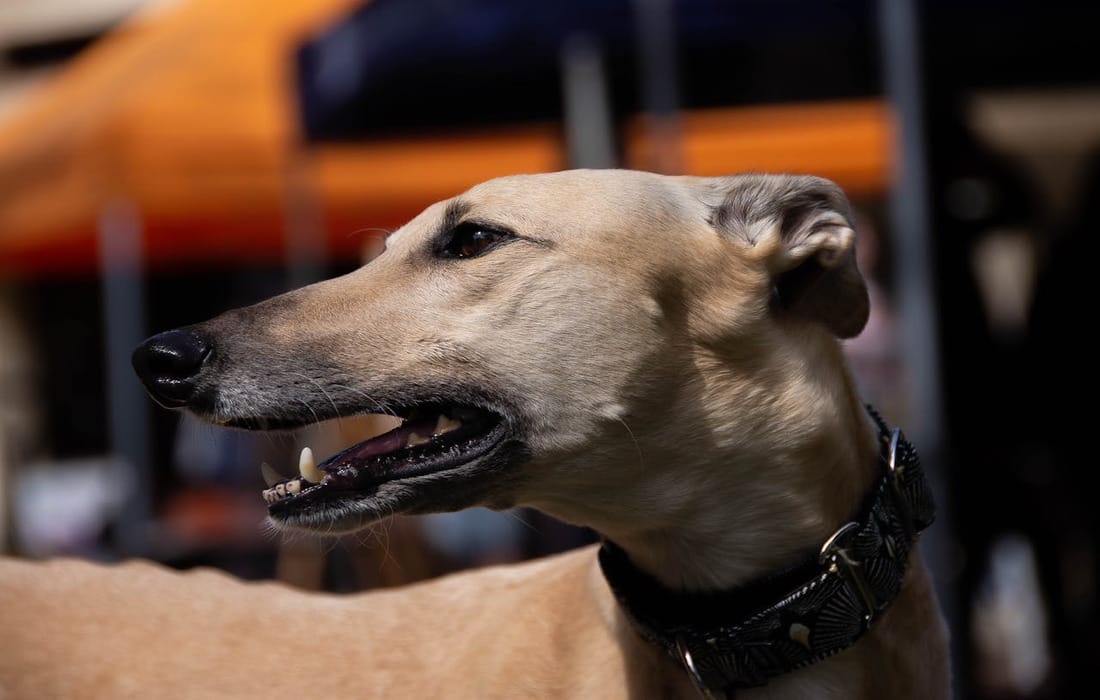
For thousands of years, Greyhounds have been companions to pharaohs, nobles, and artists, celebrated for their speed, sight, and serene grace. Yet, the modern retired racing Greyhound is one of the most delightful secrets of the dog world. They are the “45mph couch potatoes,” the gentle ghosts who pad softly through their homes, offering quiet affection and a dignity that is utterly captivating.
If you’ve ever been curious about these remarkable dogs—whether inspired by an adoption story or simply charmed by their quiet presence in your neighborhood—this guide is for you. We’ll move beyond the racetrack stereotype to explore the reality of life with a Greyhound. From their surprisingly low-key lifestyle to the practicalities of their care, we’ll cover everything you need to decide if your home is ready for this most noble of friends.
Quick Greyhound Facts
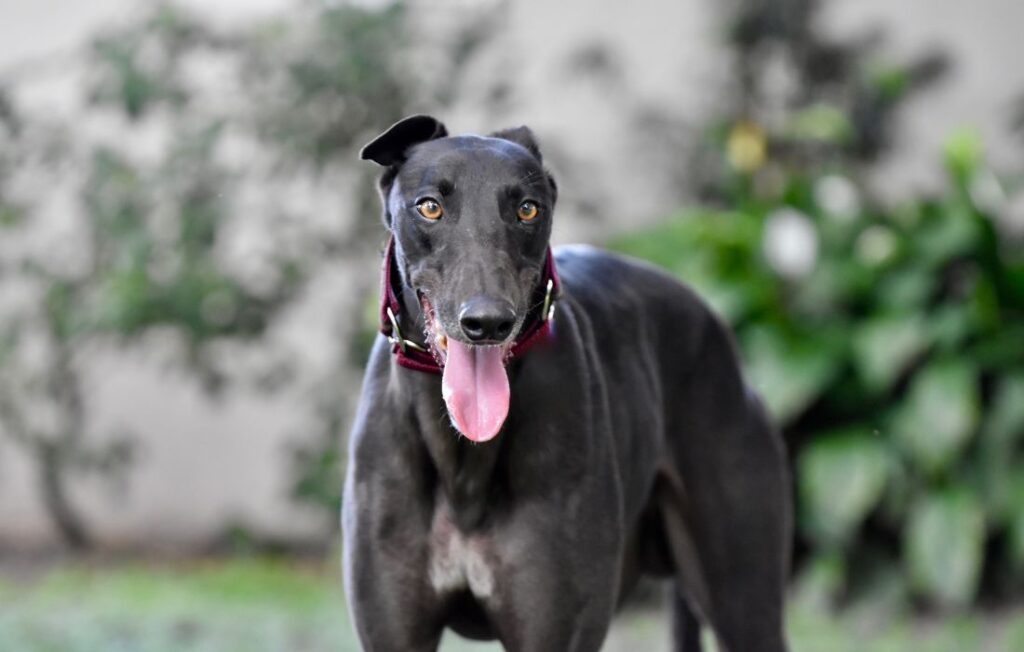
Greyhounds are sprinters, not marathon runners. Their physiology is built for explosive, short bursts of speed, not endurance. On the track, a race is over in about 30 seconds. What does a human athlete do after an intense sprint? They rest. Deeply.
This translates directly to home life. A Greyhound’s ideal day consists of a 20-30 minute walk, perhaps a brief, madcap zoom around a secure yard (the famous “zoomies”), and then *18-20 hours* of blissful lounging. They will expertly rotate between their bed, your couch, and any sunspot they can find. They are masters of relaxation, often sleeping in seemingly impossible, contorted positions that have earned nicknames like “the shrimp” or “the frog.” If you want a jogging buddy, look elsewhere. If you want a serene, low-energy companion who matches your couch-bound weekends, you’re on the right track.
The Gentle and Quiet Companion
Beneath that sleek exterior beats a heart of remarkable sensitivity. Greyhounds are often described as “cat-like” or “gentle souls.” They are not typically boisterous, barky, or pushy. Many owners joke that they barely know they have a dog until a graceful nose nudges them for dinner or a walk.
They form profound, quiet bonds with their people. They are not always “in your face” dogs, but they love to be near you, often following you from room to room just to sigh and flop down at your feet. Their temperament is generally sweet, even-tempered, and polite. They are known for their tolerance and gentle nature, which often makes them excellent companions for respectful older children. However, their thin skin and shy disposition mean they startle easily and do not respond well to roughhousing or harsh discipline.
Socialization with Dogs, Cats, and Small Animals
This is the most critical aspect of Greyhound temperament to understand: their prey drive. Bred for centuries to chase by sight, they are hardwired to see small, fast-moving creatures as prey. This doesn’t make them vicious; it’s simply an instinct.
- With Other Dogs: They usually do very well, especially with other Greyhounds or similar-sized, calm dogs. Their racing life means they are used to being kenneled with other dogs. However, due to their history, some may not understand how to “play” like a typical pet dog might.
- With Cats and Small Pets: This is not automatic. “Small furry recall” is a serious term in the adoption community. Many adoption agencies cat-test their dogs, labeling them as “small animal tolerant,” “cat-workable,” or “not small animal safe.” Even with a “cat-tolerant” dog, introductions are slow, managed, and the cat must always have a safe escape route. Never, ever trust a Greyhound off-leash in an unsecured area; their instinct can override training in a heartbeat if a squirrel or rabbit bolts.
Keeping Your Greyhound Healthy
A healthy greyhound is a happy one. Maintaining their health requires regular veterinary care, attention to their physical well-being, and awareness of common health issues. Here’s what you need to know to keep your greyhound in top condition.
Common Health Issues
While greyhounds are generally healthy dogs, they are prone to a few specific health problems:
- Hip Dysplasia: Lots of big dogs get this, and greyhounds can too. It’s when their hip joint doesn’t grow right, which hurts and makes it hard to move. Regular checkups can help.
- Bloat (Gastric Dilatation-Volvulus): Greyhounds are susceptible to bloat, a life-threatening condition where the stomach fills with gas and twists. Symptoms include restlessness, drooling, and an enlarged abdomen. Immediate medical attention is necessary.
- Heart Disease: Greyhounds are prone to a specific form of heart disease called “greyhound cardiomyopathy,” a condition that affects the heart muscle. It can cause lethargy, coughing, and difficulty breathing. Regular vet visits can help detect this early.
- Eye Problems: Greyhounds are prone to conditions like cataracts and progressive retinal atrophy (PRA), which can lead to blindness. Keeping an eye on any changes in vision and consulting a vet can prevent worsening conditions.
- Skin Sensitivity: Greyhounds have thin skin and minimal body fat, making them more prone to cuts, scrapes, and sunburn. You should protect them from excessive sun exposure and be careful of rough surfaces.
Regular Vet Visits
Just like any other breed, greyhounds benefit from regular veterinary check-ups. A vet will conduct routine health assessments, vaccinations, and parasite prevention treatments. Greyhounds should be examined at least once a year to detect potential health problems early.
Signs of Illness
Greyhounds are stoic creatures and may not always show obvious signs when they are ill. Look for subtle signs of discomfort or illness, such as:
- Decreased appetite or refusal to eat
- Lethargy or unwillingness to move
- Excessive drooling or panting
- Vomiting or diarrhea
- Unexplained weight loss
If you notice any of these signs, it’s important to consult with a vet promptly.
Grooming Tips for a Healthy Coat
Good news: they are one of the easiest breeds to groom!
- Coat: Their short, fine coat requires only a weekly rub-down with a hound glove or soft bristle brush to remove loose hair and distribute skin oils. They shed moderately.
- Bathing: Bathe only as needed (a few times a year) with a gentle dog shampoo to avoid drying out their skin.
- Nails: This is critical. Their nails must be kept short. Long nails force their feet to splay, affecting their unique upright posture and gait, which can lead to pain and injury. Regular clipping or grinding is a must.
- Teeth: Daily brushing is the gold standard for combating their dental woes.
How Much Do Greyhounds Need?
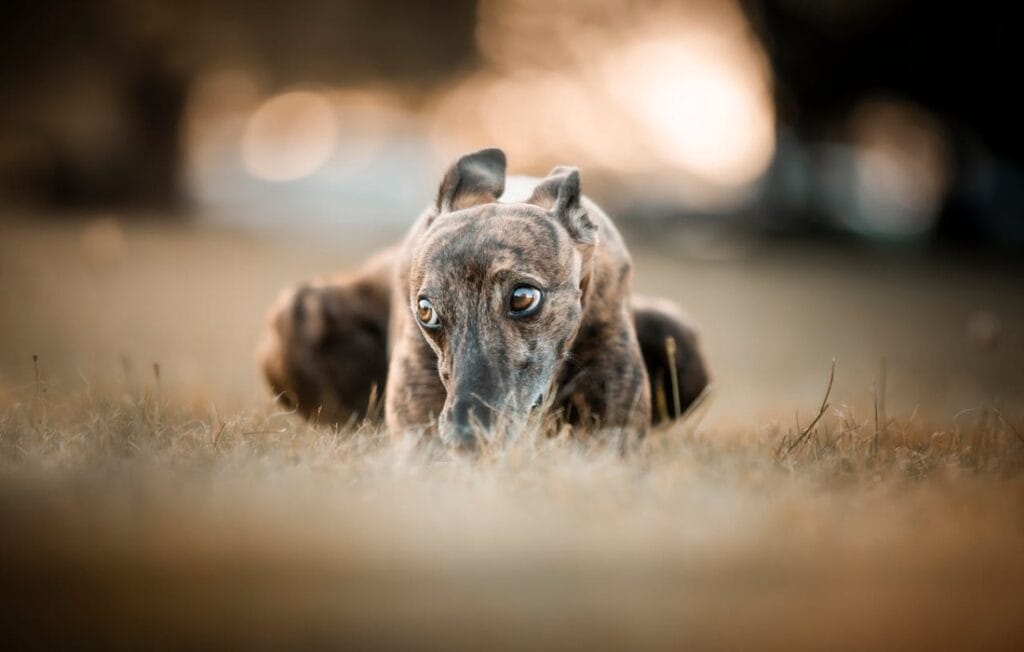
Greyhounds are energetic dogs with a strong desire to run. However, their exercise needs are different from other breeds. While they need daily exercise, they are not hyperactive and don’t require constant activity.
Daily Exercise Needs
While greyhounds have a reputation for being incredibly fast, they don’t need hours of strenuous exercise every day. They are sprinters, not endurance runners, so they prefer short bursts of activity followed by relaxation. A daily walk of 30-45 minutes, along with some time in a securely fenced yard where they can run freely, is usually enough.
Because they have a strong prey drive, you should always ensure that your greyhound is on a leash during walks unless you’re in a completely secure area. Some greyhounds may also enjoy playing fetch, but this should be done in a safe, enclosed space.
Playtime and Running
Although greyhounds don’t require constant exercise, they do need time to stretch their legs and run. If you have access to a dog-friendly park or a fenced area, allow your greyhound to run for short periods of time. This can provide both physical and mental stimulation.
Mental Stimulation
Mental exercise is just as important as physical exercise for a greyhound. You can provide mental stimulation through puzzle toys, scent games, or basic obedience training. These activities can help keep your greyhound engaged and prevent boredom.
Training: Commands and Tips
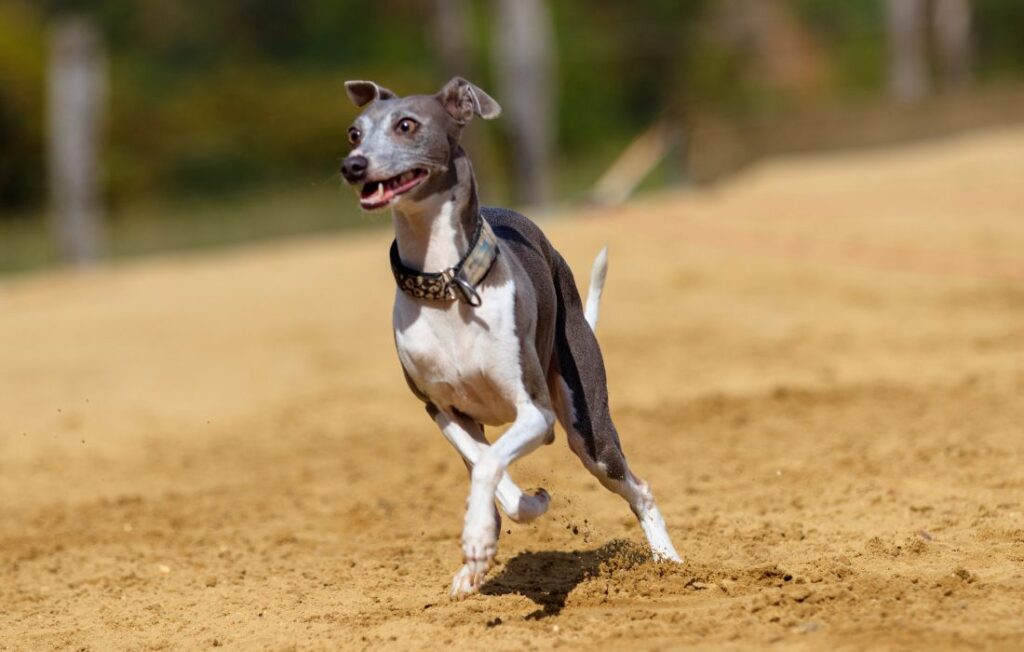
Training a greyhound is a rewarding experience, but it does require patience. Greyhounds are intelligent dogs, but their independent nature means they can sometimes be a bit stubborn. Here’s how you can train your greyhound effectively.
Socialization
Socializing your greyhound early is key to ensuring they grow up to be well-behaved and comfortable around people and other animals. Introduce your greyhound to various environments, people, and other pets from a young age to ensure they develop good social habits.
Basic Commands
Start training your greyhound with basic commands like “sit,” “stay,” “come,” and “down.” Greyhounds tend to be quick learners, but they may also be easily distracted, especially by other animals or fast-moving objects. Keep training sessions short and positive, using treats or praise to reward good behavior.
House Training
House training a greyhound may take some time, especially if you adopt an older dog. Greyhounds are used to living in kennels, so they may not immediately understand the concept of house rules. Consistency is key. Take your greyhound outside frequently, especially after meals and naps, and reward them when they go to the bathroom outside.
Nutrition: What to Feed Them
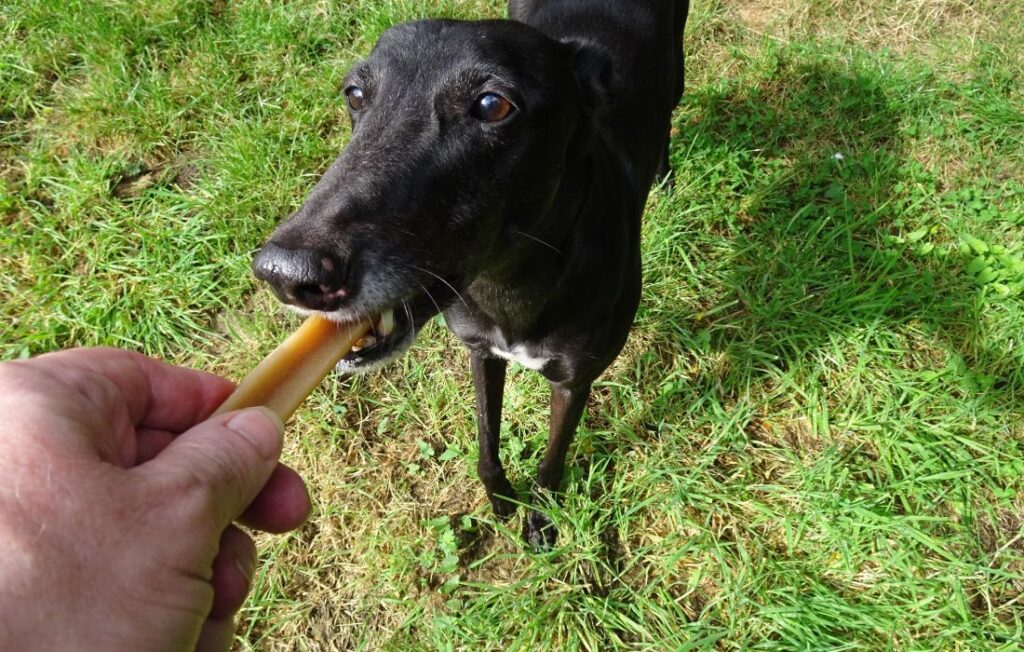
A balanced diet is crucial to keeping your greyhound healthy and energetic. Greyhounds require a high-quality diet that supports their lean muscle mass and active lifestyle.
Ideal Diet for a Greyhound
Greyhounds thrive on a protein-rich diet that supports their muscle health. Look for dog food that lists high-quality animal protein, like chicken, turkey, or lamb, as the first ingredient. A good dog food will also include healthy fats, fiber, and essential vitamins and minerals.
Greyhounds do best with a diet that supports lean muscle and energy without overloading them with empty calories. Consider choosing foods specifically designed for active dogs or large breeds.
Choosing the Right Food
When selecting food for your greyhound, choose high-quality dog food from reputable brands. Some greyhound owners also opt to feed raw food (BARF diet) or home-cooked meals, but it’s important to ensure that the diet is balanced and meets all their nutritional needs. Consulting with a vet or a canine nutritionist can help you make the best decision for your dog.
Supplements and Special Diets
Some greyhounds may benefit from supplements, especially if they have joint issues or other health concerns. Omega-3 fatty acids, glucosamine, and chondroitin are common supplements for greyhounds, especially as they age.
If your greyhound has specific health issues, such as food sensitivities or obesity, consult with your vet to develop a tailored diet plan.
Final Thoughts
Let’s be honest: Greyhounds aren’t for everyone. If you want a dog to join you on rugged all-day adventures, a dog that will play endless fetch, or a guard dog to bark at strangers, this is not your breed.
But if you are looking for a soulful, quiet companion who will teach you the art of slowing down, a dog whose love is expressed in gentle nudges and serene companionship, then look no further. They ask for so little: a soft spot to rest, a secure place to run, a gentle hand, and a loving heart.


Be the first to leave a comment