


The Ultimate Guide to Preparing for Your New Puppy
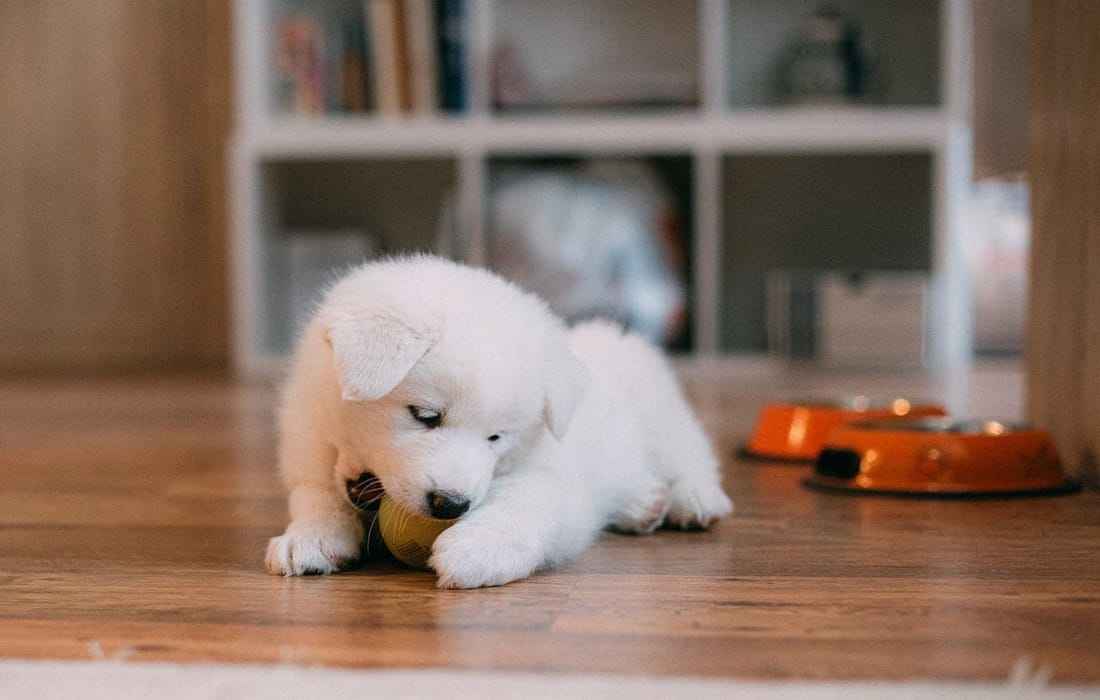
Bringing home a new puppy is one of the most exciting moments in any pet lover’s life. The anticipation of having a furry friend to share your home with is thrilling, but it also comes with its share of responsibility. Preparing for a new puppy can be overwhelming, but with the right knowledge and tools, it can be a smooth and enjoyable process.
Whether you’re a first-time puppy owner or adding a new pup to your family, this guide will help you get ready for every step along the way.
Why Getting Ready is Important
When you bring home a new puppy, you are committing to a long-term relationship that requires love, attention, and care. The first few days, weeks, and months of raising a puppy are crucial in shaping their behavior, health, and socialization. In fact, the way you prepare for and handle your new pup’s arrival can set the stage for a successful and happy life together.
Proper preparation will help you avoid common mistakes, reduce stress for both you and your puppy, and ensure that your pup grows into a well-adjusted, healthy, and happy dog.
Puppy Proofing Your Home
Before you even bring your new puppy through the door, you need to puppy-proof your home. Puppies are curious and energetic, and they will explore everything with their mouths, so making your home safe is essential.
Remove Hazards and Dangerous Items
- Electrical cords and cables: Puppies love to chew on cords, which can lead to dangerous situations like electrical shocks. Invest in cord covers or tape the cords to walls.
- Toxic plants: Many common houseplants are toxic to dogs, including lilies, azaleas, and poinsettias. Remove these from your home or keep them out of reach.
- Cleaning products and chemicals: Store cleaning supplies, detergents, and other chemicals in cabinets that are locked or out of reach of your puppy.
- Sharp objects: Ensure scissors, knives, and other sharp tools are safely tucked away.
- Small objects: Anything small enough for your puppy to swallow should be removed, such as coins, rubber bands, and plastic items.
Create a Designated Puppy Area
Setting up a designated space for your puppy, especially during the initial stages of training, is vital. Consider using baby gates to create boundaries in your home. You’ll want to set up a cozy space where your puppy can sleep and rest. A crate or a playpen is an excellent idea for this purpose.
Must-Have Puppy Stuff
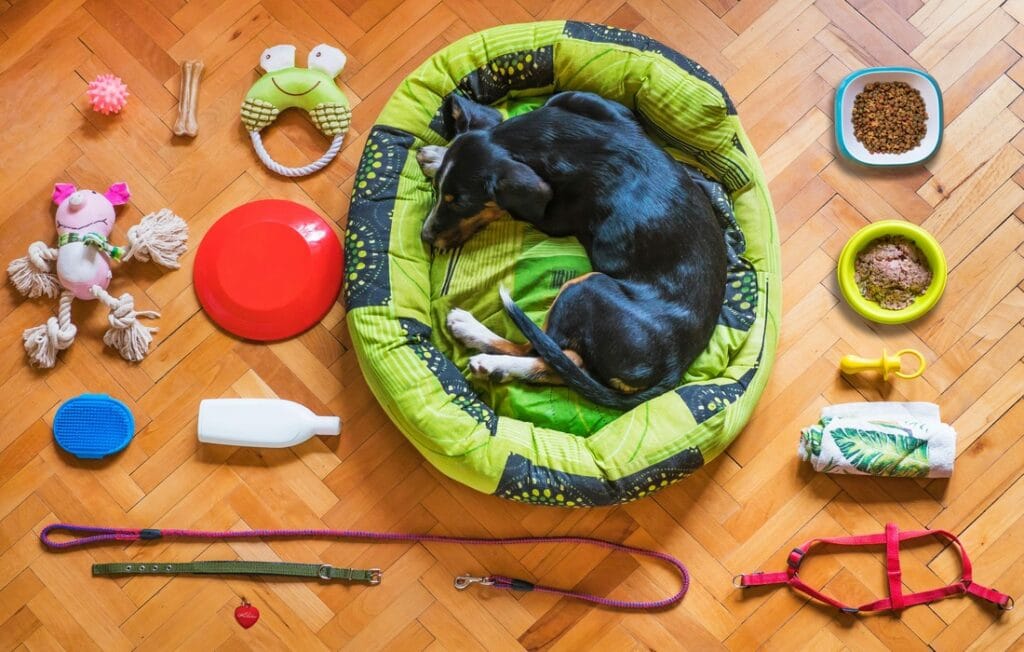
A successful puppy-parenting journey starts with having the right supplies ready for your new puppy. Here’s a checklist of essentials that you’ll need before bringing your pup home.
Food and Water Bowls
Invest in high-quality, durable food and water bowls. Stainless steel bowls are a great choice because they’re easy to clean and resistant to chewing. Additionally, ensure that the bowls are the appropriate size for your puppy’s breed.
Puppy Food
Research the best puppy food brands and choose a high-quality, age-appropriate food for your new pup. Puppies require a nutrient-rich diet to support their growth and development. Consult your vet for advice on what type of food is best for your puppy’s breed and size.
Crate or Bed
A crate is not only a great tool for potty training but also provides your puppy with a safe and secure space. The crate should be large enough for your puppy to stand, turn around, and lie down comfortably. You may also want to purchase a cozy bed for them to sleep in outside of the crate.
Puppy Pads and Potty Training Supplies
When you bring a puppy into your home, you’ll need to focus on potty training right away. Puppy pads are essential for indoor training, especially in the early stages. If you’re planning to take your puppy outside to relieve themselves, make sure you have a designated potty area in your yard.
Collar, Leash, and ID Tags
You’ll need a well-fitting collar and a sturdy leash for walking your new puppy. Additionally, a personalized ID tag with your contact information is crucial in case your puppy gets lost. Make sure to update the tag if you move or change phone numbers.
Toys and Chew Items
Puppies have a natural instinct to chew, especially during teething. Providing chew toys will help keep them occupied and prevent destructive chewing behavior. Look for durable chew toys that are specifically designed for puppies.
Grooming Tools
You’ll need grooming supplies, such as brushes, nail clippers, and puppy-safe shampoo. Grooming your puppy regularly is an important part of their health and hygiene routine.
Training Treats
Positive reinforcement is key to successful puppy training. Have a selection of tasty treats on hand to reward good behavior. Choose healthy, soft treats that are easy for your puppy to eat quickly.
Schedule a Veterinary Appointment
Before you bring your puppy home, schedule a vet appointment for a checkup. Your new puppy will need vaccinations, deworming, and a general health check. It’s essential to establish a relationship with a trusted veterinarian early on.
Vaccinations and Preventative Care
Your puppy’s first round of vaccinations is crucial for their health. Vaccines protect against diseases like parvovirus, distemper, and rabies. Additionally, your vet may recommend flea, tick, and heartworm prevention treatments.
Spaying or Neutering
Many pet owners choose to have their puppy spayed or neutered, which can help prevent unwanted pregnancies and certain health issues. Your vet can guide you on the best time for this procedure.
Setting Expectations for Puppy Training
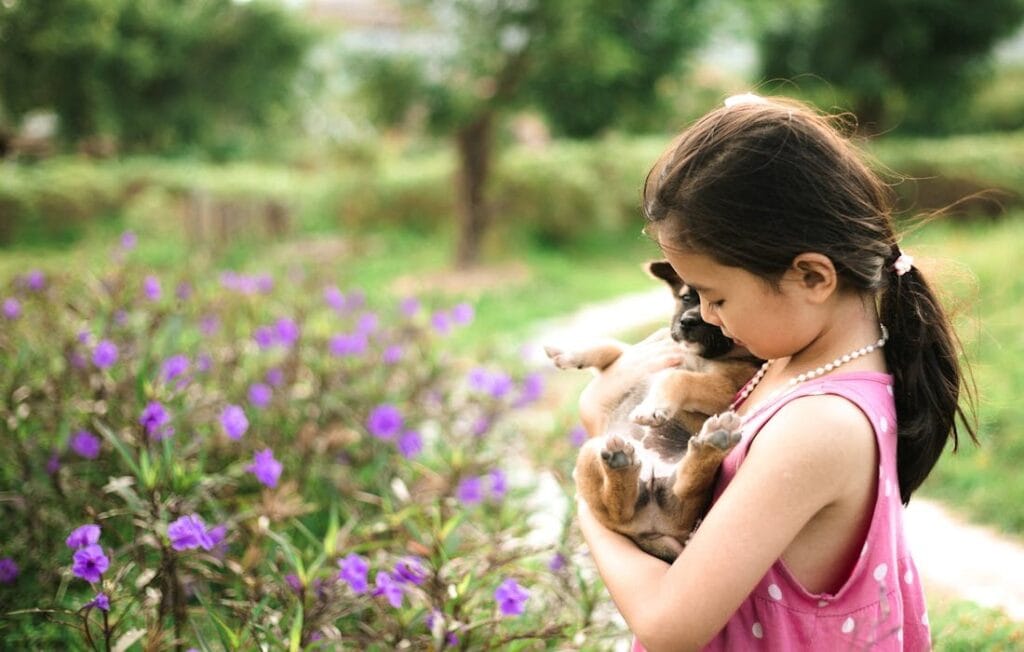
Training is an essential part of owning a puppy, and starting early is key. Puppies are like sponges, absorbing new information rapidly, so the sooner you begin training, the better.
Housebreaking and Potty Training
One of the first things you’ll need to tackle is potty training. Start by setting up a routine for taking your puppy outside, especially after eating, drinking, or waking up. Consistency is essential—take them out at regular intervals, and praise them when they do their business outside.
Basic Obedience Training
Begin with simple commands like “sit,” “stay,” and “come.” Positive reinforcement is vital for success, so reward your puppy with treats and praise when they follow commands. Consider enrolling in a puppy kindergarten class to help with socialization and behavior training.
Socialization with Other Dogs and People
Socialization is critical for puppies to grow into well-adjusted dogs. Introduce your puppy to new experiences, people, and other dogs to help them develop good social skills. Exposing them to different environments and situations will make them more confident and less likely to develop fear-based behaviors.
Creating a Puppy-Friendly Routine
Puppies thrive on routine, and setting a schedule will help your new pup adjust to their new home more easily. Establishing a routine for feeding, playtime, potty breaks, and bedtime will provide structure for both you and your puppy.
Feeding Schedule
Feed your puppy multiple small meals per day, based on their breed and size. Stick to a consistent feeding schedule to avoid overfeeding or underfeeding. Consult your vet for portion sizes.
Playtime and Exercise
Puppies have a lot of energy, and it’s important to provide them with plenty of playtime and exercise. Set aside time each day for play, walks, and mental stimulation. However, avoid overly strenuous exercise, as puppies’ joints and bones are still developing.
Sleep Schedule
Puppies need a lot of sleep—up to 18 hours per day! Ensure that your puppy has a quiet and comfortable place to rest, away from distractions. Don’t interrupt their sleep; a well-rested puppy will be happier and more well-behaved.
Be Patient and Flexible
Puppyhood can be a challenging time, but it’s also a special one. Be patient with your new puppy as they learn to adapt to their new life. Expect some accidents, messes, and mistakes along the way. The key is to remain calm, consistent, and flexible.
Overcoming Behavioral Challenges
If your puppy exhibits undesirable behaviors such as biting, chewing, or excessive barking, it’s essential to address them early on with proper training and redirection. Punishment can be counterproductive, so focus on positive reinforcement techniques.
Wrapping It Up
The first few weeks will be full of fun and learning. If you get ready ahead of time and have a good routine, your puppy will be off to a great start. Just remember to be patient, loving, and stick to your plans. With a bit of work, your puppy will grow into a great dog. Enjoy every part of it!
Have fun!




Be the first to leave a comment