


A Complete Guide to Kangal Shepherd Dog Breed
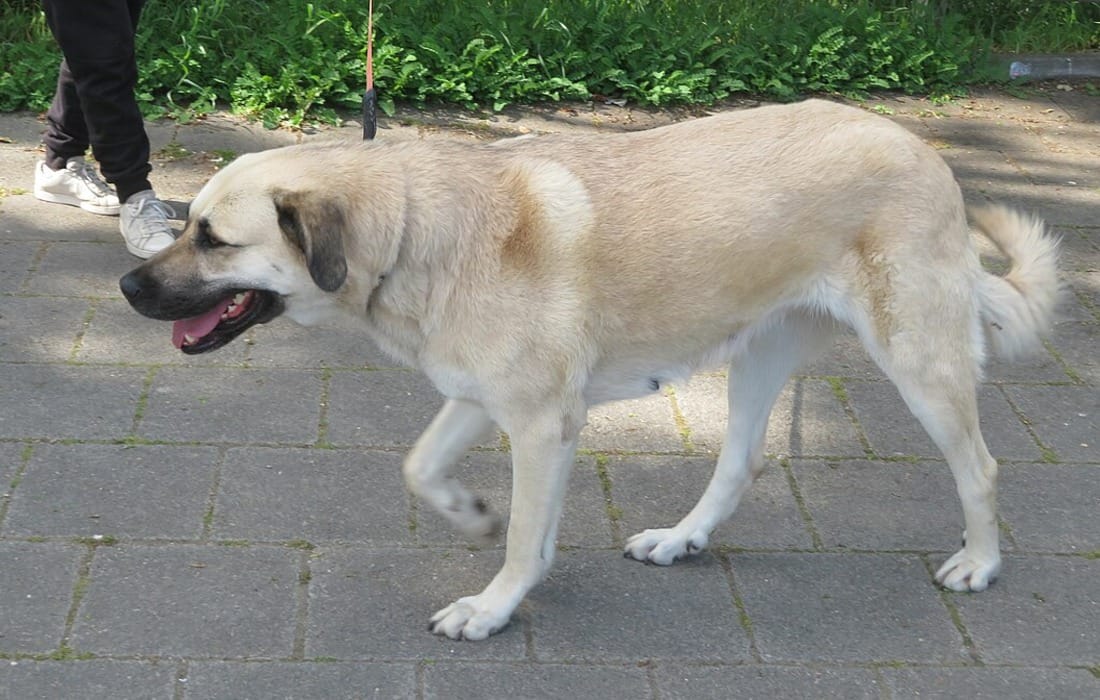
Meet the Kangal Shepherd Dog, a breed of formidable presence and profound loyalty, bred for a single purpose over centuries: protection. Hailing from the Sivas province of Turkey, the Kangal is not merely a pet; it is a dedicated working dog, revered for its intelligence, independence, and unmatched ability to guard livestock against formidable predators like wolves and bears.
This guide will delve into every aspect of this remarkable breed, helping you understand its history, needs, and the unique qualities that set it apart. Whether you’re a potential owner or an admirer, prepare to learn what makes the Kangal a truly legendary canine.
History and Origin of the Kangal Shepherd Dog
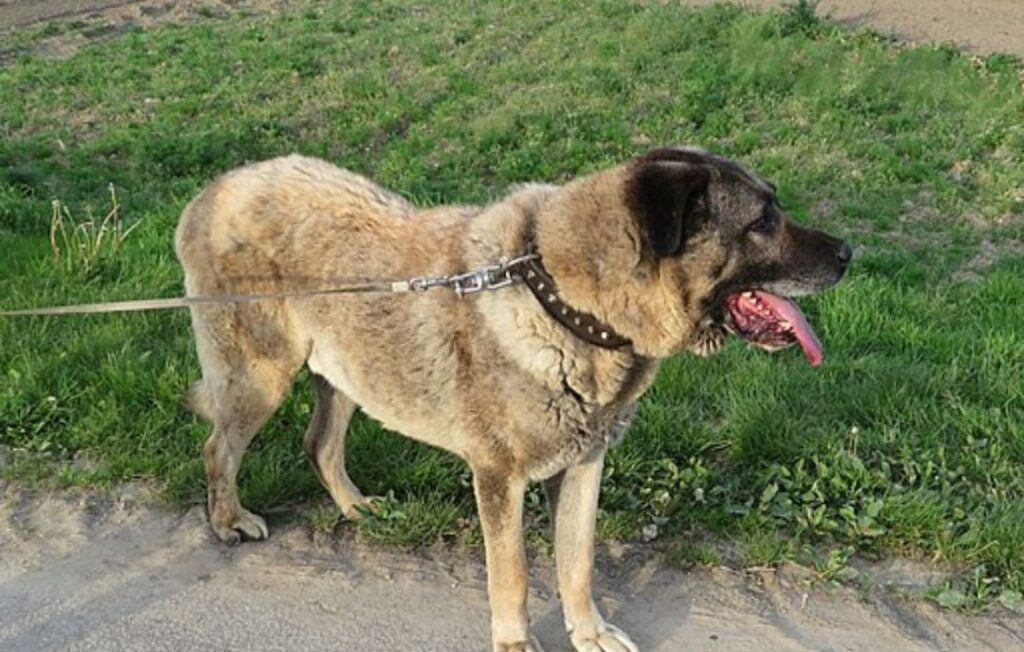
To understand the Kangal of today, you must travel back in time. This breed wasn’t created in a modern kennel for looks or trends; it was sculpted by necessity, terrain, and time.
Ancient Roots in the Sivas Province
The story begins in the Sivas province of central Turkey, in a region known as Anatolia. This is a land of extreme climates—scorching summers, bitter winters, and vast, open landscapes. Here, for possibly over 6,000 years, shepherds needed a dog that could do more than herd sheep; they needed a canine fortress. The Kangal is believed to descend from powerful mastiff-type dogs that traveled with ancient nomadic tribes. They evolved in isolation around the town of Kangal, which gave the breed its name, becoming perfectly adapted to their environment and their singular duty.
Bred for a Purpose: Livestock Guardian Heritage
The Kangal’s entire being revolves around one job: protection. Unlike herding dogs that control livestock movement, livestock guardian dogs (LGDs) like the Kangal live full-time with the flock. They become part of it. Their primary role was to defend sheep and goats from formidable predators like wolves, bears, and jackals. This history shaped every aspect of their character—their independence (making decisions alone on the hills), their loyalty (to their flock, whether sheep or human family), and their protective instinct, which is hardwired, not trained.
The Kangal in Turkish Culture and National Pride
In Turkey, the Kangal is more than a dog; it’s a national treasure. The Turkish government and institutions like the Kangal Research Center in Sivas have long been involved in preserving the purity of the breed. They are a point of immense cultural pride, symbols of strength, resilience, and fidelity. Exporting purebred Kangals was historically very controlled, which is why finding a legitimate breeder outside of Turkey requires immense diligence. This deep cultural tie underscores that when you welcome a Kangal, you’re welcoming a piece of living history.
Characteristics and Breed Standard
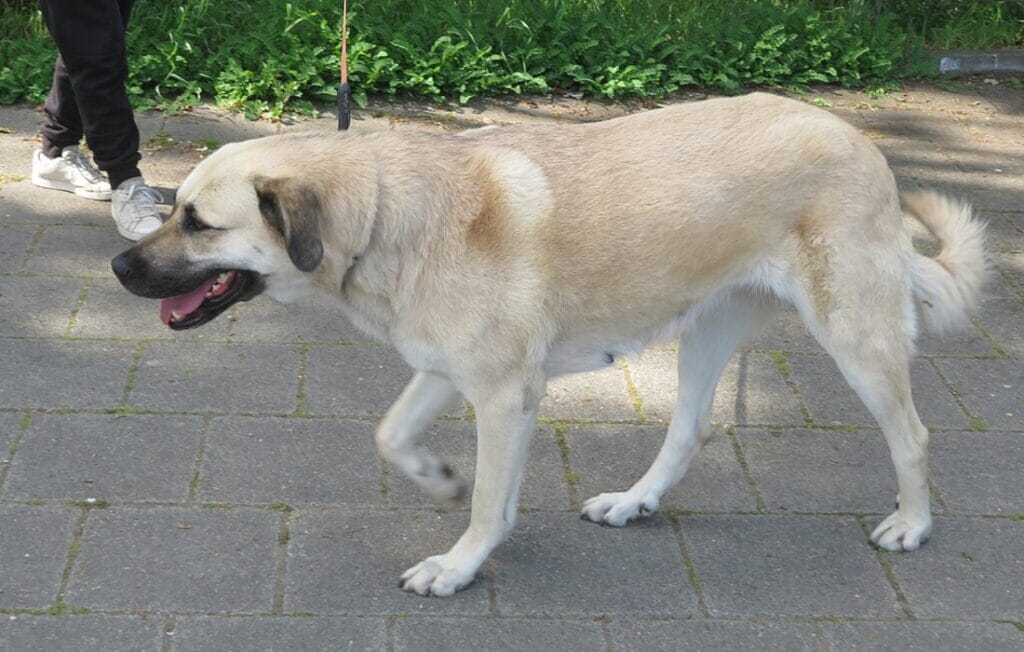
So, what does this canine guardian look like? The Kangal is the picture of powerful, functional beauty—every feature serves a purpose.
Key Physical Traits: Size, Weight, and Build
This is a large, impressive dog. Males typically stand between 30 to 32 inches at the shoulder, with females slightly smaller. Weight can range from 110 to 145 pounds, with some males even larger. They are not overly bulky like some mastiffs; instead, they possess a strong, athletic, and balanced build. They must be capable of great speed and endurance to cover their territory and intercept threats. A Kangal in motion is a sight to behold—graceful, powerful, and efficient.
The Iconic Kangal Coat and Color
The Kangal has a short to medium-length double coat that is dense and weather-resistant, protecting them from both sun and cold. The accepted color is always a solid fawn or sable, ranging from a pale dun to a steel grayish tone. However, their most famous and required hallmark is the black mask. This distinctive facial marking, along with black-set ears, is a non-negotiable part of the breed standard. Their tail is long and curls up, especially when alert.
Kangal vs. Anatolian Shepherd: Understanding the Difference
This is a crucial point of confusion. Often, the names are used interchangeably, but there is a key distinction. In Turkey, “Kangal” refers specifically to the purebred dog from the Sivas region with the strict characteristics we’ve described. “Anatolian Shepherd” is a broader term used internationally, often for dogs that may be mixed with other Turkish livestock guardian breeds or are Kangal-like but without the precise pedigree. Think of it this way: all Kangals are Anatolian Shepherds in function, but not all dogs called Anatolian Shepherds are purebred Kangals. If you want a Kangal, you must seek a breeder specializing in and proving the purity of the Kangal line.
Training and Care

Training and proper care are key to raising a happy, healthy Kangal. Thanks to their independent nature, Kangals require a thoughtful and consistent approach. Here’s what you need to know:
- Early Socialization and Obedience: If you want your Kangal to be a well-behaved family member, early socialization is a must. Introduce your dog to a variety of people, pets, and situations so they can become comfortable in different environments. Start obedience training as early as possible. Positive reinforcement, like treats and praise, works best with this breed. Be patient — Kangals can take their time to respond to commands since they like to assess situations on their own.
- Grooming and Coat Care: Kangals have a thick double coat, which means regular grooming is necessary to keep it in good shape. Brush your dog’s coat once a week to remove loose fur and prevent mats. During shedding seasons, you might need to brush more often. Bathing should be done only when necessary, as frequent washing can strip the coat of natural oils. Don’t forget to check their ears regularly for dirt, and trim their nails as needed.
- Health and Lifespan: The Kangal is generally a healthy breed, but like all large dogs, they can be prone to certain health issues like hip dysplasia, elbow dysplasia, and bloat. Regular vet visits and a balanced diet can help prevent or manage these conditions. A Kangal’s lifespan typically ranges from 12 to 15 years, depending on genetics, care, and overall health.
- Diet and Nutrition: Feeding your Kangal the right food is essential. As a large breed, they need high-quality food that supports their size and energy levels. Look for food that includes joint support and adequate protein to maintain muscle mass. Always check with your vet to make sure you’re feeding your dog the right food based on their age, size, and activity level.
- Exercise Needs: While Kangals don’t need intense exercise every day, they still benefit from regular walks, runs, or playtime. They also need mental stimulation to keep them engaged. Puzzle toys, scent games, and training sessions are excellent ways to challenge their minds.
Health Issues and Lifespan

Generally, the Kangal is a robust and healthy breed, a testament to its functional, working origins. However, like all large breeds, they are predisposed to certain conditions.
Common Health Concerns in Large Breeds
- Hip and Elbow Dysplasia: A malformation of the joints that can lead to arthritis and pain. Reputable breeders screen their breeding dogs for this via X-rays.
- Entropion: A condition where the eyelid rolls inward, irritating the cornea. This requires surgical correction.
- Bloat (Gastric Dilatation-Volvulus or GDV): This is a life-threatening emergency where the stomach fills with gas and can twist. It’s more common in large, deep-chested dogs. Knowing the signs (restlessness, unproductive retching, distended abdomen) and preventative measures (feeding multiple small meals, avoiding exercise right after eating) is critical.
Preventative Care and Regular Vet Check-ups
The best defense is a good offense. Establish a relationship with a veterinarian experienced with giant breeds. Keep up with vaccinations, parasite prevention (ticks, fleas, heartworm), and annual wellness exams. These check-ups can catch potential issues early.
Typical Kangal Dog Lifespan
With proper care, nutrition, and a bit of luck, a Kangal Shepherd has a lifespan of 12 to 15 years, which is impressive for a dog of its size. Their longevity is another point of pride for the breed.
Finding a Kangal Shepherd Puppy or Rescue
If you’ve read this far and your lifestyle aligns with a Kangal’s needs, the next step is finding your companion. This must be done with extreme care.
How to Identify a Responsible Kangal Dog Breeder
A good breeder’s goal is to better the breed, not just make money. They will:
- Prioritize health: Freely show you health clearances for hips, elbows, and eyes from organizations like the OFA.
- Know their history: Be deeply knowledgeable about the breed’s lineage and Turkish origins.
- Focus on temperament: Breed from dogs with stable, proven guardian temperaments.
- Ask you questions: They will interview you extensively about your home, experience, and reasons for wanting a Kangal.
- Provide a contract: This should include a health guarantee and require you to return the dog to them if you can’t keep it at any point in its life.
- Be transparent: Welcome you to meet the puppy’s parents (at least the mother) and see where the dogs are raised.
Adoption and Rescue Options for Kangal Dogs
Considering a rescue is a wonderful option. Breed-specific rescues, such as the Kangal Shepherd Dog Club of America Rescue Network, often have Kangals and Kangal mixes in need of homes. These are often adult dogs whose temperament is already known. The rescue will work hard to match a dog’s needs with your experience and home environment.
Key Questions Before Bringing a Kangal Home
Do a final, honest self-audit:
- Do I have at least several acres of securely fenced land?
- Is my lifestyle calm and stable? (Chaotic households are not ideal).
- Am I an experienced dog owner, comfortable with strong-willed, independent breeds?
- Do I have the time, patience, and budget for lifelong training, socialization, and veterinary care for a giant dog?
- Is every member of my household committed to this dog?
Final Thoughts
The Kangal Shepherd Dog is not a casual purchase. It is a lifestyle choice and a decade-plus commitment to a creature of immense power and even greater heart. They are not for the first-time dog owner, the apartment dweller, or someone seeking an obedient showpiece.
For the right person, however—the person with space, experience, and a deep respect for the ancient bond between human and working dog—the Kangal offers something rare. It offers the quiet comfort of a steadfast guardian, the dignified companionship of a confident friend, and the profound privilege of sharing your life with a true canine legend. They remind us that some bonds are forged not just for companionship, but for mutual respect and protection. If you can provide the kingdom, you may just earn the devotion of its noble guardian.


Be the first to leave a comment