


The Bloodhound Breed: A Complete Guide for Dog Moms
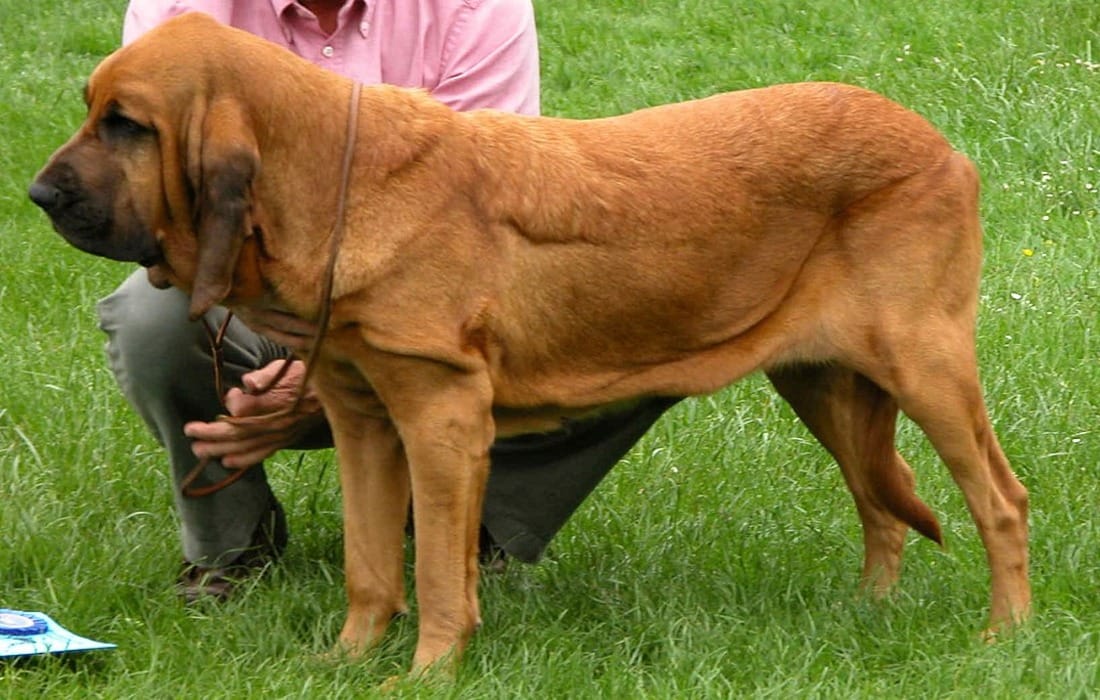
When you think of a Bloodhound, what comes to mind? Maybe it’s their exceptional tracking skills or their droopy ears and deep-set eyes. Whatever it is, there’s no denying that these dogs are fascinating. Bloodhounds have a strong sense of smell, unmatched by many, and have been key players in search-and-rescue missions. But beyond their nose, they’re also affectionate, loyal companions that can make wonderful pets for the right families.
In this guide, I’ll cover everything you need to know about Bloodhounds, from health and grooming to exercise needs. Whether you’re thinking about getting one or already have a Bloodhound, this guide will help you give them the best care possible.
Bloodhounds: The Basics
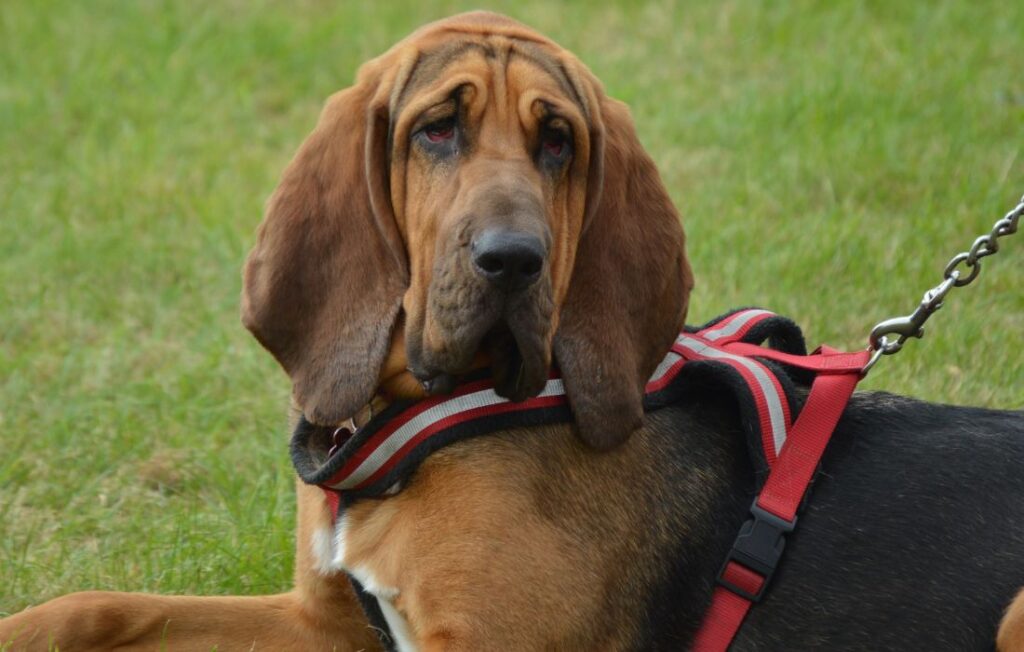
Bloodhounds are often called scent hounds, and with good reason. They’ve been bred for centuries to track scents over long distances, sometimes even days old. Their name actually comes from the Old French word “blood”, meaning “noble,” because these dogs were once bred by the nobbles.
These dogs originated in Belgium and were later refined in France and England. Originally, they were used for hunting big game like boar and deer. But what really sets them apart is their ability to follow a scent for miles, making them invaluable in search-and-rescue operations.
Physically, Bloodhounds are big and strong with those signature droopy looks. Their long ears and wrinkled skin give them a wise appearance. With short, weather-resistant coats in colors like black and tan, liver and tan, or red, they aren’t just amazing trackers, they also look impressive.
What to Know About Bloodhound Traits
Size
Bloodhounds are big dogs! Males typically weigh between 90 to 110 pounds, while females are slightly smaller, weighing 80 to 100 pounds. They usually stand 23 to 27 inches tall at the shoulder.
Personality
If you’re looking for a calm, gentle companion, a Bloodhound could be the perfect choice. They tend to be sweet and affectionate with their families. That said, they’re also independent thinkers, so they might not always jump at the chance to please you. Training them requires patience.
Energy Level
Bloodhounds aren’t hyperactive, but they do need regular exercise. They’re active dogs who love to explore, sniff, and roam, so make sure you give them the chance to stretch their legs.
Health Considerations
Like all breeds, Bloodhounds have some health risks. Being aware of these can help you prevent or manage potential issues down the road.
Common Health Problems
- Hip Dysplasia: This is a genetic issue where the hip joint doesn’t form correctly. It can cause arthritis and discomfort, so keep your dog at a healthy weight and schedule regular vet checkups.
- Ear Infections: With those long, floppy ears, Bloodhounds are prone to ear infections. Be sure to check and clean their ears regularly to avoid moisture buildup, which can lead to infection.
- Bloat: Large breeds like Bloodhounds can suffer from bloat, a life-threatening condition where the stomach twists and fills with gas. To prevent this, feed smaller meals throughout the day, and avoid intense exercise right after meals.
- Eye Problems: Bloodhounds can have issues like entropion (where their eyelids roll inward) or cherry eye (a protruding tear gland). Routine eye exams can catch these early.
- Skin Issues: Those skin folds are cute, but they need attention. They can trap moisture and bacteria, leading to skin problems. Be sure to clean and dry these folds regularly.
How Long Do Bloodhounds Live?
On average, Bloodhounds live about 10 to 12 years. With proper care, they can be your loyal companion for many years.
Grooming Your Bloodhound
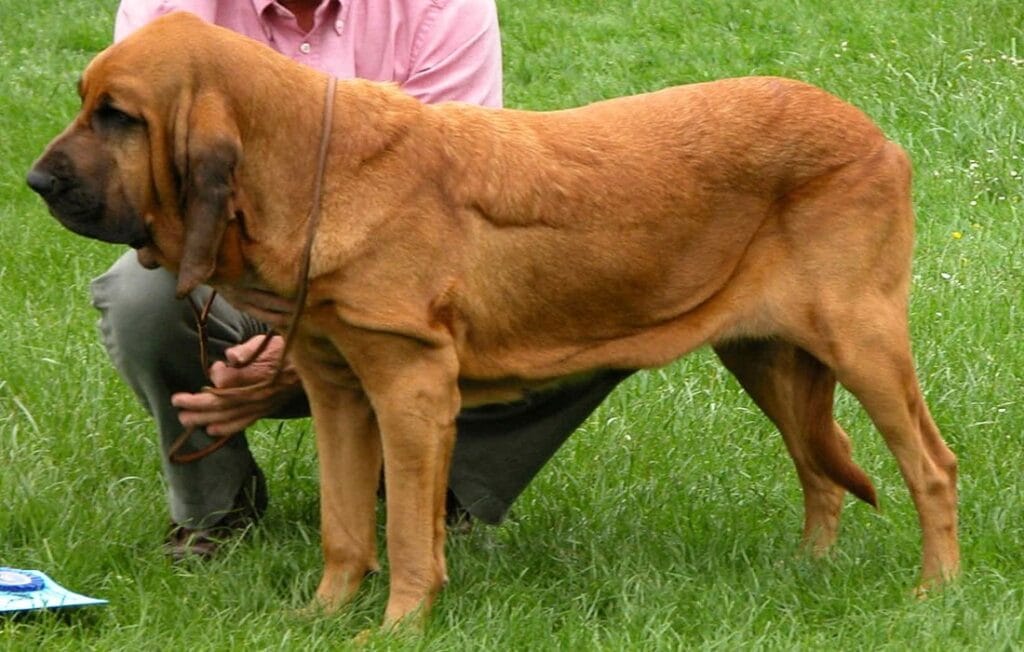
Bloodhounds have short coats, so they’re pretty low-maintenance when it comes to grooming. But with their unique features—especially their ears and skin folds—they do require some extra attention.
Coat Care
Bloodhounds don’t need to be brushed every day, but weekly brushing will help remove loose hairs and reduce shedding. You may need to brush more often during seasonal shedding periods.
Ear Care
As mentioned earlier, those long ears need a little extra TLC. Make sure to clean them regularly with a vet-approved ear cleanser, and dry them well to prevent infections.
Skin Folds
Those adorable wrinkles? They’re prone to moisture buildup. Make it a habit to clean and dry the folds to avoid skin irritation or infections.
Bathing
Bloodhounds don’t need frequent baths unless they get especially dirty or stinky. Over-bathing can strip their skin of natural oils, so save baths for when it’s necessary. Use a gentle, hypoallergenic dog shampoo to keep their skin healthy.
Exercise Needs
Bloodhounds need plenty of exercise to stay in good shape. They’re naturally inclined to roam and track scents, so they’ll thrive with daily physical and mental stimulation.
Daily Exercise
Plan on at least 1 to 1.5 hours of exercise each day. This can include walks, runs, playtime, or even training sessions. If you have a yard, let them run and explore—just make sure it’s securely fenced.
Mental Stimulation
These dogs are smart and need mental challenges to keep them engaged. Puzzle toys, training, or scent games like hide-and-seek will keep their minds sharp.
Socialization
Bloodhounds tend to get along well with other dogs and animals, but early socialization is key. Expose them to different people, pets, and environments to help them grow into confident, well-behaved dogs.
Training: What to Expect
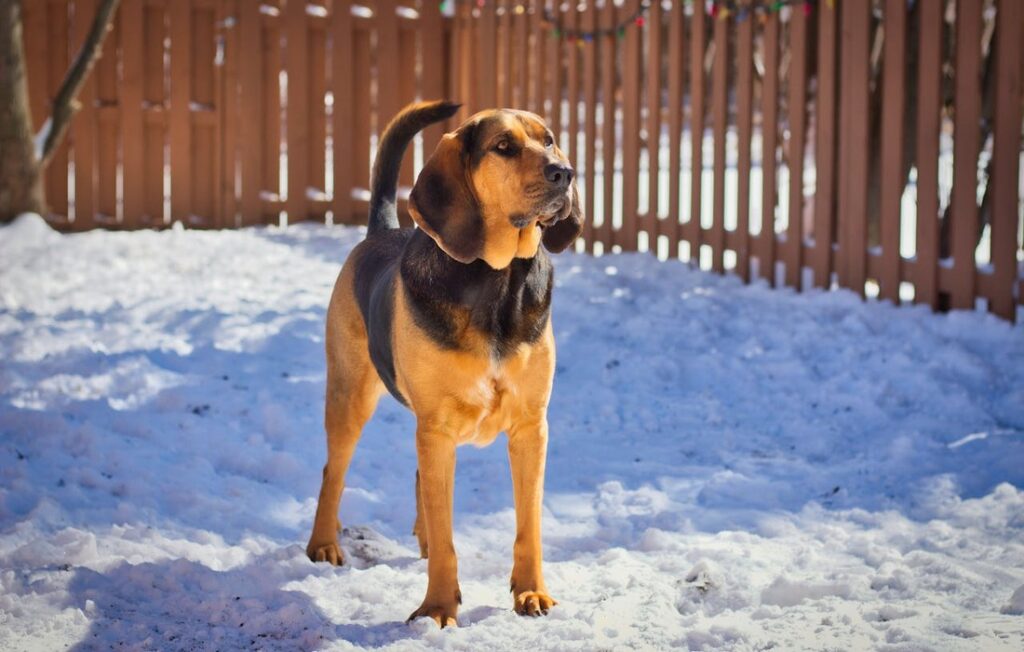
Training a Bloodhound is a mix of rewarding moments and challenges. They’re intelligent but independent, so you’ll need to be patient and consistent.
Basic Obedience
Bloodhounds don’t always respond to traditional training methods like food or praise, so you’ll need to find what motivates them. Some prefer toys or games, so try using those in your training. Start early and be firm but kind. They’re strong-willed, so patience is key.
Leash Training
If you’ve ever walked a Bloodhound, you know they love to follow their noses. Unfortunately, that means they can pull on the leash, especially when they catch a scent. A no-pull harness can make walks much easier.
Recall and Off-Leash Training
Because Bloodhounds are scent-driven, training them to recall on command is essential, especially if you let them roam in a secure area. Start with distractions-free environments and gradually add challenges as your dog gets better.
Nutrition Tips
Proper nutrition is crucial for your Bloodhound’s health. These dogs are large, so they need a diet that supports their size and activity levels.
Choosing the Right Food
Look for high-quality dog food that lists meat as the first ingredient. Bloodhounds need a protein-rich diet to maintain their energy and muscle mass. Large-breed formulas are best, as they’ll provide the right balance of nutrients for their size.
Portion Control
Bloodhounds are prone to gaining weight, so it’s important to manage their portions. Avoid free-feeding, and stick to a regular feeding schedule with two meals a day. Always measure the food and adjust portions based on their activity level and weight.
Treats
Treats are great for training, but be careful not to overdo it. Stick to low-calorie options, and avoid giving them table scraps, as human food can upset their stomachs.
Wrapping it Up
Bloodhounds are special dogs. They can track scents better than almost any other dog, and they’re sweet and loving. But they need some specific things. Training, exercise, grooming, and vet visits are all important. If you can give them what they need, a Bloodhound can be a great friend for years.
So, if you’re thinking about getting a Bloodhound, make sure you’re ready to take care of them. If you do, they’ll be a loyal friend who will stick by you.


Be the first to leave a comment