


How to Train an English Bulldog: Obedience and Behavior Tips
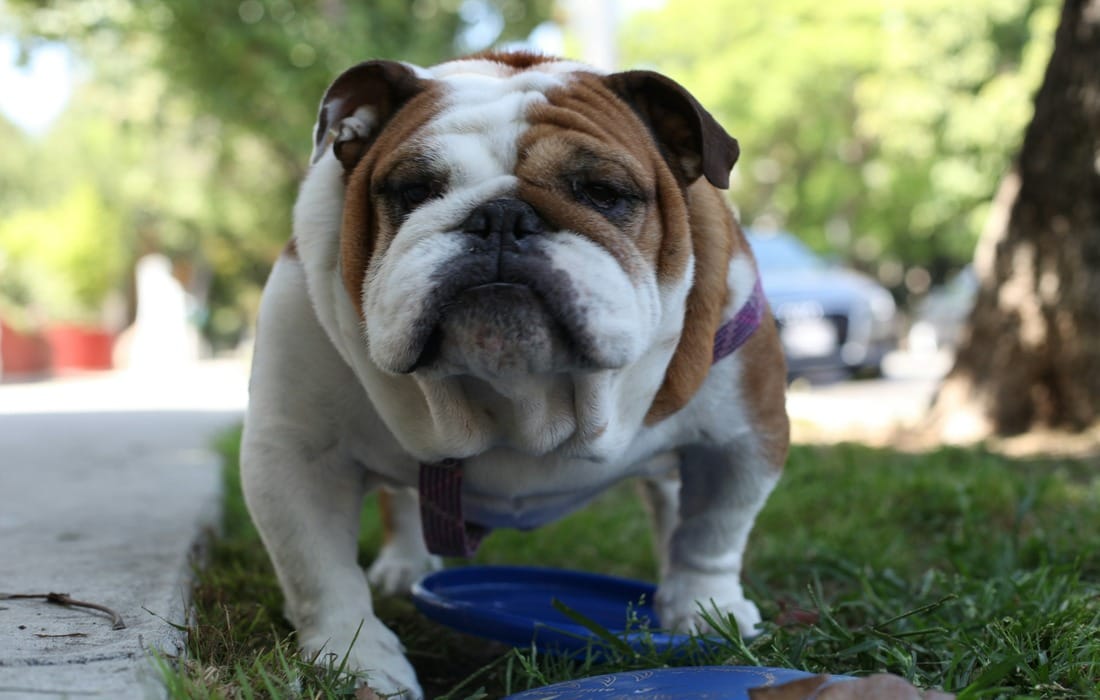
Training an English Bulldog can be an incredibly rewarding experience, but it does require patience, consistency, and a strategic approach. Whether you’re bringing a new puppy into your home or looking to correct behavioral issues in an adult Bulldog, knowing what makes them tick is key.
In this comprehensive guide, I’ll cover effective obedience training techniques, behavioral tips, and common challenges that English Bulldog parents may encounter. By the end, you’ll be set to have a well-behaved and super loyal buddy.
Understanding Your Bulldog’s Personality
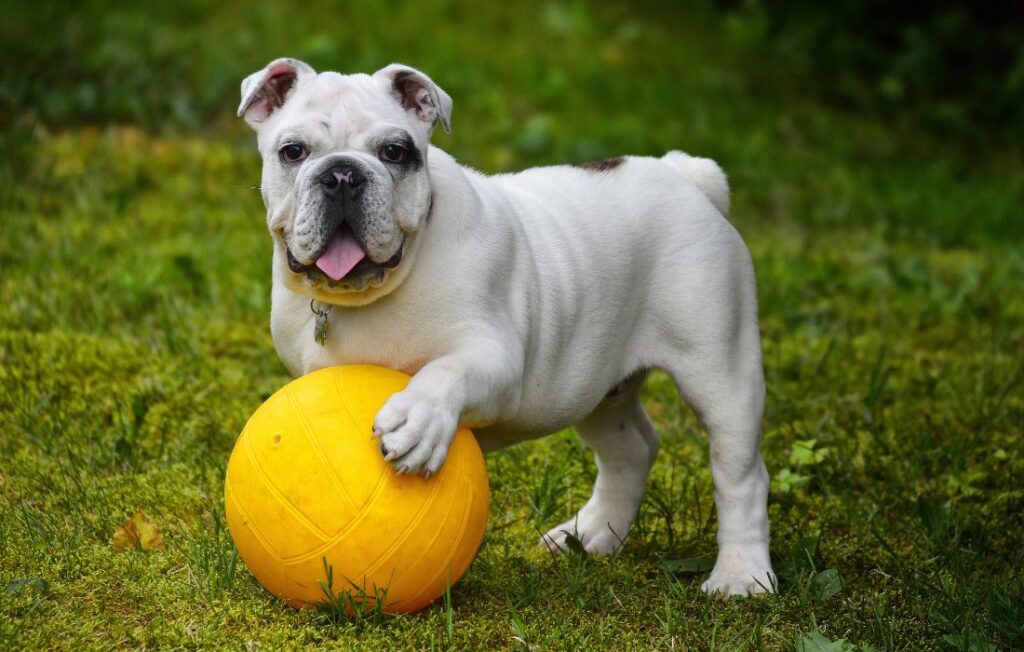
Before diving into training tips, it’s important to understand the unique personality of the English Bulldog. They’re known for being stubborn, so keep that in mind. They’ve got minds of their own. Even though they’re loving, getting them motivated with regular training can be tricky.
Despite their seemingly tough exterior, Bulldogs are affectionate and enjoy spending time with their families. They tend to be good with children and other pets, making them excellent companions. However, their love of lounging and their low-energy demeanor can sometimes make them less eager to engage in training activities, especially in their younger years.
Here are a few key traits to keep in mind:
- Stubbornness: Bulldogs are known for their independent nature. They may not always be eager to follow commands, and they may test their owners to see if they can get away with ignoring instructions.
- Affectionate and Loyal: English Bulldogs are loving animals that bond closely with their families. They often seek attention and affection and will respond well to positive reinforcement.
- Low Energy: While Bulldogs enjoy playtime, they are not as energetic as some other breeds. Training sessions should be kept short and engaging to avoid losing their interest.
- Food-Driven: Bulldogs are often highly motivated by food. Using treats can be an effective way to encourage desired behavior.
By understanding these personality traits, you can tailor your training approach to better suit your Bulldog’s nature.
Basic Obedience Training: Start Early
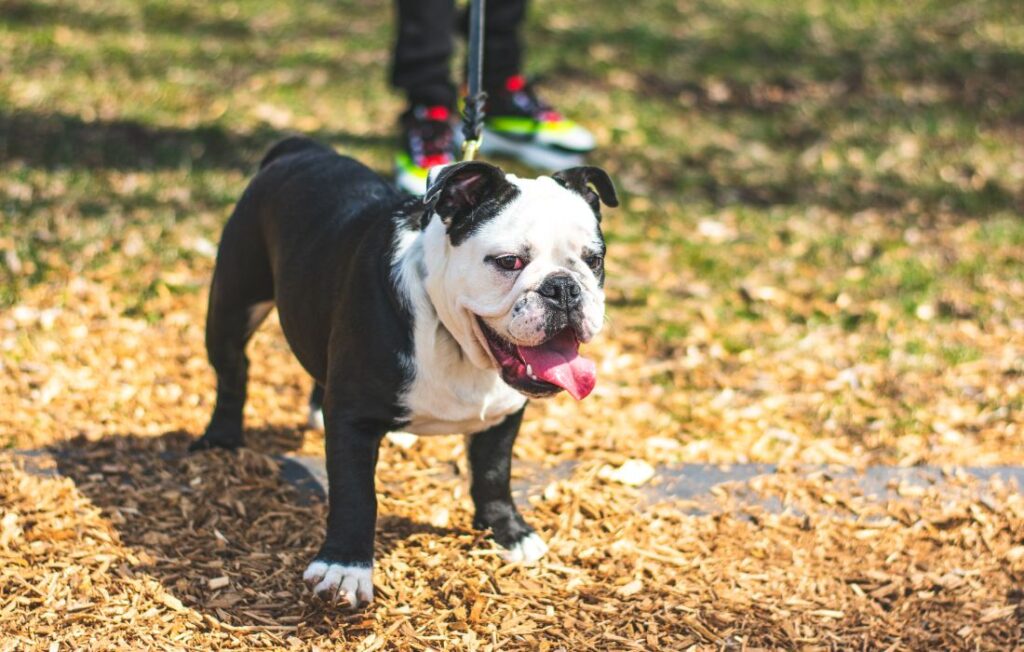
Starting obedience training early is key to teaching your Bulldog good manners. They might be a little stubborn, but they can still learn with the right moves. Here’s how to kick things off:
1. House Training
House training is often one of the first tasks for new Bulldog owners. Because Bulldogs are naturally clean animals, house training them is usually straightforward. However, consistency and patience are essential.
- Establish a Routine: Bulldogs thrive on routine. Take your Bulldog outside at regular intervals, especially after meals, naps, and playtime. This helps them understand when and where to go.
- Use a Crate: Crate training is a great method for housebreaking. Bulldogs usually prefer having their own space, and a crate can help them learn bladder control. Be sure to choose a crate that’s large enough for your Bulldog to stand and turn around comfortably.
- Positive Reinforcement: When your Bulldog goes outside to relieve themselves, reward them immediately with praise and a small treat. This will help them understand that going outside is the desired behavior.
2. Sit Command
Teaching your Bulldog to sit is one of the most basic obedience commands and an essential building block for other tricks.
- Start with a Treat: Hold a treat in your hand and allow your Bulldog to sniff it. Slowly move the treat above their head, causing their bottom to lower to the ground. Once their bottom touches the floor, immediately say “Sit” and give them the treat.
- Consistency is Key: Repetition is crucial. Keep practicing the “Sit” command until your Bulldog associates it with the action of sitting.
- Gradual Distraction: Once your Bulldog reliably sits on command, gradually introduce distractions to help them maintain focus.
3. Stay Command
The “Stay” command is important for helping your Bulldog remain calm and in one place. This is particularly useful in situations where you need your dog to remain still, such as when answering the door or in public places.
- Start Small: Ask your Bulldog to sit, then immediately say “Stay” while holding your hand in front of them, like a “stop” gesture. Take one step back and then return to your Bulldog. If they stay in place, reward them with a treat.
- Gradually Increase Distance: As your Bulldog becomes more proficient, slowly increase the distance between you and them. Practice for a few seconds at a time and extend the duration gradually.
- Short Sessions: Bulldogs can become impatient, so keep training sessions brief but frequent.
4. Come Command
Teaching your Bulldog to come when called is essential for their safety, especially in off-leash situations.
- Use High-Value Treats: Since Bulldogs are food-driven, use especially tasty treats to keep them motivated. Start by calling your Bulldog in a positive tone of voice, “Come!” while showing them the treat.
- Praise and Reward: Once your Bulldog comes to you, immediately praise them and offer the treat. This helps reinforce the idea that coming when called is rewarding.
- Practice in a Safe Area: Start training in a secure, enclosed area like your backyard before attempting off-leash training in public spaces.
5. Leash Training
Leash training is essential for walks and outings. Bulldogs can be stubborn when it comes to walking on a leash, so it’s important to train them early.
- Introduce the Leash Gradually: Let your Bulldog get used to wearing a collar and leash indoors before venturing outside.
- Positive Reinforcement: When your Bulldog walks alongside you without pulling, reward them with praise and treats.
- Redirect Pulling Behavior: If your Bulldog pulls on the leash, stop walking. Wait until the leash slackens, then resume walking. This teaches them that pulling results in a stop in movement.
Fixing Bad Behavior
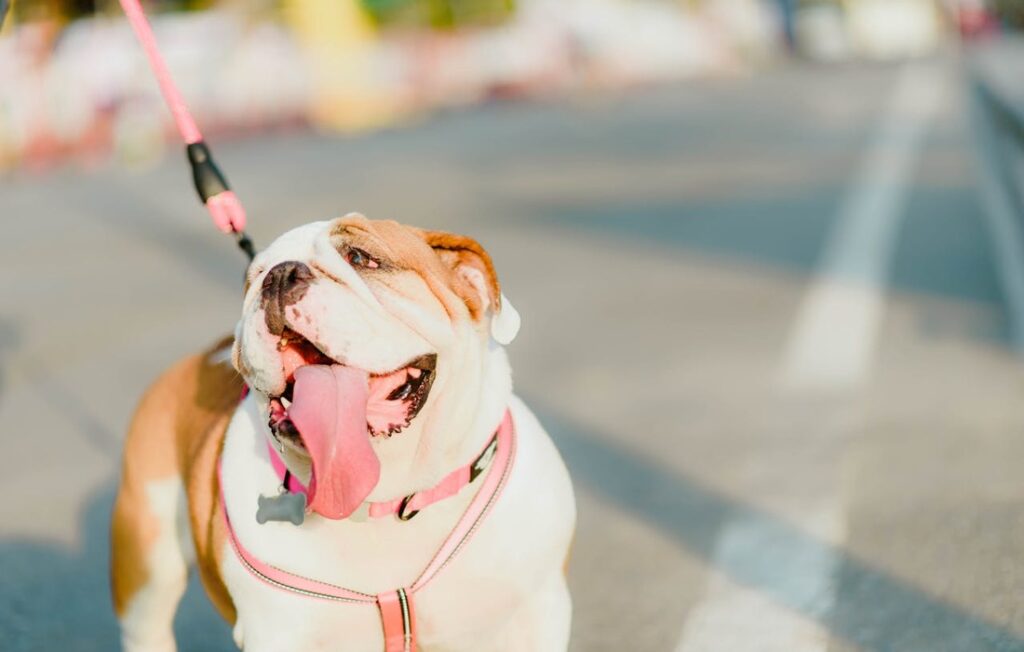
Despite their affectionate nature, Bulldogs can develop behavioral issues if they aren’t properly trained. Here are some common behavioral problems and how to address them:
1. Separation Anxiety
Bulldogs are known for their attachment to their owners, which can sometimes result in separation anxiety. Symptoms include excessive barking, destructive behavior, and drooling when left alone.
- Gradual Desensitization: Start by leaving your Bulldog alone for short periods and gradually increase the duration. Give them a comfortable space with their favorite blanket or toy.
- Crate Training: Crates can be a helpful tool in reducing separation anxiety. It provides a safe space for your Bulldog when you’re away.
2. Excessive Barking
While Bulldogs are generally not excessive barkers, some may develop this habit, particularly if they feel anxious or excited.
- Ignore Attention-Seeking Barking: If your Bulldog is barking for attention, ignore them until they stop. When they stop barking, immediately reward them with a treat and praise.
- Teach Quiet on Command: When your Bulldog starts barking, say “Quiet” in a firm but calm voice. Once they stop barking, reward them.
3. Aggression Toward Other Dogs or Pets
English Bulldogs are generally good with other pets, but some may display territorial or aggressive behavior, particularly if they are not socialized properly.
- Early Socialization: Expose your Bulldog to other dogs and pets in controlled environments from an early age. This helps them learn to coexist peacefully.
- Positive Reinforcement: Reward calm, friendly behavior with treats and praise. If your Bulldog displays aggressive behavior, redirect their attention to something positive.
Advanced Training Tips
Once your Bulldog has mastered the basics, you can move on to more advanced training techniques. These skills can include tricks like rolling over, playing fetch, or even agility training.
1. Advanced Trick Training
Training your Bulldog to perform tricks can be a fun and stimulating way to engage them mentally. Use the same positive reinforcement techniques, but keep training sessions short and enjoyable.
- Roll Over: Have your Bulldog lie down, then gently guide them in a circle while giving the command “Roll over.” Reward them when they complete the roll.
- Play Dead: Command your Bulldog to lie down, then gently roll them onto their back and say “Bang!” Reward them for staying in the position.
2. Agility Training
Agility training is a great way to challenge your Bulldog mentally and physically. Set up a simple agility course with obstacles such as tunnels, jumps, and weave poles. Bulldogs are generally not the most agile breed, but they enjoy challenges and can do well with consistent training.
3. Scent Training
Scent training can provide mental stimulation for your Bulldog. Hide treats or toys and encourage your dog to use their nose to find them. Bulldogs love food, so they are usually highly motivated to search.
Final Thoughts
Training an English Bulldog means having patience and understanding their personality. Bulldogs can be stubborn, but they’re also loving and will listen if you give them rewards and keep training short and fun. Start with basic commands and then move on to harder stuff. You’ll not only help them behave better but also make your connection stronger.
Remember, every Bulldog is different, so be flexible and find what works best for your dog. Over time, you’ll have a well-trained Bulldog who is a joy to be around.


Be the first to leave a comment