


Ultimate Guide to The Best Hypoallergenic Dog Breeds
If you’re a dog lover with allergies, finding the right furry companion might feel tricky, but it’s not impossible. While no dog is completely hypoallergenic, certain breeds are known to shed less and produce minimal dander, making them a great match for many allergy sufferers. These dogs don’t stop you from sneezing outright but can help reduce those frustrating allergy symptoms. In this guide, I’ll walk you through the best hypoallergenic dog breeds and what makes them a better choice for sensitive dog parents.
What Does Hypoallergenic Actually Mean?
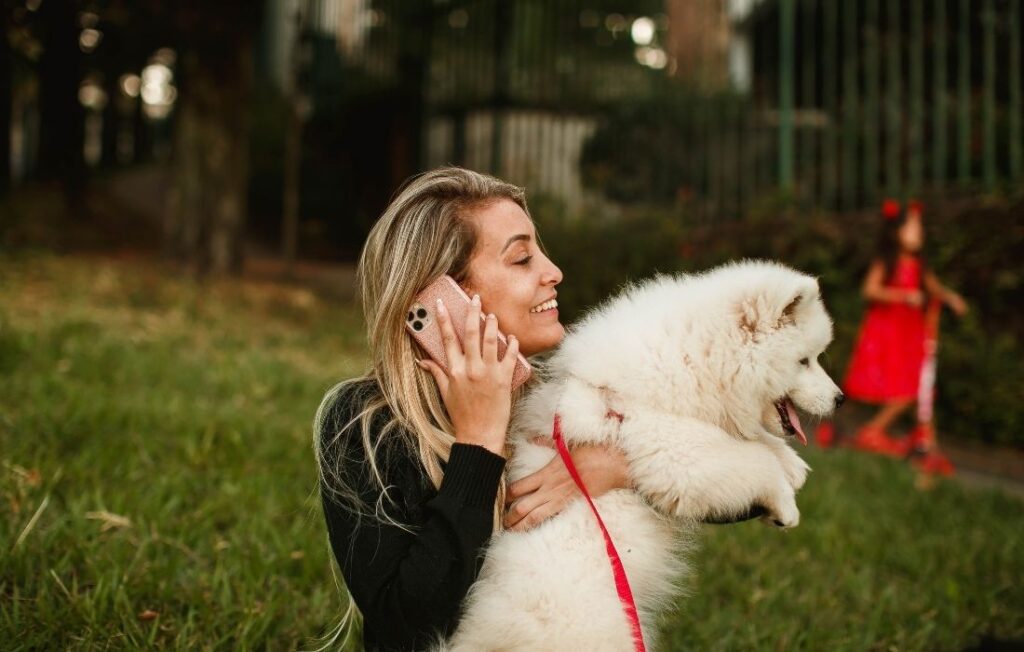
You’ve probably heard the term “hypoallergenic” thrown around in conversations about dogs, especially if allergies tend to complicate your love for furry friends. But what does it really mean? Contrary to popular belief, hypoallergenic doesn’t mean a dog is allergen-free. Instead, it refers to breeds that are less likely to trigger allergic reactions. These breeds typically produce fewer allergens, making them a more suitable choice if you struggle with sneezing and itchy eyes around pets.
Understanding Allergies in Dog Ownership
Dog allergies aren’t just about fur, they’re caused by proteins found in a dog’s skin (dander), saliva, and even urine. When a dog sheds its hair, it can release those proteins into your home, causing allergic reactions. Dander, which is essentially tiny flakes of skin, is one of the biggest culprits for triggering allergies. You might notice that heavy-shedding dogs tend to spread allergens more widely.
Here’s how shedding connects to allergens:
- Dander: Dogs with flaky or shedding skin release more of this into the air and surfaces you touch.
- Saliva: Dogs groom themselves by licking, and their saliva contains proteins that get stuck to fur.
- Shedding: When dogs shed hair, they’re also shedding dander and trapped saliva, which cling to their coats.
If your allergies leave you sneezing from that constant stream of allergens, dogs described as hypoallergenic could help reduce exposure. While they aren’t magic cures, their physical traits can make life easier for sensitive dog owners.
Key Traits of Hypoallergenic Dog Breeds
Hypoallergenic dog breeds share some specific traits that make them allergy-friendly. While no dog is entirely free from shedding or allergens, these breeds aim to limit your exposure by producing smaller amounts or keeping allergens contained.
Here are some features you’ll typically spot in hypoallergenic dogs:
- Hair vs. Fur: Many hypoallergenic breeds have hair instead of fur. Hair grows continuously and tends to hold onto dander better than fur, which naturally falls out. Think breeds like the Poodle or Maltese, whose coats require routine grooming.
- Low-Shedding Coats: Dogs that shed less release fewer allergenic particles into your home. Most hypoallergenic dogs need regular grooming, which helps remove loose hairs and dander before they build up.
- Minimal Oil Secretion: Dogs with oily skin tend to release more dander. Hypoallergenic breeds usually have skin that produces less oil, minimizing the spread of allergens through their coat.
- Dense Coats: Some breeds with tight curls, such as the Bichon Frise, are considered hypoallergenic because their coat traps allergens, preventing them from spreading through the air as easily.
If you’re wondering whether all these traits apply to a particular breed you’re considering, it’s a good idea to dive into their grooming needs and how much they shed. Each of these factors makes life a little easier for allergy-prone folks.
Ultimately, while no dog is entirely hypoallergenic, understanding how allergies and allergens work can help you find the right fit. With proper grooming and the right breed, allergy sufferers may finally find a furry friend they can live with comfortably.
The Best Small Hypoallergenic Dog Breeds
For allergy sufferers, small hypoallergenic dog breeds can be a perfect choice, especially if you’re limited on space or new to dog ownership. These breeds are not only easy on the allergies but also full of personality and charm. Let’s explore some of the best small-sized hypoallergenic dogs and what makes them special.
Bichon Frise: Playful and Low-Maintenance
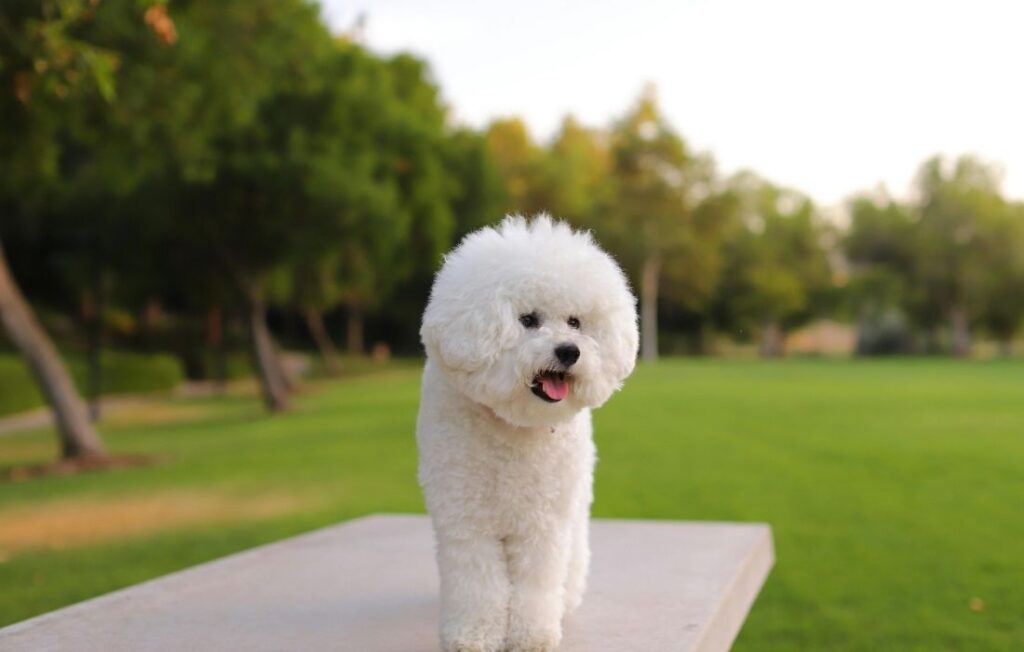
The Bichon Frise is a bundle of energy packed into a small, fluffy frame. Known for their friendly and playful nature, these dogs are excellent companions for families, singles, and seniors alike. One of the best features of the Bichon’s coat is its curly texture, which helps trap allergens like dander, preventing them from spreading around your home. They also have minimal shedding, so allergy sufferers typically find relief when living with this cheerful breed.
Grooming a Bichon Frise is surprisingly low-maintenance for a hypoallergenic dog. Regular brushing and occasional trips to the groomer help keep their coat looking fresh and free of tangles.
Maltese: Silky Hair with a Need for Care
The Maltese might be tiny, but their personality and luxurious white coat make a big statement. Despite being low-shedding, their silky hair requires daily brushing to prevent tangling and maintain its signature smooth look. Don’t let that discourage you, though regular grooming is a small price to pay for the love and loyalty a Maltese offers.
This breed is ideal for smaller homes or apartments since they’re content with moderate activity levels indoors. For those who love spending time pampering their pets, the Maltese is a perfect fit. If you’re curious about how to properly groom a Maltese, check out these expert tips on Maltese grooming.
Yorkshire Terrier: Small Dog, Big Personality
Yorkshire Terriers, or Yorkies, are often celebrated for their vivid personalities packed into a compact size. With hair that closely resembles human hair, they’re a fantastic hypoallergenic choice. Their long, fine hair doesn’t shed much, which keeps dander levels to a minimum and makes them an excellent addition for allergy sufferers.
Yorkies are perfect for city dwellers as they adapt well to small living spaces. However, they still carry the terrier tenacity, meaning they’re active and full of spunk. Keep in mind that their silky coat requires regular maintenance to retain its sleek, shiny appearance.
Shih Tzu: Friendly with a Double Coat Advantage
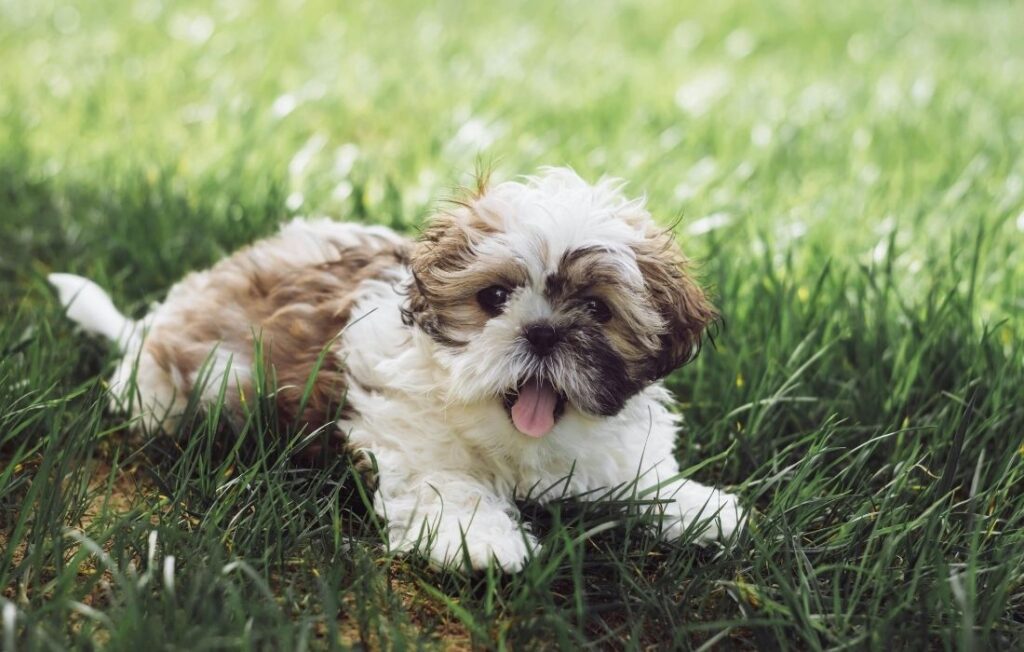
The Shih Tzu was bred to be a loyal companion, and they live up to that reputation beautifully. Known for their friendly demeanor and love of people, they’re great for families or first-time dog owners. What sets the Shih Tzu apart is their double coat, which is excellent at trapping dander instead of releasing it into the air.
Their coat does require consistent grooming, including brushing three to four times a week and routine trims to avoid matting. Beyond their hypoallergenic benefits, these little dogs have a low exercise requirement, making them ideal if you’re not overly active. Interested in the Shih Tzu’s background and care needs?
Miniature Schnauzer: Intelligent and Trainable
Miniature Schnauzers are lovable and smart, with a personality that’s as striking as their iconic beard and wiry coat. Their double coat sheds less than most breeds, which is a win for anyone sensitive to allergens. Combine that with their high trainability, and you’ve got a small dog that’s both charming and practical for allergy sufferers.
These dogs are equally at home in apartments or larger houses as long as they get enough mental and physical stimulation. Their energy and intelligence make them eager to learn, so you can quickly teach them new tricks or routines. Proper grooming, including regular brushing and trimming, helps keep their coat free of allergens.
Each of these breeds has its unique quirks and care requirements, but they all share one thing: they’re a blessing for dog lovers with allergies. Finding the right small hypoallergenic dog can transform your life, offering companionship without the constant sneezing. If you’re ready to welcome one of these pups into your home, it’s worth exploring which breed fits best with your lifestyle and needs.
The Best Medium to Large Hypoallergenic Dog Breeds
If you have a more spacious living environment and allergies that make dog ownership tricky, you’re in luck. Medium to large hypoallergenic dog breeds are a fantastic option for active families or anyone with room to roam. These breeds excel in adaptability, intelligence, and friendly disposition, making them perfect companions without setting off an allergy storm. Let’s explore some of the best options.
Poodles (Standard, Miniature, and Toy)
Poodles are the all-stars of hypoallergenic dog breeds, known for their intelligence and signature curly coats that shed minimally. Whether you go for a Standard, Miniature, or Toy Poodle, all three are considered hypoallergenic thanks to their unique hair that grows continuously, much like human hair. This characteristic means they’re less likely to release dander into your home.
But be aware, Poodles do require consistent professional grooming to maintain their coat and prevent matting. They are high-energy dogs that thrive on mental stimulation and physical activities, so be ready to keep them engaged with games, tricks, and regular exercise. Their adaptability and trainability, combined with their allergy-friendly coat, make them a favorite among dog enthusiasts.
Portuguese Water Dog
For allergy sufferers who love the outdoors, the Portuguese Water Dog is an ideal match. These athletic dogs were originally bred to assist fishermen, so they naturally excel in water-based activities like swimming or retrieving. Their dense, curly coat is not just hypoallergenic, it also serves as insulation during cold and wet conditions.
While they don’t shed much, Portuguese Water Dogs still need consistent grooming to avoid matting and remove loose hair. They’re highly energetic and require regular vigorous exercise, making them perfect for active individuals or families. Curious if this breed fits your lifestyle?
Labradoodle and Goldendoodle
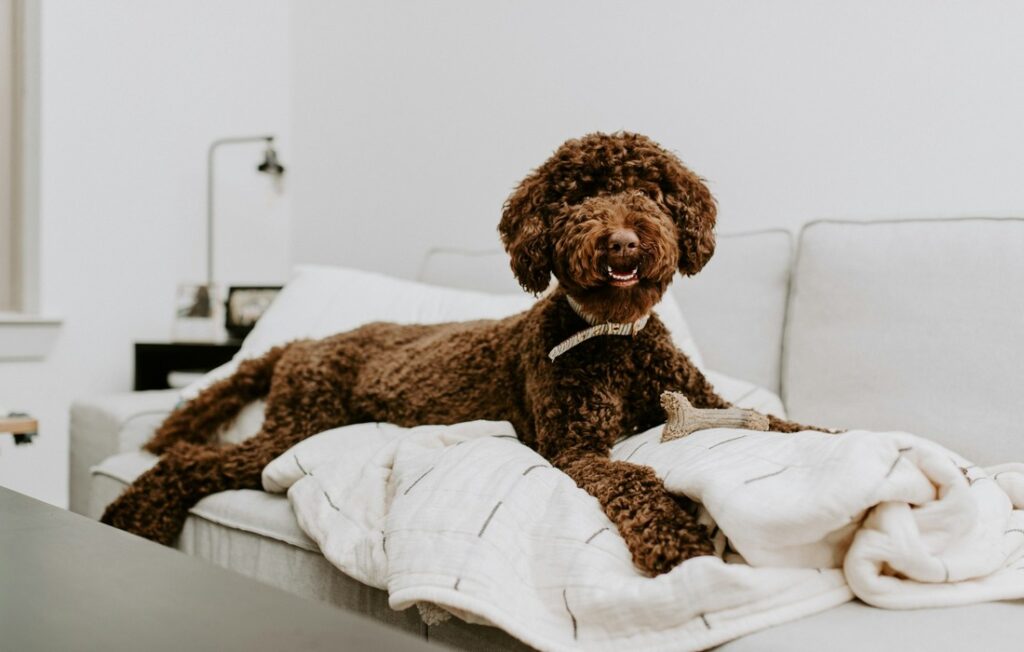
Labradoodles and Goldendoodles are incredibly popular among hypoallergenic dog breeds, and it’s easy to see why. These crossbreeds combine the non-shedding qualities of Poodles with the playful temperament of Labrador Retrievers or Golden Retrievers. However, whether a Doodle is truly hypoallergenic depends on their genetics, as not all inherit the Poodle’s allergen-friendly coat.
Labradoodles and Goldendoodles are adaptable to family life, often excelling as therapy or service dogs due to their gentle demeanor and intelligence. Plus, their wavy or curly coats help trap allergens instead of releasing them into the air. Grooming is essential to their health and comfort, typically including regular brushing and trims.
Irish Water Spaniel
With their unique, tightly curled coat, the Irish Water Spaniel is often referred to as a hypoallergenic marvel. This breed requires consistent grooming to maintain its coat, which doesn’t shed often but can mat easily if neglected. Their quirky curls are practical too, as they’re water-resistant and provide great insulation.
As one of the most high-spirited hypoallergenic breeds, they need ample physical and mental stimulation to avoid boredom. Their love for swimming makes them another excellent choice for outdoor enthusiasts.
Afghan Hound
The stunning Afghan Hound is the supermodel of hypoallergenic breeds, boasting a luxurious, silky coat. While their elegant appearance suggests high maintenance (and yes, they do require meticulous grooming), their coat produces less dander compared to other long-haired breeds, which makes them a surprising option for allergy sufferers.
Afghans are independent and reserved, yet incredibly loyal to their families. They require regular brushing and occasional professional grooming to keep their fur healthy and tangle-free. While they’re not the most energetic breed, they benefit from daily walks and mental stimulation.
Each of these breeds offers a unique combination of traits, making them ideal for allergy sufferers with active, spacious households. By investing in proper grooming and understanding their specific needs, you can enjoy the companionship of a hypoallergenic dog without the sneezing fits.
Unique and Lesser-Known Hypoallergenic Dog Breeds
When it comes to hypoallergenic dog breeds, most people think of popular choices like Poodles or Bichon Frises. However, if you’re looking for a more unique companion that stands out from the crowd (and keeps your allergies in check), there are plenty of fascinating options. These breeds have distinct features and histories that make them both allergy-friendly and extraordinary.
Peruvian Inca Orchid
The Peruvian Inca Orchid might sound like the name of an exotic plant, but it’s actually a remarkably elegant sighthound. Found in both hairless and coated varieties, this breed is a unique choice for anyone with allergies. The hairless type has little to no fur, meaning minimal dander and shedding in your home. While the coated version does have fur, it still produces fewer allergenic proteins compared to other dogs.
Aside from being hypoallergenic, Peruvian Inca Orchids are known for their agility and loyalty. They thrive best in warm climates due to their sensitive skin and require regular skin care to avoid dryness or sunburn. If you’re looking for a hypoallergenic breed with a regal presence, this might be your perfect match.
Xoloitzcuintli (Mexican Hairless)
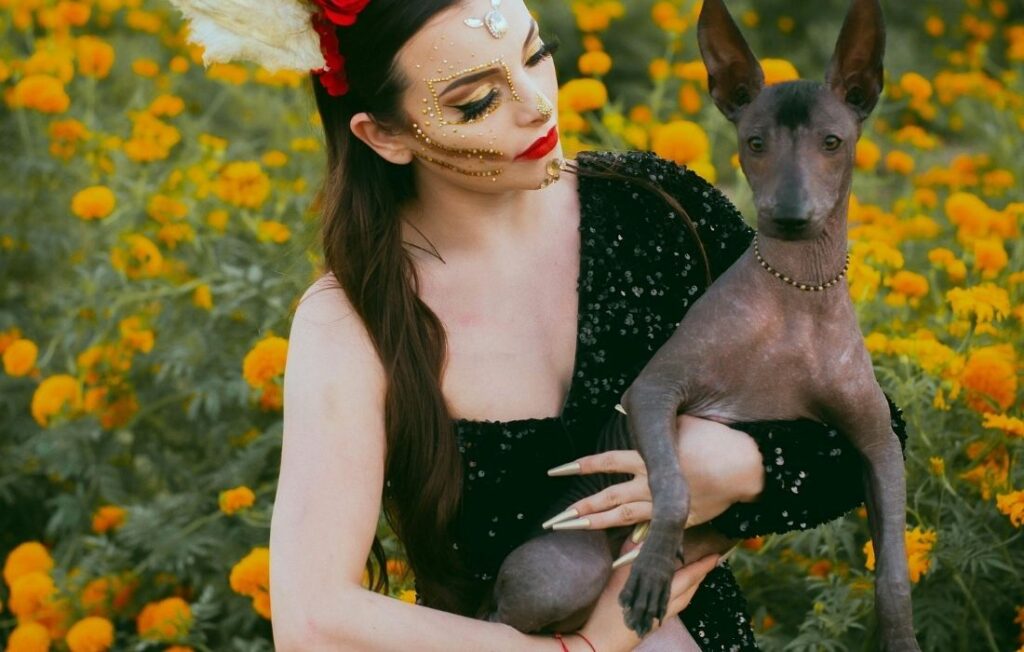
The Xoloitzcuintli, or Xolo for short, is an ancient breed that dates back over 3,000 years to the Aztec civilization. Often referred to as the “Mexican Hairless,” this breed comes in three sizes (toy, miniature, and standard) and two varieties (hairless and coated). For allergy sufferers, the hairless variety is the preferred choice as it’s practically free of shedding and dander, making Xolos a top hypoallergenic pick.
Despite their minimal grooming needs, they do require occasional baths to maintain skin health and prevent dryness. Xolos are intelligent dogs with a calm demeanor, though they have a playful side that families will enjoy.
Lagotto Romagnolo
The quirky and lovable Lagotto Romagnolo stands out with its wool-like, curly coat that minimizes shedding and dander. Hailing from the Italian region of Romagna, these dogs were originally bred for truffle hunting, which explains their highly developed sense of smell and strong work ethic.
Their dense, hypoallergenic coat not only protects them in harsh weather but also keeps allergens to a minimum. Regular grooming is necessary to prevent matting, but the Lagotto’s low shedding makes it an excellent option for allergy-prone dog owners. Active, trainable, and great with families, they’re a hidden gem among hypoallergenic breeds.
Soft Coated Wheaten Terrier
Looking for a friendly, hypoallergenic dog with a soft, silky coat? The Soft Coated Wheaten Terrier might be just what you need. Their unique wheaten-colored coat is low-shedding but does require regular grooming to avoid tangles and mats.
Wheatens are known for their cheerful and outgoing nature, making them fantastic companions for families with children. They’re energetic, but also loving and adaptable, fitting well into various living environments. If you’re an allergy sufferer searching for an extroverted pup that’s easy on the sneezes, this breed might be your match.
Bedlington Terrier
With its lamb-like appearance, the Bedlington Terrier is a charming and unique hypoallergenic breed. Their tightly curled, wool-like coat is more similar to sheep fleece than traditional dog fur, which means minimal shedding and fewer allergens in the home.
Bedlingtons are gentle and affectionate house pets, often described as having a laid-back yet alert temperament. They’re relatively quiet compared to other terriers, but their playful energy makes them excellent companions for active families. Being allergy-friendly, lovable, and strikingly unique, the Bedlington Terrier is truly one of a kind.
These lesser-known hypoallergenic breeds bring something exceptional to the table. Whether you’re looking for a loyal sighthound, an ancient hairless companion, or a wooly truffle hunter, there’s a perfect match out there waiting for you, even if you’re prone to allergies.
Final Thoughts
The right hypoallergenic dog breed can make a world of difference for allergy sufferers who dream of owning a furry companion. From low-shedding coats to reduced dander production, these breeds offer practical solutions for maintaining a comfortable, sneeze-free home.
Owning a hypoallergenic dog isn’t just about selecting the right breed, it’s about committing to regular grooming and creating an allergy-friendly environment. With a little care and the perfect match for your lifestyle, you can enjoy all the joy a dog brings without the extra tissues.
If you’re ready to find your ideal allergy-friendly pet, there’s truly a breed for every home and personality. Which hypoallergenic dog feels like the perfect fit for you? Let’s keep the conversation going, share your thoughts or experiences below!



Be the first to leave a comment