


Do Labradoodles Shed? A Dog Mom’s Practical Guide
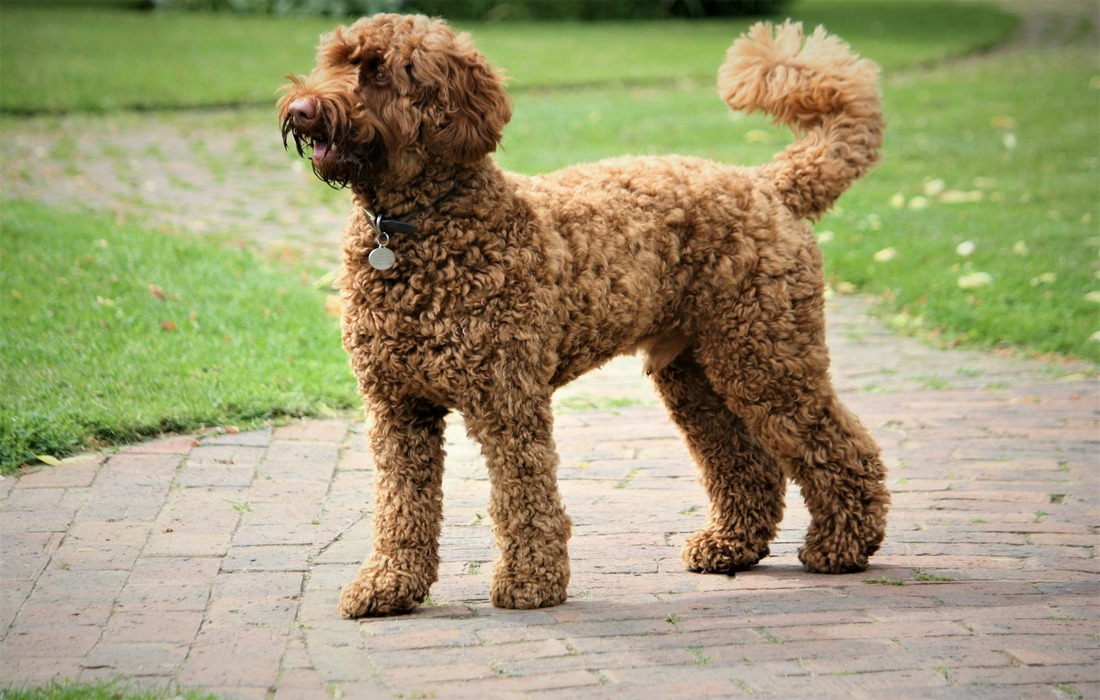
Lots of people wonder if Labradoodles shed. They’re often advertised as dogs that don’t, but that’s not always true. Actually, around 75% of first-generation Labradoodles do shed. So, if you’re allergic, these dogs might not be perfect.
How much your dog sheds really depends on whether it takes after its Poodle or Labrador parent. Some Labradoodles shed very little, mostly the ones with fleece or wool coats that have been bred for a few generations. Others need more grooming to keep the shedding under control.
This guide will help you figure out how much your Labradoodle sheds and set up a good grooming plan. You’ll learn how to care for your dog’s coat and keep your house clean, whether you already own one or are planning to get one.
Understanding Labradoodle Shedding
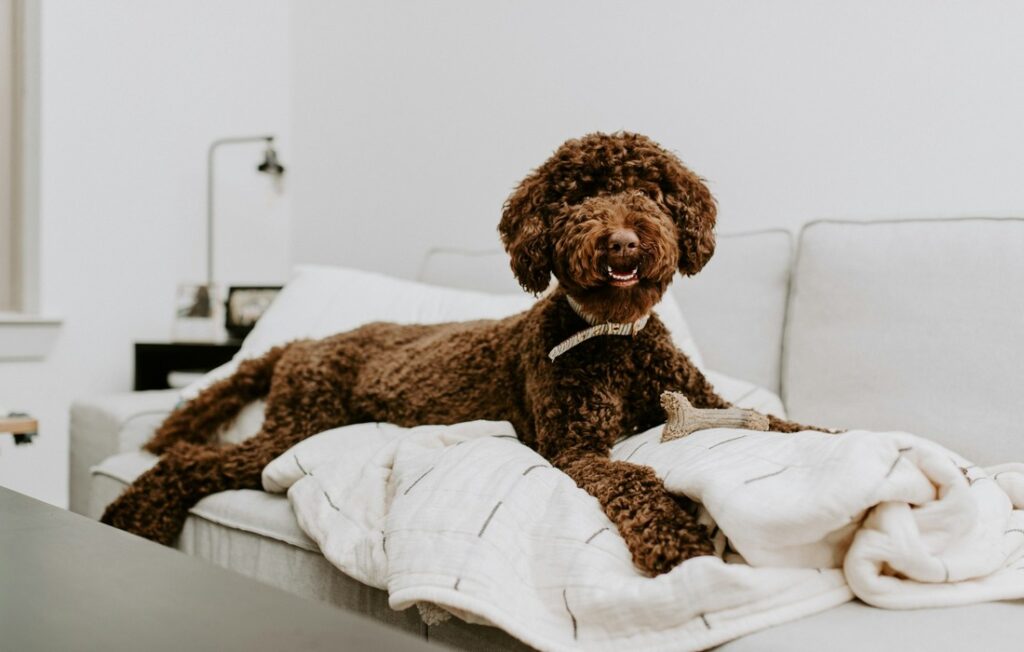
Your Labradoodle’s shedding patterns come down to genetics. The puppies inherit different coat characteristics from both parents at the time a Labrador Retriever breeds with a Poodle. On top of that, it depends on factors like age, season, and your dog’s overall health.
What Affects Shedding
Your Labradoodle’s generation plays a key role in how much they shed. First-generation (F1) Labradoodles show moderate shedding patterns because they get equal traits from both parents. F1B Labradoodles tend to shed less since they’re 75% Poodle and 25% Labrador, which gives them stronger Poodle genetics.
Different coat types and shedding patterns
Labradoodles have three distinct coat types, each with its own shedding characteristics:
- Wool Coat: Dense and curly, like in Poodles, with minimal shedding
- Fleece Coat: Soft with loose waves that rarely shed but need regular maintenance
- Hair Coat: Straight or slightly wavy that tends to shed more
Common Misunderstandings
Many people believe all Labradoodles never shed – that’s a myth. Studies suggest that about 89% of first-generation Labradoodles have a hair coat that sheds. Even Labradoodles with fleece or wool coats might lose some hair between seasons.
The word “hypoallergenic” often misleads people. It doesn’t mean zero shedding – just fewer allergens. We now know that allergic reactions mostly come from dander (dead skin cells), not the fur itself.
Grooming Tools and How-To’s
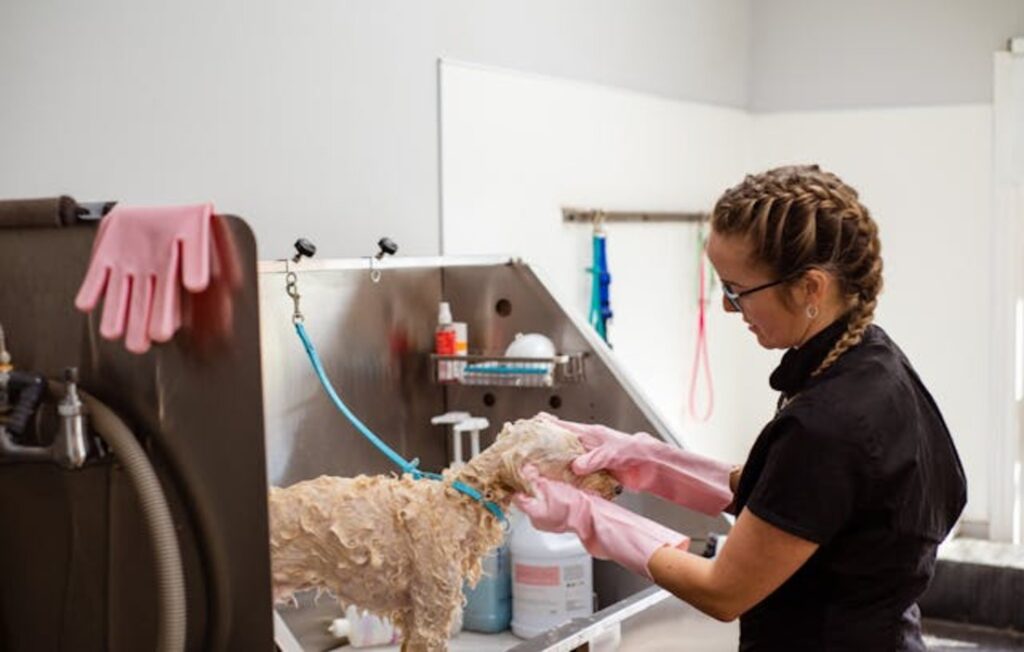
Your Labradoodle’s coat care depends on using the right grooming tools and techniques. A good grooming routine will give you control over shedding and prevent matting problems.
Brushes and Combs You’ll Need
You need the right tools to become skilled at grooming. Here are the basics you’ll need:
- Slicker brush: Perfect for curly and fleece coats
- Steel comb: Ideal for detangling and checking for missed spots
- Pin brush: Best suited for straight or wavy coats
- Dematting tool: Helps with stubborn knots
- Blunt-tipped scissors: Needed for facial grooming
Brushing techniques
Start by parting the hair and brush from the coat’s base in small sections. Hold the skin taught to avoid discomfort, especially when you have knots to deal with. Areas behind the ears, under the collar, and around the armpits need extra attention because they mat easily.
Dogs with longer coats need line brushing – start at the skin and work outward, section by section. This technique will give a complete coverage and helps avoid missed spots that could mat later.
Professional vs at-home grooming
A professional grooming session costs between $45 and $75. Your Labradoodle should visit a professional groomer every 6-8 weeks, but regular brushing between visits is important. More than that, professional groomers help with nail trimming, ear cleaning, and proper coat trimming.
You should brush your dog 2-3 times weekly for home maintenance. Shorter coats are easier to manage at home, while longer coats need more frequent professional care.
Managing Seasonal Shedding Cycles
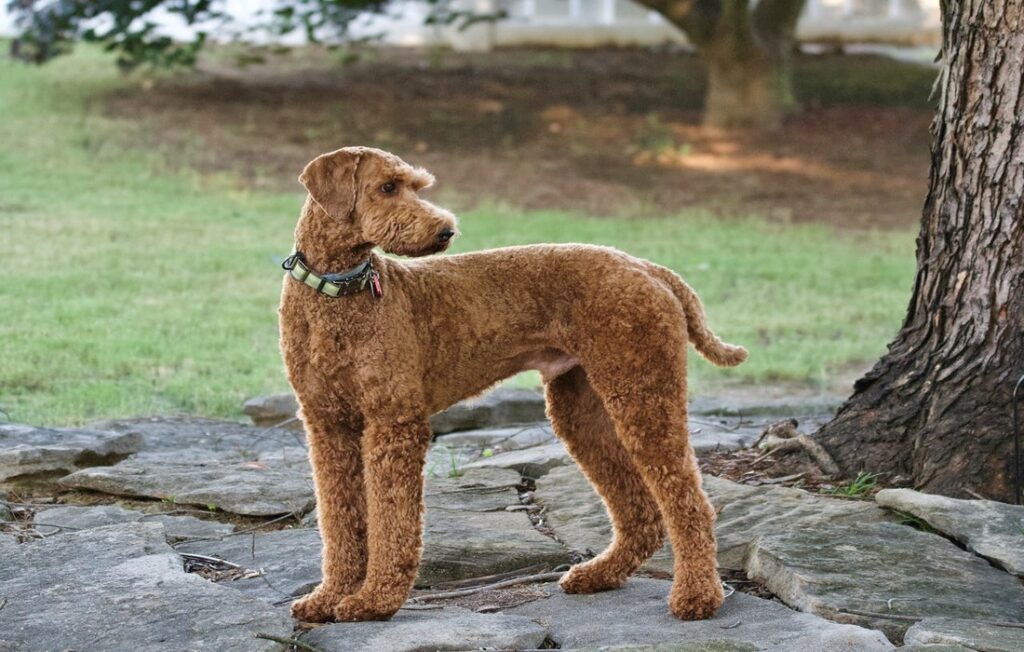
Seasonal changes affect your Labradoodle’s shedding patterns. These intelligent dogs adjust their coats naturally throughout the year as temperatures and daylight conditions change.
Spring and fall shedding patterns
Spring triggers increased shedding as Labradoodles lose their dense winter coats. Loose hair “blows out” from their undercoats during this time. These dogs develop a thicker coat to prepare for winter, which leads to more shedding in fall.
Adjusting grooming routines seasonally
Your dog’s grooming needs change significantly between summer and winter. During warmer months:
- Keep the coat shorter to help cooling
- Brush more often to manage loose undercoat
- Use leave-in conditioner to protect from sun
- Remove debris after outdoor activities
Let the coat grow slightly longer in winter to provide warmth. You should focus on preventing matting from winter clothing and use moisturizing products to curb dry skin and static electricity.
Environmental factors affecting shedding
Living in urban areas and indoor environments can change shedding patterns. Air pollutants, tobacco smoke exposure, and high indoor cleanliness levels might cause more shedding. Dogs that spend more time outdoors in natural environments tend to have fewer shedding problems.
Your dog’s stress and allergies can trigger unusual shedding. Even simple grass allergies might cause seasonal hair loss. Regular health checks help determine if environmental factors cause excessive shedding beyond normal seasonal changes.
Proven Solutions to Minimize Shedding
A balanced diet with proper nutrition builds the foundations of a healthy coat for Labradoodles. Your dog’s excessive shedding can decrease dramatically with the right nutritional intake.
Dietary considerations for coat health
Quality dog food should contain at least 18% protein and 5% fat. This balance helps your Labradoodle’s coat stay strong and shiny. These nutrients play significant roles in coat health:
- Essential fatty acids: Omega-3 and omega-6 supplements make the coat glossy and reduce skin scaling
- Vitamin B complex: Your dog gets this from organ meats and fish that support healthy skin and reduce stress
- Zinc: This mineral makes the coat glossy and minimizes scaling
- Protein: Sulfur-containing amino acids help hair growth and prevent brittle fur
Effective cleaning and maintenance routines
Regular cleaning routines help minimize shedding along with good nutrition. We brushed our Labradoodle’s coat two to three times weekly. All the same, don’t over-bathe your dog as this removes natural oils – bathe every 4-6 weeks instead.
Your dog needs professional grooming every 6-8 weeks to keep the coat in top condition. Watch areas where matting happens throughout the year, especially behind the ears, under the collar, and at the leg tops.
Products that help reduce shedding
The right products make a big difference in managing your Labradoodle’s shedding. Pick gentle, hypoallergenic shampoos made for sensitive skin. A detangling spray before brushing prevents coat damage during daily maintenance.
Coconut oil works wonders against excessive shedding. It moisturizes the skin and helps it heal. Fish oil supplements can improve coat health too, but asking your vet before starting supplements is vital.
Check your Labradoodle’s skin during grooming sessions to spot problems early. Unusual shedding patterns might need a vet’s attention to rule out why it happens.
FAQs
Q1. Do all Labradoodles shed? While they’re usually advertised as dogs that don’t shed, it really varies. Some, mostly those with fleece or wool coats bred over a few generations, might shed hardly at all. But others, especially first-generation Labradoodles, can shed either a little or a lot.
Q2. How can I manage my Labradoodle’s shedding? Regular grooming is key to managing shedding. Brush your Labradoodle 2-3 times a week, use appropriate grooming tools for their coat type, and consider professional grooming every 6-8 weeks. Additionally, maintaining a healthy diet rich in essential fatty acids can promote coat health and potentially reduce shedding.
Q3. Are Labradoodles hypoallergenic? The term “hypoallergenic” is often misunderstood. While some Labradoodles may produce fewer allergens, no dog is completely hypoallergenic. Allergic reactions are primarily triggered by dander (dead skin cells) rather than fur itself. The amount of allergens produced can vary between individual dogs.
Q4. How does seasonal shedding affect Labradoodles? Like many dogs, Labradoodles may experience increased shedding during spring and fall as they transition between their winter and summer coats. During these times, you may need to increase grooming frequency to manage loose hair effectively.
Q5. What factors influence a Labradoodle’s shedding levels? Several factors can affect shedding, including genetics, coat type, age, overall health, and environmental factors. Labradoodles with more Poodle-like coats tend to shed less, while those with coats more similar to Labradors may shed more. Proper nutrition, regular grooming, and good overall health can help minimize excessive shedding.
Final Thoughts
How much your Labradoodle sheds can really impact how clean your house is and how healthy your pet is. They’re not completely non-shedding like some ads say, but good care can really help manage their coat. Using the right stuff can control loose fur. Your Labradoodle’s coat changes with the seasons, but a good diet and grooming can reduce shedding all year long.
A Labradoodle’s coat is all about their genes. Once you know this and have good grooming techniques, their shedding just becomes another thing you handle as a pet owner instead of this big scary thing.


Be the first to leave a comment