


All You Need to Know About the American Bully
The American Bully is one of the most misunderstood breeds in the dog world. However, it’s also one of the most loving. This powerful yet gentle dog comes from a mix of American Staffordshire Terriers, American Pit Bull Terriers, and various bulldog breeds. As a result, it has quickly become popular for its unique blend of strength, loyalty, and family-friendly nature.
Breeders developed this breed in the late 20th century in the United States. Their goal was simple: create a muscular, confident, and loving family companion. While people often confuse them with other bully breeds, the American Bully stands apart. In fact, they’re known for their calm attitude, well-built body, and incredible affection toward humans.
Different Types of American Bullies
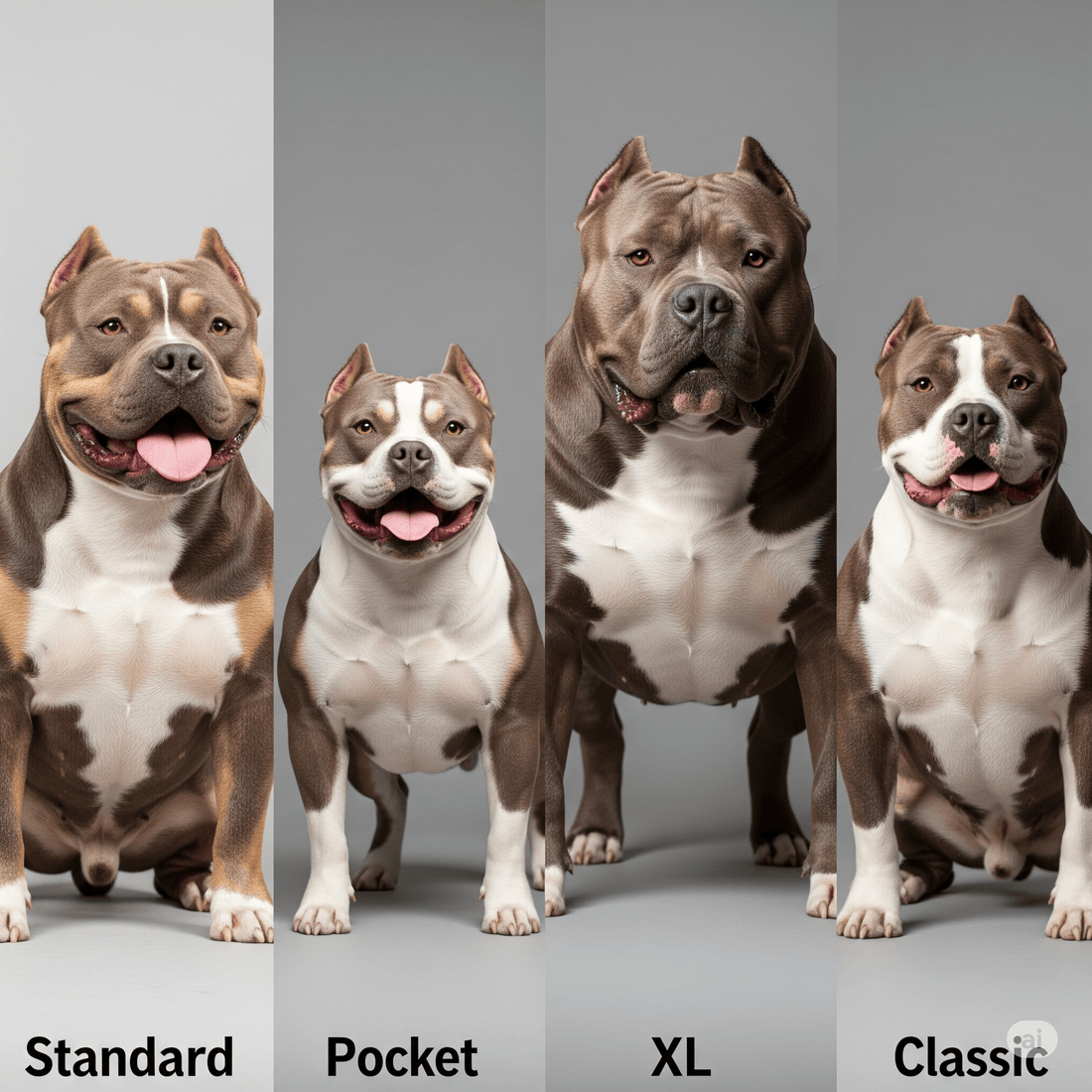
First, let’s talk about the different types. Understanding these varieties is key when choosing the right one for your lifestyle.
Standard American Bully
This is the most common type. They’re known for their medium build, muscular structure, and broad chest.
Pocket American Bully
Next, we have the Pocket variety. It’s a smaller version of the Standard, but it keeps the same muscle mass. However, it’s more compact. Therefore, it’s perfect for apartment living.
XL American Bully
As the name suggests, this type is larger and heavier. Because of their size, XL Bullies need more space and physical activity.
Classic American Bully
Finally, there’s the Classic. It’s similar in size to the Standard. However, it has a lighter frame and less exaggerated muscular features.
What They Look Like
The American Bully has a bold, intimidating appearance. Surprisingly, this contrasts sharply with their gentle nature.
Body Structure: They have a broad chest, strong shoulders, and a short, stocky frame.
Size and Weight: This varies by type. For example, Pocket types can weigh 30–50 lbs. Meanwhile, XL Bullies may exceed 120 lbs.
Coat: They have a short, smooth coat. Additionally, they come in many colors like blue, fawn, brindle, and merle.
Temperament and Personality
Here’s what’s important to understand: the American Bully is a perfect example of a dog whose looks don’t match its personality. Despite their robust and sometimes intimidating appearance, they are incredibly emotional and empathetic dogs. In fact, many owners describe them as “velcro dogs” because they always want to be near their humans.
They’re particularly known for being:
Emotionally Smart: American Bullies can sense your mood. Moreover, they often try to comfort you when you’re down.
Protective but Not Reactive: They’ll alert you to strangers. However, they rarely bark too much or act out unless someone provokes them.
Funny and Playful: They love clowning around. Furthermore, they often do silly things to grab your attention or make you laugh.
Because of these qualities, they make excellent therapy and support dogs. This is especially true for people dealing with anxiety or PTSD.
Common Misconceptions
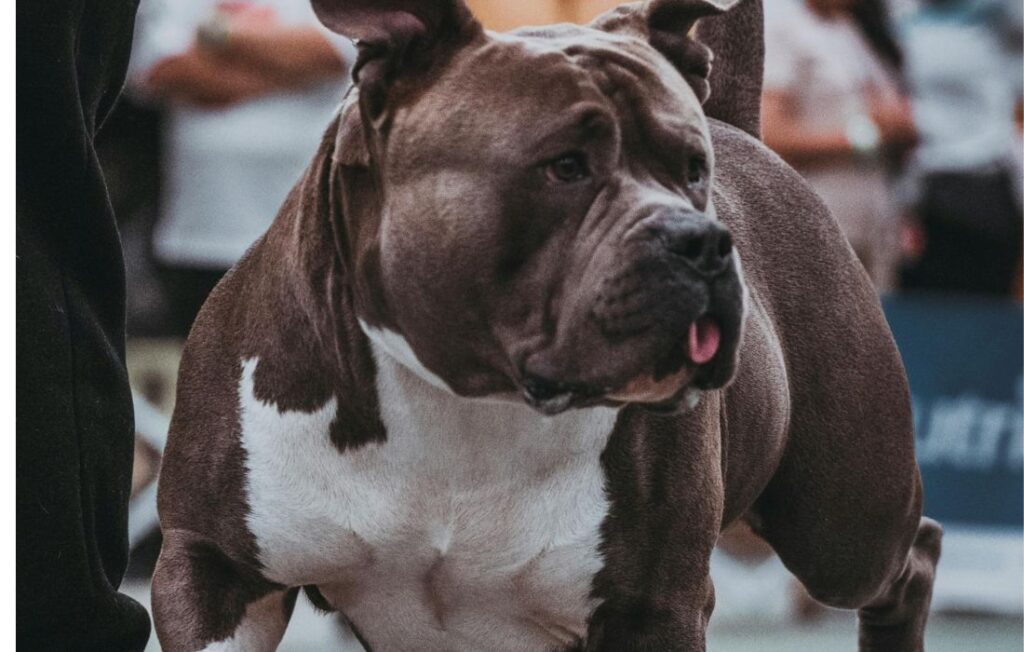
Unfortunately, people often mistake American Bullies for Pit Bulls. As a result, they face unfair judgment.
Confusion with Pit Bulls: Although they share ancestry, American Bullies are different in structure and temperament.
Myths About Aggression: Aggression is not a breed trait. Instead, poor ownership and lack of training are usually the real problems.
Training Your American Bully
Training a Bully requires consistency and patience. However, they are smart and eager to please. Therefore, training can be very rewarding.
Here’s a simple step-by-step training schedule:
8–12 Weeks: Start with name recognition, crate training, and basic commands like sit and stay.
3–6 Months: Next, work on leash manners, socializing with people and animals, and reinforcing housebreaking.
6–12 Months: Then, move to intermediate obedience (heel, leave it, drop it) and introduce off-leash recall.
1+ Year: Finally, focus on advanced obedience, agility or protection training (if desired), and distraction-proofing commands.
Tips for Better Results:
First, use positive reinforcement like treats and praise.
Second, keep sessions short and consistent (10–15 minutes, 2–3 times daily).
Third, avoid harsh punishment because it can lead to fear-based behaviors.
Most importantly, early socialization is key. Bring your Bully to parks, dog-friendly stores, or obedience classes. This way, they’ll grow into well-rounded adults.
Exercise and Activity Needs
These dogs need a balanced routine to stay healthy and happy.
Daily Physical Activities: They need at least 30–60 minutes of walking, running, or playtime.
Mental Stimulation: Additionally, puzzle toys and obedience drills prevent boredom.
Indoor vs Outdoor Play: They enjoy both. However, they need space for physical expression.
What to Feed Your American Bully
Nutrition affects their health, weight, and coat condition.
Nutritional Needs by Age: Puppies need high-protein food. Meanwhile, adults need balanced nutrients.
Recommended Foods: Consider premium kibble, raw diet (with vet approval), or omega-3-rich treats.
Foods to Avoid: Never give them chocolate, grapes, garlic, or over-processed commercial brands.
Health Concerns and Genetic Issues

Like any breed, the American Bully has some health considerations.
Common Health Problems: These include hip dysplasia, skin allergies, and heart conditions.
Lifespan: They typically live 10–13 years with proper care.
Preventive Care: Regular vet visits, vaccinations, and joint supplements help keep them healthy.
Grooming and Maintenance
Despite their short coat, American Bullies still need regular grooming. This helps maintain their health and appearance.
Coat Brushing: Use a soft-bristle brush once or twice a week. This removes dead hair and promotes a healthy shine.
Bathing: Bathe them once a month or as needed. This is especially important if they play outside frequently.
Nail, Ear, and Dental Care: Trim nails every 2-3 weeks. Also, clean ears weekly to avoid infections. Finally, brush teeth 2-3 times a week to maintain oral health.
Additionally, regular grooming gives owners the chance to check for skin problems or parasites early on.
Living Environment and Adaptability
American Bullies are more adaptable than they appear. In fact, they can thrive in various living situations with the right care.
Apartment Living: Yes, even larger types like the Standard can live in apartments. However, they need sufficient exercise.
Space Requirements: Ideally, they benefit from a fenced yard. Nevertheless, a committed owner can substitute with daily walks and park time.
Climate Suitability: They do better in moderate climates. Their short coat offers little protection from extreme heat or cold.
As long as they get their exercise and feel part of the family, they adapt well to most environments.
Breeding and Ethical Considerations

With the breed’s growing popularity, ethical breeding has become more important than ever.
Responsible Breeding Practices: Ethical breeders focus on health, temperament, and breed standards. They don’t just focus on appearance.
Avoiding Puppy Mills: Always request health certificates. Also, meet the parents if possible. Furthermore, avoid breeders who sell multiple breeds or seem too commercial.
Importance of Spay/Neuter: Unless you’re breeding responsibly, spaying or neutering helps avoid overpopulation.
Supporting ethical breeding helps preserve the quality and health of the American Bully breed.
Cost of Owning an American Bully
Owning a dog is a commitment. The American Bully comes with its own set of financial responsibilities.
Initial Costs: Buying from a reputable breeder can range from $2,000 to $10,000. This depends on the bloodline.
Monthly Expenses: Food, grooming, vet visits, and toys can cost around $100–$300 per month.
Vet and Emergency Costs: Annual checkups average $200–$500. However, emergencies can cost $1,000 or more. Therefore, insurance or a pet emergency fund is a good idea.
Proper budgeting ensures your Bully receives consistent care and attention.
Choosing a Reputable Breeder or Rescue
Finding the right source is the first step to responsible ownership.
Red Flags to Avoid: Watch out for no health guarantees, unwillingness to show parents, and dirty or overcrowded facilities.
Questions to Ask: Ask about health screenings, socialization, and previous litters.
Adoption Benefits: Many American Bullies in shelters need homes. Furthermore, adoption is often more affordable and equally rewarding.
Consider adopting before shopping. It’s a compassionate option and can save a life.
American Bully in Popular Culture

The American Bully has earned a growing fan base in media and celebrity circles.
Social Media Fame: Instagram and TikTok are filled with famous Bullies showcasing their playful side.
Celebrity Owners: Stars like Floyd Mayweather and Drake have owned Bullies. As a result, they’ve elevated the breed’s profile.
Media Appearances: They’ve been featured in music videos, TV commercials, and even documentaries about misunderstood breeds.
Their popularity helps shift the narrative from aggression to affection.
Legal Issues and Breed-Specific Legislation
Sadly, breed-specific laws (BSL) still impact where and how people can own Bullies.
Restricted Areas: Some cities or countries restrict or ban ownership of Bully-type breeds.
Legal Requirements: Muzzle laws, registration, and liability insurance may be necessary in some regions.
Breed Advocacy: Organizations like the United Kennel Club (UKC) work to protect breed rights. They also work to change legislation through education.
Prospective owners should research local laws before adopting or buying an American Bully.
Frequently Asked Questions
Are American Bullies aggressive?
No, not naturally. When properly socialized and trained, they are gentle, loyal, and affectionate pets.
How much exercise does an American Bully need daily?
Most need at least 30–60 minutes of exercise per day. However, this depends on their size and energy level.
Do American Bullies get along with other pets?
Yes, especially if introduced early and properly socialized. They can live peacefully with other dogs and even cats.
Is the American Bully good with kids?
Absolutely. Their patient and playful nature makes them great companions for children.
How long do American Bullies live?
With proper care, their lifespan ranges between 10–13 years.
Do American Bullies drool a lot?
Not excessively. While some individuals may drool after eating or drinking, it’s not a common breed trait.
Are American Bullies Same As Pitbulls?
No, they’re different breeds! While American Bullies share some ancestry with Pitbulls, they were developed in the 1990s to be calmer family companions.
Key differences:
- Build: Bullies are stockier and more muscular; Pitbulls are leaner and more athletic
- Personality: Bullies tend to be more laid-back; Pitbulls are typically higher energy
- Purpose: Bullies were bred specifically as companion dogs
Think of it like cousins in the same family tree – related but with their own distinct personalities and looks!
Final Thoughts
The American Bully is more than just a muscular, impressive-looking dog. Instead, it’s a loving, family-oriented companion with a heart as big as its frame. With the right training, environment, and care, Bullies make loyal pets that are as affectionate as they are strong.
If you’re looking for a loyal protector who doubles as a couch buddy, the American Bully might just be your perfect match. Just remember—owning one means committing to a lifetime of care, love, and responsible ownership.




Be the first to leave a comment