Does your morning walk feel more like a tug-of-war match than a relaxing stroll? You are not alone. Millions of dog owners struggle with leash pulling every single day. Your arm hurts, your dog is coughing from pulling too hard, and neither of you is having fun.
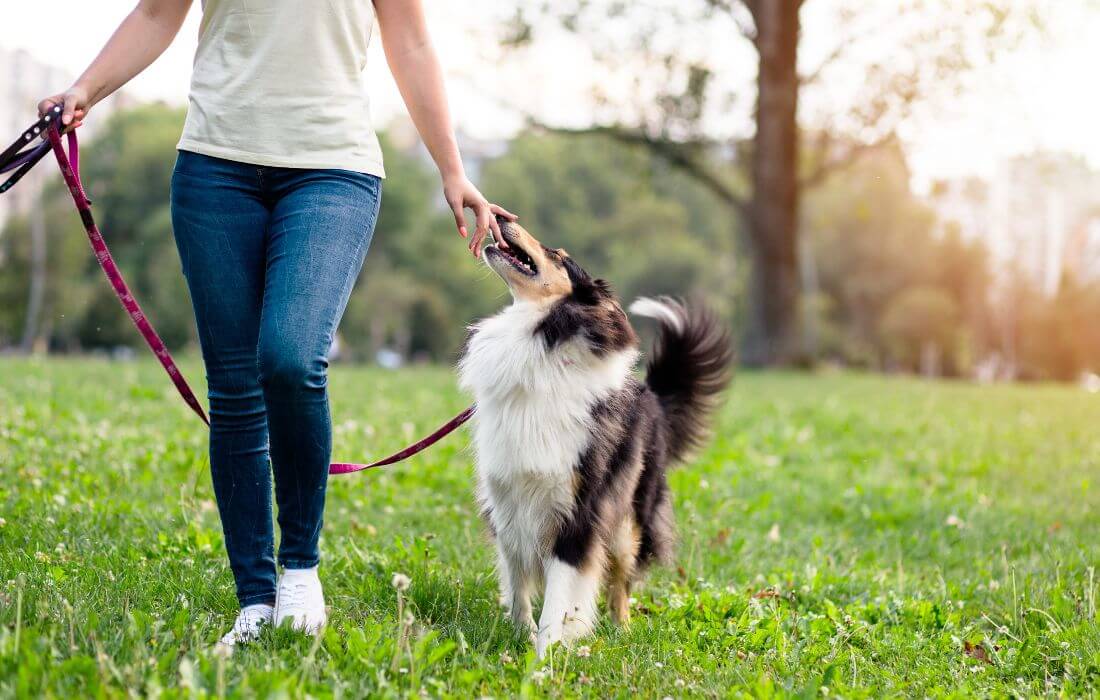
Here is the good news: Loose leash walking made easy is not a myth. You really can train your dog in 7 days to walk calmly by your side without choking, yanking, or yelling.
The secret? Stop blaming your dog, pulling is normal dog behavior. In fact, dogs naturally pull against pressure, it is called the opposition reflex. Your job is not to fight that reflex but to teach a better choice.
In this guide, you will learn exactly how to stop dog pulling on leash using gentle, science-based methods. Each day builds on the last, and you only need 10 to 15 minutes twice a day. No shock collars, no prong collars, just clear communication and rewards.
Let us turn your daily walk into the best part of your day.
Why Dogs Pull on the Leash
Before we jump into the training exercises, it is important to understand why your dog pulls in the first place. Understanding the root cause of the behavior makes it much easier to address it with patience and empathy.
Why Pulling Forward Feels Natural to Dogs
Dogs and humans simply do not walk at the same pace. A dog’s natural walking speed is significantly faster than a human’s casual stroll. Furthermore, dogs experience the world primarily through their noses and eyes. When a dog smells a fascinating scent or sees an interesting squirrel, their instinct is to investigate immediately.
When a dog is attached to a leash, they often experience something called the opposition reflex. This is a natural physical reaction where an animal pushes or pulls against pressure. If you pull back on the leash, your dog’s instinct is to pull forward even harder to maintain their balance and continue moving toward their goal.
Your dog is not trying to be stubborn or dominant. Their body is literally telling them to pull when the leash gets tight.
The Power of Positive Reinforcement in Dog Training
When teaching dog leash manners, positive reinforcement is the most effective and humane method available. Positive reinforcement means rewarding your dog for the behaviors you want to see, which encourages them to repeat those behaviors in the future.
Older, outdated training methods often relied on punishment, such as jerking the leash or using painful collars. These methods can damage the trust between you and your dog, and they often increase anxiety or leash reactivity.
In contrast, reward-based training builds a strong, cooperative relationship. When your dog realizes that keeping the leash slack earns them delicious treats, praise, and forward movement, they will eagerly choose to walk politely. This method is not only kinder, but it also creates long-lasting behavioral changes.
Essential Gear for Loose Leash Walking Success
You cannot build a house without the right tools, and you cannot achieve loose leash walking success without the proper gear. The right equipment sets your dog up for success and makes the training process much smoother for both of you.
Choosing the Right Harness or Collar to Stop Pulling
The type of gear you use can make or break your training efforts. For dogs that pull, a standard back-clip collar or harness can actually encourage pulling because it allows the dog to use their full body weight to forge ahead.
Instead, consider investing in a front-clip no-pull harness. When a dog pulls against a front-clip harness, the attachment point on their chest gently redirects their momentum sideways, naturally turning them back toward you without causing any pain or choking. Another excellent option for strong pullers is a head halter, which guides the dog’s head much like a horse’s bridle.
Regardless of the harness or collar you choose, you must avoid retractable leashes during training. Retractable leashes constantly teach the dog that pulling extends their reach and rewards them with more freedom. This is the exact opposite of what we are trying to achieve.
The Importance of High-Value Treats and a Standard 6-Foot Leash
Communication is key in dog training, and a standard 6-foot nylon or bitothane leash provides the perfect amount of slack for clear communication. It is long enough to give your dog some freedom to sniff, but short enough that you can easily manage their movements and prevent them from building up momentum. Nylon or leather leashes are ideal because they are durable and easy to hold.
Equally important are high-value dog treats. Your dog’s regular kibble might not be exciting enough to compete with the smell of a nearby squirrel or another dog. You need treats that your dog absolutely loves. Boiled chicken, small pieces of cheese, hot dogs, or commercial soft training treats work wonderfully. Keep these treats in a convenient pouch on your waist so you can reward your dog instantly the moment they give you attention or create slack in the leash.
7-Day Loose Leash Walking Training Plan
Now that you have the right mindset and the right gear, it is time to begin the 7-day dog walking training plan. Consistency is your best friend here. Try to practice for 10 to 15 minutes each day. Short, frequent sessions are much more effective than one long, exhausting session.
Days 1 and 2: Mastering Indoor Focus and the “Watch Me” Command
We always start training in an environment with zero distractions. Your living room or hallway is the perfect classroom. The goal for the first two days is to teach your dog that being near you with a slack leash is highly rewarding.
Clip the 6-foot leash to your dog’s front-clip harness. Stand still and hold a high-value treat near your face. When your dog looks up at your eyes, say “Yes!” or use a clicker, and immediately give them the treat. This is the foundation of the “Watch Me” command.
Next, take one single step forward. If your dog walks with you and the leash remains loose, immediately stop, praise them, and give them a treat. If the leash gets tight, stop moving entirely. Wait for your dog to look back at you or take a step back to create slack.
The moment the leash is loose, reward them and try again. Repeat this process, gradually increasing the number of steps you take before rewarding. By the end of day two, your dog should understand that staying close to you with a loose leash is the key to getting rewards.
Days 3 and 4: The “Be a Tree” Method in Low-Distraction Zones
Once your dog has mastered the basics indoors, it is time to move to a slightly more challenging environment. Choose a quiet backyard, an empty driveway, or a very quiet cul-de-sac.
Introduce the “Be a Tree” method. This is a highly effective technique to stop dog pulling on the leash. The rule is simple: pulling makes the walk stop, while a loose leash makes the walk continue.
Begin walking with your dog. The moment you feel tension on the leash, stop immediately. Plant your feet firmly and become as still as a tree. Do not pull back, yell, or jerk the leash. Simply wait. Your dog will eventually realize that pulling is not getting them anywhere. They may sniff the ground, look around, or eventually turn back to look at you. The exact second the leash goes slack, say “Yes!”, offer a treat, and resume walking.
You may have to stop frequently at first. This requires patience. However, your dog will quickly learn the correlation between a tight leash and a halted journey, and a loose leash and forward movement. For a more detailed explanation check this video below from “dogfluence”
Days 5 and 6: Practicing the “Heel” Command on Quiet Streets
Now we increase the difficulty by moving to a quiet neighborhood street. There will be more smells and sounds, so keep your high-value treats ready.
During these days, we will introduce a formal “Heel” or “Let’s Go” cue. Start walking. If your dog begins to forge ahead and the leash tightens, do not just stop. Instead, calmly say “Let’s Go” and execute a 180-degree U-turn. Walk in the opposite direction.
Your dog will likely be surprised by the sudden change in direction and will have to trot to catch up with you. As soon as they catch up and the leash is slack, enthusiastically praise them and give them a treat. Continue walking in this new direction. If they pull again, do another U-turn.
This U-turn method teaches the dog that they need to pay attention to your movements. It also prevents them from practicing the bad habit of pulling forward. By varying your direction, you keep your dog engaged and guessing, which naturally encourages them to stay close to your side.
Day 7: Real-World Walks and Maintaining Loose Leash Manners
Congratulations on making it to day seven! Today, you will take a standard neighborhood walk. However, you must go into this walk with realistic expectations. Your dog is still learning, and the real world is full of exciting distractions.
Stick to the rules you have practiced all week. Use the “Be a Tree” method when they pull, and use the U-turn method if they forge ahead. Reward heavily for any moment your dog voluntarily checks in with you or walks with a slack leash.
You might experience minor setbacks, and that is completely normal. If your dog gets overly excited by a passing jogger, simply increase the distance between you and the jogger until your dog can focus on you again. Celebrate every small victory. A five-minute walk with a loose leash is a massive success and is far better than a thirty-minute walk filled with constant pulling and frustration.
Troubleshooting Common Leash Walking Challenges
Even with a solid plan, you may encounter a few bumps in the road. Here is how to handle the most common leash walking challenges.
What to Do When Your Dog Lunges at Distractions
If your dog lunges at other dogs, squirrels, or cars, you are dealing with leash reactivity or over-excitement. The most important tool in this scenario is distance. Dogs have a “threshold,” which is the distance at which they can still see a trigger but remain calm enough to listen to you.
If your dog is lunging, you are likely inside their threshold. Immediately create distance by calmly walking away from the distraction. Once you are far enough away that your dog can look at the distraction without lunging, ask for their “Watch Me” command. Reward them generously for looking at you instead of the trigger. Over time, you can gradually decrease the distance as your dog builds confidence and self-control.
Overcoming Regression and Staying Consistent
Dog training is rarely a perfectly straight line. You might have three perfect days, followed by a day where your dog pulls like a freight train. This is called regression, and it is a normal part of the learning process.
If your dog regresses, do not get frustrated or assume the training has failed, simply take a step back. If they are struggling on the street, go back to the quiet backyard for a day or two to rebuild their confidence and reinforce the basics.
Consistency from every family member is also crucial. If one person allows the dog to pull while another enforces the rules, the dog will remain confused. Ensure everyone in the household follows the same loose leash walking training protocols.
Frequently Asked Questions
Here are answers to some of the most common questions dog owners have about teaching their pets to walk politely.
How long does it take to train a dog to walk on a loose leash?
While this 7-day dog walking plan provides a strong, actionable foundation, true mastery takes time. For most dogs, it takes about two to four weeks of consistent, daily practice to form solid, reliable habits. Puppies may learn quickly but have short attention spans, while older dogs with years of pulling habits may take a little longer to unlearn their old behaviors. Patience and consistency are your greatest assets.
Can I use a retractable leash for loose leash training?
No, you should not use a retractable leash for this type of training. Retractable leashes are designed to extend when the dog pulls forward. This constantly reinforces the exact behavior you are trying to eliminate. It teaches the dog that tension on the line equals forward movement and freedom. A standard, fixed-length 6-foot leash is the only appropriate tool for teaching clear, consistent leash manners.
Is it too late to train an older dog not to pull?
It is absolutely never too late to train an older dog. Dogs are capable of learning new behaviors at any age. While an older dog may have spent years reinforcing the habit of pulling, the principles of positive reinforcement still apply. You may need to use higher-value treats and exercise a bit more patience to break the old habit, but senior dogs can absolutely learn to walk beautifully on a loose leash.
Wrapping It Up
Transforming your dog’s walking habits does not require harsh corrections or expensive gimmicks. It simply requires patience, the right gear, and a commitment to positive reinforcement. Following this 7-day loose leash walking training plan, will not just teach your dog a trick, it will build a deeper bond based on trust, communication, and mutual respect.
Remember that every walk is a training opportunity. Celebrate the small victories, stay consistent with your rules, and do not be discouraged by occasional setbacks. Soon enough, those chaotic, wrist-straining walks will become a thing of the past, replaced by peaceful, enjoyable strolls with your best friend.




Be the first to leave a comment