


Top 10 Best Service Dog Breeds for Help and Support
Service dogs are more than loyal pets, they’re life-changing partners who provide independence, safety, and comfort to people with disabilities. From guiding individuals with vision impairments to detecting medical conditions, service dogs are highly trained and deeply trusted companions.
But not every dog breed is cut out for this job. The best service dog breeds combine intelligence, patience, loyalty, and adaptability. In this guide, we’ll look at the top 10 best service dog breeds for help and support, covering their unique strengths, temperaments, and why they’re such reliable helpers.
What Makes a Good Service Dog Breed?
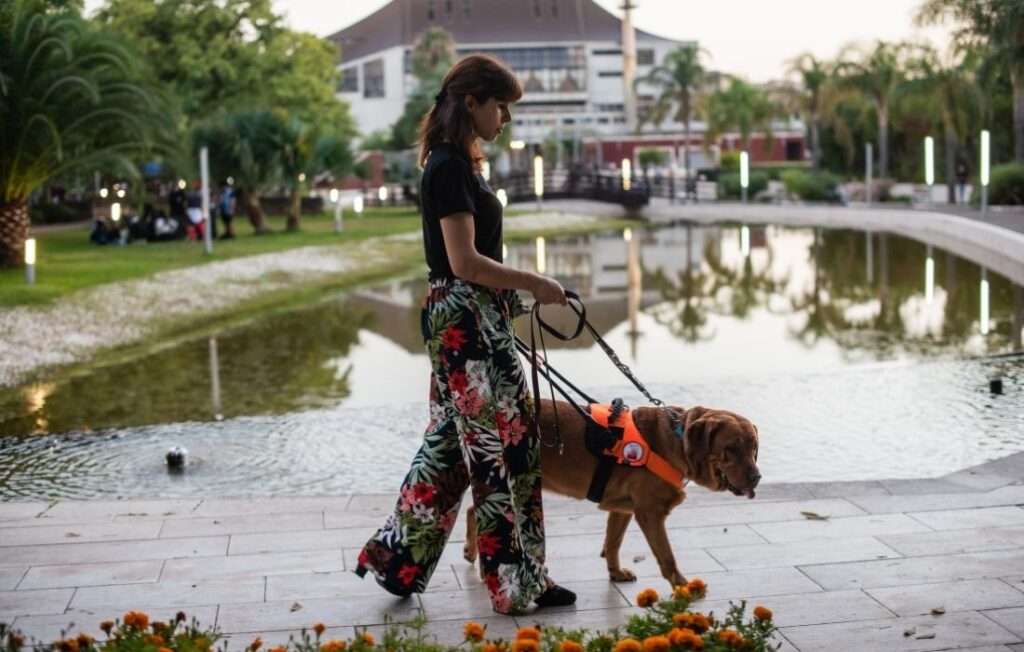
Before we jump into the list, it’s important to understand what makes a great service dog.
Key Traits of a Service Dog
- Intelligence – Ability to learn complex commands and tasks quickly
- Trainability – Willingness to listen and respond to cues consistently
- Calm Temperament – Service dogs need to stay calm in busy, loud environments
- Loyalty and Bonding – Strong connection with their owner is essential
- Adaptability – Able to adjust to different public spaces, from grocery stores to airports
Service Dogs vs Emotional Support Animals
It’s also worth mentioning that service dogs aren’t the same as emotional support animals (ESAs) or therapy dogs. Service dogs receive specialized training to perform tasks directly related to a disability, and they are protected under the Americans with Disabilities Act (ADA). ESAs provide comfort but don’t have the same legal access to public places.
Top 10 Best Service Dog Breeds for Help and Support
Now let’s dive into the breeds that consistently stand out as the best service dogs:
1. Labrador Retriever
When most people picture a service dog, they think of a Labrador Retriever, and for good reason. Labs are friendly, eager to please, and incredibly versatile.
- Why they’re great: Labs excel in mobility assistance, guiding the visually impaired, and retrieving items for handlers.
- Personality: Gentle, outgoing, and dependable
- Bonus: Their calm temperament makes them a great match for families with kids.
2. Golden Retriever
Golden Retrievers are known for their loving personalities and patience. They thrive as service dogs, especially in roles that require sensitivity.
- Why they’re great: Excellent for emotional support, PTSD assistance, and medical alert work
- Personality: Affectionate, trustworthy, and intuitive
- Bonus: They bond closely with their owners, making them ideal for long-term support.
3. German Shepherd
German Shepherds are natural protectors with sharp intelligence. They’ve been trusted as police, military, and service dogs for decades.
- Why they’re great: Commonly used as guide dogs for the visually impaired and for mobility assistance
- Personality: Alert, confident, and hardworking
- Bonus: Their protective instincts can also provide a sense of safety for their handlers.
4. Standard Poodle
Don’t let the fancy haircuts fool you, Poodles are brilliant and reliable service dogs. Standard Poodles, in particular, are large enough to handle mobility tasks.
- Why they’re great: Hypoallergenic coats make them ideal for people with allergies
- Personality: Intelligent, trainable, and focused
- Bonus: They’re excellent medical alert dogs thanks to their sharp senses.
5. Border Collie
Border Collies are considered one of the smartest dog breeds in the world. Their sharp minds and strong work ethic make them excellent for specialized service tasks.
- Why they’re great: Perfect for medical alert roles, such as seizure or diabetes detection
- Personality: Energetic, responsive, and eager to learn
- Bonus: Best for handlers who can keep up with their high energy levels.
6. Boxer
Boxers may look tough, but they’re incredibly affectionate and reliable as service dogs. Their strength and attentiveness make them natural helpers.
- Why they’re great: Excellent for mobility assistance and psychiatric service work
- Personality: Loyal, patient, and protective
- Bonus: Their playful spirit also makes them wonderful companions outside of work.
7. Doberman Pinscher
Dobermans are intelligent and loyal dogs that thrive when given a job to do. With the right training, they excel in service roles.
- Why they’re great: Commonly used for medical alert and psychiatric support
- Personality: Alert, fearless, and highly focused
- Bonus: They form strong bonds with their owners, making them reliable lifelong partners.
8. Great Dane
Despite their massive size, Great Danes are often called “gentle giants.” Their strength allows them to help with balance and mobility support.
- Why they’re great: Ideal for handlers who need physical support for walking or standing
- Personality: Gentle, patient, and calm
- Bonus: Their towering presence also provides a sense of security in public places.
9. Collie
Collies are well-known for their devotion and intuition, making them excellent service animals.
- Why they’re great: Frequently used for seizure alert, therapy, and PTSD support
- Personality: Loyal, affectionate, and highly intuitive
- Bonus: Their nurturing temperament makes them perfect for families.
10. Bernese Mountain Dog
The Bernese Mountain Dog is another gentle giant known for its calm nature and strength.
- Why they’re great: Ideal for mobility support and deep pressure therapy for anxiety
- Personality: Affectionate, steady, and dependable
- Bonus: They’re especially suited for colder climates thanks to their thick coat.
How to Choose the Right Service Dog
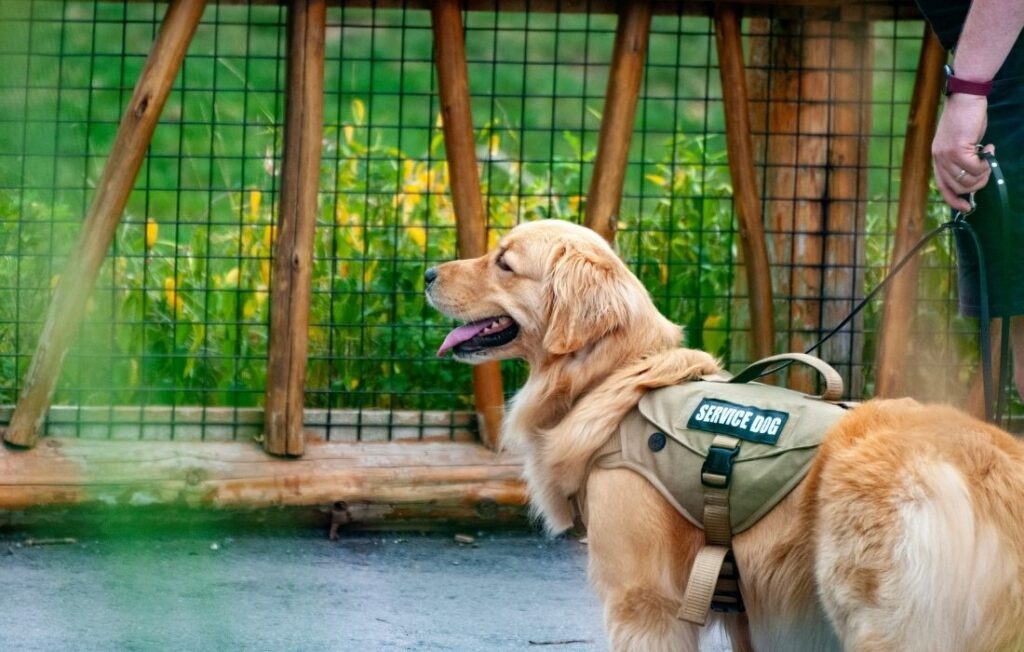
Selecting the best service dog depends on your individual needs and lifestyle. Consider:
- Your daily routine: High-energy dogs like Border Collies need more exercise, while calm breeds like Bernese Mountain Dogs may suit a quieter lifestyle.
- Living space: Large breeds need room to move comfortably.
- Specific needs: A person with allergies may prefer a Poodle, while someone needing mobility support may benefit from a Great Dane.
- Compatibility: Some breeds bond better with children and families, while others thrive with a single handler.
Training and Certification
A service dog’s journey begins with training, which can take anywhere from 1–2 years depending on the tasks required.
Training Basics
- Obedience training (sit, stay, come, heel)
- Public access training (remaining calm in crowded spaces)
- Task-specific training (retrieving items, alerting to medical conditions, guiding)
Legal Protections
- Under the ADA, service dogs are legally allowed in public spaces, including restaurants, airplanes, and stores.
- Unlike emotional support animals, service dogs are recognized as working animals, not pets.
Certification
There is no official federal certification required for service dogs in the U.S., but working with a professional trainer or accredited program ensures proper training and reliability.
Final Thoughts
Service dogs are more than helpers, they’re heroes who provide independence, safety, and love. From the loyal Labrador to the gentle Great Dane, these breeds stand out for their intelligence, strength, and devotion.
When choosing a service dog, consider your lifestyle, needs, and the unique qualities of each breed. With the right match, a service dog can become not only a trusted assistant but also a lifelong best friend.
Dog moms and dads, which of these breeds is your favorite? Would you trust one as your service dog partner? Share your thoughts in the comments section below!




Be the first to leave a comment