


The Ultimate Guide to the Brindle Boxer Dog
If you’ve ever been captivated by a dog with a striking tiger-like coat and an energetic personality, you might already be familiar with the brindle Boxer dog. Known for their muscular build and unique coat patterns of dark stripes over a fawn background, these dogs are more than just eye-catching—they’re loyal companions bursting with boundless energy. Whether it’s their playful spirit, impressive intelligence, or their strong bond with families, brindle Boxers have earned a well-loved spot in many homes worldwide.
This guide will cover everything about this handsome breed, like how to care for them and what health issues they might have. If you want to get a brindle Boxer or already have one, this blog post will help you understand what makes them special and why dog lovers like them so much.
Brindle Boxer Origins and History
The brindle Boxer is beloved not only for its attractive coat but also prized for its interesting past. Fully understanding this breed requires knowing its origin and how it grew over time. Boxers, including the brindle kind, are more than just nice pets—they have a history showing strength, skill, and devotion.
Early Ancestry: Roots in Ancient Times

The Boxer’s story goes back over 2,500 years to the war dogs of the Assyrian Empire. People valued these dogs because they were big and very loyal when fighting. Though these old dogs started things off, the Boxers we know today come mostly from two breeds: the Old English Bulldog and the now-extinct Bullenbeisser. The Bullenbeisser, whose name translates to “bull biter,” was used in Germany for hunting large animals like boars and deer. This breed brought both muscularity and determination to the genetic foundation of the modern Boxer.
German Beginnings
The distinct Boxer breed emerged in the late 19th century in Munich, Germany, where breeders focused on creating a dog with versatility, athletic ability, and a reliable temperament. A pivotal figure in the breed’s history, George Alt, introduced a brindle-colored female Boxer named Flora, who became the basis of modern Boxer breeding. Flora was crossed with local dogs, and the resulting litters refined the breed’s signature traits: athleticism, bravery, and an affectionate disposition.
The Rise of the Brindle Coat Pattern
The brindle coat, with its dark, tiger-stripe look on a lighter base, became a popular change from the usual Boxer. It probably showed up as a natural change in the first groups of puppies. Breeders then started choosing to breed these dogs because they liked the look and its link to the breed’s tough, working history. Brindle Boxers were more than just a style choice; they had the same strength and quickness that people wanted in the breed.
Physical Characteristics and Coat Pattern
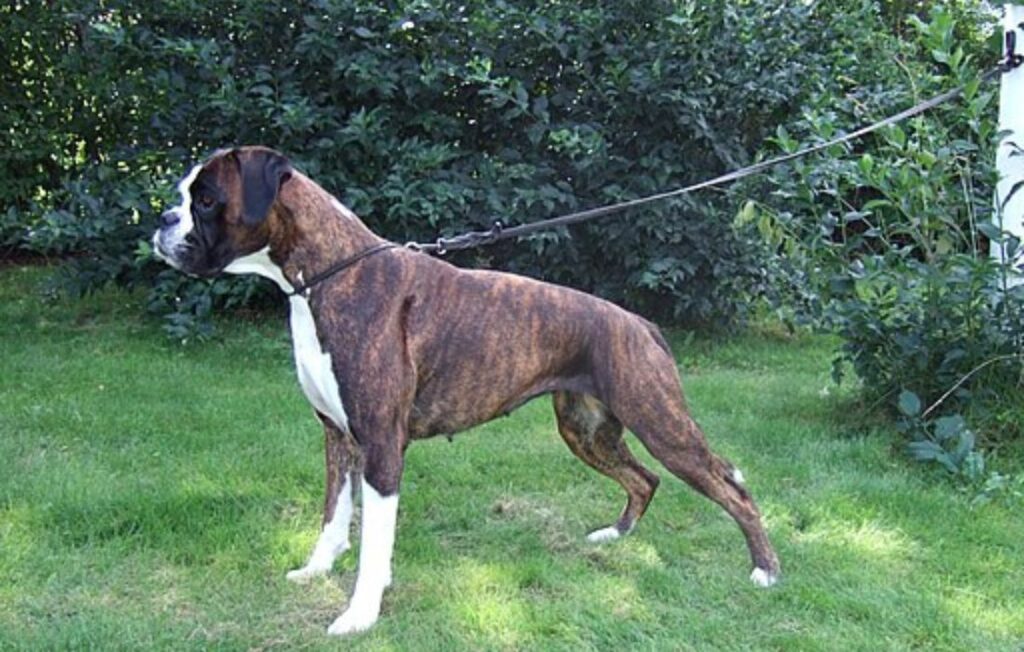
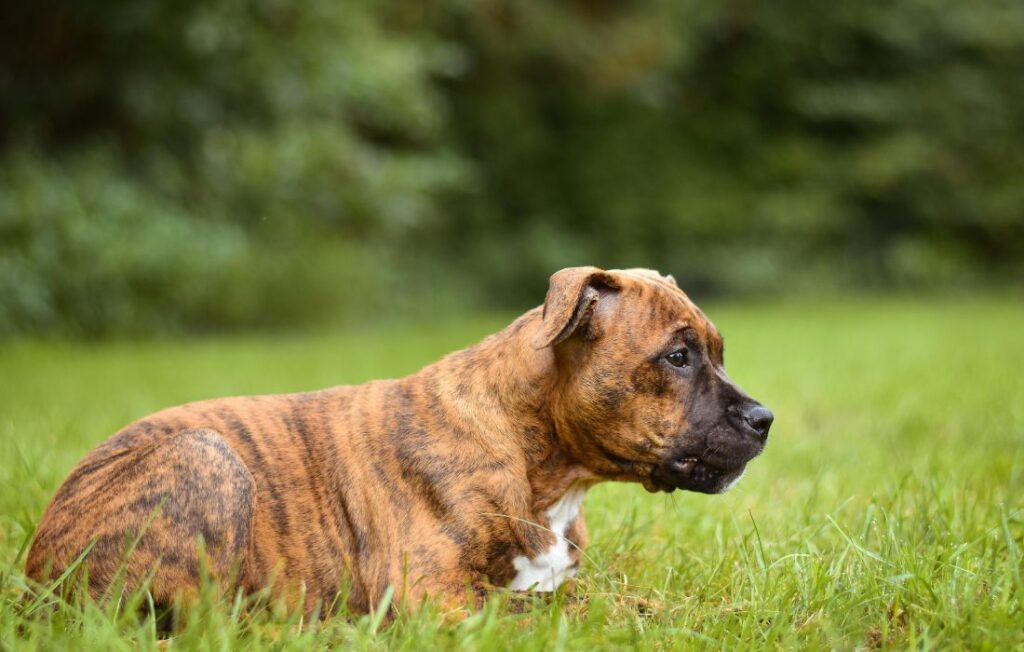
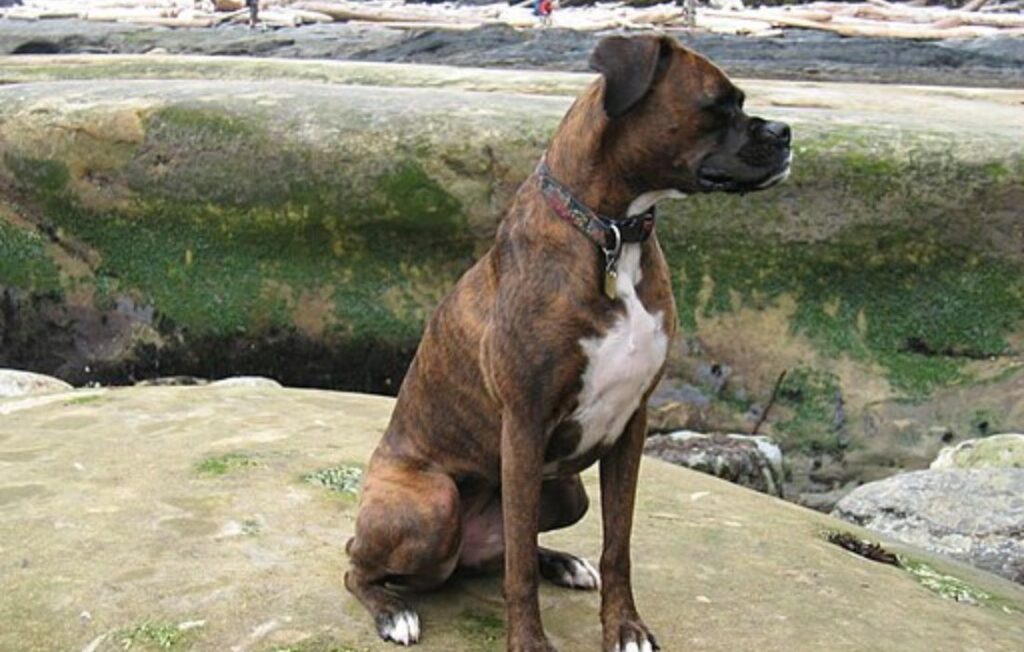
The brindle Boxer dog doesn’t stand out just because of its muscular frame and lively personality—it’s the coat that grabs attention. Those dark, tiger-like stripes across a light brown background make them look different from other Boxers. Ever wonder what makes their coats special? Knowing where this coat comes from genetically, and how it’s different from other Boxer colors, can make you appreciate these incredible dogs even more.
Understanding the Brindle Coat
What makes the brindle coat on Boxers so unique? It comes down to the interplay of genetics. The brindle pattern stems from a genetic trait linked to the K locus. Specifically, a gene connected to the melanocortin 1 receptor (MC1R) plays a crucial role, regulating pigment expression in hair. In Boxers, the brindle effect occurs when bands of black are overlaid on a lighter background, typically ranging from light tan to deep mahogany. These stripes often resemble a tiger’s, though the exact thickness and distribution can vary from dog to dog.
It’s interesting that brindling in Boxers is a pattern and not a color. The base color of their fur always shows through, which means each brindle Boxer has a truly unique coat. Boxers with a lot of dark stripes are sometimes called reverse brindle. On the other hand, light brindle dogs are mostly fawn-colored with just a few stripes.
This unique coloring isn’t just an aesthetic feature; it’s been selectively bred for over decades. Breeders often emphasize the brindle coat due to its striking appearance and historic ties to the breed’s working roles. For a detailed exploration check this guide on Boxer coat types.
Comparison with Other Boxer
The American Kennel Club (AKC) recognizes three primary coat colors in Boxers: fawn, brindle, and white. Each brings a distinct personality to the breed’s appearance while adhering to official standards.
- Fawn Boxers: Perhaps the most classic, fawn Boxers showcase a solid, warm hue that can range from pale tan to deep red. Unbroken by stripes, their coats convey a simple elegance. Comparatively, brindle Boxers add a layer of complexity with their patterned stripe overlays.
- Brindle Boxers: Brindle-coated Boxers stand out for their wild, tiger-like aesthetic, making them look both regal and athletic. Their coloring often draws attention in a crowd and highlights the breed’s natural musculature.
- White Boxers: Though less common, white-coated Boxers have their own charm. Contrary to popular belief, white Boxers aren’t albino, but their lighter skin can make them more prone to sunburn. On the downside, most registries exclude pure white Boxers from conformation events.
While all these color variants are undeniably beautiful, brindle Boxers often win hearts for their balance between subtlety and boldness. Their coats tend to display symmetrical definitions that align well with Boxer breed standards, which value clean lines and proportionate markings. For those considering a Boxer, understanding these aesthetic differences can aid in choosing a companion that “fits” you visually.
In the end, no matter the base coat, the Boxer breed’s charm transcends color. But if you’ve got a soft spot for unique markings, the brindle Boxer isn’t just a dog—it’s a statement.
Temperament and Personality
The brindle Boxer dog is known for being an ideal family companion. Their unique personality blends loyalty, intelligence, protectiveness, and a playful attitude that makes them a joy to have in any home. Let’s break down what makes these dogs so special in terms of behavior and provide actionable tips for training.
Behavior With Families
Brindle Boxers are exceptional when it comes to bonding with their families. They’re the type of dog that seems to have an endless capacity for love and loyalty. Whether they’re snuggling up with kids or standing guard by the back door, Boxers aim to be an integral part of your family dynamic.
Here’s what you can expect when bringing a brindle Boxer into your home:
- Loyal Protectors: Boxers are naturally protective. Their alert and vigilant nature makes them excellent watchdogs, as they instinctively protect their family without being unnecessarily aggressive. When you’re home alone, you can trust your Boxer to have your back.
- Playful and Energetic: There’s no denying the athleticism of a Boxer. They thrive on engaging activities, whether it’s a game of fetch in the backyard or a long walk. Their love for playtime makes them perfect for families with active kids or outdoor enthusiasts.
- Excellent With Children: Boxers tend to have a gentle and patient demeanor around kids. They’re often dubbed “nanny dogs” because of their affectionate and watchful interaction with younger family members.
- Social and People-Oriented: These dogs adore human interaction. Whether it’s cuddling on the couch or being involved in family gatherings, Boxers need to feel included.
Key Training Tips
Training a brindle Boxer might seem challenging at first due to their energetic and sometimes stubborn nature. However, with patience and the right techniques, they are incredibly trainable. Here are some essential tips to help you turn your Boxer into a well-behaved and happy pet:
- Positive Reinforcement Is Key Boxers respond best to positive reinforcement. Reward good behavior with treats, praise, or playtime. Negative reinforcement or punishment can backfire, making them more stubborn. Keep training sessions fun and rewarding to maintain their interest.
- Early Socialization Introducing your Boxer to new people, environments, and other pets early in life helps them grow into well-adjusted adults. This reduces the likelihood of fear or aggression later on.
- Be Consistent and Firm Boxers have an independent streak, which can sometimes come across as stubbornness. To address this, set clear rules and follow through consistently. They thrive on structure and understanding what’s expected of them.
- Focus on Leash Training Due to their playful energy, Boxers can pull and tug during walks. Start leash training as early as possible, teaching them to walk beside you calmly. Patience is essential here.
- Mental Stimulation Is a Must Boxers are intelligent dogs that need more than physical exercise—they require mental challenges too. Puzzle toys, obedience classes, and games like hide-and-seek can keep their minds engaged. Boredom is the enemy for this high-energy breed.
- Curb Jumping Behavior Many Boxers have a tendency to jump when they’re overly excited. Teach them commands like “sit” or “down” to control this habit early on. Redirect their enthusiasm into more acceptable behaviors.
With their loyal hearts and eagerness to please, brindle Boxers shine when given the right guidance and attention. Training isn’t just about curbing bad behaviors; it’s also an opportunity to strengthen the bond between you and your dog.
Caring for a Brindle Boxer
Brindle Boxers are a truly unique breed with their beautiful striped coats and boundless energy, but caring for them requires specific attention to their diet, exercise, and grooming. Whether you’re a seasoned dog owner or new to the Boxer world, let’s dive into exactly what you need to know to keep your brindle Boxer happy and healthy.
Nutrition
Feeding your brindle Boxer the right diet is crucial for their energy levels, coat health, and overall well-being. Boxers are an active breed, meaning their nutrition should match their high-energy lifestyle. Here’s what you should consider:
- Protein-Rich Foods: A Boxer’s diet should be centered around high-quality protein like chicken, beef, or fish. Protein supports their lean muscle mass and high energy demands.
- Nutrient-Rich Additions: Incorporate omega-3 fatty acids for a shiny coat and joint health, and look for foods packed with a variety of vitamins and minerals. For better digestion, ensure the food contains fiber sources like sweet potatoes or pumpkin.
- Avoid Harmful Foods: Like most dogs, Boxers should never eat foods like chocolate, grapes, onions, or anything fatty or overly processed. These can cause serious health problems.
If you want to explore the proper feeding tailaored to boxers this guide from AllBoxer, explains how to choose meals that nourish this active breed.
Exercise Requirements
Brindle Boxers are lively and athletic, making regular exercise a must. Without proper physical activity, they can become restless, and boredom can lead to unwanted behaviors like chewing or excessive barking.
- Daily Exercise: Aim for 1-2 hours of exercise per day. This can include brisk walks, jogging, or play sessions.
- Playtime Tips: Boxers love interactive play! Try a game of fetch, tug-of-war, or agility tasks to keep them engaged.
- Mental Exercise Matters: Combine physical activities with mental stimulation. Puzzle toys or scent-based games can help tire out their brain just as much as their body.
Grooming and Maintenance
Boxers, including the brindle variety, have short, smooth coats that are low maintenance. However, keeping their grooming routine on track is still essential for their health and comfort.
- Coat Care: Their short fur tends to shed year-round, so a weekly brushing session with a grooming mitt or soft brush helps manage shedding and maintain their coat’s shine.
- Bathing Schedule: Boxers generally don’t require frequent baths, so aim for once every 6-8 weeks or as needed. Use a gentle, dog-friendly shampoo to avoid irritating their skin.
- Dental Health: Regular brushing (2-3 times per week) is important to prevent gum disease. Dental chews can be a good supplement but shouldn’t replace brushing.
- Nail Care: Trim their nails every 3-4 weeks or whenever you notice them clicking on hard surfaces. Long nails can lead to discomfort or even joint issues over time.
Brindle Boxers are a commitment, but their loyal hearts and playful personalities make it all worth it. By focusing on these basics—diet, exercise, and grooming—you’ll ensure your Boxer thrives in every way.
Health Considerations
When it comes to keeping your brindle Boxer healthy, understanding their unique health needs and average lifespan is essential. Like all dog breeds, brindle Boxers come with specific health risks and requirements. By staying proactive, you can help ensure they live a long, happy life by your side.
Common Health Problems
Brindle Boxers, like all Boxers, are a generally robust and energetic breed. However, they’re prone to some hereditary health issues that responsible owners should be aware of. Some of the most common health risks include:
- Heart Conditions: Boxers are particularly prone to ailments like Boxer cardiomyopathy (ARVC) and dilated cardiomyopathy, which can affect heart function over time. Regular check-ups with a vet and heart screenings are critical to catch these issues early.
- Hip Dysplasia: This condition, where the hip joint doesn’t fit together as it should, can lead to painful arthritis later in life. Maintaining a healthy weight and providing joint-friendly diets can help reduce the impact.
- Skin Concerns: Brindle Boxers are somewhat prone to allergies and skin infections. Regular grooming, flea preventatives, and hypoallergenic shampoos can go a long way in preventing flare-ups.
- Brachycephalic Issues: Due to their short muzzle, Boxers can experience respiratory problems, especially in hot weather. Avoid overexertion on warm days and always ensure access to fresh water.
- Cancer: Unfortunately, Boxers are one of the breeds more susceptible to certain cancers, such as mast cell tumors and lymphoma. Early detection plays a huge role in successful treatment.
Preventive care is key. Routine vet visits (usually every six months for older dogs), a balanced diet, regular exercise, and awareness of early symptoms can help mitigate these health risks.
Expected Lifespan
Knowing a Boxer’s expected lifespan can help you better plan for their care and cherish the time you have together. Brindle Boxers typically live between 10 to 12 years, although this depends on factors such as genetics, lifestyle, and overall health management.
Here are ways to potentially ensure your Boxer reaches the upper end of the lifespan spectrum:
- Diet: Providing high-quality, protein-rich dog food with the right nutrients tailored to their needs can promote long-term health. Omega-3 fatty acids, for example, help with joint support and coat health.
- Exercise: This active breed thrives on daily physical activity, which keeps them not just physically fit but also mentally stimulated. Aim for at least 1-2 hours of activity per day.
- Veterinary Care: Regular health screenings, vaccinations, and preventive care (like dental cleanings and parasite control) are vital.
- Weight Management: Obesity can exacerbate conditions like hip dysplasia and put extra strain on their heart.
- Stress Reduction: A strong bond with their owner, alongside a loving home environment, contributes to their emotional well-being.
- Preventive Measures: Genetic screenings before purchasing or adopting a brindle Boxer can help identify potential health issues early.
Frequently Asked Questions
When it comes to brindle Boxers, there are often questions about how rare they are, their cost, the uniqueness of their coat, and how long these beautiful dogs live. Let’s dive into these frequently asked questions to shed some light on this stunning breed.
Are Brindle Boxers Rare?
Brindle Boxers are not particularly rare, though they are less common than the solid fawn coat variation. The brindle pattern is actually a result of a specific genetic trait, and it is recognized as one of the standard Boxer coat colors by the American Kennel Club (AKC). To break down the scale of rarity, brindle Boxers sit comfortably between the more common fawn coats and the rarer white Boxers.
That said, the striking appearance of the brindle coat—characterized by dark stripes that resemble tiger patterns over a fawn backdrop—does make them a sought-after choice among Boxer enthusiasts. Some variations, like “reverse brindle,” where the coat appears darker and the stripes lighter, are slightly more unusual but not exceptionally rare.
How Much Does a Brindle Boxer Cost?
The price of a brindle Boxer can vary greatly depending on factors like pedigree, breeder reputation, and geographic location. On average, you can expect to pay anywhere between $800 and $2,500 for a brindle Boxer from a reputable breeder. Puppies with show-quality lineage or unique coat variations, such as flashy white markings alongside their brindle pattern, may fall on the higher end of the spectrum.
In some regions, prices might be slightly inflated due to demand, especially for brindle coats that are considered more “exotic.” When you’re looking for a brindle Boxer, ensure you’re working with responsible breeders who prioritize the health and temperament of their dogs over profit.
Is Brindle a Rare Dog Color?
Across all dog breeds, brindle is relatively uncommon, though it is far from the rarest dog coat pattern. The brindle coloring, reminiscent of tiger stripes, is the result of specific genes that modulate pigment distribution in the fur. While it’s seen in breeds like Boxers, Greyhounds, and certain Molosser breeds, it’s not as universally present as solid or bi-color coats.
In the Boxer breed specifically, brindling is a widely recognized and common pattern, although it does depend on regional breeding preferences. For example, breeders in certain areas may focus more on fawn or standard coloration, which can make brindle Boxers feel rarer in those contexts.
How Long Do Brindle Boxers Live?
Brindle Boxers have the same life expectancy as other Boxers, which usually ranges between 10 to 12 years. However, their longevity can be influenced by several factors, including genetics, diet, exercise, and how well they’re cared for. Regular vet checkups and proactive health screenings can also catch issues early and contribute to a longer, healthier life.
Some common health concerns that could impact a brindle Boxer’s lifespan include heart conditions like Boxer cardiomyopathy, cancer, and hip dysplasia. Keeping your dog on a high-quality diet, ensuring they get plenty of physical and mental exercise, and maintaining a consistent grooming routine can significantly improve both their quality and length of life.
Final Thoughts
Owning a brindle Boxer dog can be a truly great experience. Their energetic personalities, unique coats, and strong loyalty make them wonderful friends for both families and individuals. These dogs add both energy and love to a home and create strong relationships with people of all ages.
With proper care, regular exercise, and a loving environment, they’ll thrive—and so will your relationship with them. Whether it’s their playful spirit or their naturally protective nature, they have everything you could want in ideal family pet.




Be the first to leave a comment