


The Ultimate Guide to Dogs and Ticks: What You Need to Know

Ticks are a common worry for dog owners, but surprisingly, many of us don’t know much about them. These tiny bugs can cause everything from annoying skin irritation to some really scary, even deadly, conditions. Knowing how to stop ticks, spot them, and deal with any sickness they cause is super important for anyone who owns a dog.
This guide will tell you all you need to know about dogs and ticks. We’ll go over how to keep your dog from getting bitten, what sicknesses ticks can spread, and what to do if you find one on your dog. By the time you’re done reading, you’ll know how to keep your furry friend safe and sound.
What Are Ticks?
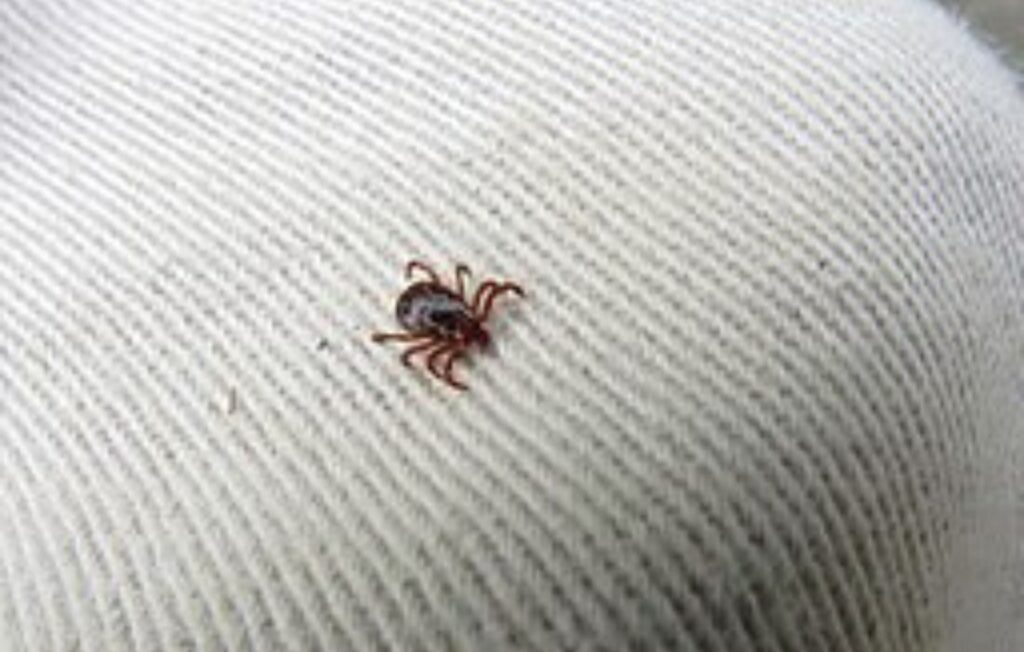
Ticks are small, blood-sucking parasites that belong to the arachnid family, closely related to spiders and mites. Unlike fleas, which jump to their hosts, ticks latch onto a host by crawling. They embed their mouthparts into the skin and feed on blood, sometimes staying attached for several days.
Ticks are found all over the world, but they are especially prevalent in wooded, grassy, and humid environments. While ticks themselves are tiny, they can really mess with your dog’s health.
Key Characteristics:
- Size: Typically 1-3 mm when unfed, swelling up to 10 mm when engorged.
- Color: Brown, black, or reddish, depending on the species.
- Habitat: Forests, meadows, parks, and even urban gardens.
Why are Ticks Bad for Dogs?
Ticks are more than just pests – they can make your dog really sick. One bite might not seem like a big deal, but ticks carry diseases that stick around for a long time.
Dangers of Ticks:
- Transmission of Diseases: Ticks can carry harmful pathogens that lead to diseases like Lyme disease, anaplasmosis, and ehrlichiosis.
- Anemia: Heavy infestations can cause blood loss, leading to anemia.
- Skin Irritation and Infection: Tick bites can cause localized irritation, swelling, and infection.
- Paralysis: Some tick species produce neurotoxins that lead to paralysis in dogs.
By feeding on your dog’s blood, ticks can weaken their immune system and open the door for secondary infections.
The Life Cycle of a Tick
Understanding the tick life cycle can help you recognize when your dog is most at risk. A tick goes through four life stages: egg, larva, nymph, and adult.
- Egg: Female ticks lay thousands of eggs in the environment, often in leaf litter or grass.
- Larva (Seed Tick): Tiny, six-legged larvae hatch and seek their first host, typically small mammals or birds.
- Nymph: After their first blood meal, larvae molt into eight-legged nymphs and seek another host.
- Adult: Adult ticks latch onto larger hosts like dogs, feeding and mating before completing the cycle.
Ticks require a blood meal at every stage except the egg stage, making them persistent parasites.
Common Tick Species Affecting Dogs
Not all ticks are created equal. Different species carry different risks and diseases. Here are the most common types of ticks that affect dogs:
1. American Dog Tick (Dermacentor variabilis)
- Habitat: Grasslands and trails.
- Risks: Transmits Rocky Mountain spotted fever and causes tick paralysis.
2. Deer Tick (Ixodes scapularis)
- Habitat: Forested and shaded areas.
- Risks: Primary vector for Lyme disease.
3. Brown Dog Tick (Rhipicephalus sanguineus)
- Habitat: Indoors and kennels.
- Risks: Can infest homes and transmit ehrlichiosis.
4. Lone Star Tick (Amblyomma americanum)
- Habitat: Southeastern United States.
- Risks: Known for spreading ehrlichiosis and tularemia.
5. Gulf Coast Tick (Amblyomma maculatum)
- Habitat: Coastal regions.
- Risks: Transmits canine hepatozoonosis.
Tick-Borne Diseases in Dogs
Ticks are vectors for a wide range of diseases. Here’s an overview of the most common tick-borne illnesses:
1. Lyme Disease
- Caused by: Borrelia burgdorferi bacteria.
- Symptoms: Lameness, fever, swollen joints, and fatigue.
- Treatment: Antibiotics like doxycycline.
2. Ehrlichiosis
- Caused by: Ehrlichia bacteria.
- Symptoms: Fever, weight loss, bruising, and lethargy.
- Treatment: Antibiotics and supportive care.
3. Anaplasmosis
- Caused by: Anaplasma bacteria.
- Symptoms: Fever, loss of appetite, and joint pain.
- Treatment: Antibiotics.
4. Rocky Mountain Spotted Fever
- Caused by: Rickettsia rickettsii bacteria.
- Symptoms: Rash, fever, vomiting, and depression.
- Treatment: Prompt antibiotic therapy.
5. Babesiosis
- Caused by: Babesia protozoa.
- Symptoms: Pale gums, weakness, and jaundice.
- Treatment: Anti-protozoal medication and supportive care.
Each disease requires prompt diagnosis and treatment, so consult your vet if you suspect tick-related illness.
How to Check Your Dog for Ticks
Regular tick checks are crucial, especially after outdoor activities in tick-prone areas. Follow these steps to thoroughly check your dog:
1. Inspect Common Hiding Spots
- Around the ears.
- Between the toes.
- Under the collar.
- In the groin area.
- Around the tail.
2. Use Your Hands
Run your hands gently over your dog’s body to feel for small bumps.
3. Use a Comb or Brush
A fine-toothed comb can help catch ticks hiding in fur.
Checking your dog daily during tick season is one of the best preventive measures you can take.
How to Safely Remove a Tick

If you find a tick on your dog, it’s important to remove it promptly and properly. Incorrect removal can increase the risk of infection.
What You Need:
- Fine-tipped tweezers or a tick removal tool.
- Gloves.
- Antiseptic solution.
How To Do It:
- Wear Gloves: To protect yourself from pathogens.
- Grasp the Tick: Use tweezers to grab the tick as close to the skin as possible.
- Pull Gently: Apply steady pressure and pull the tick straight out.
- Clean the Area: Disinfect the bite site with an antiseptic.
- Dispose of the Tick: Place the tick in rubbing alcohol or a sealed bag.
Never twist or crush a tick, as this can cause its body to break and leave mouthparts embedded in the skin.
Preventing Tick Infestations
Prevention is the best strategy to protect your dog from ticks. Here are some effective methods:
1. Topical Treatments
Apply monthly spot-on treatments that repel or kill ticks.
2. Oral Medications
These chewable tablets kill ticks and provide protection for several weeks.
3. Tick Collars
Collars infused with tick-repellent chemicals are effective for long-term use.
4. Yard Maintenance
Keep grass trimmed, remove leaf litter, and use tick-repellent sprays in your yard.
5. Avoid High-Risk Areas
Limit your dog’s access to dense woods and tall grasses during tick season.
Natural Remedies vs. Vet Remedies For Ticks
While natural remedies like essential oils are popular, they often lack the efficacy of veterinary-approved treatments. Here’s a comparison:
Natural Remedies:
- Pros: Non-toxic, eco-friendly.
- Cons: Limited effectiveness, potential skin irritation.
Veterinary Treatments:
- Pros: Highly effective, FDA-approved.
- Cons: Possible side effects, higher cost.
Consult your veterinarian before choosing a treatment plan.
When to Worry About Ticks
Ticks are more active during certain times of the year. In most regions, tick season peaks in the spring and summer, but some species remain active year-round.
- Spring/Summer: Increased tick activity in warm weather.
- Fall: Persistent risk in cooler climates.
- Winter: Some ticks, like the brown dog tick, remain active indoors.
Year-round tick prevention is essential, especially in areas with mild winters.
What to Do if Your Dog Seems Sick
If your dog shows symptoms like tiredness, fever, or joint pain after a tick bite, seek vet care immediately. Early diagnosis and treatment can make a significant difference in recovery.
Frequently Asked Questions
Q: How soon should I remove a tick from my dog?
A: Remove the tick as soon as you find it. The longer it stays attached, the higher the risk of disease transmission.
Q: Can ticks infest my home?
A: Yes, some species like the brown dog tick can establish infestations indoors.
Q: Are some dogs more prone to ticks?
A: Dogs that spend more time outdoors or have long coats are at higher risk
Wrapping It Up
Ticks are a persistent threat to your dog’s health, but with proper prevention and care, you can minimize the risks. Regular tick checks, effective preventive treatments, and prompt medical attention are key to keeping your dog safe and happy.
By staying informed and vigilant, you’ll ensure that ticks never stand a chance against your furry friend.


Be the first to leave a comment