


The Ultimate Puppy Proofing Checklist For Dog Moms
Bringing home a puppy is one of those heartwarming milestones that stays with you forever. The tiny paws, the excited wiggles, those soft, curious eyes—it’s enough to melt anyone’s heart. But amid the cuddles and camera rolls, there’s a side of puppy parenting that’s all about preparation. These little fluffballs are bundles of boundless curiosity, and if left unsupervised in a typical home, things can go sideways fast.
Power cords? Chew toys. Trash cans? Treasure troves. Houseplants? A potential health hazard. It doesn’t take much for an innocent adventure to turn into a vet visit. That’s why puppy-proofing isn’t just a recommendation—it’s a necessity. It’s how you transform your house into a safe space where your puppy can grow, explore, and thrive without constant scolding or worry.
In this guide, I’ll walk you through what you need to know to set up your home for success—from securing loose wires to sealing off cleaning products and prepping your yard. Think of it as setting the stage for a lifetime of wagging tails and joyful zoomies.
Why Puppy-Proofing?
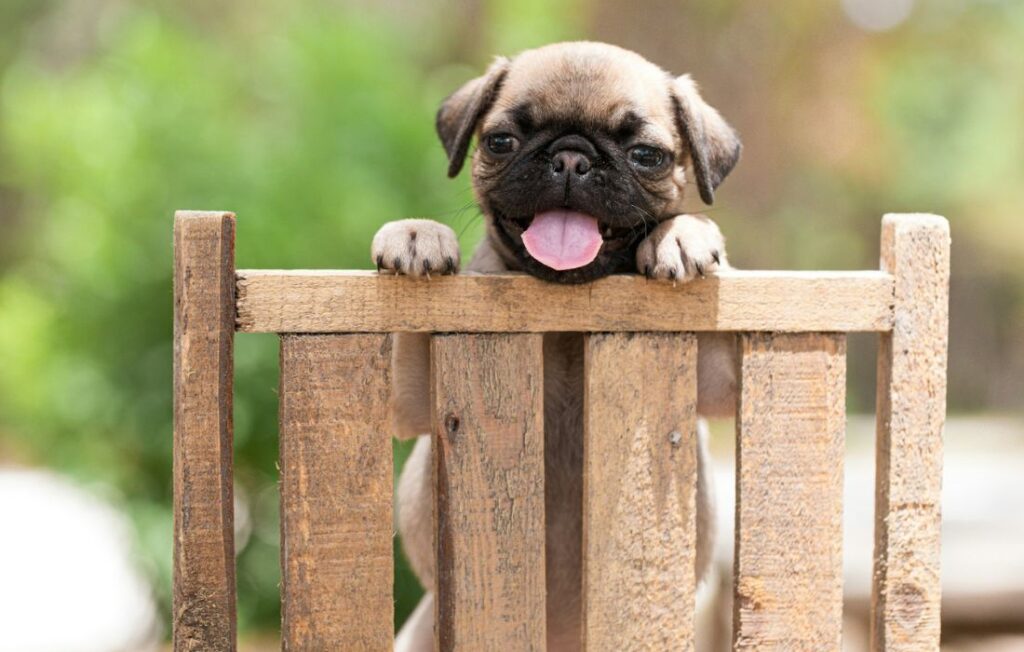
Welcoming a puppy isn’t all playtime and treats—it’s also a crash course in managing chaos. Puppies explore with their noses, paws, and mouths. That means they’re constantly sniffing, pawing, chewing, and, let’s face it, getting into trouble.
That lamp cord hanging behind the couch? Looks like the perfect teething toy. The bathroom trash? Might as well be a buffet. Your old slippers? Probably toast.
Puppy-proofing is the act of recognizing these risk zones before your new best friend does and putting measures in place to protect both them and your belongings. It’s a thoughtful approach that allows you to say “yes” more often—yes to exploring, yes to playing—because you’ve already said “no” to the hazards.
Understanding How Puppies Think and Explore
Have you ever watched a toddler crawl across a room, heading straight for the one object you wish they wouldn’t touch? Puppies are no different. They experience their world by tasting, chewing, tugging, and pouncing. And while this curiosity is completely natural—and even a little endearing—it can also be downright dangerous if you haven’t prepared your space.
Puppies don’t know that a charging cable isn’t a snack, or that that shiny button on the floor could be a choking hazard. To them, the world is a playground. Puppy-proofing doesn’t suppress their curiosity; it shapes it. It creates a space where they can follow their instincts without landing in trouble.
The Most Common Indoor Hazards
Let’s break things down room by room so you can start spotting potential hazards today. Each space in your home comes with its own set of risks—some obvious, others surprisingly easy to overlook. By taking a closer look at each area, you’ll be better equipped to create a safe, stress-free environment where your puppy can play, learn, and grow without constant redirection or worry. Think of this as your guided walkthrough to transforming your home into a puppy-friendly haven.
In the Living Room
- Tame those wires: Use cord concealers or route cords behind furniture to keep them out of sight and out of reach. Puppies will chew them if given the chance.
- Rehome your plants (if needed): Lilies, pothos, and philodendrons look great on a windowsill—but they’re toxic to dogs. Look into safe alternatives like spider plants or African violets.
- Move breakables up high: Wagging tails can turn coffee tables into crash zones. Place fragile decorations on high shelves or behind glass doors.
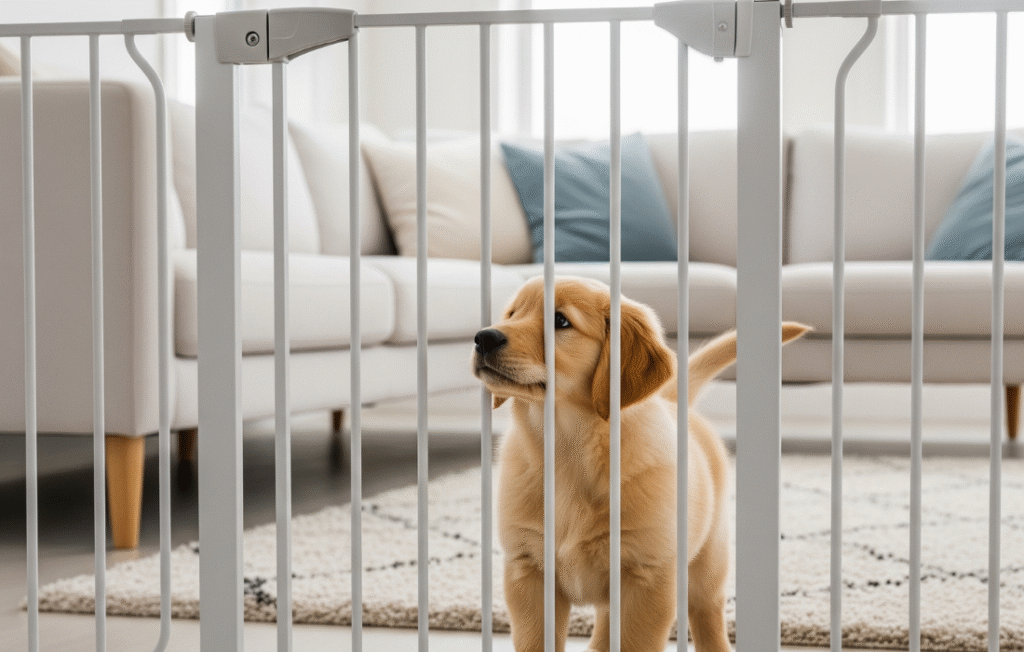
- Create no-go zones: Pet gates work wonders in limiting access to stairs or certain rooms, especially when you’re not around to supervise.
In the Kitchen and Bathroom
- Lock the trash down: Puppies love the smell of leftovers, but spoiled food, plastic wrap, and bones are all dangerous. Use a trash can with a locking lid or stash it under the sink.
- Keep cleaners out of sight: Store bleach, detergents, and other harsh chemicals in locked cabinets or on high shelves. Even the residue on the outside of the bottle can be harmful.
- Hide human snacks: Chocolate, grapes, onions, and even certain gums can be toxic to dogs. Keep food sealed and out of reach..
Furniture and Fixtures
- Secure bookshelves and TVs: If it can tip over, it should be anchored to the wall. Puppies can be surprisingly strong when tugging at a dangling cord.
- Rethink curtain cords: Tie them up or use cordless window treatments to eliminate strangulation risks.
- Block climbing access: Puppies have no business on counters, but they’ll try. Rearranging furniture to remove “launch points” can save you some heartache.
Everyday Items That Might Surprise You
You’d be amazed at how many “harmless” items in your home can turn into a problem in seconds.
- Children’s toys: Legos, action figures, and Barbie shoes are chew-sized and choking-sized. Store them in bins with lids.
- Cat litter: Yep, puppies are drawn to litter boxes. Set them up behind pet gates or use top-entry litter boxes your dog can’t reach.
- Pet meds and grooming tools: Flea treatments and even dog shampoo should be kept high up and out of sight—just like human medications.
Don’t Forget the Great Outdoors
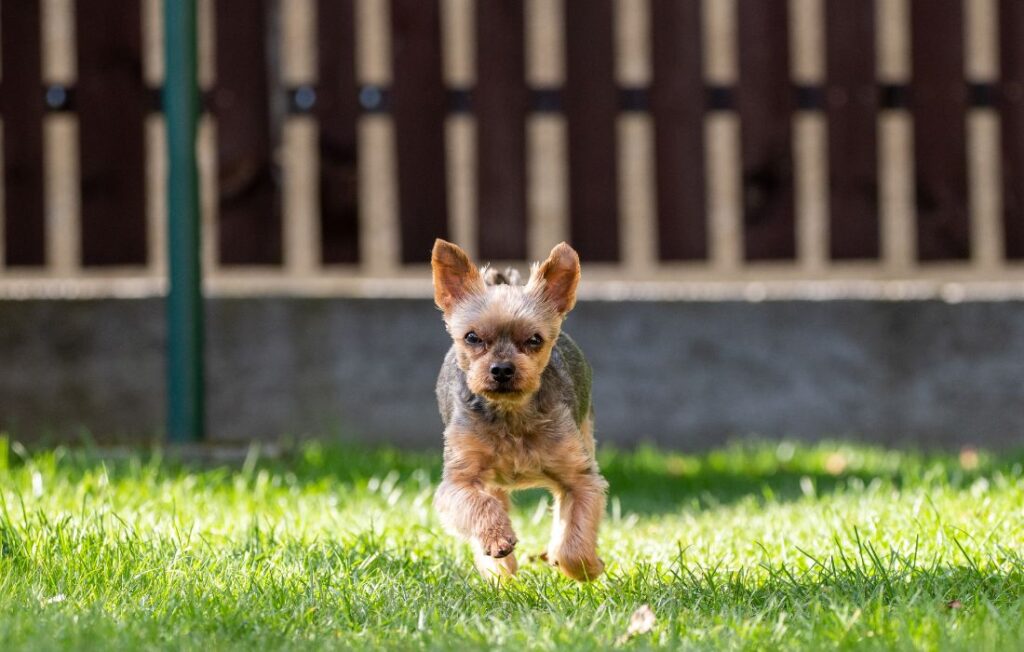
Your yard may look like paradise to your new pup, but it can also hide a host of dangers just waiting to be discovered by a curious nose or an eager set of paws. From toxic plants to tiny escape routes, what seems like a harmless outdoor space can quickly become a risky playground. That’s why taking a few thoughtful steps to puppy-proof your yard is so important. Let’s make sure their first sniff-filled backyard adventure is not only exciting, but safe and worry-free—for both of you.
Secure the Perimeter
- Inspect the fence: Puppies are escape artists. Reinforce loose boards, block gaps, and consider burying chicken wire at the base to deter digging.
- Cover water features: Pools, koi ponds, and fountains can all pose drowning risks. If you have a pool, get a safety cover or install a fence around it.
- Watch for climbing spots: Low furniture or garden structures near fences may allow clever pups to hop right over.
Check for Toxic Plants and Chemicals
- Know your garden: Azaleas, oleanders, and sago palms are just a few plants that can make your dog seriously sick. Remove or fence off any risky flora.
- Store supplies properly: Fertilizers, pesticides, and weed killers should be kept in a locked shed or garage, far from curious paws.
Setting Up Safe Play Spaces
One of the best things you can do for your puppy is to give them a place to let loose safely. Here’s how:
- Designate a play zone: Whether it’s a gated corner of the yard or a large crate indoors, give them a space that’s 100% puppy-approved.
- Add toys and textures: Rotate safe, durable toys to keep them engaged and prevent boredom-driven chewing.
- Shade and water: If your pup’s play zone is outside, always provide fresh water and shaded spots to rest.
This approach helps channel all that puppy energy into healthy habits—and protects the rest of your home in the process.
Maintaining a Puppy-Safe Environment
Puppy-proofing isn’t a one-time job. As your pup grows, they’ll learn new tricks—some adorable, some alarming.
Inspect Regularly
- Monitor new reach zones: As your puppy grows, they’ll gain access to countertops, beds, and shelves.
- Look behind furniture: Toys, electrical plugs, or random hazards often collect in hidden spots.
- Revisit cords and chargers: These remain a favorite chewing target, even after teething.
Adapt as They Grow
- Understand behavioral phases: Teething may morph into anxiety chewing. Provide outlets like puzzle feeders and chew-safe toys.
- Change routines as needed: Your growing dog may spend more time alone—consider crate training or creating safe solo zones.
- Introduce new environments gradually: Socialization is key. Ease them into unfamiliar sounds and spaces to build confidence.
Frequently Asked Questions
How can I quickly puppy-proof my house?
Start with essentials: get down on their level, hide cords, secure cabinets, and remove small objects. Baby gates and safe toys go a long way, fast.
How long before a puppy settles in?
Most pups start to feel at home within 2–3 weeks. Routine and a safe space can help speed up this transition.
Is it okay to confine a puppy to one room?
Yes—if it’s puppy-proofed and cozy. Include toys, water, and bedding. Just make sure they’re not isolated for too long.
What’s the hardest week of puppyhood?
Weeks 8–12 can be intense. Think potty accidents, teething, and lots of 3 a.m. wake-up calls. But hang in there—it gets better.
Final Thoughts
Puppy-proofing might feel like a lot upfront, but every minute you spend preparing now will pay off tenfold. It’s not just about preventing messes or accidents—it’s about building trust, safety, and a routine that lets your puppy thrive.
So take a walk through your home with fresh eyes. Look under couches. Lock that cabinet. Tie up those cords. And as you do, remember: you’re creating a world where your puppy can be their curious, playful self—without worry. That’s the kind of love that makes a house feel like home.


Be the first to leave a comment