

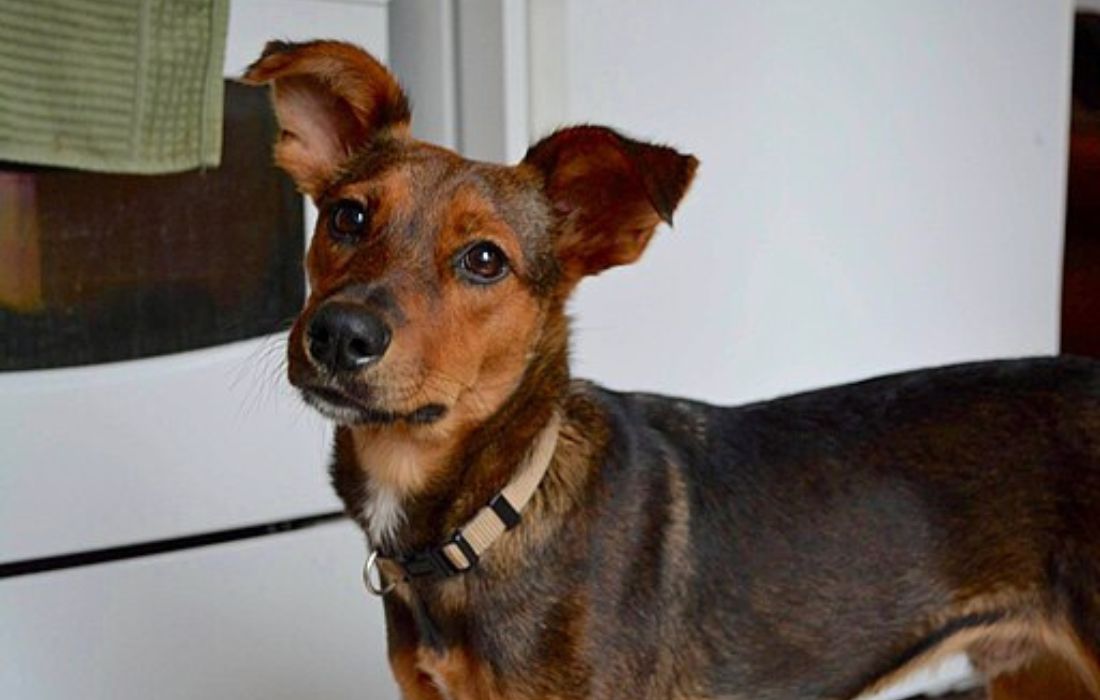
Potcake Dog: An Ultimate Guide for Prospective Dog Moms
Have you ever heard of the Potcake dog? If you’ve been dreaming of adopting a unique and fiercely loyal companion, then this mixed-breed native to the Caribbean is worth a closer look. Originating from the Bahamas and Turks & Caicos, Potcakes are famous for their adaptability, intelligence, and loving nature. Their name comes from the “cake” of leftover rice and beans often fed to island strays, but these dogs are anything but leftovers they’re gems.
This guide unpacks everything prospective owners need to know, from identifying a Potcake to understanding their needs and quirks. Whether you’re curious about their temperament, health, or if they’re a good fit for your lifestyle, you’re in the right place. So let’s get started!
What is a Potcake Dog?
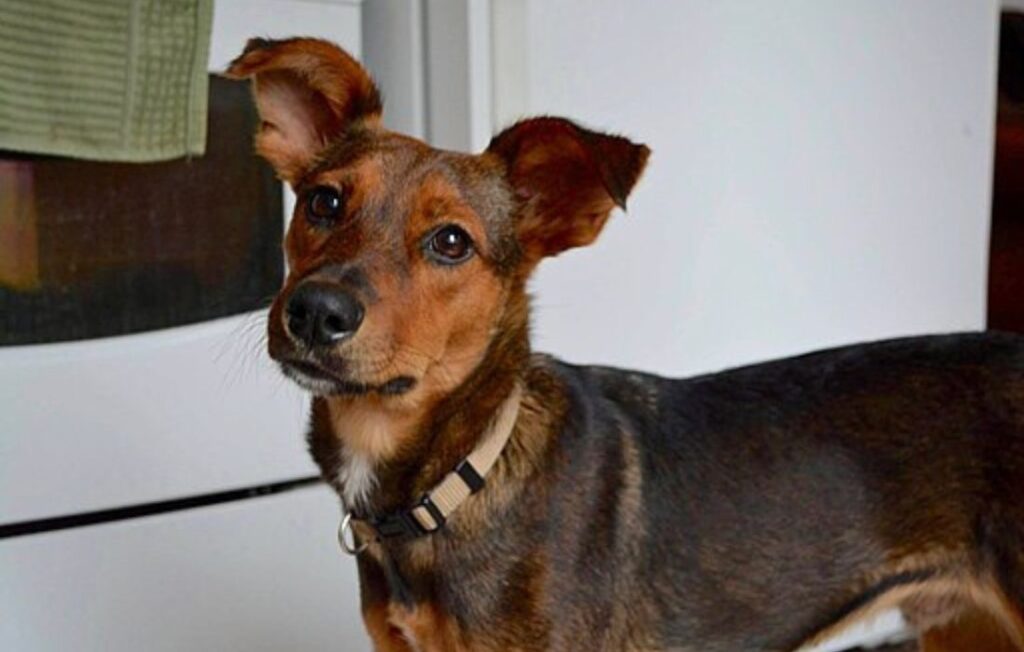
If you’ve ever visited the Bahamas or Turks and Caicos, you might have come across the term “Potcake Dog.” But what exactly does it mean? A Potcake is a mixed-breed dog native to these Caribbean islands, named after the scraps of food, primarily caked rice and beans locals often fed to them. While many of these dogs are free-roaming strays, they’re also incredible companions with a unique blend of characteristics that make them stand out from typical breeds.
Potcakes aren’t a specific breed in the traditional sense. They’re a blend of various dog types, shaped by the influences of their environment and the islands’ history. Let’s see what makes these dogs so special and why they’ve captured the hearts of locals and tourists alike.
Origins of the Potcake
The Potcake dog’s history is rooted in the cultural and ecological makeup of the Caribbean. These dogs have evolved over centuries, with ancestors that likely arrived with European settlers or traders. Mixed with breeds brought to the islands (such as terriers, shepherds, and retrievers), Potcakes are truly a melting pot of canine genetics, adapted to survive in warm climates. The name “Potcake” itself comes from the local custom of feeding dogs the crusty remains from pots of cooked rice and beans. Historically, these dogs were considered natural scavengers, thriving despite minimal resources.
Unique Characteristics
Potcake dogs are a picture of resilience but don’t assume they’re all the same! Their appearance can vary widely due to the diverse genetic makeup. They’re often described as having an athletic build, medium size, and expressive features that can remind you of everything from terriers to retrievers.
Here’s a quick overview of common traits:
- Size: Typically 40–65 pounds as adults, depending on their lineage.
- Coat: Short, smooth, and usually low-maintenance, though there are cases of longer or shaggy coats.
- Temperament: Friendly, intelligent, and adaptable to a variety of households. Despite their independent beginnings, they bond deeply with owners and are eager to please.
You can find more about Potcake traits and characteristics at Visit Turks and Caicos.
Are Potcakes Considered a “Breed”?
Potcakes aren’t officially a breed according to kennel clubs. Still, because of their history and similar traits, some people treat them like they are. It’s more accurate to say they’re a local mix that came about naturally because of where they live.These dogs are becoming known around the world, and many rescue groups are assisting them in finding homes with families in different countries. This proves that they can be great family dogs..
Physical Characteristics
Potcake dogs each have a captivating and unique look. Since they aren’t purebred, their appearances change a lot based on their family history and where they live. Still, most Potcakes share a few traits that give them their special charm.
Body Structure and Size
Potcakes usually are medium-sized dogs with an athletic look. Most weigh anywhere from 40 to 65 pounds and stand about 20 to 24 inches tall at the shoulder, making their size ideal for a variety of living situations, from cozy apartments to spacious houses with yards. Their lean, muscular bodies reflect their history of outdoor survival, where agility and endurance were essential. You’ll notice that many Potcakes have slightly elongated faces, often terrier-like, and a posture that shows confidence and alertness.
Their ears are another noticeable feature; they’re pointed and tilted, making them look friendly. Though they seem delicate, these dogs are strong and active. Their ribs often show because of their shape, from many years of existing in the Caribbean.
Coat and Color
Potcakes usually have short, smooth hair that’s easy to care for. This is great if you don’t want a dog that needs a lot of grooming. Their coat helps them do well in warm weather and makes them tough. Most have a uniform fur texture, but sometimes you might see dogs with coarse or patchy coats, mostly if they were rescued from rough environments.
One of the most fascinating things about Potcakes is their wide range of coat colors. You’ll see them in virtually every shade imaginable, including:
- Beige, tan, and brown: Commonly seen and often reminiscent of sandy island shores.
- Black and white: Bold patterns or solid coats in these colors are frequent.
- Brindle markings: Rare but stunning, brindle coats give Potcakes a wild, exotic vibe.
- Tri-colored combinations: A mix of tan, black, and white, creating a distinctive and eye-catching look.
According to Visit TCI, Potcakes’ coat colors are a genetic mosaic that reflects their diverse heritage. From sleek black coats to sandy tones that blend seamlessly with tropical landscapes, their unique coloring adds to their undeniable charm. If you’re the type of dog owner who appreciates variety, the Potcake could be a good match for you.
Personality and Temperament

Sharleen1, CC BY-SA 4.0, via Wikimedia Commons
Family-Friendly Nature
Potcake dogs are known for their distinct personalities and temperaments, so they’re a great option if you want a loyal friend. This flexible and tough breed will win you over with its charm and humor, whether you’ve had dogs before or not. Here’s what you should know about what they’re like.
One of the best things about Potcakes is that they get along well with families. They’re usually friendly and flexible, which means they can form close ties with people of different ages. Potcakes usually fit right in, whether you have young kids, teenagers, or other animals.
- Gentle Yet Playful: Potcakes are often described as calm but playful, a balance that makes them great for children. They’ll eagerly join in on games of fetch, but they’re also just as happy curling up on the couch for some quiet time.
- Social Butterflies: Many Potcakes have grown up in community settings where interaction with humans and other animals was part of their daily lives. This innate socialization means they’re rarely aggressive and generally display curiosity and friendliness toward strangers and new faces. If raised properly, their temperament ensures that they thrive in social environments.
Because they understand human emotions well, Potcakes are also great emotional support dogs for families who need comfort or companionship.
Training and Intelligence
Potcakes are exceptionally intelligent, a trait that often surprises first-time owners who may be unfamiliar with the breed. Their sharp instincts and quick learning ability make them highly trainable. However, their intelligence can sometimes makes them stuborn. With the right approach, training a Potcake can be a rewarding experience for both you and your pup.
- Food Motivation: If there’s one thing that can unlock the potential of a Potcake’s brain, it’s food. Positive reinforcement using treats or small rewards works wonders in getting them to follow commands and learn new tricks. They’re often food enthusiasts, so this tool is invaluable during training.
- Consistency is Key: Like any smart dog, Potcakes respond well to consistent routines and clear guidelines. Repeat the same commands during training sessions to help them understand expected behaviors.
- Quick Learners: From leash training to more advanced obedience cues, Potcakes tend to pick up skills quickly. Their eagerness to please their owners is an added bonus, especially when paired with non-aversive training methods.
Health Considerations
If you’re thinking about getting a Potcake dog, there are a few health issues you should be aware of. These dogs are naturally hardy, but knowing about possible problems and taking steps to prevent them is important for keeping them healthy. Here’s what you need to know to help your Potcake dog live a long, happy life.
Common Health Issues
While Potcake dogs are generally healthy, their mixed genetic background doesn’t make them completely immune to health problems. Here are some common conditions seen in this breed type:
- Hip Dysplasia: Like many medium-to-large dogs, Potcakes can develop hip dysplasia. This is a genetic condition where the hip joint doesn’t fit properly into the socket, potentially causing discomfort and mobility issues as your dog ages. Early diagnosis through X-rays and weight management are crucial to mitigating symptoms.
- Heartworm Disease: Since Potcakes originate in areas with warm climates, they are at high risk for heartworm, a potentially life-threatening parasite transmitted by mosquitoes. Dogs with heartworm often exhibit symptoms like persistent coughing, fatigue, or difficulty breathing. Prevention with monthly medication is key.
- Skin Allergies: Due to their outdoor lifestyle in the Caribbean, many Potcakes experience skin allergies triggered by environmental irritants such as grass, dust mites, or even sun exposure. Common signs include excessive scratching, redness, or patchy fur loss.
- Parasite Infestations: Intestinal worms, fleas, and ticks are routine threats. These parasites can lead to secondary health issues, such as anemia or Lyme disease, making regular preventative treatments essential. A good rule of thumb? If you’d protect yourself from mosquitoes on vacation, your dog likely needs protection too.
Preventive Care
Prevention is your best friend when it comes to ensuring a long, healthy life for your Potcake dog. Here are some practical ways to stay ahead of potential health concerns:
- Keep Vaccinations Up-to-Date: Core vaccinations such as rabies, distemper, and parvovirus are non-negotiables for all dogs, Potcakes included. These shots protect against deadly diseases commonly found in social or outdoor environments.
- Parasite Control: Use vet-approved medications for heartworms, fleas, ticks, and intestinal parasites. Most of these are available in convenient monthly treatments and can save you hefty vet bills later on.
- Regular Vet Check-Ups: Schedule annual visits to your veterinarian for comprehensive exams. These check-ups will include routine heartworm testing, bloodwork, and early detection screenings for hidden health issues.
- Dental Care: Dental health can often be overlooked but is a cornerstone of overall wellness. Dental chews, regular brushing, or annual cleanings can prevent gum disease and other systemic problems originating from poor oral hygiene.
- Balanced Diet and Exercise: A high-quality, balanced diet matched with daily exercise keeps Potcakes at a healthy weight and supports muscle strength, especially to prevent issues like hip dysplasia.
Wondering how to get started? VCA Animal Hospitals has a comprehensive guide highlighting the essentials of preventive care for dogs, including how to tailor a wellness plan for your pet.
Frequently Asked Questions
If you’re considering adopting a Potcake dog, you likely have some questions about their traits, behavior, and care. Here’s everything you need to know about these unique island dogs, answered with clarity and confidence.
How to Identify a Potcake Dog?
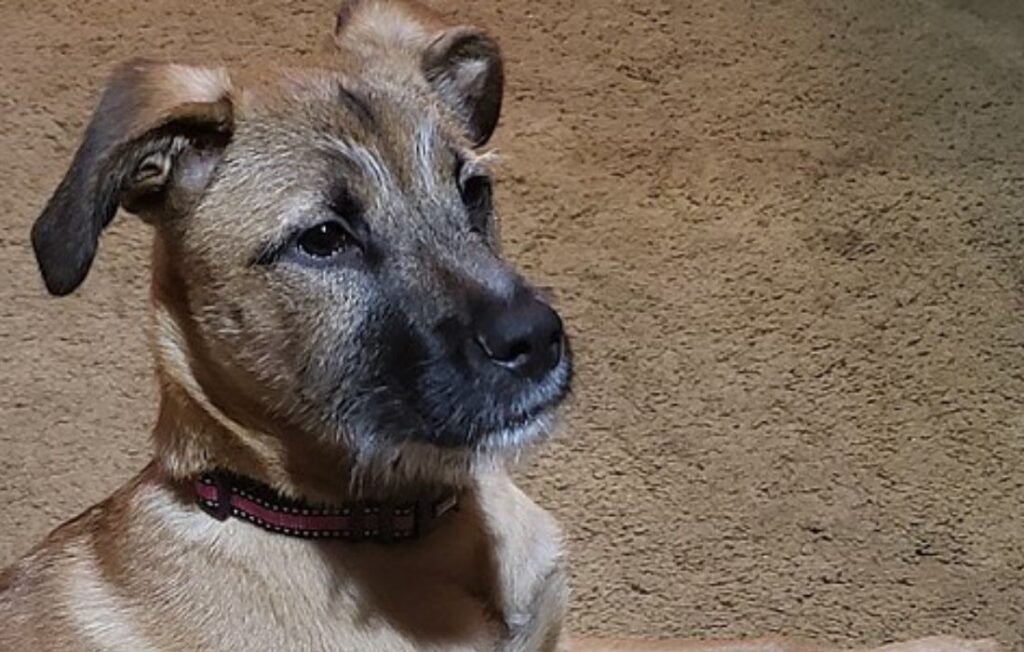
Knowing how to spot a Potcake dog can be tricky because they’re not a true breed. These dogs are a mix of various breeds native to the Caribbean, giving them a blend of physical traits that vary widely. However, there are a few key features that can help you identify them:
- Size: Potcakes are medium-sized, with adults generally weighing between 40-65 lbs. Their height can range from 20 to 24 inches at the shoulder.
- Face and Ears: They often sport a terrier-like face with high, perky, or slightly cocked ears that bring a unique charm to their look.
- Coat and Colors: Their coats are typically short and low-maintenance, and they come in a variety of colors, including tan, black, white, or mixes. Brindle patterns and tri-colored coats are also seen.
- Build: These dogs tend to have a hound-like ribcage, slim, athletic frames, and an overall lean, durable appearance.
When it comes to personality, Potcakes are as distinctive as their looks—best described as loyal, intelligent, and adaptable. For a more detailed understanding, check out this guide on identifying Potcake dogs.
Are Potcake Dogs Smart?
Short answer: absolutely! Potcake dogs are exceptionally intelligent and quick learners. Their intelligence often rivals that of many purebred dogs, particularly because of their adaptive instincts developed from life in the wild. Here’s what makes them stand out:
- Problem-Solving: Potcakes are resourceful dogs, often figuring out ways to navigate obstacles or find food in their native environment.
- Trainability: They respond well to positive reinforcement and can master basic commands, advanced tricks, and even complex routines with relative ease. A food reward system works wonders for training.
- Emotional Intelligence: These dogs easily emotionally to their owners. Many Potcakes bond deeply and can sense when something is wrong, making them great companions.
If you want to hear real-world examples of Potcakes showcasing their smarts, you can check this insightful Reddit discussion on Potcake intelligence.
Are Potcake Dogs Dangerous?
It’s a common misconception, but the truth is Potcake dogs are far from dangerous. Like any dog, their behavior depends on their upbringing, training, and environment. When properly socialized, Potcakes are among the sweetest and most loyal companions you’ll find. Here are some points to consider:
- Loyalty: Potcakes often form deep bonds with their families, making them protective yet gentle.
- Temperament: They’re naturally curious and friendly but may initially be cautious with strangers. Early socialization helps develop their trust.
- Aggression Myths: While any dog can develop aggressive tendencies from neglect or poor treatment, Potcakes—with proper care—rarely show such traits. Instead, they thrive in environments where they feel safe and loved.
Learn more about developing a strong loving bond with your Potcake and addressing misconceptions about their behavior at Potcake Ears.
Do Potcakes Shed?
The short answer is yes, Potcake dogs do shed. However, their shedding is typically moderate and manageable. Here are some key details:
- Coat Type: Potcakes generally have short-haired coats that shed less than long-haired breeds. That said, coat type can vary depending on the lineage of the individual dog.
- Seasonal Patterns: Like most breeds, they may shed more during seasonal transitions. Regular grooming will help minimize loose hairs around the house.
- Maintenance Tips: Brushing weekly and maintaining a healthy diet can go a long way in reducing shedding and keeping their coats shiny and smooth.
Wrapping it Up
Potcake dogs are more than just companions—they’re a proof of resilience, loyalty, and adaptability. Their unique background and charming personalities make them ideal for families or individuals seeking a loving, active, and intelligent pet. From their rich Caribbean heritage to their trainable nature, it’s easy to see why these dogs have earned a special place in the hearts of so many.
If you want to get a Potcake, think about adopting from groups that try to find permanent homes for these dogs. They’re not just pets; they are friends and partners, too. Can you think of a better way to bring a bit of the Bahamas or Turks & Caicos into your life? If you’re ready, now is a great time to help one of these amazing dogs and yourself.




Be the first to leave a comment