


Dog Dental Care Made Easy: Brushing Tips &Healthy Habits

Hey there, fellow dog parents! While we adore our dogs’ happy grins, their dental health is a critical pillar of their overall wellness. If you’ve ever gotten a whiff of “doggy breath” and just shrugged it off, you’re not alone. Many of us think it’s just a normal part of having a dog. But here’s the truth: that bad breath is often the first, faint warning signal of a brewing problem. It’s like a “check engine” light for your dog’s mouth.. The good news? With a proactive approach, you can prevent most dental problems.
The fantastic news is that with a little know-how and a simple routine, you can prevent most canine dental disasters. This isn’t about becoming a canine dentist overnight. It’s about making small, manageable changes that have a huge payoff. In this guide, I’m going to walk through everything, from mastering the toothbrush to fun, supporting habits—to make dog dental care easy, effective, and even a little bit fun. Your dog’s health, happiness, and those precious cuddles without the stinky breath, start right here.
The Foundation of Canine Dental Health: Understanding the Why and What
Before we dive into the “how-to” of brushing, let’s build a solid foundation. Why is this so important? What exactly are we trying to prevent? Understanding this will make all the difference in your motivation and approach.
The Dangers of Plaque and Tartar Build-Up in Dogs
Imagine if you never brushed your own teeth. Every time you eat, a sticky, invisible film of bacteria called plaque forms on your teeth. The exact same thing happens to your dog, every single day. This plaque is soft and can be brushed away.
But here’s the catch: if plaque isn’t removed within about 24-48 hours, it mixes with minerals in your dog’s saliva and hardens into a cement-like substance called tartar (or calculus). You can’t brush tartar away with a regular toothbrush. This tartar acts like a rough, porous scaffold on your dog’s teeth, housing even more bacteria.
This bacterial party doesn’t stay on the teeth. It irritates and infects the gum line, leading to inflammation known as gingivitis (red, swollen gums). If this continues unchecked, it progresses to full-blown periodontal disease. This is a painful condition where the infection destroys the gums, ligaments, and even the jawbone that hold the teeth in place. It’s sobering to learn that over 80% of dogs show signs of periodontal disease by age three. This isn’t just an “old dog” problem.
Spotting the Signs of Dental Problems in Your Pet
Our dogs are champions at hiding pain. In the wild, showing weakness can be dangerous, so they’ve evolved to be stoic. That’s why we need to be expert detectives. Watch for these red flags:
- Persistent Bad Breath: Not just after a meal, but a constant, unpleasant odor.
- Visible Tartar: Yellow or brown crust along the gum line, especially on the back teeth.
- Red, Swollen, or Bleeding Gums: Healthy gums should be pink and firm, like a human’s.
- Behavioral Changes: Reluctance to eat, especially hard kibble; chewing on one side of the mouth; dropping food.
- Pawing at the Mouth or Face Rubbing: Indicating discomfort.
- Loose or Missing Teeth.
- Excessive Drooling: Sometimes with a tinge of blood.
If you see any of these signs, a visit to your veterinarian is your next step. Catching things early is the key to easier, less expensive, and less invasive treatment.
Mastering the Art of Brushing Your Dog’s Teeth: A Step-by-Step Guide
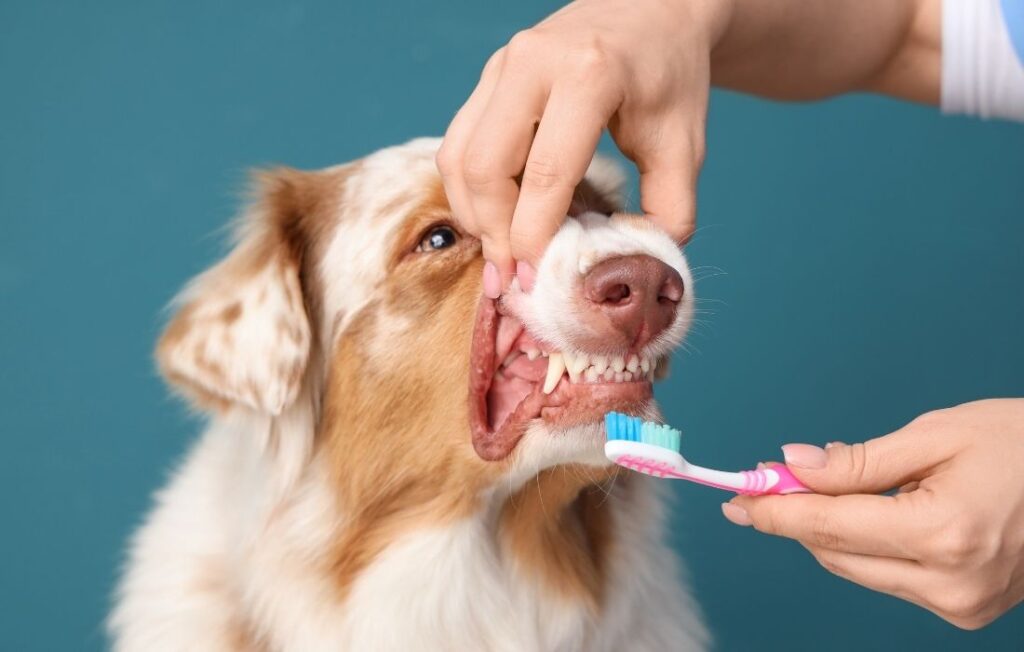
Yes, brushing is the single most effective thing you can do at home. And no, it doesn’t have to be a wrestling match. Think of it as a training exercise built on patience, positivity, and tasty toothpaste.
Choosing the Right Tools: Dog Toothpaste and Toothbrushes
First rule: Never, ever use human toothpaste. Our toothpaste contains fluoride and often xylitol, both of which are highly toxic to dogs. They can cause severe stomach upset or even liver failure.
- Dog Toothpaste: You want enzymatic dog toothpaste. These formulas contain enzymes that help break down plaque and bacteria chemically, giving you a major assist. The best part? They come in flavors dogs love—like poultry, beef, peanut butter, and even vanilla mint. Let your dog’s taste buds be your guide.
- Dog Toothbrushes: You have great options:
- Finger Brush: A small, soft silicone brush that fits over your fingertip. Perfect for beginners and small dogs, as it gives you great control.
- Dual-Headed Brush: A brush with bristles at two angles to clean both the outer and inner tooth surfaces simultaneously. Very efficient.
- Soft-Bristled Brush: A child’s soft toothbrush or a dog-specific long-handled brush works perfectly. Just ensure the bristles are soft.
Training Your Dog to Accept Tooth Brushing (The Positive Method)
The goal is to create a positive association. This process might take days or weeks—that’s perfectly okay!
- The Taste Test: For a few days, simply let your dog lick a bit of the dog toothpaste off your finger as a tasty treat.
- Finger Familiarity: With a bit of paste on your finger, gently lift their lip and rub your finger along their gums and teeth in a circular motion. Keep sessions to 5-10 seconds.
- Introduce the Brush: Let them sniff and lick paste off the brush. Then, try gently brushing one or two front teeth.
- Build Gradually: Over many sessions, gradually work your way to more teeth, focusing on the outsides. Always be gentle, talk in a happy voice, and lavish praise.
Pro Tip: Choose a calm time, like after a walk when they’re relaxed. End every session on a high note with play, a favorite treat, or lots of affection—before they get frustrated.
For a step-by-step visual guide, watch this informative video below from the American Kennel Club (AKC). They walk you through the entire process, offering pro tips for a stress-free routine that effectively removes plaque and protects your dog’s health.
Effective Brushing Technique for Maximum Plaque Removal
You don’t need to scrub for two minutes. A thorough 30-60 seconds is fantastic.
- Focus on the Outsides: Most plaque builds up on the outer surfaces of the teeth (the cheek side). Dogs’ tongues do a decent job of keeping the insides cleaner. Don’t stress about opening their mouth wide to get the insides—just focus on what you can easily see.
- The 45-Degree Angle: Gently hold the brush at a 45-degree angle where the tooth meets the gum. This helps sweep away plaque from the critical gum line.
- Small, Gentle Circles: Use small, gentle circular motions. Think “massage” more than “scrub.”
- Celebrate Effort: Missed a spot? Brushed for only 15 seconds? That’s 15 seconds of plaque you removed! Celebrate the effort and try for a little more next time.
Beyond the Brush: Supporting Healthy Habits for Dog Dental Care

While brushing is the MVP, a great team has strong supporting players. Think of these habits as your dental care defense squad.
Dental Chews, Toys, and Treats: Do They Work?
The short answer is: yes, the right ones can help, but they are not magic bullets. Look for products that carry the seal of acceptance from the Veterinary Oral Health Council (VOHC). This means they’ve been scientifically tested and proven to reduce plaque and/or tartar.
- How They Help: They work through mechanical action (the chewing scrapes plaque off) or enzymatic/chemical action (ingredients break down plaque).
- Important Caveats: Always choose the appropriate size for your dog to prevent choking. Monitor your dog with any chew. Remember, these are supplements to brushing, not replacements. Also, factor the calories into your dog’s daily diet to avoid weight gain.
The Role of Dental Diets and Water Additives
- Prescription Dental Diets: These are special kibbles (like Hill’s t/d or Royal Canin Dental) available through your vet. They are larger, have a unique fibrous texture, and are designed to “scrub” the tooth surface as the dog bites through them. They are a powerful tool, especially for dogs who resist brushing.
- Dental Water Additives: These are flavorless or mildly flavored liquids you add to your dog’s water bowl daily. They contain ingredients to help reduce oral bacteria. They are an easy addition but are most effective as part of a broader plan, not a standalone solution.
The Importance of Professional Veterinary Dental Cleanings
This is the non-negotiable cornerstone of complete dental health. No amount of home care can remove hardened tartar below the gum line.
A professional cleaning, performed under safe, general anesthesia, allows your vet to:
- Perform a full oral exam.
- Use an ultrasonic scaler to remove all tartar, both above and below the gums.
- Polish the teeth to create a smooth surface that resists new plaque.
- Take dental X-rays. This is crucial! Over 60% of a tooth is below the gum line. X-rays can reveal hidden problems like abscesses, bone loss, or cracked roots that would otherwise go unnoticed until they become severe and painful.
Most dogs benefit from a professional cleaning every 1-2 years. Your veterinarian will recommend the ideal schedule based on your dog’s individual needs.
Building a Lifelong Dental Care Routine for Your Dog

Consistency turns actions into habits. By weaving dental care into your daily life, you set your dog up for a lifetime of health.
Creating a Stress-Free Dental Care Schedule
Aim for daily brushing, but be realistic. If you can manage 3-4 times a week, you will still see a dramatic difference compared to doing nothing. Pair brushing with an existing habit: “After our evening walk, we brush teeth, then get a bedtime cookie.” This creates a predictable, positive routine. On non-brushing days, offer a VOHC-approved dental chew.
Puppy Dental Care: Starting Early for Success
This is your golden opportunity! Start handling your puppy’s mouth from day one. Gently play with their lips, touch their teeth, and get them used to the sensation. Let them taste puppy toothpaste. This early, positive exposure makes them think of mouth handling as a normal, pleasant part of life, making actual brushing a breeze when their adult teeth come in.
Senior Dog Dental Health: Special Considerations
Our older dogs may have more sensitive gums, worn teeth, or other health issues. Be extra gentle. Use a super-soft brush or a gauze pad. If arthritis makes it hard for them to stand during brushing, do it where they are most comfortable, like on a soft bed. Most importantly, maintain those regular vet check-ups. Your vet can help you adapt the dental care plan to keep your senior dog comfortable and pain-free.
Wrapping It Up
Taking charge of your dog’s dental health is one of the most profound acts of care you can provide. It’s not about perfection; it’s about consistent, loving effort. The benefits ripple out far beyond fresh breath: you’re safeguarding them from silent pain, protecting their vital organs, and investing in more healthy, vibrant years by your side.
The journey starts with a single step. Maybe today, you just buy the toothpaste and let your dog have a taste. Tomorrow, you might touch their gums with your finger. The key is to start, go slowly, and celebrate every tiny victory.
Ready to take the next step? Your vet is your ultimate partner in this. Schedule a dental check-up to get a professional assessment of your dog’s mouth and create a personalized plan. Then, share your progress! What’s your dog’s favorite toothpaste flavor? What tip made the biggest difference for you? Let’s support each other in building healthier, happier lives for our pets.


Be the first to leave a comment