


How to Get a Dog Passport. An Ultimate Guide for Dog Moms
Traveling with your dog is one of life’s true joys. Whether you’re planning a road trip, an international flight, or a visit to family, having your furry friend along makes everything better. But if you’re leaving the country, there’s one important thing you must bring — a pet passport.
It might sound fancy, but it’s not just for show. A pet passport is needed to keep your dog safe and healthy during international trips. It also helps you avoid problems when you arrive in a new country. If you’re thinking about a trip with your dog, you’re in the right place. This guide explains everything you need to know to get a pet passport, from vet visits to travel tips.
What Is a Pet Passport?
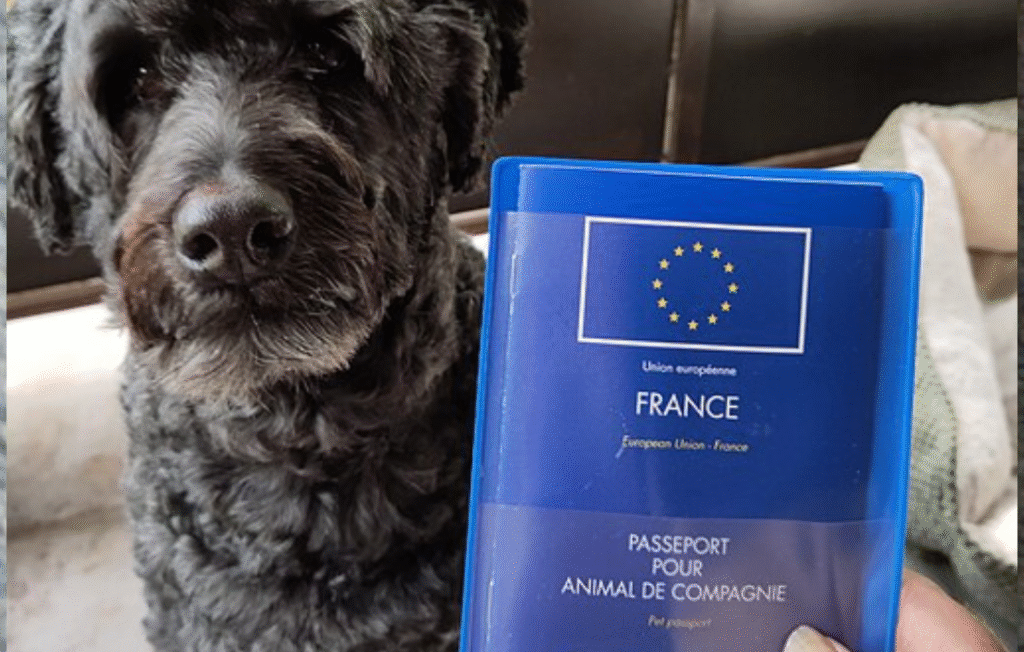
A pet passport is a legal document that proves your dog is healthy and ready for travel. It includes important information like vaccinations, microchip details, and health checks.
Each country has its own rules for pets crossing the border. A pet passport helps you show that your dog meets these rules.
In some places, a pet passport is not just helpful — it’s required. Without it, your dog could be turned away or sent to quarantine. That could be very stressful for both you and your pet.
Do You Need a Pet Passport?
Whether you need a pet passport depends on where you’re going. If you stay within the United States, you usually don’t need one.
But if you’re traveling internationally, especially to Europe, the UK, or Australia, you almost always do.
Here’s why a pet passport is so important:
- Crossing borders: Many countries won’t let pets in without proper papers.
- Health proof: You must show your dog is vaccinated and healthy.
- Skip quarantine: If your documents aren’t perfect, your dog could face long quarantine times.
Getting a pet passport helps you avoid problems and keeps your dog safe and happy during your trip.
Step-by-Step: How to Get a Pet Passport for Your Dog
1. Check the Rules for Your Destination
First, check the pet travel rules for the country you’re visiting. Every place has different rules. Some are simple. Others are very strict.
Look for answers to questions like:
- What shots does my dog need?
- Does my dog need a microchip?
- Are parasite treatments like deworming required?
For example, if you’re heading to the UK, you must treat your dog for tapeworms within 5 days of arrival. In the EU, a rabies shot given 21 days before travel is a must.
You can find these rules on government websites or by contacting the country’s embassy.
2. Visit Your Vet
Next, make an appointment with your vet. Many vets know the rules for pet travel and can guide you.
At this visit:
- Make sure your dog’s shots are up to date.
- Microchip your dog if needed. It must meet international standards.
- Get a full health check to confirm your dog is fit to travel.
- Treat for parasites if the country requires it.
Your vet will also fill out a special health certificate. This document usually must be completed within 7 to 10 days before your departure.
It’s smart to tell your vet about your travel plans early. That way, there’s enough time to get everything done.
3. Apply for the Pet Passport
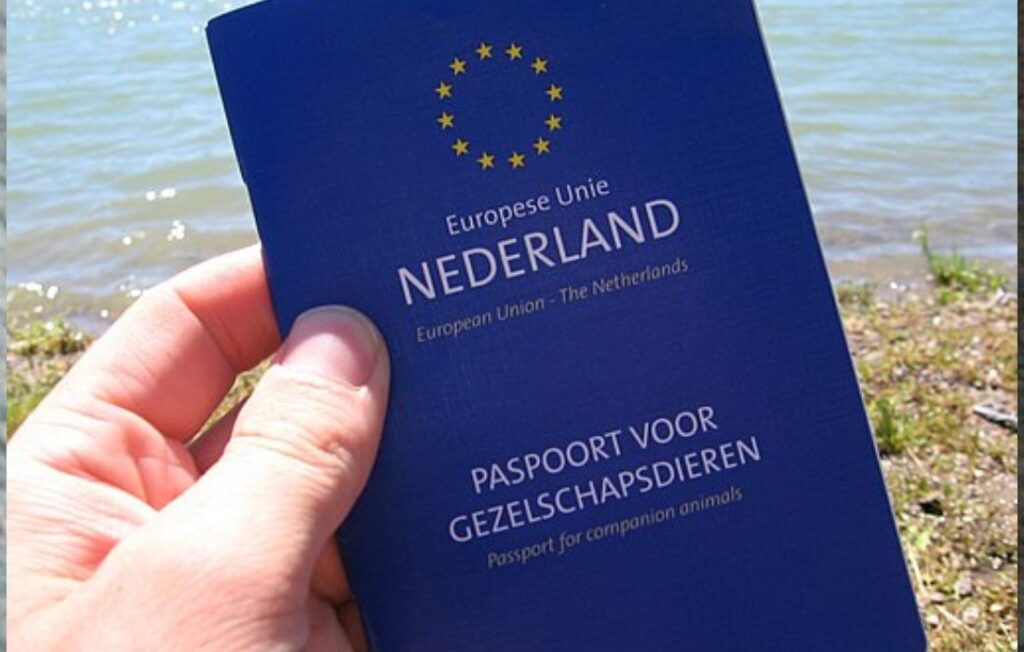
Once your dog’s health is in order, it’s time to get the pet passport.
In places like the EU and UK, passports are issued by certified vets or government offices. In the U.S., vets prepare a health certificate that acts as the needed travel document.
You’ll need:
- Proof of microchipping.
- Rabies vaccination records.
- Health certificate signed by your vet.
- Payment for any fees.
Passports or certificates may take some time to prepare. Always allow extra time before your trip.
4. Prepare Your Dog for Travel
Travel can be stressful for dogs. A little preparation can make it much easier.
Here’s how to help your dog get ready:
- Get them used to the travel crate early.
- Keep their routine normal before traveling.
- Make sure they have plenty of water and a comfy place to rest.
A relaxed dog travels much better. You’ll both have a smoother trip.
5. Think About Pet Travel Insurance
It’s not required everywhere, but pet insurance is a good idea.
Accidents and sickness can happen. Vet bills overseas can be expensive. Travel insurance for your pet can save you from huge costs.
Some countries even ask for proof of insurance when you arrive. It’s better to be covered than to be caught off guard.
6. Follow Customs Rules Carefully
When you land, officials will check your documents.
Be ready to:
- Show your pet passport or health certificate.
- Allow them to scan your dog’s microchip.
- Complete any extra health checks if needed.
If you miss something, your dog could be quarantined or refused entry. Following the steps carefully helps keep things easy for everyone.
Common Questions About Pet Passports
Can I Get a Pet Passport in the U.S.?
In the U.S., an official “pet passport” like in Europe isn’t given. But don’t worry — you can still get all the documents you need. A licensed vet can issue a health certificate and vaccination record. These papers work the same way when you travel abroad.
How Much Does It Cost?
Costs vary depending on your vet and the country you’re visiting. Most people spend between $100 and $300. This price usually includes vet exams, shots, parasite treatments, and paperwork.
Sometimes extra costs pop up if a country has special health rules.
Can Older Dogs Travel with a Pet Passport?
Yes! Older dogs can get a pet passport just like young ones. However, a vet might suggest extra health checks. If your senior dog is healthy, traveling shouldn’t be a problem. Always ask your vet if you’re unsure.
Final Thoughts
Traveling with your dog can be a wonderful adventure. But to make it smooth, careful planning is needed. Starting early is the best way to avoid problems. First, check the country’s rules. Then, visit your vet and get all needed shots and paperwork. Finally, prepare your dog for the journey.
Remember, every country has different rules. Always double-check requirements and timelines. Give yourself plenty of time to complete each step. A pet passport keeps your dog safe and makes your trip easier. With the right preparation, you’ll enjoy exploring the world together — one paw at a time.
Happy travels!


Be the first to leave a comment