

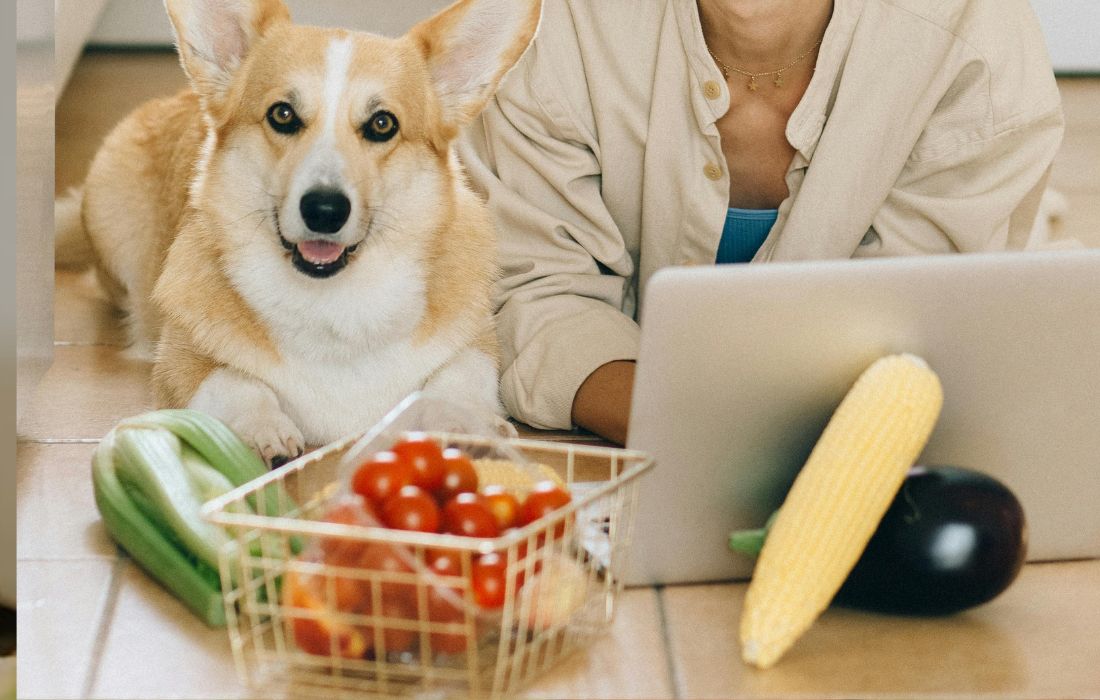
Can Dogs Eat Tomatoes? A Complete Guide for Dog Owners
As dog parents we always want what’s best for our furry friends, and food is not the exception. When it comes to safe vegetables your dog can eat you might be asking yourself: Can my dog eat tomatoes? The short answer is yes—dogs can eat ripe tomatoes in moderation. However, it’s not that simple. While the flesh of a ripe tomato is generally safe and even offers nutrients like vitamins A and C, the green parts, including stems, leaves, and unripe tomatoes, contain toxins that can make dogs sick. Understanding what’s safe and what’s not is crucial in keeping your pup healthy.
In this this guide I’ll walk you through everything you need to know about feeding tomatoes to your dog safely, along with answers to common questions dog owners have. So let’s get started!
The Nutritional Benefits of Tomatoes
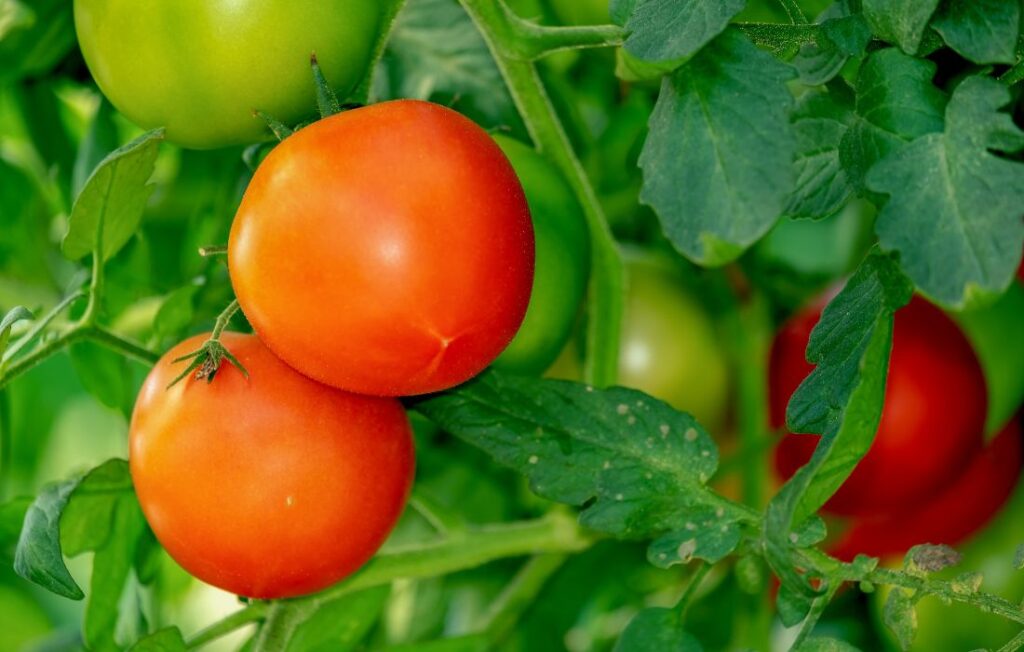
When served the right way, tomatoes can be a healthy treat for your furry companion. Ripe, red tomatoes offer a variety of nutrients that can provide notable health benefits for your pup:
- Rich in Antioxidants: Lycopene, the compound that gives tomatoes their red color, acts as a powerful antioxidant. This can help combat cell damage and reduce the risk of chronic conditions.
- Vitamins Galore: Tomatoes are packed with vitamins A, C, and K, which support vision, improve immune function, and aid blood clotting, respectively.
- Dietary Fiber: Fiber promotes healthy digestion and can be particularly beneficial for dogs experiencing minor digestive issues.
Remember, these benefits only apply to ripe tomatoes fed in moderation. Always prioritize your dog’s balanced diet by offering tomatoes as an occasional treat rather than a staple.
Risks Associated with Feeding Tomatoes to Dogs
While ripe tomatoes are safe, unripe tomatoes and parts of the tomato plant, such as stems and leaves, contain tomatine, a toxic substance that can harm dogs. The amount of tomatine decreases as the fruit ripens, which is why green tomatoes pose a higher risk.
Symptoms of tomatine poisoning in dogs could include:
- Lethargy
- Vomiting or diarrhea
- Loss of coordination or tremors
- Abnormal heart rate
The green parts of the tomato plant—including vines and leaves—are particularly dangerous, so it’s crucial to keep your dog away from gardens where tomatoes grow. If you suspect your dog has ingested unripe tomatoes or plant material, speak with your vet immediately.
How Quantity Affects Safety
Even the safest foods can become problematic when overfed, and tomatoes are no exception. Here’s a rough guide to portion sizes based on the size of your dog:
- Small dogs (10-20 lbs): Just one or two small slices of a ripe tomato.
- Medium dogs (20-50 lbs): Up to half a small tomato.
- Large dogs (50+ lbs): One small tomato or a few slices.
Keep in mind that dogs have varying tolerances, so always monitor your pet for signs of an upset stomach after introducing any new treat. Overfeeding even ripe tomatoes may cause diarrhea or indigestion because of their acidity.
Unlike other treats, tomatoes aren’t something you should offer every day, they’re an occasional snack. Adding tomatoes to your dog’s diet can offer noticeable benefits, but only when done right. By avoiding the green parts and keeping servings small, you’ll enjoy the peace of mind that comes with making safe, informed choices for your pup.
How to Safely Feed Your Dog Tomatoes
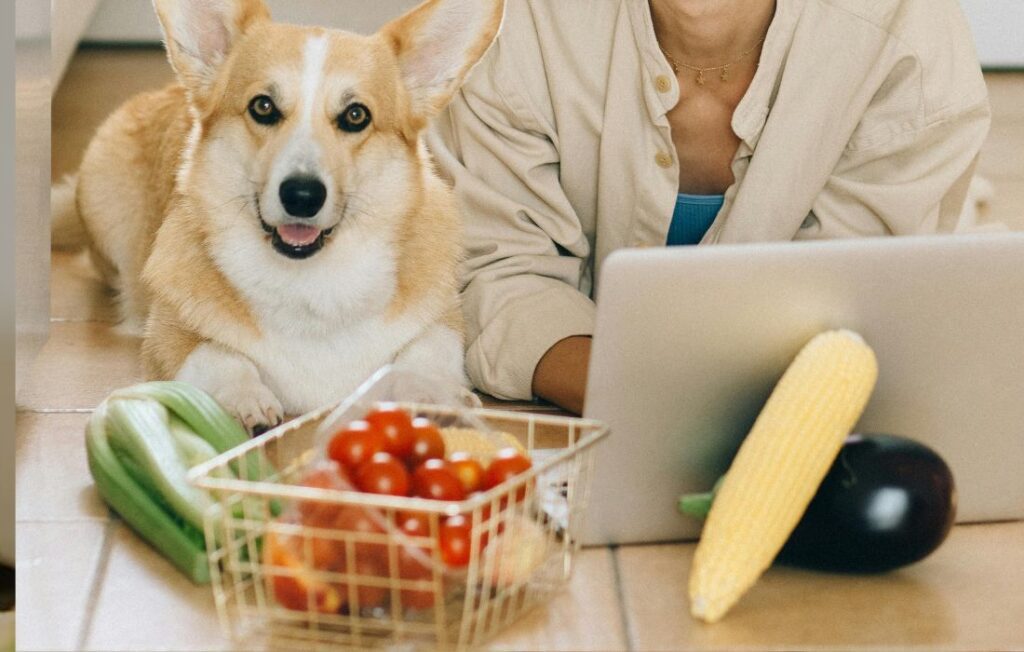
Feeding your dog tomatoes can be perfectly safe, but only if you do it the right way. Ripe, red tomatoes can be a healthy snack, but you must prepare them properly and avoid variations that can be bad for your dog. Here are some important tips to keep tomato treats a fun and safe part of your dog’s food.
Preparing Fresh Tomatoes for Dogs
If you’re planning to share a tomato with your furry friend, it all starts with preparation. Proper handling ensures the treat is safe, free of harmful substances, and easy to digest.
Here’s how to prepare tomatoes safely for your dog:
- Wash Thoroughly: Rinse the tomato under clean, running water to remove dirt, pesticides, or other contaminants. This step is essential, especially if the tomato isn’t organic.
- Remove the Green Parts: Cut off and discard the stem, leaves, and any remaining vines. These parts contain tomatine, which is toxic to dogs.
- Slice into Small Pieces: Chop the tomato into bite-sized pieces appropriate for your dog’s size. This prevents choking and makes it easier to monitor your pet’s portion.
- Serve Plain: Avoid seasoning or adding extra ingredients like salt. A dog’s digestive system prefers simplicity, so keep it raw and fresh.
By following these steps, you give your pup a tomato snack that’s both safe and enjoyable. If you’re unsure about freshness or pesticide residue, stick to organic tomatoes or locally grown produce.
Cooked Tomatoes vs. Raw: What’s Better?
This might surprise you, but whether tomatoes are raw or cooked plays a role in how healthy they are for your dog. Here’s a quick comparison:
- Raw Tomatoes: These are great as an occasional treat when served correctly. They retain all their original nutrients like vitamins A, C, and lycopene, which are excellent for your pup’s skin and immune system.
- Cooked Tomatoes: When cooked without added ingredients, tomatoes are easier for some dogs to digest. Cooking can also enhance the bioavailability of lycopene, making it easier for their bodies to absorb. However, avoid any oils, butter, or spices during preparation.
If you’re opting for cooked tomatoes, consider steaming or boiling them plain. Just never turn them into something heavily processed. Wondering why that’s a red flag? Scroll on to the next section for more critical details.
Avoiding Dangerous Tomato-Based Products
Not all tomato products are dog-friendly. In fact, many popular tomato-based foods contain ingredients that can harm your dog. A little awareness goes a long way in preventing accidents.
Steer clear of these problematic foods:
- Canned Tomatoes: Whether diced, crushed, or whole, canned tomatoes often include preservatives, salt, and citric acid, which can cause upset stomachs or even dehydration in dogs.
- Ketchup: Though tempting due to its sweetness, ketchup is loaded with sugar, salt, and often vinegar, making it a poor choice for pets. Always check for “hidden” ingredients too, like xylitol, which is highly toxic to dogs.
- Tomato Sauces: Pasta sauces and pizza toppings may seem harmless, but they’re usually packed with garlic, onions, and additional seasoning. Both garlic and onions are particularly hazardous for dogs and should be avoided entirely.
Recognizing and Handling Potential Tomato Toxicity in Dogs
Tomatoes can be a great occasional treat for your dog, but there’s a flip side: certain parts of the tomato plant and unripe tomatoes contain tomatine, a compound that’s toxic to dogs in significant amounts. Recognizing the symptoms of potential poisoning and knowing how to act swiftly can make all the difference.
Symptoms of Tomatine Poisoning
It’s important for dog owners to identify the warning signs of tomatine poisoning. While rare and typically caused by ingesting the green parts of the plant or unripe tomatoes, the symptoms can present quickly. Here’s what to watch for:
- Vomiting or Diarrhea: These are among the most common early indicators of tomatine ingestion.
- Lethargy and Weakness: Your dog may appear unusually tired or uninterested in normal activities.
- Loss of Coordination: Difficulty walking or signs of clumsiness could point to trouble.
- Hypersalivation: Excessive drooling can also signal poisoning.
- Muscle Tremors or Seizures: These are more severe symptoms that require immediate attention.
- Dilated Pupils or Behavioral Changes: Changes in eye appearance or unusual behavior might occur after toxin exposure.
Symptoms can vary depending on the size of your dog and how much of the toxic parts they consumed. If any of these signs show up, take action fast.
Steps to Take if Your Dog Consumes Toxic Tomatoes
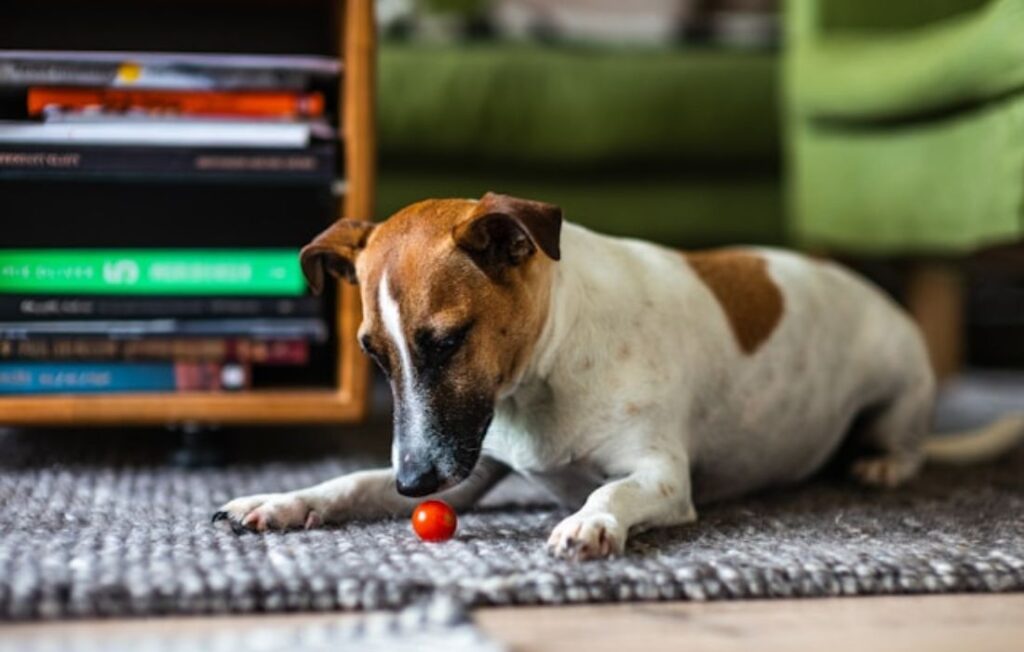
If you suspect your dog has managed to nibble on a tomato’s green parts or an unripe tomato, don’t panic but act immediately. The following steps can prevent mild symptoms from escalating:
- Assess the Situation: Check how much of the plant or fruit your dog has eaten. Did they nibble on a small piece, or does it look like they’ve had a significant mouthful?
- Contact Your Vet: Even if symptoms aren’t apparent, it’s essential to call your vet right away. Provide them with details on what your dog consumed and any unusual signs you’ve noticed. You can also reach out to hotlines like the Pet Poison Helpline for guidance.
- Monitor for Symptoms: Keep a close eye on your dog over the next 24–48 hours. Look for any of the symptoms listed above, like vomiting or unusual behavior. Mild gastrointestinal upset might pass, but more severe symptoms will need medical intervention.
- Don’t Induce Vomiting Unless Directed: Some substances are more harmful when brought back up. Follow your vet’s recommendation before attempting anything like this at home.
- Collect a Sample (If Possible): If you’re heading to the vet, bring part of the plant or uneaten tomato remnants to help them identify the issue. It provides valuable context for treatment.
Taking these precautions can make a big difference in your pet’s wellbeing after ingesting unsafe tomato components.
Frequently Asked Questions
When it comes to feeding tomatoes to dogs, there are a handful of commonly asked questions that pet owners often have. Let’s tackle these one by one to provide clarity and confidence for anyone considering introducing this fruit—or related foods—into their dog’s diet.
Is it safe for dogs to eat tomatoes?
In short, yes, ripe tomatoes are safe for dogs to eat in moderation. The key is to avoid the green parts—such as the stems and leaves—as well as unripe tomatoes, since these contain toxic compounds like tomatine that can harm your dog. Once a tomato is fully red and ripe, the tomatine levels drop to negligible amounts, making it non-toxic for dogs. Always serve tomatoes plain, and monitor your dog for any adverse reactions when introducing this food for the first time.
What vegetables can a dog eat?
Tomatoes aren’t the only veggie dogs can enjoy! There are plenty of other vegetables that can be a healthy addition to your pup’s diet. Here are some dog-friendly options:
- Carrots: Crunchy, sweet, and full of beta-carotene. Perfect as a chewable snack.
- Green beans: Low in calories and high in fiber—both raw and steamed are fine.
- Pumpkin (Plain): Fantastic for digestion, particularly for dogs with sensitive stomachs.
- Broccoli: Packed with nutrients but should be given in small quantities to avoid gas.
- Sweet Potatoes (Cooked): Loaded with vitamins A and C, great as a soft treat.
- Cucumber: A refreshing, hydrating snack with minimal calories.
Can dogs eat tomatoes with skin?
Yes, dogs can eat ripe tomatoes with the skin on. The skin itself is not toxic and is easy for most dogs to digest. However, it’s important to wash the tomato thoroughly to remove any pesticides or chemicals, especially if it’s not organic. Also, examine the tomato to ensure it’s fully ripe—with no green portions—before serving.
Can dogs eat tomato sauce?
It’s best to avoid feeding tomato sauce to your dog. While plain, cooked tomatoes can be fine, store-bought or homemade tomato sauces often contain harmful ingredients like garlic, onion, salt, and sugar—most of which can upset your dog’s stomach or even be toxic in large amounts. If you’re wondering whether a tiny taste is okay, ingredients really matter, and it’s always better to err on the side of caution.
Can dogs eat cherry tomatoes?
Yes, cherry tomatoes are generally safe for dogs when they are ripe and served in moderation. Their small size makes them easy to snack on, but you should still follow the usual precautions: ensure they are fully red (no green parts), wash them carefully, and cut them into halves or quarters for easier digestion. Overfeeding, however, can lead to stomach upset due to the acidity. Make cherry tomatoes an occasional treat rather than a regular part of their diet.
Final Thoughts
Overall tomatoes are completely safe to give to your furry friend. Ripe and red tomatoes are a healthy, low-calorie treat packed with vitamins and antioxidants, but moderation and preparation are important. Make sure to always remove stems and leaves, serve in small portions, wash thoroughly, and avoid unripe tomatoes or processed products like ketchup and sauces.
When in doubt, prioritize your dog’s well-being by consulting with your vet before introducing new foods. Have you ever shared a tomato with your pup? Share your experience below or ask any lingering questions—we’re here to help you make informed decisions for your furry friend’s health and happiness!




Be the first to leave a comment